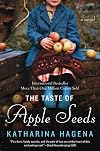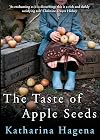
The Taste of Apple Seeds
by Katharina Hagena
On This Page
Description
"When Iris unexpectedly inherits her grandmother's house in the country, she also inherits the painful memories that live there. Iris gives herself a one-week stay at the old house, after which she'll make a decision: keep it, or sell it. The choice is not so simple, though, for her grandmother's cottage is an enchanting place where currant jam tastes of tears, sparks fly from fingertips, love's embrace makes apple trees blossom, and the darkest family secrets never stay buried. As Iris show more moves in and out of the flicker between remembrance and forgetting, she chances upon a forgotten childhood friend who could become more. The Taste of Apple Seeds is is a bittersweet story of heartbreak and hope passed down through the generations"-- show lessTags
Recommendations





























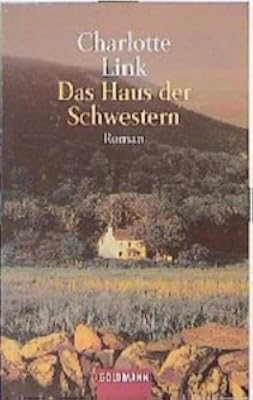

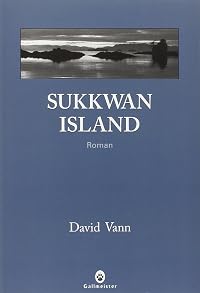

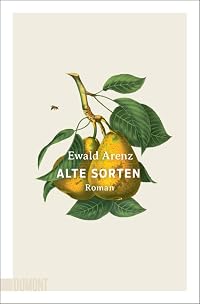

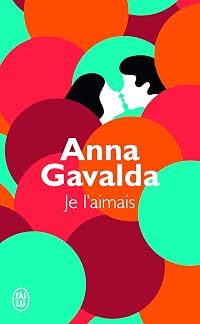

Member Recommendations

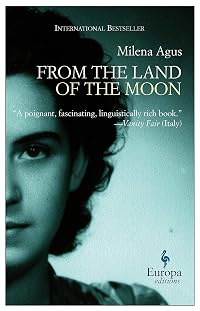
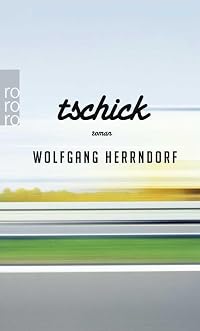
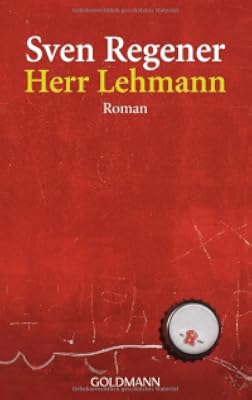
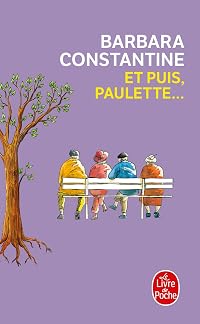
_eskarina Although different in many aspects, apples, memories and some strange and beautiful melancholia make these books similar.

Member Reviews
Als Bertha stirbt, erbt Iris das Haus. Nach vielen Jahren steht Iris wieder im alten Haus der Großmutter, wo sie als Kind in den Sommerferien mit ihrer Kusine Verkleiden spielte. Sie streift durch die Zimmer und den Garten, eine aus der Zeit gefallene Welt, in der rote Johannisbeeren über Nacht weiß und als konservierte Tränen eingekocht werden, in der ein Baum gleich zweimal blüht, Dörfer verschwinden und Frauen aus ihren Fingern Funken schütteln. Doch der Garten ist inzwischen verwildert. Nachdem Bertha vom Apfelbaum gefallen war, wurde sie erst zerstreut, dann vergesslich, und schließlich erkannte sie nichts mehr wieder, nicht einmal ihre drei Töchter. Iris bleibt eine Woche allein im Haus. Sie weiß nicht, ob sie es show more überhaupt behalten will. Sie schwimmt in einem schwarzen See, bekommt Besuch, küsst den Bruder einer früheren Freundin und streicht eine Wand an. Während sie von Zimmer zu Zimmer läuft, tastet sie sich durch ihre eigenen Erinnerungen und ihr eigenes Vergessen: Was tat ihr Großvater wirklich, bevor er in den Krieg ging? Welche Männer liebten Berthas Töchter? Wer aß seinen Apfel mitsamt den Kernen? Schließlich gelangt Iris zu jener Nacht, in der ihre Kusine Rosmarie den schrecklichen Unfall hatte: Was machte Rosmarie auf dem Dach des Wintergartens? Und was wollte sie Iris noch sagen? Iris ahnt, dass es verschiedene Spielarten des Vergessens gibt. Und das Erinnern ist nur eine davon. show less
A house that has been in a family for generations becomes the heart of that family, housing memories and secrets and providing a familiar retreat. It is not just a house, but a home, and it looms large in the minds of all who grew up there or spent extended amounts of time there. In Katharina Hagena's novel, The Taste of Apple Seeds, newly translated from the German, a house and all of its secrets and memories is very central to this eccentric tale of family, love, and loss.
When quiet librarian Iris's grandmother Bertha dies, she leaves Iris an unexpected inheritance, one that might more properly have been given to Iris's mother or aunts: the family home. Iris isn't sure she wants this emotionally freighted offering, choosing to live show more in the house for a short time before deciding whether or not to reject the gift. As she wanders the halls and rooms of the old and unconventional home, she recalls not only her own childhood visit to Bootshaven, but her grandmother's slow slide into dementia, her aunts', Harriet and Inga, lives in the house, her grandfather Hinnerk's authoritarian presence, and the early, tragic loss of her older cousin Rosmarie plus the mystery still surrounding her death. She tells what she knows for certain and imagines what she doesn't, offering up the magical and the mundane both. As she wanders aimlessly through her family's past, she stumbles into the present as well in the person of Max, a lawyer and the younger brother of Rosmarie's best friend, a man to whom she is reluctantly attracted.
The novel meanders through time, moving forward and back as memories surface and recede and spark other memories in turn. Iris narrates the tale, actively avoiding the most painful memory contained in the house, that of her cousin's death so many years ago. Seeing everything through Iris feels as if the reader is viewing it all through a dreamy fog where the present is intimately intertwined with the shades of the past, leaving behind a distinct feeling of melancholy. There are things that are overtly magical (currant berries turning from their usual shade of red to white and tasting of tears after the death of a young girl, apple trees bearing fruit in June after an illicit tryst beneath their branches, a woman whose very touch is electric) and there are atmospheric flourishes that feel magical (the search for meaning behind the arrangement of books on shelves, Iris wearing ball gowns discovered in trunks in lieu of her own disheveled clothing) here as well. Some of the imagery is breathtakingly written but there are any number of dropped or undeveloped plot threads as well, frustrating gaps by an author who clearly knows how to use language. Although this was a very slight book, it is chock full of symbolism, serpentine narration, and half obscured or hidden meanings and while this could add up to a literary treasure, somehow here it only resulted in an unfulfilled feeling and missed chances. show less
When quiet librarian Iris's grandmother Bertha dies, she leaves Iris an unexpected inheritance, one that might more properly have been given to Iris's mother or aunts: the family home. Iris isn't sure she wants this emotionally freighted offering, choosing to live show more in the house for a short time before deciding whether or not to reject the gift. As she wanders the halls and rooms of the old and unconventional home, she recalls not only her own childhood visit to Bootshaven, but her grandmother's slow slide into dementia, her aunts', Harriet and Inga, lives in the house, her grandfather Hinnerk's authoritarian presence, and the early, tragic loss of her older cousin Rosmarie plus the mystery still surrounding her death. She tells what she knows for certain and imagines what she doesn't, offering up the magical and the mundane both. As she wanders aimlessly through her family's past, she stumbles into the present as well in the person of Max, a lawyer and the younger brother of Rosmarie's best friend, a man to whom she is reluctantly attracted.
The novel meanders through time, moving forward and back as memories surface and recede and spark other memories in turn. Iris narrates the tale, actively avoiding the most painful memory contained in the house, that of her cousin's death so many years ago. Seeing everything through Iris feels as if the reader is viewing it all through a dreamy fog where the present is intimately intertwined with the shades of the past, leaving behind a distinct feeling of melancholy. There are things that are overtly magical (currant berries turning from their usual shade of red to white and tasting of tears after the death of a young girl, apple trees bearing fruit in June after an illicit tryst beneath their branches, a woman whose very touch is electric) and there are atmospheric flourishes that feel magical (the search for meaning behind the arrangement of books on shelves, Iris wearing ball gowns discovered in trunks in lieu of her own disheveled clothing) here as well. Some of the imagery is breathtakingly written but there are any number of dropped or undeveloped plot threads as well, frustrating gaps by an author who clearly knows how to use language. Although this was a very slight book, it is chock full of symbolism, serpentine narration, and half obscured or hidden meanings and while this could add up to a literary treasure, somehow here it only resulted in an unfulfilled feeling and missed chances. show less
The Taste of Apple Seeds left me with a sweet and sad mixture of emotions. It's a beautifully written book that enveloped me into Iris's story. There's something about this book that just warmed my heart. It's quite melancholy but on the other hand there's this quiet comfort that this story brings. I don't know what to make of my feelings but one thing's for sure - this book made an impression on me.
Throughout the book you get to read about the different lives of Iris's family. You get to read about generations of heartbreak and love. In the present time the book is set, Iris has just lost her grandmother and is inherited a house full of the lives her mother, aunts, grandparents, and one of her best friends lived. The best friend is her show more cousin, Rosemarie, and she died tragically at the home. You get clues into Rosemarie's life until you are greeted with the pain and uncertainty Iris felt about her death.
"The silence reminded me of that other morning thirteen years before when there was nothing to be heard, either. Just the occasional rattling of the wake of a tragic shock. Like deafness after a gunshot. A silence like a wound. Rosemarie had bled only a little from her nose, but on her pale skin the slight, sharply defined trickle looked as if it were mocking us."
Hagena made me believe this story was real. I was really wondering if this was a sort of memoir about the author or about someone else. It felt so real and vivid and it felt too tragic not to be real. The love these women experienced were so amazing to read about. Rosemarie was the most interesting character when the book was retelling her life. Everything about her life was wrapped in mystery that I needed to know what resulted in her death although in the end it's not so cleanly resolved for you. Nevertheless, I like that everything isn't resolved although a smart part of me would have liked Iris's questions to be answered.
Other than Rosemarie's story, the grandmother who died was a main focal point in the book. She slowly lost her memories in the span of around a decade. The way it was described was pretty terrifying and so harrowing. But, the way everything was written it was like looking inward through Iris, looking at the grandmother fading through a lens. It provided a distance to the character and just continued to make me think this book was about real life events.
The Taste of Apple Seeds was a beautiful story, haunting yet hopeful. Iris was a fantastic main character and her growth through her life was always interesting. It was a really wonderful story I just wish like Iris there wasn't lingering questions about what happened with Rosemarie. show less
Throughout the book you get to read about the different lives of Iris's family. You get to read about generations of heartbreak and love. In the present time the book is set, Iris has just lost her grandmother and is inherited a house full of the lives her mother, aunts, grandparents, and one of her best friends lived. The best friend is her show more cousin, Rosemarie, and she died tragically at the home. You get clues into Rosemarie's life until you are greeted with the pain and uncertainty Iris felt about her death.
"The silence reminded me of that other morning thirteen years before when there was nothing to be heard, either. Just the occasional rattling of the wake of a tragic shock. Like deafness after a gunshot. A silence like a wound. Rosemarie had bled only a little from her nose, but on her pale skin the slight, sharply defined trickle looked as if it were mocking us."
Hagena made me believe this story was real. I was really wondering if this was a sort of memoir about the author or about someone else. It felt so real and vivid and it felt too tragic not to be real. The love these women experienced were so amazing to read about. Rosemarie was the most interesting character when the book was retelling her life. Everything about her life was wrapped in mystery that I needed to know what resulted in her death although in the end it's not so cleanly resolved for you. Nevertheless, I like that everything isn't resolved although a smart part of me would have liked Iris's questions to be answered.
Other than Rosemarie's story, the grandmother who died was a main focal point in the book. She slowly lost her memories in the span of around a decade. The way it was described was pretty terrifying and so harrowing. But, the way everything was written it was like looking inward through Iris, looking at the grandmother fading through a lens. It provided a distance to the character and just continued to make me think this book was about real life events.
The Taste of Apple Seeds was a beautiful story, haunting yet hopeful. Iris was a fantastic main character and her growth through her life was always interesting. It was a really wonderful story I just wish like Iris there wasn't lingering questions about what happened with Rosemarie. show less
Originally published in German, Katharina Hagena’s THE TASTE OF APPLE SEEDS is a beautiful coming of age story where the secrets of the past are revealed and one woman grapples with what could have been.
As for characterization, Hagena does a great job introducing us to a wide array of characters who play a vital role. Our primary character is Iris and she inherits a house she doesn’t want. Iris is very quiet and innocent. During her childhood flashbacks, we get to experience her naivety and her attempt to seem worldly to her friends. I liked getting to know Iris and hated the position she was put in. We then have Max who Iris calls the wimp and he’s a bit withdrawn, but as the story progresses we get to know him. I only wish we show more had more scenes with Max, but I understand why Hagena uses him the way she does and it is very effective. The most interesting character is Herr Lexow who is a neighbor and has an important secret to share. I won’t go into detail what it is or who it is about because it would spoil the story. The other characters are vital to the plot, but in the end up being secondary characters. These include sisters Anna and Bertha, Inga, Iris’ mother, Rosemary, and Mira.
Narration is first person told through Iris and while I want to say she’s a trustworthy narrator, she’s not. The reason I say this is because even she doesn’t know what to make of what she uncovers and everything she tells us is from memory or what she’s been told. Despite this, it’s easy to fall into step with Iris and experience the beauty of Hagena’s world. The sights and sound of the countryside come to life and it feels as if we are there with Iris. If I can take a moment to discuss Hagena’s writing, it’s beautiful! I have to give major props to Jaime Bulloch who did a superb job with the translation. Others have made note of it and I agree with their assessment that Hagena’s writing becomes vivid when she’s writing about sexual desire and there are some beautiful lyrical passages on this subject alone.
I debated with the rating between a three and four and in the end decided on a four for two primary reasons. The first has to do with the prose and I adored Hagena’s descriptions. While it’s not a perfect translation, it is the closest we’ll get to the original unless one knows German. Alas, my German is rusty and I couldn’t help but feel how much I wished this book had been written while I took German because it would have been lovely to get lost in. Secondly, this book makes me think of the past. Here Iris is forced to revisit a past event that is tied to the women in her family. Reluctantly she comes to terms with what happened and the possibility of what could have been. How many times have we been in those shoes? What she doesn’t realize is the past shaped who she is and ultimately the women in her family.
If you’re a fan of books with a bit of magical realism then you’ll really enjoy Katharina Hagena’s THE TASTE OF APPLE SEEDS. Hagena is an author to watch for and I can’t wait see what she writes next. show less
As for characterization, Hagena does a great job introducing us to a wide array of characters who play a vital role. Our primary character is Iris and she inherits a house she doesn’t want. Iris is very quiet and innocent. During her childhood flashbacks, we get to experience her naivety and her attempt to seem worldly to her friends. I liked getting to know Iris and hated the position she was put in. We then have Max who Iris calls the wimp and he’s a bit withdrawn, but as the story progresses we get to know him. I only wish we show more had more scenes with Max, but I understand why Hagena uses him the way she does and it is very effective. The most interesting character is Herr Lexow who is a neighbor and has an important secret to share. I won’t go into detail what it is or who it is about because it would spoil the story. The other characters are vital to the plot, but in the end up being secondary characters. These include sisters Anna and Bertha, Inga, Iris’ mother, Rosemary, and Mira.
Narration is first person told through Iris and while I want to say she’s a trustworthy narrator, she’s not. The reason I say this is because even she doesn’t know what to make of what she uncovers and everything she tells us is from memory or what she’s been told. Despite this, it’s easy to fall into step with Iris and experience the beauty of Hagena’s world. The sights and sound of the countryside come to life and it feels as if we are there with Iris. If I can take a moment to discuss Hagena’s writing, it’s beautiful! I have to give major props to Jaime Bulloch who did a superb job with the translation. Others have made note of it and I agree with their assessment that Hagena’s writing becomes vivid when she’s writing about sexual desire and there are some beautiful lyrical passages on this subject alone.
I debated with the rating between a three and four and in the end decided on a four for two primary reasons. The first has to do with the prose and I adored Hagena’s descriptions. While it’s not a perfect translation, it is the closest we’ll get to the original unless one knows German. Alas, my German is rusty and I couldn’t help but feel how much I wished this book had been written while I took German because it would have been lovely to get lost in. Secondly, this book makes me think of the past. Here Iris is forced to revisit a past event that is tied to the women in her family. Reluctantly she comes to terms with what happened and the possibility of what could have been. How many times have we been in those shoes? What she doesn’t realize is the past shaped who she is and ultimately the women in her family.
If you’re a fan of books with a bit of magical realism then you’ll really enjoy Katharina Hagena’s THE TASTE OF APPLE SEEDS. Hagena is an author to watch for and I can’t wait see what she writes next. show less
La història d'una família explicada per la néta que acaba d'heretar la casa pairal. Està explicada de manera intel.ligent i amena, tot i que lenta. Guarda pel final la part més dramàtica de la història, que potser hi desentona una mica. Molt ben tractat el tema de l'alzheimer.
La traducció és molt agradable.
La traducció és molt agradable.
When I read the blurb for THE TASTE OF APPLE SEEDS, I immediately thought of Alice Hoffman and her enchanting tales filled with magical realism. Though this book seemed to have all the right elements, unfortunately it didn't live up to my expectations. It was originally written in German, so I'm wondering if it just didn't translate well into English.
Iris inherits her grandmother's cottage in northern Germany, and at first she doesn't know whether to keep it. At its heart, this is a saga about the women of Iris's family and their connection to the cottage and to each other. The house is filled with Iris's family's memories, but with the good comes the bad. A week's stay in the house should help Iris decide what to do, and she spends her show more time there remembering. The story alternates between past memories and the present, and also between characters.
While the author did a beautiful job describing the sights, sounds, and tastes of this weird and wonderful place, the plot was weak and the story tended to ramble without direction. There is a big secret, the main memory that Iris is scared to remember, that is finally revealed at the end. While it was very sad, I was left thinking....and? Iris didn't seem to learn anything from remembering, and I was just confused by all the unanswered questions. There was also a serious accusation made about Iris's grandfather and his involvement in the Nazi party, but it never went anywhere.
I enjoyed most of the elements of magical realism, like the enchanted apple trees and the garden's tear flavored currants, though I'm still trying to figure out Iris's Aunt Inga's special "gift." I also liked the sweet romance between Iris and a long-lost childhood friend. It made me giggle how he was always catching her in awkward situations.
Though it had some memorable moments, ultimately I felt like I missed the point of this story. Gorgeous descriptions of rural Germany though.
Source: Review copy through the Amazon Vine Program show less
Iris inherits her grandmother's cottage in northern Germany, and at first she doesn't know whether to keep it. At its heart, this is a saga about the women of Iris's family and their connection to the cottage and to each other. The house is filled with Iris's family's memories, but with the good comes the bad. A week's stay in the house should help Iris decide what to do, and she spends her show more time there remembering. The story alternates between past memories and the present, and also between characters.
While the author did a beautiful job describing the sights, sounds, and tastes of this weird and wonderful place, the plot was weak and the story tended to ramble without direction. There is a big secret, the main memory that Iris is scared to remember, that is finally revealed at the end. While it was very sad, I was left thinking....and? Iris didn't seem to learn anything from remembering, and I was just confused by all the unanswered questions. There was also a serious accusation made about Iris's grandfather and his involvement in the Nazi party, but it never went anywhere.
I enjoyed most of the elements of magical realism, like the enchanted apple trees and the garden's tear flavored currants, though I'm still trying to figure out Iris's Aunt Inga's special "gift." I also liked the sweet romance between Iris and a long-lost childhood friend. It made me giggle how he was always catching her in awkward situations.
Though it had some memorable moments, ultimately I felt like I missed the point of this story. Gorgeous descriptions of rural Germany though.
Source: Review copy through the Amazon Vine Program show less
I received an advanced copy of The Taste of Apple Seeds by Katharina Hagena as an Early Reviewer for librarything.com in return for my honest review.
After finishing The Taste of Apple Seeds, I am conflicted as to how to rate this novel. On the one hand, it is such a beautifully written book with vivid images that immediately draws the reader into the story. However, the problem with the work is that despite a very promising start, the story just doesn't go anywhere; it took a very long time to uncover secrets that didn't have the impact that the author intended. Each chapter and each character was interesting and engaging in and of itself, but there were too many undeveloped story-lines to make for a satisfying read.
That being said, show more there was something about this gifted author's way with words and with story-telling that reached me; her writing is intoxicating. With more story-development, The Taste of Apple Seeds would have been an exceptional piece of fiction. I look forward to reading more of this author's future titles. show less
After finishing The Taste of Apple Seeds, I am conflicted as to how to rate this novel. On the one hand, it is such a beautifully written book with vivid images that immediately draws the reader into the story. However, the problem with the work is that despite a very promising start, the story just doesn't go anywhere; it took a very long time to uncover secrets that didn't have the impact that the author intended. Each chapter and each character was interesting and engaging in and of itself, but there were too many undeveloped story-lines to make for a satisfying read.
That being said, show more there was something about this gifted author's way with words and with story-telling that reached me; her writing is intoxicating. With more story-development, The Taste of Apple Seeds would have been an exceptional piece of fiction. I look forward to reading more of this author's future titles. show less
 This review was written for LibraryThing Early Reviewers.
Members
- Recently Added By
Lists

Books featuring grandmothers
56 works; 12 members

Llibres que he llegit el 2021
54 works; 1 member
Author Information

10 Works 621 Members
Some Editions
Awards and Honors
Series
Belongs to Publisher Series
KiWi Paperback (1120)
Common Knowledge
- Canonical title
- The Taste of Apple Seeds
- Original title
- Der Geschmack von Apfelkernen
- Original publication date
- 2008
- Important places
- Germany
- Related movies*
- Der Geschmack von Apfelkernen (2013 | IMDb)
- Dedication
- Für Christof
- First words*
- Tanta Anna starb mit sechzehn an einer Lungenentzündung, die aufgrund ihres gebrochenen Herzens und des noch nicht entdeckten Penizillins nicht heilen konnte.
- Last words*
- (Click to show. Warning: May contain spoilers.)Und das Rauschen des Nachtwinds in den Zweigen der Weide.
- Original language*
- Allemand
*Some information comes from Common Knowledge in other languages. Click "Edit" for more information.
Classifications
Statistics
- Members
- 548
- Popularity
- 54,209
- Reviews
- 46
- Rating
- (3.45)
- Languages
- 12 — Catalan, Czech, Dutch, English, Finnish, French, German, Italian, Latvian, Norwegian (Bokmål), Polish, Spanish
- Media
- Paper, Audiobook, Ebook
- ISBNs
- 41
- ASINs
- 9