Little Town on the Prairie
by Laura Ingalls Wilder
Little House: The Laura Years (Collections and Selections — 1-9), Little House Novels, Chronological Order (Collections and Selections — )
On This Page
Description
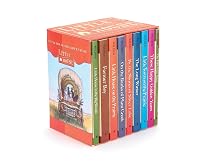
This five-book paperback box set of the classic series features Garth Williams's illustrations in gorgeous full color. The books in the timeless Little House series tell the story of Laura Ingalls Wilder's real childhood as an American pioneer and are cherished by readers of all generations. They offer a unique glimpse into life on the American frontier and tell the heartwarming, unforgettable story of a loving family. Little House in the Big Woods Wolves and panthers and bears roam the deep show more Wisconsin woods in the 1870s. In those same woods, Laura lives with Pa and Ma, and her sisters, Mary and Baby Carrie, in a snug little house built of logs. Pa hunts and traps. Ma makes her own cheese and butter. All night long, the wind howls lonesomely, but Pa plays the fiddle and sings, keeping the family safe and cozy. Farmer Boy As Laura Ingalls is growing up in a little house in Kansas, Almanzo Wilder lives on a big farm in New York. He and his brothers and sisters work hard from dawn to supper to help keep their family farm running. Almanzo wishes for just one thing--his very own horse--but he must prove that he is ready for such a big responsibility. Little House on the Prairie Pa Ingalls decides to sell the little log house, and the family sets out for Indian country! They travel from Wisconsin to Kansas, and there, finally, Pa builds their little house on the prairie. Sometimes farm life is difficult, even dangerous, but Laura and her family are kept busy and are happy with the promise of their new life on the prairie. On the Banks of Plum Creek Laura's family's first home in Minnesota is made of sod, but Pa builds a clean new house made of sawed lumber beside Plum Creek. The money for materials will come from their first wheat crop. Then, just before the wheat is ready to harvest, a strange glittering cloud fills the sky, blocking out the sun. Soon millions of grasshoppers cover the field and everything on the farm. In a week's time, there is no wheat crop left at all. By the Shores of Silver Lake Pa Ingalls heads west to the unsettled wilderness of the Dakota Territory. When Ma, Mary, Laura, Carrie, and baby Grace join him, they become the first settlers in the town of De Smet. And Pa begins work on the first building in what will soon be a brand-new town on the shores of Silver Lake. show lessTags
Recommendations
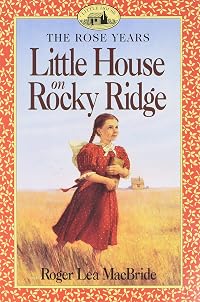
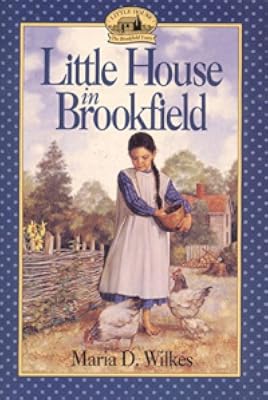
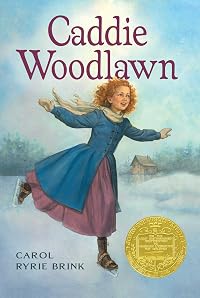
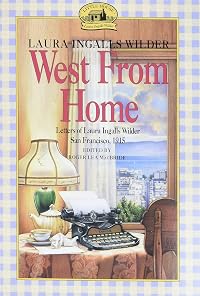


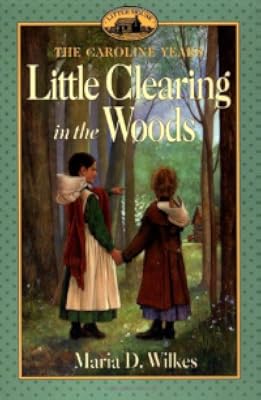
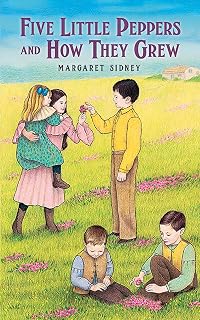
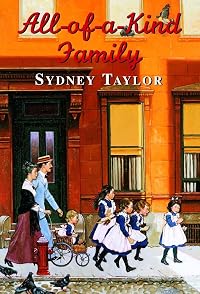
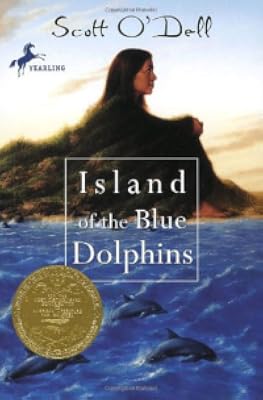
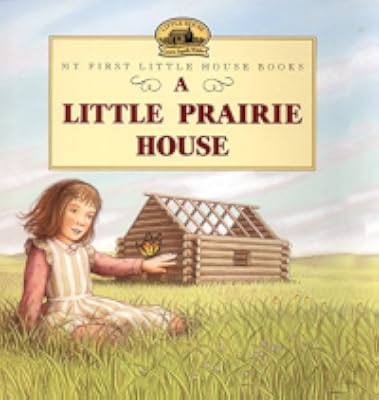
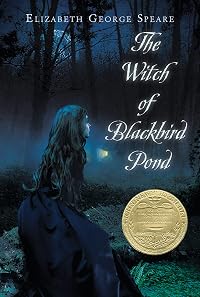
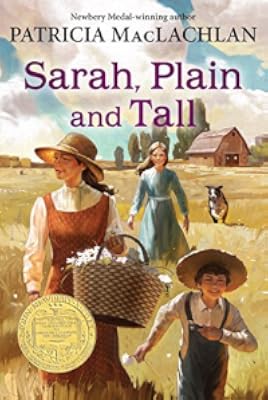
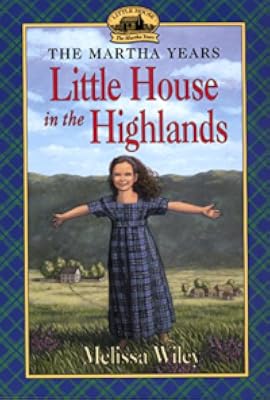
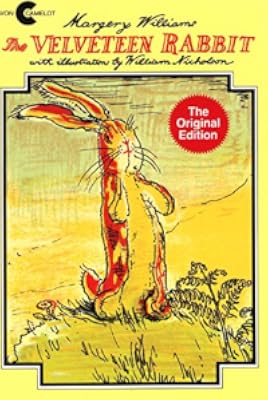
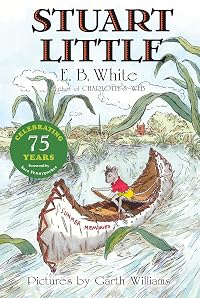
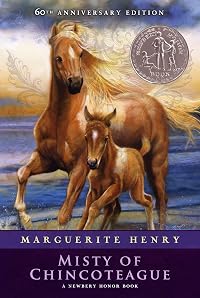
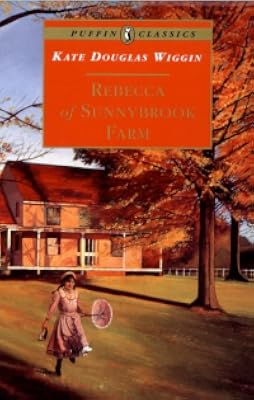
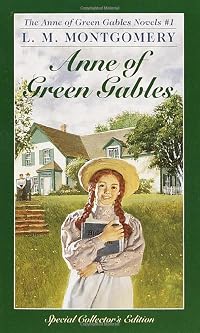
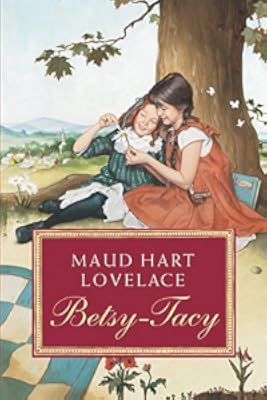
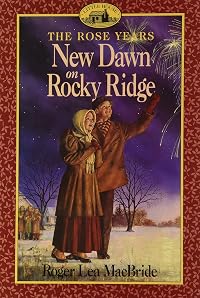

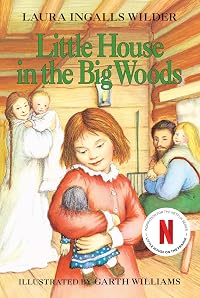

Member Recommendations
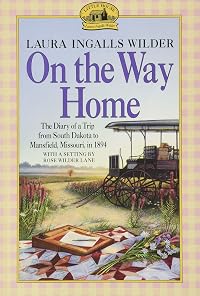
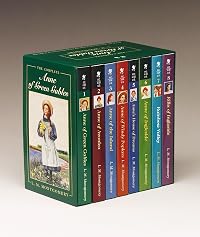
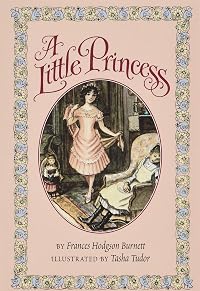
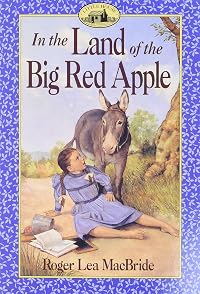
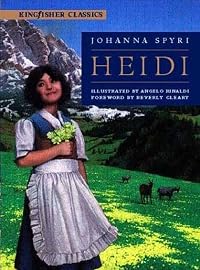
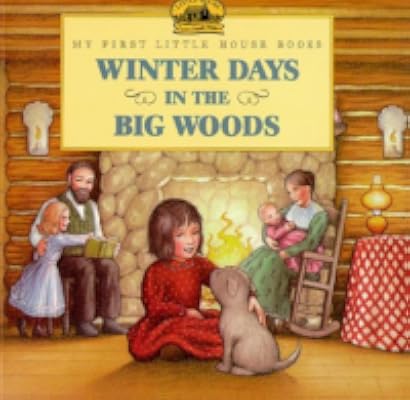
juniperSun Fairly close geographically, they both present the WI pioneer experience from the POV of a young girl, tho different ethnic backgrounds.
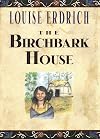
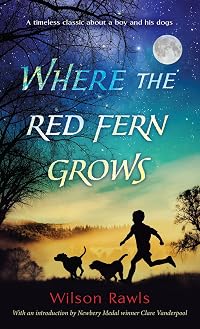
eo206 A Native American Ojibway series about a young girl similar to Laura Ingalls
Member Reviews
I really wish I had read this as a young girl, but sadly, I was the right age for the TV show then and never considered picking up the books. I always thought the show and the books were essentially the same, but as an adult, I understand how rare that truly ever is. Anyway, I had an opportunity to listen to the series' audiobooks and remembered how much I loved the show, so I gave it a go. I loved the audiobooks. The narrator was great--how she sang all those songs still confounds me. The romance was so sweet--something I would have adored as a young reader--but different than the romance portrayed in the TV show. I still couldn't help seeing the books through my memories of the TV show. The actors ARE the characters in my minds; show more there's no way to NOT imagine Melissa Gilbert and Michael Landon as the MCs. And to this day, Dean Butler still makes me swoon.
If nothing else, the books confirmed for me that I could never be a pioneer. There's no question that I'll be one of the first eaten by zombies in the coming apocalypse.... show less
If nothing else, the books confirmed for me that I could never be a pioneer. There's no question that I'll be one of the first eaten by zombies in the coming apocalypse.... show less
I somehow managed to not read these as a child. I am now almost as old as Wilder was when she wrote them. They are a fascinating study of the past, and the lenses through which we see it. The assumptions about a number of things are very different now than then, including punishing children, chores and who does them, gender, class and race, and qualifications to teach. I may give these books to my granddaughters, but not without conversations about those assumptions. I like that she grew up in a loving family.
I recently read this to my young son, and he couldn't get enough. He's a kid who loves nothing more than to spend all day in the woods building forts, so perhaps it's not surprising that he took to this book. It's a marvelous adventure story that left me in awe of the sheer indefatigable competence of this family. The relationship of the family to the natural world--the great prairie that they move to--is fascinating, as is their relationship to the Indians. Then again, "fascinating" did, on a rare occasion, turn into something overtly racist in the case of the Indians. I struggled with what to do about those passages. They were mostly the characters speaking, so one approach would have been to read it and then pause to critique, but I show more wasn't sure my son was quite old enough to appreciate that. So I took the easy way out. I skipped over those passages. I'm still uncertain whether this was the right thing to do. Perhaps in the future we'll revisit this and can have a fuller discussion. show less
After a couple of days immersed in this series for the first time in I don't know how many years, I'm left bemused in a lot of ways.
From a historical standpoint, there's little else out there for kids that is this rich and complete. The everyday details that make up a pioneer life are lovingly dwelt upon in a way that's just far enough removed that even the littlest reader doesn't panic. After all, if they all starved to death in The Long Winter, there wouldn't be a next book, would there?
From a modern, perhaps revisionist standpoint, I was uncomfortable with the hate that boiled out of Ma every time she talked about Indians. I didn't like the way Pa treated his family, the way he got the most potatoes, the way he dragged them from show more pillar to post on a whim. So many of the things I didn't like were cultural and I feel as if I haven't any right to not like them, if that makes any sense. It's the way things were then, and ought to be presented as such. Those who don't remember their history and all that.
I dig the messages about self-sufficiency, I found the descriptions of how to craft houses and furniture and food out of prairie sod and a few cottonwood trees to be fascinating and useful.
But I don't much like the Ingalls family. I haven't a thing in common with any of them, I don't think. I'm walking away for the last time with some fond memories, and that's enough. show less
From a historical standpoint, there's little else out there for kids that is this rich and complete. The everyday details that make up a pioneer life are lovingly dwelt upon in a way that's just far enough removed that even the littlest reader doesn't panic. After all, if they all starved to death in The Long Winter, there wouldn't be a next book, would there?
From a modern, perhaps revisionist standpoint, I was uncomfortable with the hate that boiled out of Ma every time she talked about Indians. I didn't like the way Pa treated his family, the way he got the most potatoes, the way he dragged them from show more pillar to post on a whim. So many of the things I didn't like were cultural and I feel as if I haven't any right to not like them, if that makes any sense. It's the way things were then, and ought to be presented as such. Those who don't remember their history and all that.
I dig the messages about self-sufficiency, I found the descriptions of how to craft houses and furniture and food out of prairie sod and a few cottonwood trees to be fascinating and useful.
But I don't much like the Ingalls family. I haven't a thing in common with any of them, I don't think. I'm walking away for the last time with some fond memories, and that's enough. show less
This is a nice classic, and I read the very first book in this series years ago for school. I will admit that any book I was forced to read for school was not one I enjoyed as much as I could/should have, because of the quizzes, projects, and the like which for most people, would lessen their enjoyment of said book. (I'm sure we all remember that kind of experience!) Even as a major bookworm, required classroom reading always dampened my enthusiasm.
However, I did read the rest of the series on my own through the next few years, and I very much enjoyed the series. As a kid, I did not realize that this was only semi-autobiographical, and I learned years later that some of the real-life events that happened to the Ingalls family had been show more sanitized, or wiped out - no mention of Laura's dead baby brother, or just how Mary became blind (in one book, she can see. In the next, she is blind. No mention of how it happened IIRC) Some of the characters in the series are composites of real-life people, and some of the events are described in a more subjective manner.
Even knowing this, I still think it's a good series for children to read, especially with the illustrations by Garth Williams. Although some of the darkest stuff was cut out of the story, there's still plenty enough difficulties experienced by the Ingallses to make today's average kid appreciate the conveniences they have. Back then, the Ingallses could not just pop by Wal-Mart when they needed something, there were no video games or Netflix for entertainment, no AC/heating system, medicine was very limited especially if you lived in the backcountry, etc etc.
One caveat is that the series was written in the 1930s, and PC was not a thing back then, so there is some derogatory language associated with Native Americans, and there is also a slanted view regarding the government and homesteading. So if you're getting this series for kids, it's important to have a discussion with them about that.
Overall a good series, educational so far as to how difficult life could be in these times, and different cultural/societal norms of the 1870s-1880s. show less
However, I did read the rest of the series on my own through the next few years, and I very much enjoyed the series. As a kid, I did not realize that this was only semi-autobiographical, and I learned years later that some of the real-life events that happened to the Ingalls family had been show more sanitized, or wiped out - no mention of Laura's dead baby brother, or just how Mary became blind (in one book, she can see. In the next, she is blind. No mention of how it happened IIRC) Some of the characters in the series are composites of real-life people, and some of the events are described in a more subjective manner.
Even knowing this, I still think it's a good series for children to read, especially with the illustrations by Garth Williams. Although some of the darkest stuff was cut out of the story, there's still plenty enough difficulties experienced by the Ingallses to make today's average kid appreciate the conveniences they have. Back then, the Ingallses could not just pop by Wal-Mart when they needed something, there were no video games or Netflix for entertainment, no AC/heating system, medicine was very limited especially if you lived in the backcountry, etc etc.
One caveat is that the series was written in the 1930s, and PC was not a thing back then, so there is some derogatory language associated with Native Americans, and there is also a slanted view regarding the government and homesteading. So if you're getting this series for kids, it's important to have a discussion with them about that.
Overall a good series, educational so far as to how difficult life could be in these times, and different cultural/societal norms of the 1870s-1880s. show less
I've read the whole collection over and over throughout my life. It's still utterly absorbing and I can call many details to mind. Buttons on a dress that look like blackberries. Sugar maple candy. A pair of brown boots on a charity Christmas tree. Jack the dog, and all his years of loving service. Pa's fiddle tunes and Mr. Edwards' stories. Nellie Oleson and her china doll--and the leeches. Glass windows (just imagine!) An "Indian" with a really bad weather forecast. A tiny coffee mill, that must never stop grinding wheat, every waking moment. A tunnel from the barn to the house, made entirely of snow. Almanzo and Cap and their impossible (but successful) quest to get wheat. A train with supplies and an early Christmas. A splash of show more stove blacking on the parlor wallpaper (OMG!). A calf or a horse of one's very own. A calling card with a spray of roses. Sleigh bells at the schoolhouse door. A garnet engagement ring. A drawer of flour and a drawer of white sugar and a drawer of cornmeal, all within easy reach (riches!)
It's been a couple of years. I think I need to read through it again. show less
It's been a couple of years. I think I need to read through it again. show less
Man, these are the books that did it for me, the ones that started my love of reading. I can still remember being 7 or 8 years old and staying up way too late, too wrapped up in the story to want to put it down--I guess much hasn't changed with me and reading, I still sacrifice sleep for a good book.I know they're probably not 5 star books, but they are for me--just looking at the covers gives me a nice warm fuzzy squee feeling. I couldn't wait to be able to buy them for my own daughter, I ended up buying them before she could even read--hopefully she'll like them as much as I did.
Members
- Recently Added By
Lists

Favorite Childhood Books
1,646 works; 518 members

Top-Rated Children's Books
87 works; 16 members

Best Children's Books You've Read
197 works; 74 members

Geek Dad Read to Your Kids List
79 works; 4 members

Under The Chinaberry Tree
194 works; 1 member

Favorite Series
238 works; 94 members

Novels featuring siblings
133 works; 8 members

Books About Girls
219 works; 17 members

My favourite books
96 works; 3 members

Favourite books by Female Authors
43 works; 4 members

Favourite Books
50 works; 1 member

Before Austen Comes Aesop
318 works; 9 members

Our Favorite Banned Books
138 works; 122 members

EGBERTINA'S List of childhood books worthy of merit or unspeakable delight
155 works; 6 members

Books We Loved As Children
603 works; 252 members

Favorite Kids Books (chapter, middle grade)
168 works; 4 members
Author Information

Wilder was born near Pepin, Wisconsin; attended school in DeSmet, South Dakota; and became a teacher before she was 16, teaching for seven years in Dakota Territory schools. She and her husband, Almanzo Wilder, farmed near DeSmet for about nine years and then moved to Mansfield, Missouri, where they lived out the rest of their days. Wilder did not show more write her first book, Little House in the Big Woods, about her early years in Wisconsin, until late in life, on the urging of her daughter, Rose Wilder Lane. It was first published in 1932. She followed this with Farmer Boy (1933), a book about her husband's childhood in New York State. She then completed a series of books about her life as she and her family moved westward along the frontier. Little House on the Prairie (1935) records the family's move to Kansas. On the Banks of Plum Creek (1937) describes the family's move to Minnesota. By the Shores of Silver Lake (1939) records the family's move to South Dakota, as do the final three books in the series: The Long Winter, Little Town on the Prairie (1941), and These Happy Golden Years (1943), which ends with her marriage to Almanzo Wilder. Three of Wilder's books were published posthumously: On the Way Home, a diary of her trip to Mansfield; The First Four Years, an unfinished book about her first four years of marriage; and West from Home, letters she wrote on a visit to her daughter in San Francisco, none of them up to the quality of her earlier books. At her best, Wilder employs a clear, simple style, a wealth of fascinating detail, and a straightforward narrative style. Her tales of a strong, traditional frontier family that endures the hardships of the late eighteenth century are seen through the eyes of a child, which endears them to young readers. Her work is possibly the best example of historical realistic fiction for children. (Bowker Author Biography) show less
Some Editions
Series

Little House: The Laura Years
9 works (Collections and Selections — 1-9)

Little House Novels, Chronological Order
4 works (Collections and Selections — )
Belongs to Publisher Series
Library of America (229-230)
Work Relationships
Contains
Inspired
Has as a commentary on the text
Common Knowledge
- Canonical title
- Little Town on the Prairie
- People/Characters
- Laura Ingalls Wilder; Alice Wilder; Almanzo Wilder; Eliza Jane Wilder; Charles Ingalls (Pa Ingalls); Mr. French (show all 16); Caroline Quiner Ingalls; Mr. Edwards; Mary Ingalls; Eva Beadle; Carrie Ingalls; Royal Wilder; Grace Ingalls; Nellie Oleson; Willie Oleson; Rose Wilder Lane
- Important places
- De Smet, South Dakota, USA; Pepin, Wisconsin, USA; Malone, New York, USA
- Disambiguation notice
- This is the complete set of nine books, however published, whether as one volume or nine, separately or in a box, doesn't matter.
DISAGREE this only came up for "Little Town on the Prairie" which is confusing. These are se... (show all)parate books.
Classifications
- Genres
- Children's Books, Fiction and Literature
- DDC/MDS
- 813.52 — Literature & rhetoric American literature in English American fiction in English 1900-1999 1900-1945
- LCC
- PZ7 .W6461 .C667 — Language and Literature Fiction and juvenile belles lettres Fiction and juvenile belles lettres Juvenile belles lettres
- BISAC
Statistics
- Members
- 5,099
- Popularity
- 2,708
- Reviews
- 52
- Rating
- (4.36)
- Languages
- English, Finnish, German, Spanish
- Media
- Paper, Ebook
- ISBNs
- 13
- UPCs
- 4
- ASINs
- 39