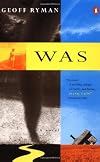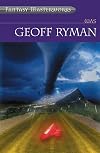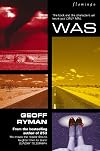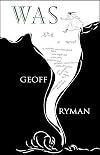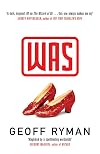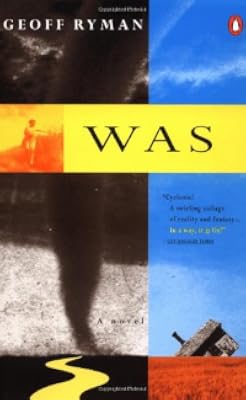
Was
by Geoff Ryman
On This Page
Description
"A moving lament for lost childhoods and an eloquent tribute to the enduring power of art."--The New York Times"Staggeringly original and profound...Extraordinary, wonderful." --Time Out"A startling, stimulating book filled with angels and scarecrows, gargoyles and garlands, vaudeville and violence. Pynchon goes Munchkin, you might say."--Washington Post Book WorldA haunting novel exploring the lives of characters intertwined with The Wizard of Oz: the "real" Dorothy Gale; Judy Garland's show more unhappy fame; and Jonathan, a dying actor, and his therapist, whose work at an asylum unwittingly intersects with the Yellow Brick Road.Geoff Ryman is the author of The King's Last Song, Air, The Child Garden, The Unconquered Country, and Paradise Tales. He has lived in Cambodia and Brazil, and now teaches at the University of Manchester, England. show lessTags
Recommendations





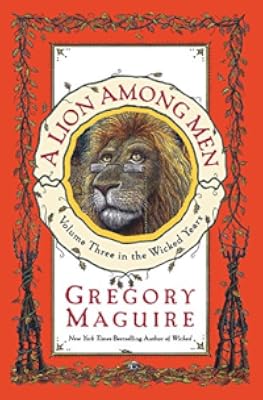
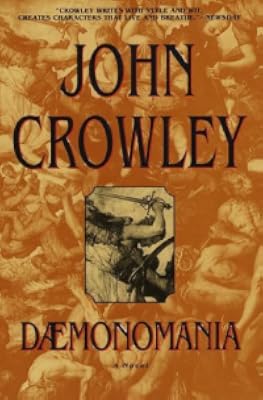
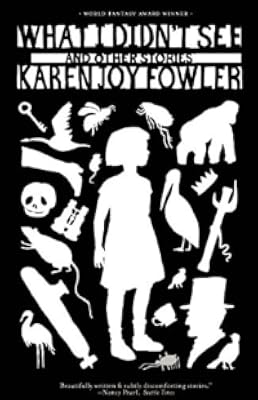
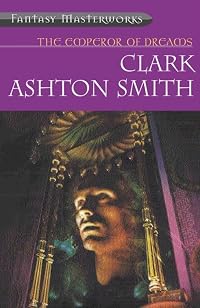
Member Recommendations
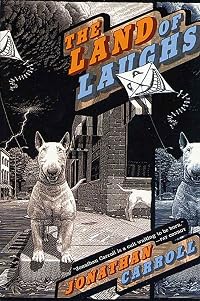
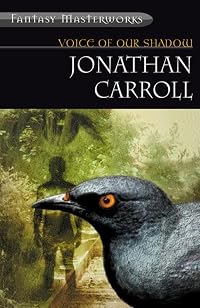
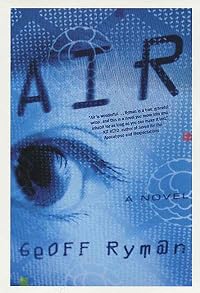
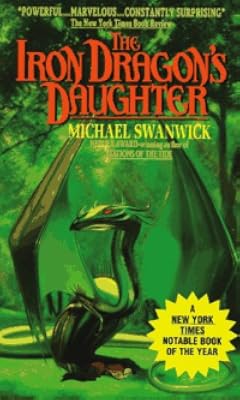
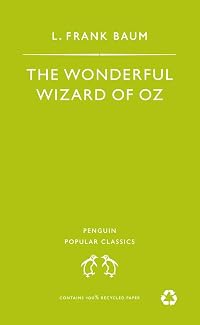
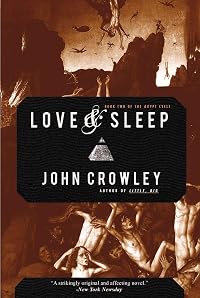
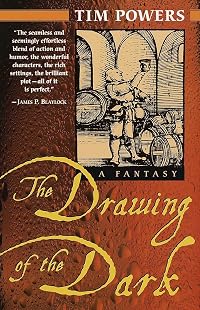
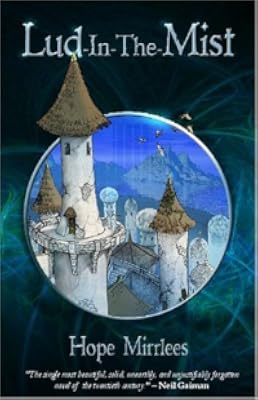
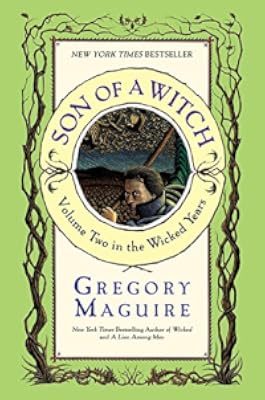
jonathankws More closely related to the original Wizard of Oz book, but still retelling from a different perspective
20

jonathankws A much more Sci-Fi revisionist adaptation of the Wizard of Oz, but still quite dark
21
aulsmith Two dark tales of Hollywood
Member Reviews
This novel is beautiful, disturbing, intriguing, challenging. We are all so familiar with the Wizard of Oz--primarily through the film, but also through the books--that we may think there is nothing new to be said. (Certainly not after Maguire's Wicked came out.) But Geoff Ryman has visualized the real lives of Dorothy, of L. Frank Baum, of Judy Garland (indirectly) and of new characters whose lives are enriched because of the story that each of the others has told. How did Dorothy come to live with her aunt and uncle? Life in a land that was black-and-white was difficult at first, horrendous later. And what happened to her later? I finished reading this novel months ago and scenes still haunt me, both in a positive and a negative show more sense. I admire Ryman's imagination and his prose. show less
9/10
A powerful story, bleak and hopeful in turn, unrelentingly realistic, then suddenly whimsical. The characters are damaged and dysfunctional, yet heroically coping with circumstances beyond their understanding and control, and separated from others by seemingly unbridgeable chasms, yet quixotically making intense connections. Jonathan the actor, Dorothy the orphaned pioneer, and Frances the singer weave the main storylines, supported by key secondary characters who, along with The Wizard of Oz, help tie the threads together. What is past or present? What is history/realty or imagined/fantasy? What is home?
A powerful story, bleak and hopeful in turn, unrelentingly realistic, then suddenly whimsical. The characters are damaged and dysfunctional, yet heroically coping with circumstances beyond their understanding and control, and separated from others by seemingly unbridgeable chasms, yet quixotically making intense connections. Jonathan the actor, Dorothy the orphaned pioneer, and Frances the singer weave the main storylines, supported by key secondary characters who, along with The Wizard of Oz, help tie the threads together. What is past or present? What is history/realty or imagined/fantasy? What is home?
“There’s no place like home.” Most of us remember Judy Garland, as Dorothy in the 1939 movie The Wizard of Oz, wishing herself back to Kansas with that phrase. The stress seems to be on “home” there - but for many people this side of the rainbow, the words “no place” carry the real meaning: no true home, anywhere, for them.
Was tells the stories of four people. All, to various degrees, are affected by adults exploiting a child’s or young adult’s dependency and wish to please. All are asked to live according to others’ aims and needs.
Jonathan, diagnosed with autism as a child in the 1950s, grows into an adult in the 1980s who lives at right angles to other people, never acting as neurotypicals do, even with those he show more loves. (We’d most likely use “Asperger’s,” not autism, today.) The first TV broadcast of The Wizard of Oz in 1956 has a big impact on him.
Bill, as a young man in 1950s Kansas, must grow out of an impulse to conform his life to others’ expectations. His path is the easiest of the four.
We meet Judy Garland first as a child in the 1920s, bearing up much too well under the great emotional investment her parents have made in her, their youngest child, as a sort of saviour of the family. We meet her again during the filming of Wizard, still playing to her audience, on and off camera, at all times.
And, most extensively, we meet the newly parentless, five year old Dorothy Gael, with her dog Toto, arriving in Kansas in 1875, to live with her Aunt Em and Uncle Henry. In Was, Ryman has imagined a fictional little girl who will later meet L. Frank Baum, inspiring him to create the Dorothy of Oz.
But Ryman’s Dorothy lives, not in Baum’s briefly drawn Kansas, but on the real, grim, nineteenth century American prairie. In her life and her neighbors’, all is deprivation, abuse, hardship, exploitation, conformity, and loneliness. Dorothy loses all the precious things of her earliest years, as she is forced to conform to Aunt Em’s beliefs and limitations. Kansas life warps her, as it has warped Em and Henry. The story of her crushed dreams, and the angry, self-destructive ways in which she resists, is almost unbearably sad.
The four stories connect mainly through Jonathan, whose love for the 1939 movie leads him into an acting career. As AIDS closes in on him in 1989, he seeks to learn what he can about Ryman’s Dorothy, seeking, in historical knowledge, in reaching back from Is to Was, a measure of - redemption? Solace?
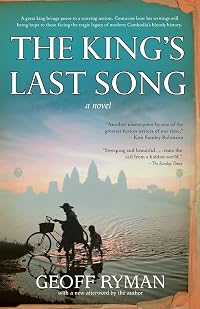
Ryman maintains a motif of emptiness: the emptiness of the Kansas prairie, the vacuum at the center of a tornado, the emptiness of a person living only for others. Here and in The King’s Last Song, he is superb at showing the psychology of an abused person - unparalleled at that among the SF writers I’m familiar with.
But Ryman hits many more notes than that. Minor characters are made vivid in a few words. Humor threads through the sorrow. Even the devouring adults get their due - Aunt Em, in particular, is heir to a proud, abolitionist tradition. Kansas was a crucial battleground between slaveholders and slavery abolitionists in the decade before the American Civil War. Aunt Em eventually proves to have a thoughtful side, beyond her obsessions with her family’s decline.
Ryman is known as a science fiction writer. In this beautiful novel, there is perhaps just a touch of the fantastic. Sadly, the injuries inflicted on children by bad parenting exist in the real world, and are not fixed by clicking one’s heels in ruby slippers. show less
Was tells the stories of four people. All, to various degrees, are affected by adults exploiting a child’s or young adult’s dependency and wish to please. All are asked to live according to others’ aims and needs.
Jonathan, diagnosed with autism as a child in the 1950s, grows into an adult in the 1980s who lives at right angles to other people, never acting as neurotypicals do, even with those he show more loves. (We’d most likely use “Asperger’s,” not autism, today.) The first TV broadcast of The Wizard of Oz in 1956 has a big impact on him.
Bill, as a young man in 1950s Kansas, must grow out of an impulse to conform his life to others’ expectations. His path is the easiest of the four.
We meet Judy Garland first as a child in the 1920s, bearing up much too well under the great emotional investment her parents have made in her, their youngest child, as a sort of saviour of the family. We meet her again during the filming of Wizard, still playing to her audience, on and off camera, at all times.
And, most extensively, we meet the newly parentless, five year old Dorothy Gael, with her dog Toto, arriving in Kansas in 1875, to live with her Aunt Em and Uncle Henry. In Was, Ryman has imagined a fictional little girl who will later meet L. Frank Baum, inspiring him to create the Dorothy of Oz.
But Ryman’s Dorothy lives, not in Baum’s briefly drawn Kansas, but on the real, grim, nineteenth century American prairie. In her life and her neighbors’, all is deprivation, abuse, hardship, exploitation, conformity, and loneliness. Dorothy loses all the precious things of her earliest years, as she is forced to conform to Aunt Em’s beliefs and limitations. Kansas life warps her, as it has warped Em and Henry. The story of her crushed dreams, and the angry, self-destructive ways in which she resists, is almost unbearably sad.
The four stories connect mainly through Jonathan, whose love for the 1939 movie leads him into an acting career. As AIDS closes in on him in 1989, he seeks to learn what he can about Ryman’s Dorothy, seeking, in historical knowledge, in reaching back from Is to Was, a measure of - redemption? Solace?
Ryman maintains a motif of emptiness: the emptiness of the Kansas prairie, the vacuum at the center of a tornado, the emptiness of a person living only for others. Here and in The King’s Last Song, he is superb at showing the psychology of an abused person - unparalleled at that among the SF writers I’m familiar with.
But Ryman hits many more notes than that. Minor characters are made vivid in a few words. Humor threads through the sorrow. Even the devouring adults get their due - Aunt Em, in particular, is heir to a proud, abolitionist tradition. Kansas was a crucial battleground between slaveholders and slavery abolitionists in the decade before the American Civil War. Aunt Em eventually proves to have a thoughtful side, beyond her obsessions with her family’s decline.
Ryman is known as a science fiction writer. In this beautiful novel, there is perhaps just a touch of the fantastic. Sadly, the injuries inflicted on children by bad parenting exist in the real world, and are not fixed by clicking one’s heels in ruby slippers. show less
Not strictly fantasy it has to be said. However, this is one of Ryman's finest novels, pulling together 3 lives which have been affected by the magic of Frank L. Baum and his Wizard of Oz. The settings jump back and forth across a century and the most poignant of all 3 stories, is the "real" life of Dorothy in the late 19th Century, and how her harrowing childhood of abuse, led her to immerse herself in a fantasy world, known only as Oz.
Children. What the world does to children. Cuts them, scars them, imprisons them, destroys them. It was all so terrible as to be a horrible joke, an embarrassment, a subject for comedy, comedy or terror.
I found this book at a used book store, and wouldn't have looked twice at it if it weren't written by Geoff Ryman. After reading the back cover, I almost certainly would have walked away - except Air was so good. So I went ahead and bought it, and resigned myself to reading what was sure to be some moronic story about The Wizard of Oz. And I'm so glad I did, because this book secures Ryman as a fictional genius in my eyes, an author whose books I will now buy no matter what the subject matter.
Was revolves around three separate story show more lines. Dorothy Gael is a young girl in the late 19th century Midwest, orphaned by the death of her parents in St. Louis, and sent off to live a cruel childhood in Kansas with her aunt and uncle. Frances Gumm is a young girl in early 20th century California, whose parents own a small theater. As her parents grow apart due to a family secret, her mother spurs on her life as a child star. And then there is Jonathan, a gay actor in the late 1980's, trying to come to terms with his life and impending death.
Although the novel revolves around The Wizard of Oz, the favored children's story is really just a backdrop. Ryman weaves these stories together in a haunting way to highlight the pain of childhood, the destructive nature of secrets, and the often difficult nature of being who we really are, regardless of what others want us to be. This book was perfection to me - I was horrified reading it, but couldn't put it down. I wouldn't call it a fantasy novel, it is more a piece of literature with strands of magical realism throughout. Ryman is a master, and I won't even consider passing on one of his novels again. show less
I found this book at a used book store, and wouldn't have looked twice at it if it weren't written by Geoff Ryman. After reading the back cover, I almost certainly would have walked away - except Air was so good. So I went ahead and bought it, and resigned myself to reading what was sure to be some moronic story about The Wizard of Oz. And I'm so glad I did, because this book secures Ryman as a fictional genius in my eyes, an author whose books I will now buy no matter what the subject matter.
Was revolves around three separate story show more lines. Dorothy Gael is a young girl in the late 19th century Midwest, orphaned by the death of her parents in St. Louis, and sent off to live a cruel childhood in Kansas with her aunt and uncle. Frances Gumm is a young girl in early 20th century California, whose parents own a small theater. As her parents grow apart due to a family secret, her mother spurs on her life as a child star. And then there is Jonathan, a gay actor in the late 1980's, trying to come to terms with his life and impending death.
Although the novel revolves around The Wizard of Oz, the favored children's story is really just a backdrop. Ryman weaves these stories together in a haunting way to highlight the pain of childhood, the destructive nature of secrets, and the often difficult nature of being who we really are, regardless of what others want us to be. This book was perfection to me - I was horrified reading it, but couldn't put it down. I wouldn't call it a fantasy novel, it is more a piece of literature with strands of magical realism throughout. Ryman is a master, and I won't even consider passing on one of his novels again. show less
Geoff Ryman clearly demonstrates his prowess as a writer with his novel Was. This is a tragic exploration of the Dorothy/Oz culture of L. Frank Baum from both an historical and modern perspective.
Ryman chooses the voice of a fictional inspiration for Baum's story, that of Dorothy Gael, who is orphaned due to a diphtheria epidemic, and is sent to live in Kansas with her Aunt Em and Uncle Henry. That story explores the benign neglect of Dorothy and the eventual destruction of what had been an innocent, intelligent, creative soul under the weight of religious zeal, ignorance, and the inability to control primal needs.
As a counterpoint to that tragedy, Ryman also introduces the character of Jonathan, with whom we journey from his boyhood show more struggle with autism through his tragic demise as an AIDS sufferer.
The story is told with an honest, compelling narrative, beautiful in its delivery, rending in its simplicity. Highly recommended. show less
Ryman chooses the voice of a fictional inspiration for Baum's story, that of Dorothy Gael, who is orphaned due to a diphtheria epidemic, and is sent to live in Kansas with her Aunt Em and Uncle Henry. That story explores the benign neglect of Dorothy and the eventual destruction of what had been an innocent, intelligent, creative soul under the weight of religious zeal, ignorance, and the inability to control primal needs.
As a counterpoint to that tragedy, Ryman also introduces the character of Jonathan, with whom we journey from his boyhood show more struggle with autism through his tragic demise as an AIDS sufferer.
The story is told with an honest, compelling narrative, beautiful in its delivery, rending in its simplicity. Highly recommended. show less
I don’t think many readers will stick around to the end of this dark, depressing, re-imagining of the Wizard of Oz story. It skips back and forth in time between 1) Dorothy Gael, a sexually abused orphan at Aunt Em and Uncle Henry’s homestead in Zeandale, Kansas; 2) Jonathan, a young actor dying of AIDS; 3) Frances Gumm, aka Judy Garland, who has an overbearing stage mother and a father who can’t keep his hands off teenage boys; 4) Bill, a psychologist who treats both an elderly Dorothy and Jonathan.
Dorothy and Jonathan both “check out” and slip mentally into Oz, also known as “Was”, meaning what could have been if they had had a happy life, instead of “Is”, what really happened. I read all the way to the end to find show more out what happened, and I wish I could say it was worth it. show less
Dorothy and Jonathan both “check out” and slip mentally into Oz, also known as “Was”, meaning what could have been if they had had a happy life, instead of “Is”, what really happened. I read all the way to the end to find show more out what happened, and I wish I could say it was worth it. show less
Members
- Recently Added By
Lists

Slipstream or Interstitial Fiction
160 works; 19 members

Magic Realism
371 works; 52 members

Best Books About Plagues and Epidemics
99 works; 17 members

Favourite Books
1,820 works; 316 members

Sense of place
156 works; 13 members

Speculative Fiction: Slipstream Literature
166 works; 16 members
LibraryThingers' 1001 Books You Must Read Before You Die
442 works; 30 members

Parallel Novels
37 works; 6 members

Fantasy Masterworks
66 works; 5 members
Ten Books That Have Stayed With Me
160 works; 30 members

Publishing Triangle 100 Best Lesbian and Gay Novels
97 works; 6 members

real people in fiction circumstances
74 works; 10 members

Five star books
1,767 works; 110 members

Speculative Fiction to Read
706 works; 31 members

All Things Oz
32 works; 2 members

Books Set in Los Angeles
40 works; 8 members

Myth (Reuse and Retelling)
188 works; 24 members
Author Information

48+ Works 4,690 Members
Some Editions
Awards and Honors
Series
Belongs to Publisher Series
Fantasy Masterworks (43)
Work Relationships
Was inspired by
Common Knowledge
- Original title
- Was
- Original publication date
- 1992
- People/Characters
- Dorothy Gale; Judy Garland; L. Frank Baum
- Important places
- Oz; Kansas, USA
- Epigraph
- This is the use of memory: For liberation-not less of love but expanding
Of love beyond desire, and so liberation
From the future as well as the past. Thus, love of a country begins as attachment to our own fi... (show all)eld of action
And comes to find that action of little importance
Thought never indifferent. History may be servitude, History may be freedom
--T.S. Elliott, Four Quarters - Dedication
- Dedicated to It
- First words
- During the spring and summer I sometimes visited the small Norwegian Cemetery on a hgh hill overlooking a long view of the lower Republican Vally.
- Last words
- (Click to show. Warning: May contain spoilers.)And then use them against each other
- Original language
- English
- Canonical DDC/MDS
- 823.914
- Canonical LCC
- PR6068.Y74
Classifications
Statistics
- Members
- 946
- Popularity
- 28,152
- Reviews
- 16
- Rating
- (3.98)
- Languages
- English
- Media
- Paper, Ebook
- ISBNs
- 13
- ASINs
- 7