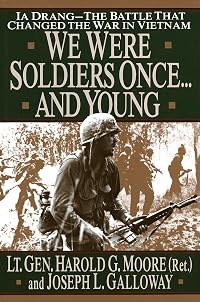
We Were Soldiers Once... and Young: Ia Drang--The Battle That Changed the War in Vietnam
by Harold G. Moore, Joseph L. Galloway
On This Page
Description
In November 1965, some 450 men of the 1st Battalion, 7th Cavalry, under the command of Lt. Col. Hal Moore, were dropped by helicopter into a small clearing in the Ia Drang Valley. They were immediately surrounded by 2,000 North Vietnamese soldiers. Three days later, only two and a half miles away, a sister battalion was chopped to pieces. Together, these actions at the landing zones X-Ray and Albany constituted one of the most savage and significant battles of the Vietnam War. How these men show more persevered-sacrificed themselves for their comrades and never gave up-makes a vivid portrait of war at its most inspiring and devastating. General Moore and Joseph Galloway, the only journalist on the ground throughout the fighting, have interviewed hundreds of men who fought there, including the North Vietnamese commanders. This devastating account rises above the specific ordeal it chronicles to present a picture of men facing the ultimate challenge, dealing with it in ways they would have found unimaginable only a few hours earlier. It reveals to us, as rarely before, man's most heroic and horrendous endeavor. show lessTags
Recommendations











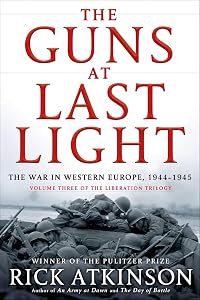
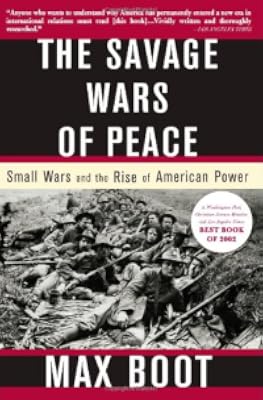
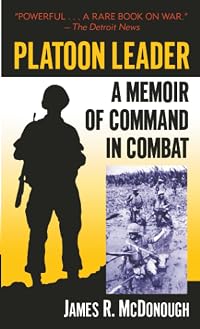
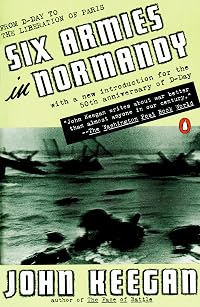
Member Recommendations


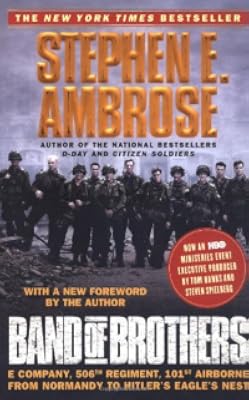
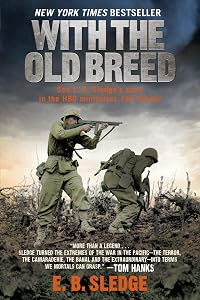
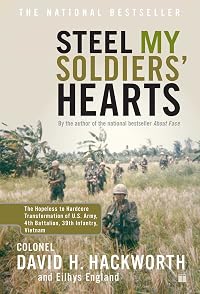
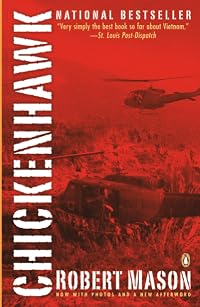
bespen Pournelle and Stiring's work of fiction covers the same ground of small unit tactics and the ties that men form under combat as Moore and Galloway's classic.
bespen Pournelle and Stiring's work of fiction covers the same ground of small unit tactics and the ties that men form under combat as Moore and Galloway's classic.
Member Reviews
This book made the war in Vietnam present again, 45 years later. The best account I have ever read of a battle from the point of view of the men who fought it, backed up with some of the larger details that give context. Moore didn't say as much as he could have, but if you know a bit about the history of the Vietnam War you can fill in the gaps with what he does say. Many of the things the military does today are based on lessons learned from this battle, and others like it.
One of the blurbers described this book as eye-stinging. I can't think of a better word for my emotional reaction. The citizen soldiers who fought at LZ X-Ray and LZ Albany displayed incredible courage and grit. I was struck by the difference between this book and show more books of the wars in Iraq and Afghanistan. The military that fights in the sandbox today is very different than that of the Vietnam War. Many of today's shooters are professionals, career military men who provide structure to an all-volunteer force that is increasingly disengaged with wider society.
Moore's men were a combination of conscripts and volunteers, but they were the best of citizen soldiers, non-professionals who shouldered a tough job for a short time in solidarity with their countrymen. One of the best parts of the book is Moore and Galloway's homage "Where have all the young men gone?". They tracked down as many of the men who fought at Ia Drang as possible, and told their stories after the battle. These were men from every walk of life, so the impact of their lives and deaths was diffused throughout society. This was the last great hurrah of the citizen soldier, and he fought damn well. show less
One of the blurbers described this book as eye-stinging. I can't think of a better word for my emotional reaction. The citizen soldiers who fought at LZ X-Ray and LZ Albany displayed incredible courage and grit. I was struck by the difference between this book and show more books of the wars in Iraq and Afghanistan. The military that fights in the sandbox today is very different than that of the Vietnam War. Many of today's shooters are professionals, career military men who provide structure to an all-volunteer force that is increasingly disengaged with wider society.
Moore's men were a combination of conscripts and volunteers, but they were the best of citizen soldiers, non-professionals who shouldered a tough job for a short time in solidarity with their countrymen. One of the best parts of the book is Moore and Galloway's homage "Where have all the young men gone?". They tracked down as many of the men who fought at Ia Drang as possible, and told their stories after the battle. These were men from every walk of life, so the impact of their lives and deaths was diffused throughout society. This was the last great hurrah of the citizen soldier, and he fought damn well. show less
War is awesome and terrible, and so is We Were Soldier's Once... and Young. One of the blurbs calls this book a monument to the men of the 1/7th Cavalry, and I can think of no better way to describe this book. Opening with a sepia toned reminiscence of the development of Air Mobile tactics and helicopter warfare, the story moves soon enough to Vietnam, where the proud soldiers of the air cavalry would face their greatest test.
Intelligence suggested Viet Cong forces in the Ia Drang valley, but nothing could have prepared the 1/7 for landing almost on top of an North Vietnamese Army base area and 2000 soldiers. For a fraught 24 hours, Colonel Moore brought in more troops, called down a withering cordon of fire support, staved off a show more crushing dawn offensive, and rescued the 'lost platoon' which had become separated in the opening moments of the battle. The second half focuses on the battle of LZ Albany, and the terrible mauling that the 2/7 Cav took leaving the area the following day.
Colonel Moore is a born leader, and this book provides a close up portrait of the kind of selfless dedication and love that men in combat deserve. But while Moore's voice is dominant, he is not alone. Oral histories from hundreds of Ia Drang veterans, including the Vietnamese commanders, rounds out the story of this desperate combat.
I've often said that Vietnam was fractally fucked up, and Ia Drang is a perfect example of that. In the 34 day campaign the Cavalry inflicted a 10:1 kill ratio on the NVA. However, Ia Drang remained Indian Country and the most of the NVA units involved in the battle survived to escape into Cambodia. A well-led American unit with sufficient fire support was essentially invincible in defense, but even a momentary lapse in focus could prove fatal, such as what happened to the 2/7 at Albany. While both sides had the capacity to regenerate their units, in many ways the finely-tuned high morale 7th Cavalry that went into Vietnam could not be sustained by draftees from an increasingly anti-War America. In a microcosm of the whole disaster, hundreds of death notifications were delivered by taxi drivers and Western Union messengers because the Army hadn't realized that families would find the experience traumatic.
This book begins with a list of every American killed during the battle, and that is the ultimate tragedy of war, one repeated throughout the book. [Name] from [Home town] died [in some terrible way]. To compress a life into that brief sentence; to compress hundreds and thousands of lives into that sentence.
Never start a war. show less
Intelligence suggested Viet Cong forces in the Ia Drang valley, but nothing could have prepared the 1/7 for landing almost on top of an North Vietnamese Army base area and 2000 soldiers. For a fraught 24 hours, Colonel Moore brought in more troops, called down a withering cordon of fire support, staved off a show more crushing dawn offensive, and rescued the 'lost platoon' which had become separated in the opening moments of the battle. The second half focuses on the battle of LZ Albany, and the terrible mauling that the 2/7 Cav took leaving the area the following day.
Colonel Moore is a born leader, and this book provides a close up portrait of the kind of selfless dedication and love that men in combat deserve. But while Moore's voice is dominant, he is not alone. Oral histories from hundreds of Ia Drang veterans, including the Vietnamese commanders, rounds out the story of this desperate combat.
I've often said that Vietnam was fractally fucked up, and Ia Drang is a perfect example of that. In the 34 day campaign the Cavalry inflicted a 10:1 kill ratio on the NVA. However, Ia Drang remained Indian Country and the most of the NVA units involved in the battle survived to escape into Cambodia. A well-led American unit with sufficient fire support was essentially invincible in defense, but even a momentary lapse in focus could prove fatal, such as what happened to the 2/7 at Albany. While both sides had the capacity to regenerate their units, in many ways the finely-tuned high morale 7th Cavalry that went into Vietnam could not be sustained by draftees from an increasingly anti-War America. In a microcosm of the whole disaster, hundreds of death notifications were delivered by taxi drivers and Western Union messengers because the Army hadn't realized that families would find the experience traumatic.
This book begins with a list of every American killed during the battle, and that is the ultimate tragedy of war, one repeated throughout the book. [Name] from [Home town] died [in some terrible way]. To compress a life into that brief sentence; to compress hundreds and thousands of lives into that sentence.
Never start a war. show less
I can't fault the intentions of the authors to honor the sacrifices on both sides of this battle, nor their evident dedication to get the facts right. There's a blurb in the back from General Norman Schwarzkopf recommending the book as a corrective to those who view warfare as a video game. If I were a military professional I'd certainly consider this invaluable. But despite the fact this was a bestseller, I don't see this as a book to interest a general reader not particularly fascinated by military stories or the Vietnam War. It doesn't have the intensity and feeling of immediacy of Mark Bowden's Black Hawk Down. To anyone considering joining the armed forces--or any citizen wanting to get a sense that warfare isn't a video game--well show more I'd recommend either the book or film of Black Hawk Down. I'm sure it helps that the Battle of Mogadishu it depicts happened in the age of video and audio recording, with media rolling the cameras and with Bowden able to get very fresh impressions of the encounter from all sides--the book came out only six years after the battle. We Were Soldiers Once which tells of the Battle of Ia Drang in Vietnam in 1965 was written in 1992--decades later. Nevertheless, Stephen Ambrose in his works about World War II (Bands of Brothers among others) manages to be engrossing, insightful and moving. So does Michael Shaara's The Killer Angels about the Battle of Gettysburg during the American Civil War--written over a century later. Harold G. Moore actually commanded a battalion in the field in Ia Drang. His author Joseph L. Galloway, a war correspondent, was there too. But they simply aren't comparable as writers to Bowden, Ambrose or Shaara. Too dry, too technical--the kind of book that makes your eyes glaze over and is a slog to read. show less
Tough going in parts - a bit like Vietnam itself. When I was in grammar school, my best friend for my first two years was the son of a Lt-Col in USAF who was based in England. Years later, when I was visiting Oklahoma, I met him again. I knew he would have been drafted so asked him what he did in the Vietnam War. His elder brother had been a helicopter gunship pilot. He said he had spent his years as an officer in Georgia, conducting funeral details and honor guards at a military airfield for bodies shipped back from Vietnam. As he observed, "There's nothing like doing that in front of grieving relatives for two years to give you a whole new perspective on war." Reading this book gave me a better perspective on what he and his brother show more were doing in 1966. show less
A vivid retelling of a savage series of battles that took place in the early years of the Vietnam War. Moore and Galloway tell things as they happened. The language is very matter-of-fact. That is to say, it's not eloquent, flashy, or super-embellished, they (along with the comments of various other veterans of those battles) just tell you how it was.
It's a gripping read with a very realistic edge to it, and combined with the film "We Were Soldiers" (which only depicts the battle at LZ X-Ray, you come to an understanding of just how brutal and fierce these engagements were.
There were a few points where I did get a bit confused as to who was talking and/or where things were in the chronology of events, but overall, it was easy to show more follow.
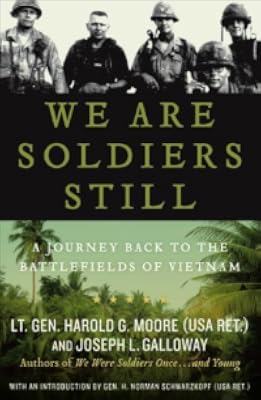
Recommendation: Read this book, then see the film, then read "We Are Soldiers Still". show less
It's a gripping read with a very realistic edge to it, and combined with the film "We Were Soldiers" (which only depicts the battle at LZ X-Ray, you come to an understanding of just how brutal and fierce these engagements were.
There were a few points where I did get a bit confused as to who was talking and/or where things were in the chronology of events, but overall, it was easy to show more follow.
Recommendation: Read this book, then see the film, then read "We Are Soldiers Still". show less
I took alot from this book. I never had a very clear picture of what close combat in vietnam might look like until I read it. The movies (including the one based on this book) never do a very good job of portraying the reality of these situations. I'm sure there are several reasons. If the amount of close in fire support (artillery, air strikes) used by Americans in major engagements were actually portrayed the battle scenes wouldn't be very fun to watch. Hal Moore harps over and over on that being the one thing they had over the enemy, fire support. They were calling in artillery and airstrikes like it was going out of style on an enemy that could do nothing but throw flesh into the firestorm. The amazing thing is that the north show more viatnamese always managed to fight so bravely and consistently against such overwhelming firepower. I heard a statistic that the U.S. dropped a higher tonage in bombs on vietnam than all the beligerents in WW2 combined! At first i thought this was bullshit, but after reading this book I see how it makes since. A unit of a few hundred men in Vietnam could call down hellfire from all directions extremely close in to their positions. The majority of american activity in any set piece battle like this one was dropping overwhelming amounbts of fire from the sky. This was much more difficult or impossible to do in WW2, especially by air.
The book itself gets redundant and by the end I was pretty bored with it. The personal stories while fascinating get real boring by the end when they seem to just repeat themselves. show less
The book itself gets redundant and by the end I was pretty bored with it. The personal stories while fascinating get real boring by the end when they seem to just repeat themselves. show less
Hal Moore is a leader who cares! One can see that in the use of personal information about the men in his unit and the follow up at the end of the book. The book graphically demonstrates that soldiers fight for their buddies and not necessarily for lofty ideals. This was the first air assault engagement by the US Army against the North Vietnamese Army and both sides learned a lot. The North Vietnamese perspective was very good. That said, the reader gets lost in the minutiae and is unable to follow the big picture when he flips back and forth on the myriad and many persons in the book. I skimmed quite a lot--just to get the gist--in those instances. Most interesting to me was the chapter on the impact of the battle from the Army show more perspective and it's impact on the US' political will. I can't imagine, after such an emotional event, briefing the SECDEF, as LTC Moore did and then having your words just go pfffffftttt. This makes a better movie than a book. show less
Members
- Recently Added By
Lists

Books About the Vietnam War
15 works; 6 members

THE WAR ROOM
813 works; 24 members
Author Information

7+ Works 3,197 Members
Harold Gregory Moore Jr. was born in Bardstown, Kentucky on February 13, 1922. He graduated from George Washington University in 1942 and from West Point in 1945. After West Point, he served in the Korean War and in Europe. He was deployed to Vietnam in 1965 and was awarded the Distinguished Service Cross for valor at I Drang. After returning to show more the United States, he was assigned to plan for the withdrawal of troops from Vietnam, commanded Fort Ord in California where he dealt with antiwar demonstrators, and was named the Army's deputy chief of staff for personnel in Washington. He was a lieutenant general when he retired from active duty in 1977. In 1992, he and Joseph L. Galloway wrote We Were Soldiers Once ¿ and Young, which was adapted into a 2002 movie entitled We Were Soldiers starring Mel Gibson. They also wrote We Are Soldiers Still: A Journey Back to the Battlefields of Vietnam. He died on February 10, 2017 at the age of 94. (Bowker Author Biography) show less

4 Works 3,173 Members
Some Editions
Awards and Honors
Awards
Distinctions
Work Relationships
Common Knowledge
- Original publication date
- 1993
- Important places
- Vietnam
- Important events
- Vietnam War
- Related movies
- We Were Soldiers (2002 | IMDb)
- First words
- The small bloody hole in the ground that was Captain Bob Edwards's Charlie Company command post was crowded with men.
- Last words
- (Click to show. Warning: May contain spoilers.)"No one starts a war - or rather, no one in his senses ought to do so - without first being clear in his mind what he intends to achieve by that war and how he intends to conduct it."
- Blurbers
- Sheehan, Neil; Schwarzkopf, Norman; Hackworth, David H.; Geyer, Georgia Ann
- Original language
- English
Classifications
- Genres
- History, Nonfiction, General Nonfiction, Biography & Memoir
- DDC/MDS
- 959.704342 — History & geography History of Asia Southeast Asia: Myanmar, Thailand, Laos, Cambodia, Vietnam Vietnam 1949- 1961–1975 Vietnamese War Military operations and units Land operations
- LCC
- DS557.8 .I18 .M66 — History of Europe, Asia, Africa and Oceania Asia History of Asia Southeast Asia French Indochina Vietnam. Annam Vietnamese Conflict
- BISAC
Statistics
- Members
- 2,905
- Popularity
- 6,219
- Reviews
- 36
- Rating
- (4.10)
- Languages
- Chinese, English, Italian, Spanish
- Media
- Paper, Audiobook, Ebook
- ISBNs
- 33
- UPCs
- 1
- ASINs
- 29