Despised and Rejected
by A. T. Fitzroy
On This Page
Description
"Given the popular and scholarly interest in the First World War it is surprising how little contemporary literary work is available. This five-volume reset edition aims to redress this balance, making available an extensive collection of newly-edited short stories, novels and plays from 1914-19"--Provided by publisher.Tags
Recommendations









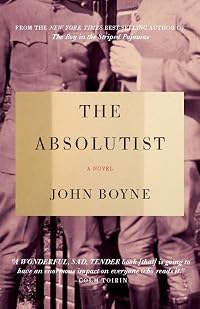





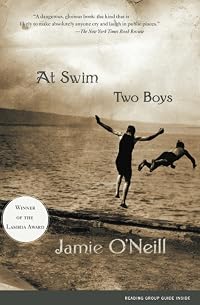


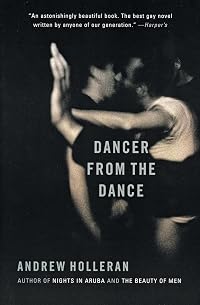







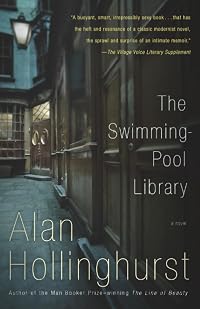










Member Recommendations

Member Reviews
There are so many ideas in Despised and Rejected which still resonate today. While the book was banned for its pacifist themes, much less have been said about how Allatini equates homosexual subjectivity with a defiant rejection of the empire. Dennis and Alan are conscentious objectors because they do not believe in the death-making machine that is war -- but more importantly, also because they are gay men who have been alienated all their life from the masculinist standards which undergird such state-sponsored violence. It is an easy and straightforward choice to make despite the consequences they face. Gay loneliness in this novel is total and suffocating because Dennis and Alan are shunned for their anti-war beliefs as well as their show more sexuality.
But Allatini constantly portrays the pride that Dennis and Alan have in who they are and the novel isn't sadistically tragic, unlike many others of its time. In fact, through the character of Antoinette, a lesbian, Allatini writes with tenderness the experience of love without stigma; Antoinette has never once thought that her feelings for Hester is wrong until presented with Dennis' struggle with his own sexuality. Even then, she cannot understand and doesn't feel anything wrong with who she is. It's really refreshing to see lesbian identity written with such joy and innocence. I may not like the weird obsession that Antoinette has with Dennis toward the end of the novel but I think it can interpreted as a deep, understated desire for belonging that she can't get from her traditional family. It is for this reason that she supports Dennis and joins the pacifist cause. I also appreciate that these gay characters are artists who speak openly about the importance of art and beauty - Allatini has a lot to say about significance of art in a time when it is seen as "useless" to war profiteers. Honestly there is so much in this that surprised and touched me.
— "The governments of the big nations organise warfare with the same end in view - extension of power; consolidation of empire; commercial and political advantages ... Dennis would not give himself up to become part of the machinery that organised the murder of individuals by individuals who had no personal quarrel with each other. Even greater than his repugnance to the great war game as a whole, greater even than his revolt against the senselessness of it, was his fear of being sent out to inflict death or wounds on others, deliberately to maim and shatter the bodies of men as young as himself, of men as young as Alan."
— "We're disinherited from legitimate ways of happiness, you and I. What do they know of the continual struggle to be decent, and to keep decent, with something always tugging you the other way? They don't know the ghastliness of having to pretend to be as normal as they, and all the while to be stifling and supressing the most vital side of yourself - the love-side. I'm twenty-six, Antoinette, and I've known, or almost known ever since I was fifteen; and in all those eleven years I've never told a soul." show less
But Allatini constantly portrays the pride that Dennis and Alan have in who they are and the novel isn't sadistically tragic, unlike many others of its time. In fact, through the character of Antoinette, a lesbian, Allatini writes with tenderness the experience of love without stigma; Antoinette has never once thought that her feelings for Hester is wrong until presented with Dennis' struggle with his own sexuality. Even then, she cannot understand and doesn't feel anything wrong with who she is. It's really refreshing to see lesbian identity written with such joy and innocence. I may not like the weird obsession that Antoinette has with Dennis toward the end of the novel but I think it can interpreted as a deep, understated desire for belonging that she can't get from her traditional family. It is for this reason that she supports Dennis and joins the pacifist cause. I also appreciate that these gay characters are artists who speak openly about the importance of art and beauty - Allatini has a lot to say about significance of art in a time when it is seen as "useless" to war profiteers. Honestly there is so much in this that surprised and touched me.
— "The governments of the big nations organise warfare with the same end in view - extension of power; consolidation of empire; commercial and political advantages ... Dennis would not give himself up to become part of the machinery that organised the murder of individuals by individuals who had no personal quarrel with each other. Even greater than his repugnance to the great war game as a whole, greater even than his revolt against the senselessness of it, was his fear of being sent out to inflict death or wounds on others, deliberately to maim and shatter the bodies of men as young as himself, of men as young as Alan."
— "We're disinherited from legitimate ways of happiness, you and I. What do they know of the continual struggle to be decent, and to keep decent, with something always tugging you the other way? They don't know the ghastliness of having to pretend to be as normal as they, and all the while to be stifling and supressing the most vital side of yourself - the love-side. I'm twenty-six, Antoinette, and I've known, or almost known ever since I was fifteen; and in all those eleven years I've never told a soul." show less
I found out about this book in Paul Hammond's wonderful Love between Men in English Literature (these days I own a second-hand copy myself but at the time it was a copy borrowed from uni library) and desperately wanted to read it. Library searches didn't produce any results so I turned to Amazon UK and bought a copy from the Marketplace.
The foreword to the GMP edition summarises the history of the novel (it was banned shortly after publication in 1918, because of the pacifist content, but apparently the novel's sympathetic treatment of gay and lesbian characters did not feature in the trial) and the little what is known about the writer, Rose Allatini.
The foreword to the GMP edition summarises the history of the novel (it was banned shortly after publication in 1918, because of the pacifist content, but apparently the novel's sympathetic treatment of gay and lesbian characters did not feature in the trial) and the little what is known about the writer, Rose Allatini.
Ratings
Members
- Recently Added By
Lists

Pre-1969 LGBTQ Literature
182 works; 69 members

Books Read in 2018
4,360 works; 110 members

Persephone
148 works; 3 members

Books Read in 2025
4,091 works; 97 members
Author Information

9+ Works 117 Members
Series
Belongs to Publisher Series
Common Knowledge
- Original publication date
- 1918-05-22
- People/Characters
- Dennis Blackwood; Crispin Burgess; Antoinette de Courcy; Alan Rutherford
- Important places
- London, England, UK
- Dedication
- To You Who Made Me Understand
- First words
- "What I like these small places," remarked Mrs. Blackwood as she seated herself at one of the tea-tables in the lounge of the Amberhurst Private Hotel, "is that everybody gets to know everybody else quite informally, and that... (show all) is such a blessing for the young people."
- Last words
- (Click to show. Warning: May contain spoilers.)"Oh, well: people don't think...."
Classifications
Statistics
- Members
- 109
- Popularity
- 297,661
- Reviews
- 3
- Rating
- (4.27)
- Languages
- English
- Media
- Paper, Ebook
- ISBNs
- 6
- ASINs
- 2