Lords of Chaos: The Bloody Rise of the Satanic Metal Underground
by Michael Moynihan, Didrik Søderlind
On This Page
Description
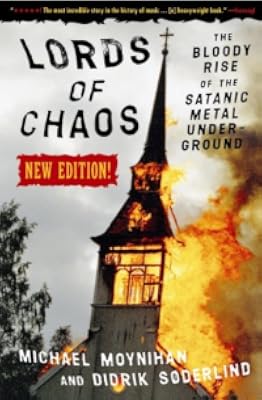
Lords of Chaos focuses on the scene surrounding the extreme heavy metal subgenre black metal in Norway in the early 1990s, with a focus on the string of church burnings and murders that occurred in the country around 1993. A narrative feature film based on this award-winning book has just gone into production.Tags
Recommendations

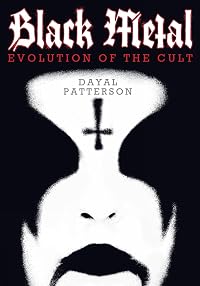

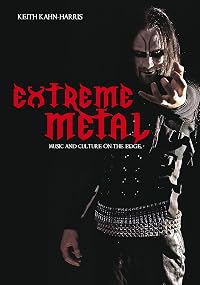













Member Recommendations
Member Reviews
Some may remember it or not, some may know about it or not, but back in the early nineties in Norway several churches were torched by a bunch of youngsters belonging to the Black Metal scene, then a new musical subgenre. A few of those youngsters went even further than arsons, going as far as committing murders. Now, here's an interesting book, offering a deep insight into the violent fringe of what was to constitute, at its core, an extreme musical movement gone mad. I like it, but, as a fan of extreme metal myself ever since I was a teenager (when I was listening mostly to Black Metal in particular) I found two problems in here.
First, and ironically, by focusing on the criminal and violent actions of a few the author is doing exactly show more the same mistake as the ignorant mass media reporting on the topic: he reduces a whole rich and diverse musical scene to a bunch of brainless criminals. Indeed, he is not only exploring the phenomenon of church burnings that had engulfed Norway, but, also, travels abroad to show how, from France to Poland and Germany to the USA, some Black Metal fans would make themselves guilty from grave desecrations to murders, with a fair share given to Neo-Nazis. If it's all very juicy for its gore and shocking value, as a fan of the music I couldn't but be annoyed by such approach. If one wants to talk about Black Metal outside Norway in the nineties, then let's name some proper Black Metal bands and deal with their heritage (eg as a Frenchman, I am thinking about Blut Aus Nord in France...) instead of anonymous idiots, dealt with in here just because of their crass racism and criminal deeds. It's even worse than that, since the author even details murders committed by musicians which, yet, had nothing to do with the music these musicians played (eg Absurd in Germany)! This book, then, surely is sensationalist; but this is not what Black Metal is all about, even if such acts have been crucial in building the nasty reputation of the genre.
Then, and most importantly, as much as I acknowledge the fascinating discussions about the philosophies supposedly underpinning the music (spirituality, politics) I, again as a fan, found it was trying too hard to over-intellectualise and explain what was (and still is for a much younger audience than myself) nothing more than silly teenage rebelliousness. There we go: Heavy Metal is not pop music, it's not here to be conventional, and, pushed to its most extreme as with its most extreme subgenres, its brutality, violence, constant play with taboos topics and dealing with the darkest parts of human nature and psyche will always be appealing and attractive to Romantic, sensitive kids, attracted to a more demanding aesthetic than the mercantile, mediocre, and conformist sh#t sold to them by the money-grabbers of a capitalistic society. This is a given, and yet... Are these kids listening to such extreme music really intelligent, knowledgeable, and well-read to the point of, not only understanding, but being articulate enough to reflect the philosophies outlined in here? I don't think so. Blasting hellish music and wearing T-shirts displaying inverted crosses surely was cool in my silly younger days (and it might surely still be for a younger audience than myself) but it was nothing more than a big f. you to the rest of society, deemed sheepish and stupid. In other word: the so-called 'Satanic' image the author tries so hard to delve into doesn't need to be that much delved into - it was as naïve and cheap as the teenage rebellion it embodied. Nothing less, and nothing more.
Strikingly, this is exactly what the author seem to completely overlook: that the vast majority of the protagonists in here, whose who were arrested for serious crimes, were, at the time of their deeds, nothing more than overgrown teenagers. Now, of course, churches set ablaze and musicians stabbing each others to death are shocking acts (though downright despicable for their utter stupidity) but.. Behind the headlines, the glaring truth is that those White kids dressed in black trench coats and spikes, going 'ARRRGHHHH!' in lame song lyrics preaching violence, when not killing each others and burning churches (in Norway or else) were no different (and no better) than, say, Black kids in a ghetto, wearing their pants down their butts, going 'my nigga yo yo' in a hip hop music as shitty as the gangsta attitude they profess, when (them too) not stabbing and gunning each others down. Be it an extreme fringe of Black Metal (the Inner Circle in Norway) or an extreme fringe of hip hop (the murderous stupidity of gangsta rap) you can try and intellectualise their actions as much as you want, the bottom line is that it's just all juvenile delinquency from misfits teens (boys especially, and interestingly enough...) in search of identity and self-affirmation. Varg Vikernes of Burzum killing Euronymous of Mayhem bears, by the way, strange parallels with the feuds that once plagued Death Row Records in the rap industry... Nothing very original indeed.
This asserted, Lords of Chaos therefore begs the question: how come, then, such over-intellectual interpretations came to be? Ha! This is where people like the author got conned by one of those criminals, a master of propaganda, the media-whore constantly recasting himself: again, Varg Vikernes. The man behind the musical project Burzum, Varg Vikernes had been jailed for the murder of a fellow musician (Euronymous, the guitarist of Mayhem) as well as burning churches. Infamous even within the Black Metal scene he was, in fact, the flag bearer for what had happened in Norway back in the early nineties. The funny thing with him is that, if at the time of his actions he was a Satanist, once locked up behind bars he evolved to become a Neo-Nazi, then a Pagan, then whatever again, changing ideologies as much as he changed his legal names, justifying his actions according to whatever his confused thinking of the moment, and dragging along all whose weak enough to fall under his charisma... And this book is mostly about Varg Vikernes, featuring ample interviews with the guy on top of deep interpretations of his various writings. There you go: in Lords of Chaos you have, besides the juicy crime tales of a bunch of losers, the exposé of a politico-cultural interpretation of a whole musical genre, as seen through the ever-changing lenses of one charismatic musician in particular. Twisted, but popular. No wonder this book was a controversial best-seller.
Sure, it's a fascinating read about a blip, even if a crucial one, in the history of Black Metal music. It is, actually, very engrossing. But one has to bear in mind two important things. First, Black Metal is not Varg Vikernes, no more than Black Metal fans are brainless fanatics. Secondly, by delving into these ex post facto justifications, the author might stumble upon fascinating ideas (is Black Metal a recurrence of pre-Christian European beliefs and aesthetic? Here's an arresting thought...) but, these ideas, no matter how striking, cannot be ascribed to the phenomenon he decided to focus on in here, namely, the church burnings of the early nineties. Don't get me wrong! It's not that such socio-anthropological essays are not relevant to Black Metal music - the genre indeed has come a long way for the past three decades, and, given the prevalence of pagan folklore and traditions within the contemporary scene, such essays and thoughts are without a doubt relevant and worthy of pondering upon for the fans. But, those are constructs coming after the facts, and concerning a whole new scene within the genre. It's very far-fetched indeed to claim, as the author does, that these Norwegian kids who had poured gasoline on churches or killed each others back in 1992-93 were acting with full consciousness of such politico-cultural awareness.
What to make of this book, then? Well, it's a good and enthralling read, but too restrictive when it comes to the music, and too much of an intellectual wanking (pardon my French) when it comes to its cultural explanations. I am glad I finally read it, though, and I still would recommend it to any fan of the genre. show less
First, and ironically, by focusing on the criminal and violent actions of a few the author is doing exactly show more the same mistake as the ignorant mass media reporting on the topic: he reduces a whole rich and diverse musical scene to a bunch of brainless criminals. Indeed, he is not only exploring the phenomenon of church burnings that had engulfed Norway, but, also, travels abroad to show how, from France to Poland and Germany to the USA, some Black Metal fans would make themselves guilty from grave desecrations to murders, with a fair share given to Neo-Nazis. If it's all very juicy for its gore and shocking value, as a fan of the music I couldn't but be annoyed by such approach. If one wants to talk about Black Metal outside Norway in the nineties, then let's name some proper Black Metal bands and deal with their heritage (eg as a Frenchman, I am thinking about Blut Aus Nord in France...) instead of anonymous idiots, dealt with in here just because of their crass racism and criminal deeds. It's even worse than that, since the author even details murders committed by musicians which, yet, had nothing to do with the music these musicians played (eg Absurd in Germany)! This book, then, surely is sensationalist; but this is not what Black Metal is all about, even if such acts have been crucial in building the nasty reputation of the genre.
Then, and most importantly, as much as I acknowledge the fascinating discussions about the philosophies supposedly underpinning the music (spirituality, politics) I, again as a fan, found it was trying too hard to over-intellectualise and explain what was (and still is for a much younger audience than myself) nothing more than silly teenage rebelliousness. There we go: Heavy Metal is not pop music, it's not here to be conventional, and, pushed to its most extreme as with its most extreme subgenres, its brutality, violence, constant play with taboos topics and dealing with the darkest parts of human nature and psyche will always be appealing and attractive to Romantic, sensitive kids, attracted to a more demanding aesthetic than the mercantile, mediocre, and conformist sh#t sold to them by the money-grabbers of a capitalistic society. This is a given, and yet... Are these kids listening to such extreme music really intelligent, knowledgeable, and well-read to the point of, not only understanding, but being articulate enough to reflect the philosophies outlined in here? I don't think so. Blasting hellish music and wearing T-shirts displaying inverted crosses surely was cool in my silly younger days (and it might surely still be for a younger audience than myself) but it was nothing more than a big f. you to the rest of society, deemed sheepish and stupid. In other word: the so-called 'Satanic' image the author tries so hard to delve into doesn't need to be that much delved into - it was as naïve and cheap as the teenage rebellion it embodied. Nothing less, and nothing more.
Strikingly, this is exactly what the author seem to completely overlook: that the vast majority of the protagonists in here, whose who were arrested for serious crimes, were, at the time of their deeds, nothing more than overgrown teenagers. Now, of course, churches set ablaze and musicians stabbing each others to death are shocking acts (though downright despicable for their utter stupidity) but.. Behind the headlines, the glaring truth is that those White kids dressed in black trench coats and spikes, going 'ARRRGHHHH!' in lame song lyrics preaching violence, when not killing each others and burning churches (in Norway or else) were no different (and no better) than, say, Black kids in a ghetto, wearing their pants down their butts, going 'my nigga yo yo' in a hip hop music as shitty as the gangsta attitude they profess, when (them too) not stabbing and gunning each others down. Be it an extreme fringe of Black Metal (the Inner Circle in Norway) or an extreme fringe of hip hop (the murderous stupidity of gangsta rap) you can try and intellectualise their actions as much as you want, the bottom line is that it's just all juvenile delinquency from misfits teens (boys especially, and interestingly enough...) in search of identity and self-affirmation. Varg Vikernes of Burzum killing Euronymous of Mayhem bears, by the way, strange parallels with the feuds that once plagued Death Row Records in the rap industry... Nothing very original indeed.
This asserted, Lords of Chaos therefore begs the question: how come, then, such over-intellectual interpretations came to be? Ha! This is where people like the author got conned by one of those criminals, a master of propaganda, the media-whore constantly recasting himself: again, Varg Vikernes. The man behind the musical project Burzum, Varg Vikernes had been jailed for the murder of a fellow musician (Euronymous, the guitarist of Mayhem) as well as burning churches. Infamous even within the Black Metal scene he was, in fact, the flag bearer for what had happened in Norway back in the early nineties. The funny thing with him is that, if at the time of his actions he was a Satanist, once locked up behind bars he evolved to become a Neo-Nazi, then a Pagan, then whatever again, changing ideologies as much as he changed his legal names, justifying his actions according to whatever his confused thinking of the moment, and dragging along all whose weak enough to fall under his charisma... And this book is mostly about Varg Vikernes, featuring ample interviews with the guy on top of deep interpretations of his various writings. There you go: in Lords of Chaos you have, besides the juicy crime tales of a bunch of losers, the exposé of a politico-cultural interpretation of a whole musical genre, as seen through the ever-changing lenses of one charismatic musician in particular. Twisted, but popular. No wonder this book was a controversial best-seller.
Sure, it's a fascinating read about a blip, even if a crucial one, in the history of Black Metal music. It is, actually, very engrossing. But one has to bear in mind two important things. First, Black Metal is not Varg Vikernes, no more than Black Metal fans are brainless fanatics. Secondly, by delving into these ex post facto justifications, the author might stumble upon fascinating ideas (is Black Metal a recurrence of pre-Christian European beliefs and aesthetic? Here's an arresting thought...) but, these ideas, no matter how striking, cannot be ascribed to the phenomenon he decided to focus on in here, namely, the church burnings of the early nineties. Don't get me wrong! It's not that such socio-anthropological essays are not relevant to Black Metal music - the genre indeed has come a long way for the past three decades, and, given the prevalence of pagan folklore and traditions within the contemporary scene, such essays and thoughts are without a doubt relevant and worthy of pondering upon for the fans. But, those are constructs coming after the facts, and concerning a whole new scene within the genre. It's very far-fetched indeed to claim, as the author does, that these Norwegian kids who had poured gasoline on churches or killed each others back in 1992-93 were acting with full consciousness of such politico-cultural awareness.
What to make of this book, then? Well, it's a good and enthralling read, but too restrictive when it comes to the music, and too much of an intellectual wanking (pardon my French) when it comes to its cultural explanations. I am glad I finally read it, though, and I still would recommend it to any fan of the genre. show less
This book is a veritable goldmine of information on the origins, development and ideology of the second wave of black metal. The first section deals with the musical and thematic predecessors of the scene, running from the birth of the Devil's music in Mississippi Delta blues, through Sabbath and Zeppelin and into the first wave bands like Bathory and Venom. The central section looks at the rise of the key Norwegian second wave bands themselves, focusing on Mayhem and the stories of that band's three central characters: Euronymous, Dead and Count Grishnakh. Grishnakh, or Varg Vikernes, is a particular focus, and much of this section is made up of interviews with the man himself and a detailed exploration of the motives behind his show more actions and those of his contemporaries. The final section pulls back to look at the scenes in other countries, such as Germany, Sweden and Russia, as well as a more abstract assessment of the ideologies at the root of black metal culture. The book overall is very interview-driven, and its assessments of the interviewees' words are mainly objective; only at a few points do the authors' own views creep through. The book is also not really focused on the music itself, looking more at the psychology of the scene and its members, and given its focus on criminal behaviour and extremist thought is not a book for the faint-hearted. However, it is a definite must-read for anyone interested in black metal's dark past, or in the influence of Satanism and paganism on modern culture more generally. show less
Lords Of Chaos details the development of black metal in Norway in the late 80s and early 90s, and the events unfolding during this rise that generated sensationalist media attention. The book gives an interesting though somewhat unhinged account of the history of rock and metal music, focusing primarily on the evil imagery and subject matter of bands such as Led Zeppelin, Black Sabbath, King Diamond, and Venom. The authors also give some analysis to the connection between Scandinavian mythology and black metal music, as it applies to image, aesthetic, and lyrical theme.
Significant space is allowed for intriguing, informative, and sometimes humorous interviews with key figures of the Norwegian underground metal scene, as well as with show more sources outside that circle who shed some light on Satanic philosophies and political ideologies and how and why these are exemplified in this type of music. Through the stories of murder and church burnings, the authors do an effective job of portraying these musicians as reasonably intelligent and aware, if a bit misguided and contradicting in a few cases. Emphasis is placed on sufficient background information regarding cultural ancestry and modern societal climate of the region, to make clear the intentions and passions of these individuals.
The book is essential for any fans of underground metal, particularly Norwegian black metal, as it allows individual personalities to shine through in‑depth interviews with people such as Ihsahn of Emperor, Hellhammer of Mayhem, and Varg Vikernes of Burzum, along with a plethora of rare photos. Detail is given as to the inner workings of bands both in musical development and formation of worldviews. It is also an appealing read for anyone who may not be a fan of extreme metal, but wishes to gain insight into the tempestuous realm of the darkest, most feral, and philosophically inspired strain of heavy metal music ever to exist.
Impressive and refreshing in comparison to most books on metal music, Lords Of Chaos is written by authors who have personal connections with this music, and have a firm understanding of what it means and why it exists, as opposed to outsiders writing about music they fail to understand in any true sense, often leading to misinformed and confused accounts of a traditionally misunderstood music.
"There is no doubt that a vast number of those involved in Black Metal emulate a barbaric image in their appearance and demeanor, statements and lyrics. The music could certainly be similarly described as barbarous by an unwary listener, although it is often complex and beautiful as well"
This simple and obvious statement is one of common knowledge among fans, but for outsiders looking to gain some manner of understanding of music unfamiliar to them, such a passage alone carries more honesty, understanding, and accuracy than the vast number of sources who dare to uncover this music through mainstream exposure.
At times the book is disjointed in its presentation, but any flaws are overridden by the integrity of character the authors succeeded in supplying this book. The story of this music is one that needs to be told, and it needs to be told by those who know, feel, and perhaps even love it. Regardless of one's individual beliefs, the message comes through with alarming clarity that these individuals actually lived their art because they were driven by something beyond music. There is a certain nihilism in an act of collecting pieces of a suicided comrades shattered brain and constructing a necklace from it, and using brain tissue as part of a stew. This nihilism is expressed when members of Mayhem and Burzum speak with indifference about murdered and suicided bandmates. Witness a response from former Emperor drummer Faust to the question of whether or not people were upset after Mayhem vocalist Dead committed suicide:
"People who knew him didn't like it, because he was a good guy. The Mayhem guys were upset because they lost a good vocalist. He was supposed to record the album, so he delayed the whole recording. It was an unfortunate thing, because he was one of the best vocalists, in my opinion."
Such a response communicates an understanding of life that transcends individualistic approaches. It is not the devaluing of life that most would ordinarily perceive it as, but rather an acknowledgment of a broader view of existence that recognizes the universal as possessing greater value than individual components. Faust's emphasis on losing a good vocalist rather than sorrow at losing a friend reflects a greater appreciation for the value of Dead's worth to a collective movement than his individual place as a human being in a world overflowing with such beings.
Understanding this existentialist nihilism is essential to understanding black metal. It is a commonality amongst the statements expressed by each of the interviewees in this book who are part of this movement. Moynihan and Soderlind do an admirable job of bringing these ideologies out of their subjects and research, representing this music as something far more than rebellious teenagers making an angry racket with instruments they can hardly play. These are the modern day warriors, revolutionaries, and philosophical visionaries, fueled by a passion for a better world that leaves most others who would assume themselves to be great minds and leaders of our time baffled and insecure, though their lust for personal profit and image would never allow them to admit as much.
The apex of this read arrives in the interviews with Varg Vikernes (a.k.a. Count Grishnackh), sole personification of Burzum, who murdered his one‑time bandmate and black metal figurehead Oystein Aarseth (a.k.a. Euronymous) of Mayhem. Varg discusses his ideas relating to Vidkun Quisling's philosophy of Universism and his thoughts on the essence of black metal, presenting himself as an intelligent and aware individual who, with the possible exception of Emperor leader Ihsahn, seems to possess a higher intellectual grasp, or at least a more penetrating manner of articulation, of ideologies fundamental to black metal music. In his answer to the question of how grave desecration fits into his ideology, Varg responds: "It's quite simple. They (The Christians) desecrated our graves, or burial mounds, so it's revenge. The people who lie in the graves are the ones who built this society, which we are against. We show them the respect they deserve. I have absolutely no respect for the people who built this society..."
No better story of this movement has been told, and though some mistakes are present throughout, the whole of Lords Of Chaos conveys a depth of understanding and informative awareness making this an enjoyable, engaging, and refreshing read. show less
Significant space is allowed for intriguing, informative, and sometimes humorous interviews with key figures of the Norwegian underground metal scene, as well as with show more sources outside that circle who shed some light on Satanic philosophies and political ideologies and how and why these are exemplified in this type of music. Through the stories of murder and church burnings, the authors do an effective job of portraying these musicians as reasonably intelligent and aware, if a bit misguided and contradicting in a few cases. Emphasis is placed on sufficient background information regarding cultural ancestry and modern societal climate of the region, to make clear the intentions and passions of these individuals.
The book is essential for any fans of underground metal, particularly Norwegian black metal, as it allows individual personalities to shine through in‑depth interviews with people such as Ihsahn of Emperor, Hellhammer of Mayhem, and Varg Vikernes of Burzum, along with a plethora of rare photos. Detail is given as to the inner workings of bands both in musical development and formation of worldviews. It is also an appealing read for anyone who may not be a fan of extreme metal, but wishes to gain insight into the tempestuous realm of the darkest, most feral, and philosophically inspired strain of heavy metal music ever to exist.
Impressive and refreshing in comparison to most books on metal music, Lords Of Chaos is written by authors who have personal connections with this music, and have a firm understanding of what it means and why it exists, as opposed to outsiders writing about music they fail to understand in any true sense, often leading to misinformed and confused accounts of a traditionally misunderstood music.
"There is no doubt that a vast number of those involved in Black Metal emulate a barbaric image in their appearance and demeanor, statements and lyrics. The music could certainly be similarly described as barbarous by an unwary listener, although it is often complex and beautiful as well"
This simple and obvious statement is one of common knowledge among fans, but for outsiders looking to gain some manner of understanding of music unfamiliar to them, such a passage alone carries more honesty, understanding, and accuracy than the vast number of sources who dare to uncover this music through mainstream exposure.
At times the book is disjointed in its presentation, but any flaws are overridden by the integrity of character the authors succeeded in supplying this book. The story of this music is one that needs to be told, and it needs to be told by those who know, feel, and perhaps even love it. Regardless of one's individual beliefs, the message comes through with alarming clarity that these individuals actually lived their art because they were driven by something beyond music. There is a certain nihilism in an act of collecting pieces of a suicided comrades shattered brain and constructing a necklace from it, and using brain tissue as part of a stew. This nihilism is expressed when members of Mayhem and Burzum speak with indifference about murdered and suicided bandmates. Witness a response from former Emperor drummer Faust to the question of whether or not people were upset after Mayhem vocalist Dead committed suicide:
"People who knew him didn't like it, because he was a good guy. The Mayhem guys were upset because they lost a good vocalist. He was supposed to record the album, so he delayed the whole recording. It was an unfortunate thing, because he was one of the best vocalists, in my opinion."
Such a response communicates an understanding of life that transcends individualistic approaches. It is not the devaluing of life that most would ordinarily perceive it as, but rather an acknowledgment of a broader view of existence that recognizes the universal as possessing greater value than individual components. Faust's emphasis on losing a good vocalist rather than sorrow at losing a friend reflects a greater appreciation for the value of Dead's worth to a collective movement than his individual place as a human being in a world overflowing with such beings.
Understanding this existentialist nihilism is essential to understanding black metal. It is a commonality amongst the statements expressed by each of the interviewees in this book who are part of this movement. Moynihan and Soderlind do an admirable job of bringing these ideologies out of their subjects and research, representing this music as something far more than rebellious teenagers making an angry racket with instruments they can hardly play. These are the modern day warriors, revolutionaries, and philosophical visionaries, fueled by a passion for a better world that leaves most others who would assume themselves to be great minds and leaders of our time baffled and insecure, though their lust for personal profit and image would never allow them to admit as much.
The apex of this read arrives in the interviews with Varg Vikernes (a.k.a. Count Grishnackh), sole personification of Burzum, who murdered his one‑time bandmate and black metal figurehead Oystein Aarseth (a.k.a. Euronymous) of Mayhem. Varg discusses his ideas relating to Vidkun Quisling's philosophy of Universism and his thoughts on the essence of black metal, presenting himself as an intelligent and aware individual who, with the possible exception of Emperor leader Ihsahn, seems to possess a higher intellectual grasp, or at least a more penetrating manner of articulation, of ideologies fundamental to black metal music. In his answer to the question of how grave desecration fits into his ideology, Varg responds: "It's quite simple. They (The Christians) desecrated our graves, or burial mounds, so it's revenge. The people who lie in the graves are the ones who built this society, which we are against. We show them the respect they deserve. I have absolutely no respect for the people who built this society..."
No better story of this movement has been told, and though some mistakes are present throughout, the whole of Lords Of Chaos conveys a depth of understanding and informative awareness making this an enjoyable, engaging, and refreshing read. show less
I've been looking forward to reading this for years, and only just got round to it. I think it's fair to say I got more pleasure out of the looking forward to than I did from actually reading it. The prose and editing are as bad as you'd expect in a Feral House book; I feel quite comfortable saying my freshman comp students could have given this a quick once over and made it as least twice as readable. The core story of the book - the origins and rise of Scandinavian black metal and the crimes committed by that scene's members - is fascinating and fairly well told, although the interminable interviews the authors throw in to every chapter make for painful reading. Only a fanboy could possibly care what the drummer of some random band show more thinks, especially when they all think more or less the same thing.
Once they move on from that story, though, the book turns to pulp: the authors' *ridiculous* sub-jungian musings couldn't even be of interest to the kind of people who attend seances; the stories and interviews with copy-cat criminal metalheads add literally nothing to the first half of the book; and the closing chapters, detailing a range of mediocre musicians across the world, are worse than pointless. There are some amazing black metal records, but you'd never know it from this book.
On the upside, Moynihan and Soderlind avoid moralizing, and the photos are worth the price of the book. What did I learn from this book? The only thing more ridiculous than a person who acts exactly like everyone else is a person who spends all their time trying to act exactly unlike everyone else. Bow down to the dark lord of pathetic, adolescent rebellion! show less
Once they move on from that story, though, the book turns to pulp: the authors' *ridiculous* sub-jungian musings couldn't even be of interest to the kind of people who attend seances; the stories and interviews with copy-cat criminal metalheads add literally nothing to the first half of the book; and the closing chapters, detailing a range of mediocre musicians across the world, are worse than pointless. There are some amazing black metal records, but you'd never know it from this book.
On the upside, Moynihan and Soderlind avoid moralizing, and the photos are worth the price of the book. What did I learn from this book? The only thing more ridiculous than a person who acts exactly like everyone else is a person who spends all their time trying to act exactly unlike everyone else. Bow down to the dark lord of pathetic, adolescent rebellion! show less
Il libro ripercorre per sommi capi la genesi del Black Metal, dalla sua nascita in Inghilterra, fino al suo completo sviluppo in Norvegia; passando attraverso tutti i fatti di sangue noti ai più.
In realtà la bellezza del libro, che è anche la motivazione del mio voto, non è tanto nella cronaca ormai conosciuta delle chiese bruciate o di chi ha ucciso chi, quanto più negli approfondimenti tramite le interviste dei personaggi più in vista dell'epoca e alcuni articoli scritti da sociologi che hanno analizzato il fenomeno.
Un libro davvero interessante e ben fatto.
In realtà la bellezza del libro, che è anche la motivazione del mio voto, non è tanto nella cronaca ormai conosciuta delle chiese bruciate o di chi ha ucciso chi, quanto più negli approfondimenti tramite le interviste dei personaggi più in vista dell'epoca e alcuni articoli scritti da sociologi che hanno analizzato il fenomeno.
Un libro davvero interessante e ben fatto.
The book is an interesting read on the history of Black Metal and initially does a fine job of exploring the early ties of speed/thrash/heavy metal on the genre. The backstory of those involved is equally exciting to read the establishment of the scene and those notable members in Norwegian Black Metal.
Eventually though it seems to come to a cross road of Satanic and Nationalist/Racist ideologies and goes spinning off the road. While there is certainly a intersection and members of the community which espouse these beliefs, it seems to become the primary focus of the book for a log stretch and also follows Varg Virkenes (an early member of the Black Circle) well beyond his influence over Black Metal and into his later beliefs of heathen show more and nazi philosophies. The focal point seems to shift and never quite get back on track.
Later in the book, there seems to be much emphasis on crimes committed by other fans of the music and a finger pointed towards it as a catalyst to these crimes and a future of inspired world overthrowing chaos it may cause.
Still overall an interesting read for what it was. show less
Eventually though it seems to come to a cross road of Satanic and Nationalist/Racist ideologies and goes spinning off the road. While there is certainly a intersection and members of the community which espouse these beliefs, it seems to become the primary focus of the book for a log stretch and also follows Varg Virkenes (an early member of the Black Circle) well beyond his influence over Black Metal and into his later beliefs of heathen show more and nazi philosophies. The focal point seems to shift and never quite get back on track.
Later in the book, there seems to be much emphasis on crimes committed by other fans of the music and a finger pointed towards it as a catalyst to these crimes and a future of inspired world overthrowing chaos it may cause.
Still overall an interesting read for what it was. show less
The story is interesting but if what you care about is the crime and the murder - I would highly suggest a different medium. This book is a bit long and spends over half of its length talking about (in my opinion) less interesting things. Also I understand we want to interview people involved but they just let Varg spout his ideas and lies throughout a large portion of the book. They do call it out sometimes but I needed more involvement into looking at these claims. At the end of the day - it’s a bunch of a losers call other people losers so they don’t feel like losers
Members
- Recently Added By
Lists

Weirdo Nonfiction
138 works; 3 members

Books Read in 2022
5,226 works; 115 members
Author Information

9+ Works 1,248 Members
1 Work 827 Members
Awards and Honors
Awards
Common Knowledge
- Canonical title
- Lords of Chaos: The Bloody Rise of the Satanic Metal Underground
- Original title
- Lords of chaos : the bloody rise of the satanic metal underground
- Original publication date
- 1998
- People/Characters
- Varg Vikernes; Euronymous; Øystein Aarseth; The Electric Hellfire Club; Thomas Thorn
- Important places
- Norway
- Related movies
- Lords of Chaos (2018 | IMDb)
- Disambiguation notice
- Do not combine the original edition (1998) with the new, expanded edition (2003). The content is different.
Classifications
Statistics
- Members
- 827
- Popularity
- 33,434
- Reviews
- 14
- Rating
- (3.67)
- Languages
- 7 — English, Finnish, French, German, Italian, Polish, Spanish
- Media
- Paper, Audiobook, Ebook
- ISBNs
- 10
- ASINs
- 2