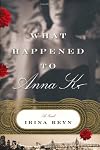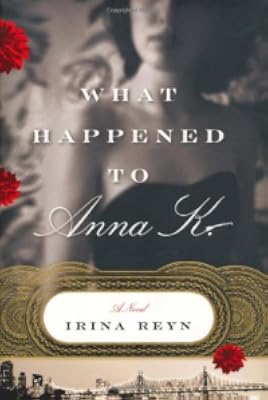
What Happened to Anna K.: A Novel
by Irina Reyn
On This Page
Description
Vivacious thirty-seven-year-old Anna K. is comfortably married to Alex, an older, prominent businessman from her tight-knit Russian-Jewish immigrant community in Queens. But a longing for freedom is reignited in this bookish, overly romantic, and imperious woman when she meets her cousin Katia Zavurov's boyfriend, an outsider and aspiring young writer on whom she pins her hopes for escape. As they begin a reckless affair, Anna enters into a tailspin that alienates her from her husband, show more family, and entire world.In nearby Rego Park's Bukharian-Jewish community, twenty-seven-year-old pharmacist Lev Gavrilov harbors two secret passions: French movies and the lovely Katia. Lev's restless longing to test the boundaries of his sheltered life powerfully collides with Anna's. But will Lev's quest result in life's affirmation rather than its destruction?Exploring struggles of identity, fidelity, and community, What Happened to Anna K. is a remarkable retelling of the Anna Karenina story brought vividly to life by an exciting young writer. show lessTags
Recommendations



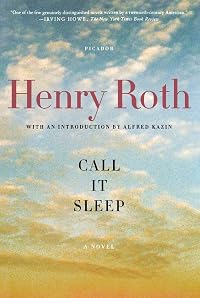
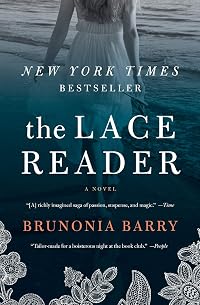
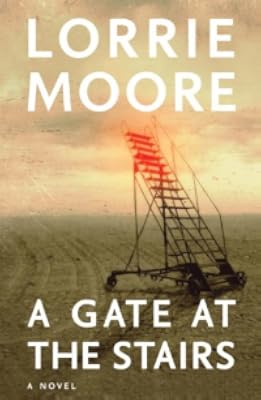
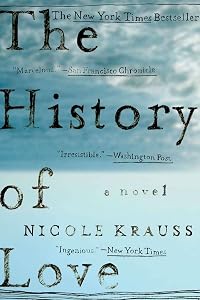


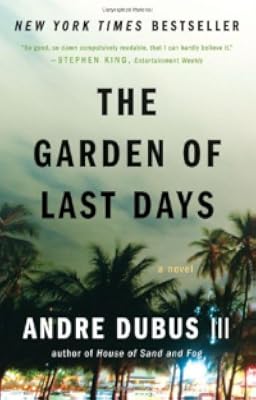
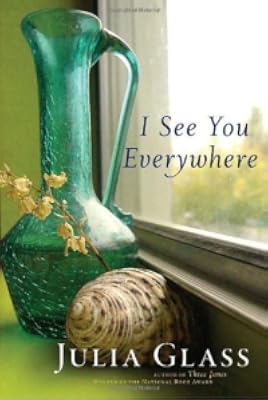
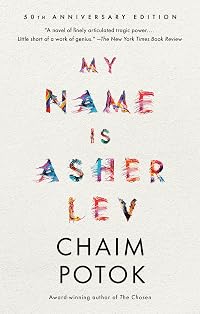
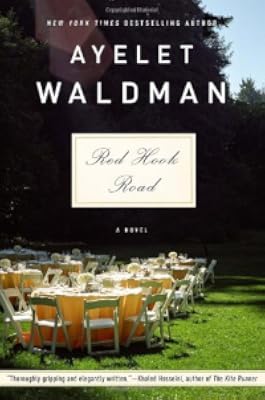






Member Recommendations
sparemethecensor Irina Reyn updates the classic _Anna Karenina_ to the Russian diaspora of New York City.
Member Reviews
If you've read Tolstoy's Anna Karenina, you know very well what happend to Anna K. That, however, didn't detract from this beautifully written novel one bit.
Anna K. marries an older man early in this novel. After becoming a mother, she falls deeply in love with her counsin's boyfriend. She then makes a series of choices that ultimately lead to her downfall.
Irina Reyn has set this story, which shares the basic plot of Anna Karenina, in modern day New York City. The story unfolds in a close-knit community of Russian immigrants. In this way, the author captures not only a classic story of depression and self-destruction, but a very contempory story of maintaining one's culture surrounded by all the social and material trappings of the show more "American dream".
The main characters in Ms. Reyn's novel are shown in fine detail, and even the glimpses provided into the lives and hearts of secondary characters are finely drawn to create a well-rounded picture of life in this immigrant community. Even had Anna Karenina never been written, this novel would stand as a compelling story. show less
Anna K. marries an older man early in this novel. After becoming a mother, she falls deeply in love with her counsin's boyfriend. She then makes a series of choices that ultimately lead to her downfall.
Irina Reyn has set this story, which shares the basic plot of Anna Karenina, in modern day New York City. The story unfolds in a close-knit community of Russian immigrants. In this way, the author captures not only a classic story of depression and self-destruction, but a very contempory story of maintaining one's culture surrounded by all the social and material trappings of the show more "American dream".
The main characters in Ms. Reyn's novel are shown in fine detail, and even the glimpses provided into the lives and hearts of secondary characters are finely drawn to create a well-rounded picture of life in this immigrant community. Even had Anna Karenina never been written, this novel would stand as a compelling story. show less
Impressive debut novel! Taking inspiration from Tolstoy's Anna Karenina, Irina Reyn brings Anna's character into the 21st century. In Reyn's imagination, Anna is a Russian-Jewish immigrant living in New York. In a comfortable marriage to an older man, Anna feels restless and unfulfilled, and begins a reckless affair with her cousin Katya's boyfriend.
I loved absolutely everything about this novel - from the mesmerizing descriptions, to novel's tragic sense of humor and the hopeless characters. Being a Russian immigrant myself, and having dated Bukharian men, I constantly found myself thinking, "Yes! This is exactly how things work!" while reading the book. Reyn's chapter on the "Great Russian Soul" was priceless; her take on the show more Jewish-Russian immigrants in NYC and the Bukharian community was dead-on.
This is not a happy-ending novel; the characters can be thought of as hopeless, self-centered, and to have no redeeming qualities. However, that was part of the novel's appeal. I've found that there are few books that stay away from the cliche everything-works-out endings, and Reyn was definitely not afraid to take that chance. A stellar debut on all counts! show less
I loved absolutely everything about this novel - from the mesmerizing descriptions, to novel's tragic sense of humor and the hopeless characters. Being a Russian immigrant myself, and having dated Bukharian men, I constantly found myself thinking, "Yes! This is exactly how things work!" while reading the book. Reyn's chapter on the "Great Russian Soul" was priceless; her take on the show more Jewish-Russian immigrants in NYC and the Bukharian community was dead-on.
This is not a happy-ending novel; the characters can be thought of as hopeless, self-centered, and to have no redeeming qualities. However, that was part of the novel's appeal. I've found that there are few books that stay away from the cliche everything-works-out endings, and Reyn was definitely not afraid to take that chance. A stellar debut on all counts! show less
Modern day Anna Karenina? Quite a daring idea, to say the least. In "Acknowledgments", the author writes that her novel "would doubtlessly appall" Lev Tolstoy, and I admire her humility in saying that. To me, though, it seemed that Ms.Reyn used Anna's story just as a skeleton of sorts to build around - to tell the story of recent Russian Jewish immigrants in New York, which she did with perfection, a sharp eye for detail and for nuances of their transition. As for Anna's tragedy, it did make me want to re-read Tolstoy, rather urgently, and see how much of Anna's soul is in this book. Self-absorption leads to self-destruction...
I'm ambivalent about this book. It was a really interesting story about the culture of Russian immigrants and Jews. There was really only one person that I could say wasn't deeply flawed. The book was a well-written study of human character and relationships.
I have never read "Anna Karenina" so I wasn't sure what to expect when I started reading "What Happened to Anna K" which was billed as a reinterpretation of this Tolstoy classic. But in the end I don't think it mattered that I had not read the original--this book was mesmerizing. I couldn't put it down, and at the end of this tragic story I was left contemplating larger issues of female happiness and depression driven by society's demands.
"What Happened" tells the story of Anna K. a Russian Immigrant in her late-30s who is unmarried at the beginning of the novel. Anna marries, then falls in love with another man, then makes a series of choices that tear her life apart. It is heartbreaking to read of these choices Anna makes, but it is show more also easy to identify with the feelings that drive her in the reckless directions dictated by her feelings. Although the novel focuses specifically on the Russian immigrant experience in Rego Park, Queens, I think the story has broader appeal to all women. Anna's end is tragic--I should have expected it after reading a synopsis of "Anna Karenina" online--but the novel keeps you reading right to the end.
I would recommend this book to anyone who enjoys reinterpretations of classic literature. This book is full of illusions to other works and is overall very literary. I thought it was a powerful work--well worth a late summer read. show less
"What Happened" tells the story of Anna K. a Russian Immigrant in her late-30s who is unmarried at the beginning of the novel. Anna marries, then falls in love with another man, then makes a series of choices that tear her life apart. It is heartbreaking to read of these choices Anna makes, but it is show more also easy to identify with the feelings that drive her in the reckless directions dictated by her feelings. Although the novel focuses specifically on the Russian immigrant experience in Rego Park, Queens, I think the story has broader appeal to all women. Anna's end is tragic--I should have expected it after reading a synopsis of "Anna Karenina" online--but the novel keeps you reading right to the end.
I would recommend this book to anyone who enjoys reinterpretations of classic literature. This book is full of illusions to other works and is overall very literary. I thought it was a powerful work--well worth a late summer read. show less
The first question most people probably have about What Happened to Anna K.: is it necessary to read Leo Tolstoy's Anna Karenina first? Yes and no. This novel's story stands on its own; no real background is needed in order to understand the storyline. However, half the fun for me in reading this book was to compare it to the original and discern where Reyn found her inspiration. After all, Anna Karenina is almost four times the size of What Happened to Anna K. Obviously, Reyn chose to cut a lot out of her version.
Most of what was cut were subplots; Reyn was obviously trying to keep the focus on Anna, as well as on Lev and Katia. Anna is a very tragic character; in Tolstoy's novel, it is clear she is a depressive and doesn't exactly show more understand the nature of love. Reyn's Anna is also depressed, but she seemed more difficult to sympathize with. She is very materialistic and never happy with what is in front of her. She seems to be very shallow and needs to be the center of attention at all times. It was pretty difficult to like her, but the question is, is that the point? Are we really supposed to like her?
The writing in What Happened to Anna K. is absolutely beautiful; Reyn is exceptionally talented and the story is very smooth. Adapting a novel such as Anna Karenina is a difficult task, and Reyn handles it better than expected. Though the storyline doesn't translate as well to modern times, Reyn's writing keeps the reader on a steady pace.
I thought the added cultural element of Russian Jews was very interesting. It provided a uniqueness to the story and gave the reader insight into a foreign culture. The story was more easily adaptable to the twentieth century through this lens - a tight-knit community where divorce is still frowned upon.
So, what's the verdict? If you've read and enjoyed Anna Karenina (as I have), then I definitely think this is a book worth reading. If not, it's no substitute for reading the original. I look forward to seeing what Irina Reyn does next!
From S. Krishna's Books show less
Most of what was cut were subplots; Reyn was obviously trying to keep the focus on Anna, as well as on Lev and Katia. Anna is a very tragic character; in Tolstoy's novel, it is clear she is a depressive and doesn't exactly show more understand the nature of love. Reyn's Anna is also depressed, but she seemed more difficult to sympathize with. She is very materialistic and never happy with what is in front of her. She seems to be very shallow and needs to be the center of attention at all times. It was pretty difficult to like her, but the question is, is that the point? Are we really supposed to like her?
The writing in What Happened to Anna K. is absolutely beautiful; Reyn is exceptionally talented and the story is very smooth. Adapting a novel such as Anna Karenina is a difficult task, and Reyn handles it better than expected. Though the storyline doesn't translate as well to modern times, Reyn's writing keeps the reader on a steady pace.
I thought the added cultural element of Russian Jews was very interesting. It provided a uniqueness to the story and gave the reader insight into a foreign culture. The story was more easily adaptable to the twentieth century through this lens - a tight-knit community where divorce is still frowned upon.
So, what's the verdict? If you've read and enjoyed Anna Karenina (as I have), then I definitely think this is a book worth reading. If not, it's no substitute for reading the original. I look forward to seeing what Irina Reyn does next!
From S. Krishna's Books show less
At first, the experience of reading this book was like Anna's relationship with the man who became her husband: it wasn't thrilling, but it was easy to go along with. However, midway through the book the plot picked up and swept me along. The world Irina Reyn created feels very real. You can see it. You can hear the voices. You can even smell the food. And she lets you in on Anna's inner world, from her childhood in Russia to her coming of age as the daughter of Russian defectors making a new life in New York City. By the time Anna's choices begin to catch up with her, I was hooked. What Happened to Anna K is a modern retelling of Anna Karenina, but it stands alone as a good story in its own right.
Members
- Recently Added By
Author Information

Awards and Honors
Work Relationships
Was inspired by
Common Knowledge
- First words
- Anna K. was not the only pale woman in black shearling to glide along 108th Street in Rego Park, but she was the most striking.
Classifications
Statistics
- Members
- 301
- Popularity
- 107,007
- Reviews
- 21
- Rating
- (3.43)
- Languages
- English
- Media
- Paper, Audiobook, Ebook
- ISBNs
- 7
- ASINs
- 3