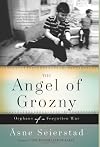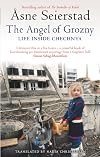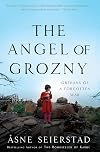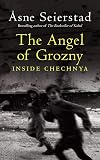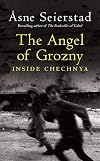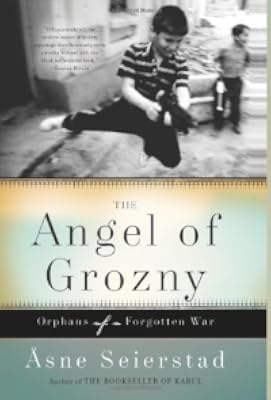
The Angel of Grozny
by Åsne Seierstad
On This Page
Description
In the early hours of New Year's 1994, Russian troops invaded the Republic of Chechnya, plunging the country into a prolonged and bloody conflict that continues to this day. A foreign correspondent in Moscow at the time, Åsne Seierstad traveled regularly to Chechnya to report on the war, describing its affects on those trying to live their daily lives amidst violence.Tags
Recommendations

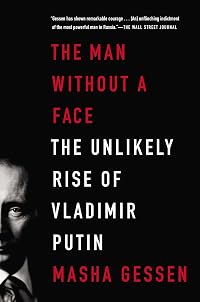
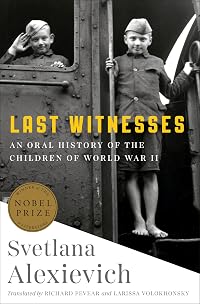

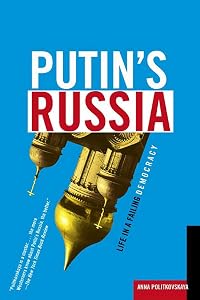
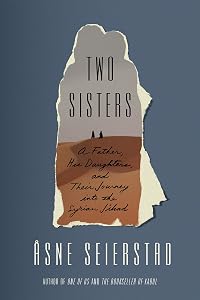






















Member Recommendations

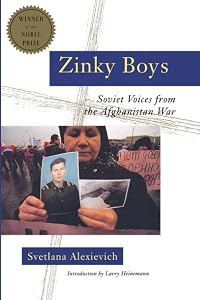
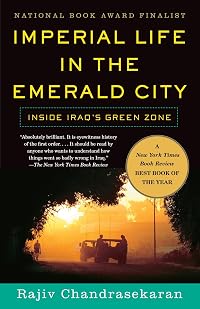
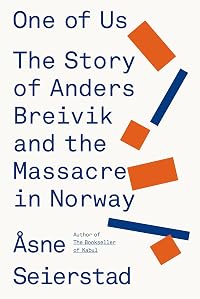
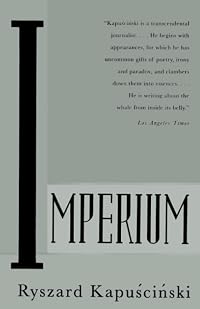
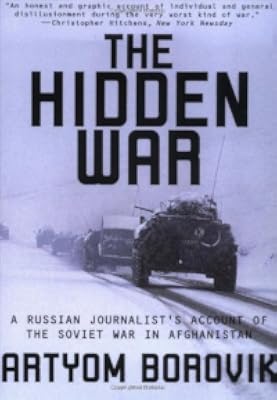
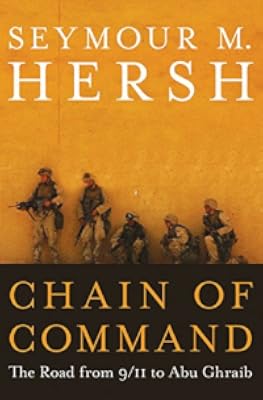
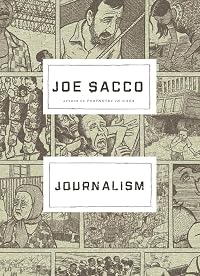
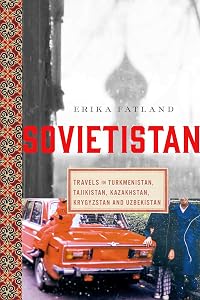
Rebeki Offers a more personal and part-fictional look at the conflict in Chechnya and the nature of being a Chechen.
Member Reviews
'Svoboda ili Smert. Freedom or death.', 4 Sep 2014
This review is from: The Angel of Grozny: Inside Chechnya (Kindle Edition)
An excellent look at the tragedy that is Chechnya, as the author moves through the country, meeting families with missing sons, traumatized children being cared for by the eponymous 'angel', and even the president himself.
The trouble between Russia and this republic dates back into ancient times: Tolstoy served here, fighting local rebels. More recently the hatred felt by the Chechens for Russia was fanned by the policy of moving whole villages of Chechens to live in the wilds of Kazakhstan. And as one reads of the destruction, the brutal killings and beatings by Putin's men, one feels utter sympathy for show more Chechnya.
And yet the author presents a balanced picture: the Russian soldiers, young conscripts straight out of school, killed or horrifically maimed by Chechen landmines. Perceived 'special treatment' of Chechen migrants to Moscow - infuriating the Russians.
And the issue of Islamic fundamentalism, which was starting to figure in the Chechens' reason for making war on their neighbor....Does Putin have reason for his iron control over the republic?
Not a book with any answers, but extremely informative and readable. show less
This review is from: The Angel of Grozny: Inside Chechnya (Kindle Edition)
An excellent look at the tragedy that is Chechnya, as the author moves through the country, meeting families with missing sons, traumatized children being cared for by the eponymous 'angel', and even the president himself.
The trouble between Russia and this republic dates back into ancient times: Tolstoy served here, fighting local rebels. More recently the hatred felt by the Chechens for Russia was fanned by the policy of moving whole villages of Chechens to live in the wilds of Kazakhstan. And as one reads of the destruction, the brutal killings and beatings by Putin's men, one feels utter sympathy for show more Chechnya.
And yet the author presents a balanced picture: the Russian soldiers, young conscripts straight out of school, killed or horrifically maimed by Chechen landmines. Perceived 'special treatment' of Chechen migrants to Moscow - infuriating the Russians.
And the issue of Islamic fundamentalism, which was starting to figure in the Chechens' reason for making war on their neighbor....Does Putin have reason for his iron control over the republic?
Not a book with any answers, but extremely informative and readable. show less
I don't think that I've ever read a book that has made me so aware about how little I know. I'm a bit of a news junkie, so I'd read whatever showed up in the papers about Chechnya, but that didn't even touch what is going on now and what has happened in Chechnya's bloody past. For example, did you know that Stalin deported the whole damn country to Khazakhstan? A half million mountain people were sent to live on the plains of Khazakhstan with no means of support. Twenty-five percent died on the journey or in the first few months.
Seierstad wrote The Bookseller of Kabul, in which she lived with a family in Afghanistan. The Angel of Grozny is much more far-reaching in scope. She first went to Chechnya during the first Chechen war soon show more after she'd gotten a job working for a Norwegian newspaper as the correspondent for Russia, based entirely on her knowledge of Russian. She talked herself onto a Russian military plane and was dropped off at the Grozny airport. She chose to trust people and, in turn, random people invited her into their homes and told their stories.
Seierstad must be an easy person to talk to. She speaks with everyone from the leader of Chechnya to orphaned children, disabled Russian veterans and a man who killed his sister in an honor killing. This was not an easy book to read; the violence in Chechnya has no easy solutions, nor even difficult ones. Were the Russians to leave, civil war would erupt, the Chechens themselves divided between traditional Muslims and the more extreme Wahabists, as well as divisions along tribal lines. show less
Seierstad wrote The Bookseller of Kabul, in which she lived with a family in Afghanistan. The Angel of Grozny is much more far-reaching in scope. She first went to Chechnya during the first Chechen war soon show more after she'd gotten a job working for a Norwegian newspaper as the correspondent for Russia, based entirely on her knowledge of Russian. She talked herself onto a Russian military plane and was dropped off at the Grozny airport. She chose to trust people and, in turn, random people invited her into their homes and told their stories.
Seierstad must be an easy person to talk to. She speaks with everyone from the leader of Chechnya to orphaned children, disabled Russian veterans and a man who killed his sister in an honor killing. This was not an easy book to read; the violence in Chechnya has no easy solutions, nor even difficult ones. Were the Russians to leave, civil war would erupt, the Chechens themselves divided between traditional Muslims and the more extreme Wahabists, as well as divisions along tribal lines. show less
This book is going to haunt me for a long time. Does being aware of these stories somehow lessen the burden of the people who are living them out? I love Asne's writing. It reminds me very much of the work of Ryzard Kapuscinski. Asne pulls back the cover from a very dark corner of the world ... one hopes that with awareness will come action/understanding/help to a place that desperately needs it.
This is the third Seierstad book I've read, but this book makes her the most approachable. That probably lies in the fact that many of her experiences in the book are very personal to in that they occurred at the beginning of her journalistic career and were very frightening (often, frankly, quite foolhardy) and, perhaps, therefore hold greater weight in her memories.
Seierstad does an excellent job of explaining the complexities of the Chechen War and why independence is so important to the Chechens. She also does a wonderful job of showing the effect of that war (or wars, depending on how you look at it) on the land, politics, economy, families, individuals, and children. She also examines the view and effect from the other show more side--Russia's.
I learned a great deal about the areas, the war, the peoples of both sides, and I appreciate the dangers she put herself in to get the information. My education has been enlarged and I won't soon forget many of the people I met through her book. Recommended. show less
Seierstad does an excellent job of explaining the complexities of the Chechen War and why independence is so important to the Chechens. She also does a wonderful job of showing the effect of that war (or wars, depending on how you look at it) on the land, politics, economy, families, individuals, and children. She also examines the view and effect from the other show more side--Russia's.
I learned a great deal about the areas, the war, the peoples of both sides, and I appreciate the dangers she put herself in to get the information. My education has been enlarged and I won't soon forget many of the people I met through her book. Recommended. show less
It may be effective for Errol Morris to allow his interviewees to gush unchecked and create a culpable subtext. This is a fine strategy - for him. It works well on film. Pages of raving do not make for persuasive or evocative prose. If the person in question is a young man leaning towards jihad or a Russian reactionary whose son has been imprisoned for a hate crime, it doesn't lead anywhere to have pages of stuttering conspiracy theories and gnashing hate speech.
I couldn't tell if Angel of Grozny wanted to be journalism or a memoir. It was closer to the latter, though hobbled by overly creative writing and a sore lack of editing. Åsne Seierstad is likely a fine journalist, her perseverance at seeing first hand both wars in Chechnya is show more intrepid without question. As a Russian speaker, she was able to access personal elements well beyond a World Service broadcast. That may be the problem right there. These are stories, grounded in a nightmare but as interchangeable as those on any newscast. The trauma at the heart of this is extremely graphic and uncomfortable. There are simply better ways of approaching it. show less
I couldn't tell if Angel of Grozny wanted to be journalism or a memoir. It was closer to the latter, though hobbled by overly creative writing and a sore lack of editing. Åsne Seierstad is likely a fine journalist, her perseverance at seeing first hand both wars in Chechnya is show more intrepid without question. As a Russian speaker, she was able to access personal elements well beyond a World Service broadcast. That may be the problem right there. These are stories, grounded in a nightmare but as interchangeable as those on any newscast. The trauma at the heart of this is extremely graphic and uncomfortable. There are simply better ways of approaching it. show less
This book is possibly one of the most hopeless and depressing books that I have read. It was not fun to read, but I learned a lot about the conflict in Chechnya, and I am glad that I read it. The author was a reporter in Chechnya during the war in the mid-1990s and she then secretly returned to the area ten years later. In the book she tells the stories of the people she met during her stays there.
Pretty much every story was heartbreaking, depressing, and hopeless. From the deportation of much of the Chechen population to Stalin's prison camps during World War II to the modern wars, the history is filled with bloodshed and suffering. The book illustrates the cyclic nature of war. The actions of the Russian government and the Chechen show more rebel forces fuel the hatred that each side has for the other. It is no wonder that this hatred grows as many people have watched their loved ones disappear and be tortured or killed.
Overall, the book is very accessible and a worthwhile read if you want to learn more about the recent history of Chechnya. show less
Pretty much every story was heartbreaking, depressing, and hopeless. From the deportation of much of the Chechen population to Stalin's prison camps during World War II to the modern wars, the history is filled with bloodshed and suffering. The book illustrates the cyclic nature of war. The actions of the Russian government and the Chechen show more rebel forces fuel the hatred that each side has for the other. It is no wonder that this hatred grows as many people have watched their loved ones disappear and be tortured or killed.
Overall, the book is very accessible and a worthwhile read if you want to learn more about the recent history of Chechnya. show less
Em dezembro de 1994, tropas russas invadiram a Tchetchênia, levando o país a um prolongado e violento conflito. Como correspondente internacional em Moscou naquela época, Åsne Seierstad viajou regularmente à Tchetchênia para fazer reportagens sobre a guerra e descrever os seus efeitos sobre aqueles que tentavam viver normalmente, apesar das circunstâncias desfavoráveis. Depois de percorrer os vilarejos pobres da Tchetchênia e ouvir as histórias dramáticas de um povo marcado pelo sofrimento causado por guerras e confrontos, Seierstad viajou à capital do país para investigar junto às autoridades as razões da atual miséria tchetchena e as políticas implementadas pelo governo no sentido de conduzir o país à prosperidade. show more Em Grozni, a autora entrou em contato com universitários, ministros, assessores do governo e empresários, tendo oportunidade de registrar as ambiguidades de uma democracia autoproclamada envolta num véu de censura feroz. Ela visitou ainda instituições oficiais do país e observou o funcionamento de um aparelho burocrático servindo ao único propósito de incensar e promover o presidente da república, Ramzan Kadirov, que em entrevista reproduzida no livro não consegue dissimular os maniqueísmos de uma administração atroz e assassina. show less
Members
- Recently Added By
Lists

Caucasus
122 works; 2 members

Club Read's Recommended Nonfiction Written by Women
618 works; 30 members
Author Information

13 Works 8,390 Members
Asne Seierstad has received numerous awards for her journalism and has reported from such war-torn regions as Chechnya, the Balkans, Afghanistan, and Iraq. She is fluent in five languages and lives in Norway
Some Editions
Awards and Honors
Distinctions
Notable Lists
Common Knowledge
- Canonical title
- The Angel of Grozny
- Original title
- De Krenkede
- Original publication date
- 2007
- Important places
- Grozny, Chechnya
- Important events*
- De Tsjetseense oorlogen
- First words
- The blood flows into the mud, where it carves thin red paths.
- Last words
- (Click to show. Warning: May contain spoilers.)I have made you very sad. Forgive me! Liana.
- Original language
- Norwegian
*Some information comes from Common Knowledge in other languages. Click "Edit" for more information.
Classifications
- Genres
- Nonfiction, General Nonfiction, History, Biography & Memoir
- DDC/MDS
- 947.52 — History & geography History of Europe Eastern European Counties and Russia Caucasus region [Lithuania now 947.93] Chechnya
- LCC
- DK511 .C37 .S445 — History of Europe, Asia, Africa and Oceania Russia. Soviet Union. Former Soviet Republics – Poland History of Russia. Soviet Union. Former Soviet Republics Local history and description Russia (Federation). Russian S.F.S.R.
- BISAC
Statistics
- Members
- 333
- Popularity
- 95,753
- Reviews
- 16
- Rating
- (3.86)
- Languages
- 12 — Danish, Dutch, English, Finnish, French, German, Italian, Norwegian (Bokmål), Polish, Portuguese, Spanish, Swedish
- Media
- Paper, Ebook
- ISBNs
- 24
- ASINs
- 4