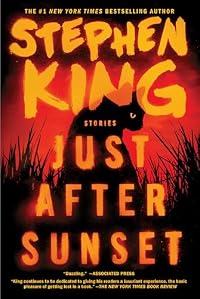
Just After Sunset
by Stephen King
On This Page
Description
This collection of short works is comprised of pieces that previously appeared in such publications as The New Yorker, Playboy, and McSweeney's, in a volume that includes such tales as ""The Gingerbread Girl"" and "N."Tags
Recommendations


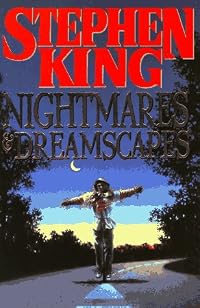
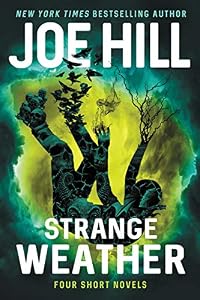
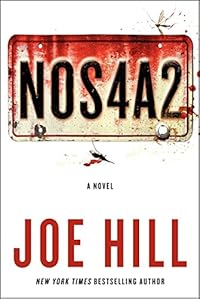
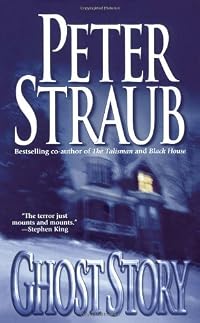






Member Recommendations
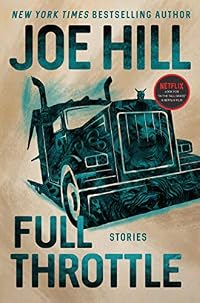
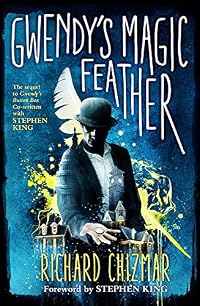
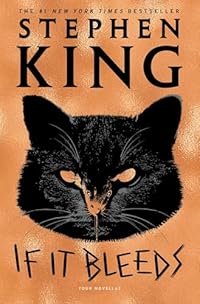
sturlington Short stories from father and son.
Member Reviews
In the introduction to [Just After Sunset], Stephen King admits that he’d lost the rhythm for short fiction, that he had quit writing for that format and didn’t know how to find his way back. It’s a declaration that might befuddle the casual reader, but one that writers will understand, maybe even be uncomfortable with. If anything, it’s a subtle warning not to ignore something that works for you, not to lose the muscle or brain memory once you’ve trained it. King found his way back to short fiction when he was asked to edit a collection of short stories, meaning that he had to read a lot of short fiction and remember what good work looked like. The experience reignited the spark, and he began writing short format stories show more again – the Constant Readers in us rejoiced.
[Just After Sunset] collects mostly stories from after that point in his career when he’d quit writing in the arena. There is one – The Cat From Hell – from his early days, and it’s a hoot. I mean, haven’t we all looked at a cat and wondered how many way’s it was plotting to do us in? The others are all written as King is stretching some atrophied muscles, and it shows occasionally. Not all the stories are up to the quality that we’ve come to expect. But those that are up to snuff, are marvelous.
Harvey’s Dream is one of the shortest stories, but one of the most powerful. A man wakes up and recounts a dream he had the previous night for his wife. The tension that King builds in the wife’s narration, as she sees the tragic signs glimmering in the corner of her eye, is palpable. It’s the kind of story that you want to put down, because it’s too much to handle, and you can’t possibly put down, because you’re afraid not to know. Part of the reason it works so well is that it is a slice of everyday life, a nightmare told over a kitchen table. You’ll feel yourself in the room, because you’ve been in that room before, and the connection to your own fears makes it all the more frightening.
Mute is another story in that same vein – an everyday guy with everyday problems is thrust into the fringes of experience. A guy tells the sad story of his failed marriage to a person he thinks is deaf, only to find out that the deaf guy is going to be a bloody avenger for him. But it’s a story in a story, because the narrator is confessing his situation to a priest – the device allowing us to walk in the narrator’s shoes, dip into his mind a bit – King’s a master at that, and it’s another thing that make his fiction so relatable.
Finally, Things They Left Behind, is a story about the aftermath of 9/11. There have been a few stories and novels over the decade plus since the towers came down. But I challenge you to find one more evocative and heart-wrenching than this one. King taps into the horror and guilt we all felt watching those black obelisks implode more than anyone I’ve ever read. The story centers on a man who called in sick to work that day. After a couple weeks, items from his colleague’s desks began to appear in his apartment, and they are not silent. King’s narrator quotes a magical realist writer – he can’t recall whether it is Borges or Marquez – “As infants, our first victory comes in grasping some bit of the world, usually our mothers’ fingers. Later we discover that the world, and the things of the world, are grasping us, and have been all along.”
Bottom Line: Not the best collection of King’s short fiction, but there are a couple that match the best work of his career.
4 bones!!!!! show less
[Just After Sunset] collects mostly stories from after that point in his career when he’d quit writing in the arena. There is one – The Cat From Hell – from his early days, and it’s a hoot. I mean, haven’t we all looked at a cat and wondered how many way’s it was plotting to do us in? The others are all written as King is stretching some atrophied muscles, and it shows occasionally. Not all the stories are up to the quality that we’ve come to expect. But those that are up to snuff, are marvelous.
Harvey’s Dream is one of the shortest stories, but one of the most powerful. A man wakes up and recounts a dream he had the previous night for his wife. The tension that King builds in the wife’s narration, as she sees the tragic signs glimmering in the corner of her eye, is palpable. It’s the kind of story that you want to put down, because it’s too much to handle, and you can’t possibly put down, because you’re afraid not to know. Part of the reason it works so well is that it is a slice of everyday life, a nightmare told over a kitchen table. You’ll feel yourself in the room, because you’ve been in that room before, and the connection to your own fears makes it all the more frightening.
Mute is another story in that same vein – an everyday guy with everyday problems is thrust into the fringes of experience. A guy tells the sad story of his failed marriage to a person he thinks is deaf, only to find out that the deaf guy is going to be a bloody avenger for him. But it’s a story in a story, because the narrator is confessing his situation to a priest – the device allowing us to walk in the narrator’s shoes, dip into his mind a bit – King’s a master at that, and it’s another thing that make his fiction so relatable.
Finally, Things They Left Behind, is a story about the aftermath of 9/11. There have been a few stories and novels over the decade plus since the towers came down. But I challenge you to find one more evocative and heart-wrenching than this one. King taps into the horror and guilt we all felt watching those black obelisks implode more than anyone I’ve ever read. The story centers on a man who called in sick to work that day. After a couple weeks, items from his colleague’s desks began to appear in his apartment, and they are not silent. King’s narrator quotes a magical realist writer – he can’t recall whether it is Borges or Marquez – “As infants, our first victory comes in grasping some bit of the world, usually our mothers’ fingers. Later we discover that the world, and the things of the world, are grasping us, and have been all along.”
Bottom Line: Not the best collection of King’s short fiction, but there are a couple that match the best work of his career.
4 bones!!!!! show less
This is one of the strongest short-story collections I’ve read, certainly one of King’s strongest. Perhaps the difference is that he wrote most of these stories on the backend of a successful literary career, with the confidence of a mature artist and little motivation other than the sheer pleasure of the work. The stories might be wrapped in weird, but most also conceal a thoughtful meditation on the human condition. Even the lesser stories are worth a read, and that’s not always my experience with such collections.
• “Willa” (★★★★★) Strangers waiting for a train at a remote Wyoming depot make an unpleasant discovery. A familiar plot, but executed with a muted beauty that stays with you.
• “The Gingerbread show more Girl” (★★★☆☆) A woman runs from her dead child and dead marriage, but sometimes running takes you to bad places. A taut, tense adventure thriller, a bit drawn out.
• “Harvey’s Dream” (★★★☆☆) An aging couple on the wrong side of love grapples with a very bad dream.
• “Rest Stop” (★★☆☆☆) A successful author discovers the real world needs a brand of heroism that only exists in his books. Aims to say something about human nature, perhaps undershoots.
• “Stationary Bike” (★★★☆☆) A widower takes his doctor’s advice to get in shape, but not everyone likes the new man. Strong Twilight Zone vibes with an unexpected resolution.
• “The Things They Left Behind” (★★★☆☆) A survivor of 9/11 experiences an extreme bout of survivor’s guilt. An unexpectedly tender tribute to the ones we lost and the ones we didn’t.
• “Graduation Afternoon” (★★★★☆) A graduating high-school girl soaks in the last golden afternoon of the rest of her life. Nostalgic, dreamlike, achingly tragic.
• “N.” (★★★☆☆) Remnants of a dead psychiatrist’s notes unveil the psychosis of his final patient, and perhaps something even worse. An enjoyable cosmic horror reminiscent of Lovecraft.
• “The Cat from Hell” (★★★★☆) A hitman receives a simple assignment — kill a cat. Written straight with a touch of horror, but undeniably a dark comedy.
• "The New York Times at Special Bargain Rates" (★★☆☆☆) A widow receives an unexpected phone call from a phantom number. Well-written and touching, ultimately didn’t do much for me.
• "Mute" (★★☆☆☆) A man confesses to a priest, unsure of whether or not he’s committed a terrible sin. Straightforward and satisfying, longer that it needs to be.
• "Ayana" (★★★☆☆) A man waiting for his father to die finds himself in the middle of a miracle. I like that so much is left unexplained, just as any good miracle shouldn’t be.
• "A Very Tight Place" (★★★★★) A man is trapped in what might be one of the worst places to die. This story has a deep ick-factor, but it’s a riveting yarn if your stomach can take it. show less
• “Willa” (★★★★★) Strangers waiting for a train at a remote Wyoming depot make an unpleasant discovery. A familiar plot, but executed with a muted beauty that stays with you.
• “The Gingerbread show more Girl” (★★★☆☆) A woman runs from her dead child and dead marriage, but sometimes running takes you to bad places. A taut, tense adventure thriller, a bit drawn out.
• “Harvey’s Dream” (★★★☆☆) An aging couple on the wrong side of love grapples with a very bad dream.
• “Rest Stop” (★★☆☆☆) A successful author discovers the real world needs a brand of heroism that only exists in his books. Aims to say something about human nature, perhaps undershoots.
• “Stationary Bike” (★★★☆☆) A widower takes his doctor’s advice to get in shape, but not everyone likes the new man. Strong Twilight Zone vibes with an unexpected resolution.
• “The Things They Left Behind” (★★★☆☆) A survivor of 9/11 experiences an extreme bout of survivor’s guilt. An unexpectedly tender tribute to the ones we lost and the ones we didn’t.
• “Graduation Afternoon” (★★★★☆) A graduating high-school girl soaks in the last golden afternoon of the rest of her life. Nostalgic, dreamlike, achingly tragic.
• “N.” (★★★☆☆) Remnants of a dead psychiatrist’s notes unveil the psychosis of his final patient, and perhaps something even worse. An enjoyable cosmic horror reminiscent of Lovecraft.
• “The Cat from Hell” (★★★★☆) A hitman receives a simple assignment — kill a cat. Written straight with a touch of horror, but undeniably a dark comedy.
• "The New York Times at Special Bargain Rates" (★★☆☆☆) A widow receives an unexpected phone call from a phantom number. Well-written and touching, ultimately didn’t do much for me.
• "Mute" (★★☆☆☆) A man confesses to a priest, unsure of whether or not he’s committed a terrible sin. Straightforward and satisfying, longer that it needs to be.
• "Ayana" (★★★☆☆) A man waiting for his father to die finds himself in the middle of a miracle. I like that so much is left unexplained, just as any good miracle shouldn’t be.
• "A Very Tight Place" (★★★★★) A man is trapped in what might be one of the worst places to die. This story has a deep ick-factor, but it’s a riveting yarn if your stomach can take it. show less
Maybe I like Stephen King too much to enjoy Stephen King these days. I mean, I like the guy even when he's writing lousy books-- I'll put up with a ton of sloppy repetitive filler because he's always a little weirder than I remembered, and because he has heart. But the sloppiness still bugs me, and a collection like this, which I might've liked just fine if it were by someone I'd never heard of, clashes unpleasantly with my memory of times when he was really on his game. There's so much steady noodling, like a guitar player who can keep improvising around one key forever but doesn't seem too interested in moving the song to a new place. Characters get the whole first half of a story just to think about themselves and their backgrounds, show more and it's fun enough to follow King along as he sketches out what amounts to a Lake Wobegon monologue, but then none of that ends up having much to do with what happens: if they run into curse A, or friendly ghost B, or deadly crazy person C, then they're probably going to end up doomed, or comforted, or just barely surviving a horrible ordeal and then getting revenge, often in a predictable way but sometimes with a semi-interesting twist, but who they are ends up being more or less irrelevant. This is a problem in a lot of horror stories anyway-- maybe most of them-- but it stands out here because King puts so much effort and verbiage into the setup. The one story that felt solid and involving nearly all the way through was "N.", a simple enough Lovecraft/Machen homage with enough characterization and evocative imagery to make it seem new, but then at the very end he can't help writing some extra perfunctory post-endings after the good ending just in case you somehow didn't get the point. His World Trade Center ghost story "The Things They Left Behind" was the opposite: I hated it and didn't believe any of it until the very end, when he took a character who'd been kind of a stock King nice person and suddenly let them react to weird events just as unpleasantly as most people would do. show less
This is a collection of King's short stories, all but one of which have been previously published in various magazines. As usual with any story collection, there is a variation of quality. Or, I guess I should say, a variation in how much I liked them. They are all quality tales. A couple are sort of sweet, even though they deal with death. (I could think of worse afterlives than spending my time dancing, although I'd prefer a different music selection than what they have in "Willa"). Some seemed like they could easily make episodes of Twilight Zone. A couple bored me. I prefer my horror supernatural, and some of these tales are not that. They're scary- "Gingerbread Girl" is a very tense tale of a lone woman being pursued by a serial show more killer- but not to my taste. Oddly, the one that made my skin crawl with horror wasn't a supernatural tale. The last story in the book, "A Very Tight Place" is a revenge story- one where the main character is trapped inside a Porta-Potty. This just happened to hit on one of my personal phobias. I give the book 3.5 stars. show less
Warning! This review will be incredibly long because I find it impossible to review a collection of short stories without reviewing each story. Feel free to move along.
Overall, this was not a typical Stephen King short story collection. His short stories generally give me nightmares. There were a few horror stories in here, but really he was exploring the post-9/11 world, grief, loss, and the afterlife. Some of his efforts were more successful than others, but the ones that worked really worked for me.
"Willa"--3 stars--A young couple on their way to San Francisco are waiting at a train depot for another train after theirs derails. This story was just sort of eerie. King is so great at setting a mood that you realize right away that show more something's not quite right, but mostly this story just felt like page filler.
"The Gingerbread Girl"--5 stars--A young woman runs to escape her grief, and then a nightmare. This one was straight-up suspense. I found my shoulders tensed and my body hunched over as I read this one. It's amazing to me that an author can do that in so few pages.
"Harvey's Dream"--3 stars--A man on the brink of retirement tells his wife about a terrible dream he had the night before. It was well-written, but I just didn't care.
"Rest Stop"--4 stars--A mild mystery writer overhears a disturbing argument at a rest stop late one night and must decide what to do about it. This one left me wondering what I would do in his shoes. There's some exploration of the hidden depths we carry around inside that we hope we never tap into. A good "makes-you-think" story.
"Stationary Bike"--A man creates more than he thinks when he paints himself a picture to help pass the time as he rides his stationary bike. I had no idea where this was going. And who can't relate to the mind-numbing boredom of an exercise machine?
"The Things They Left Behind"--5 stars--My favorite story from this book. A man who should have died along with the rest of his office on 9/11 suddenly finds objects in his apartment that he associates with his co-workers. This was a quietly powerful story that had much more going on than meets the eye. It read like a good exploration of survivor's guilt. Don't dismiss this one as "just another Stephen King story." This one's Literature. I actually pulled some good quotes out of this one: "Obliqueness is the curse of the reading class." "They did it in the name of God, but there is no God. If there was a God, Mr. Staley, He would have struck them dead in their boarding lounges with their boarding passes in their hand, but no God did. They called for passengers to get on and those fucks just got on." If we're being honest, who among us didn't feel that, at least for a second, on that day?
"Graduation Afternoon"--4 stars--The unthinkable happens in New York City. This was probably one of the most truly scary stories in the book. Before 9/11, this would have just been a fantasty/horror story. Post-9/11, I think deep down we're all waiting for this to actually happen, at least in our darkest, most pessimistic hours.
"N."--4 stars--A psychiatrist leaves behind notes on a delusional patient. King mentions the story, "The Yellow Wallpaper" in this story. That "descending-into-madness-with-the-character" feeling seems to be what he was going for, but he didn't accomplish it like Charlotte Perkins Gilman did. This was supposed to be a horror tale, but I somehow never quite got there. The fantasy world was never very real to me. I don't know if that's because King's writing fell short or because my imagination is not the equal of his.
"The Cat From Hell"--4 stars--The title describes the plot. This was an absurd, but at the same time scary, story. It reminded me of that Chattering Teeth story he wrote in an earlier collection in that I wanted to laugh at the same time that I was freaked out.
"The New York Times at Special Bargain Rates"--3 stars--A woman receives a phone call from her husband--as she's dressing for his funeral. This was another one where all I have to say is that I really didn't care.
"Mute"--3 stars--A man whose life has just fallen apart picks up a deaf/mute hitchhiker and feels safe confessing all his troubles. I found this one pretty predictable. But here's a quote that made me giggle: "He pointed toward the silhouettes on the side of the [bathrooms] instead--black cutout man, black cutout woman. The man had his legs apart, the woman had hers together. Pretty much the story of the human race in sign language."
"Ayana"--3 stars--All I'm going to say about this one is "The Green Mile revisited." It might have been more interesting if I hadn't read the novel first. There was a good quote in here too though: "The medical definition of miracle is misdiagnosis."
"A Very Tight Place"--4 stars--Two neighbors are feuding over a piece of land in the Florida Keys. One of them decides to end the feud once and for all. This one was a good, old-fashioned, Stephen King gross-out. Don't read it if you have a weak stomach. show less
Overall, this was not a typical Stephen King short story collection. His short stories generally give me nightmares. There were a few horror stories in here, but really he was exploring the post-9/11 world, grief, loss, and the afterlife. Some of his efforts were more successful than others, but the ones that worked really worked for me.
"Willa"--3 stars--A young couple on their way to San Francisco are waiting at a train depot for another train after theirs derails. This story was just sort of eerie. King is so great at setting a mood that you realize right away that show more something's not quite right, but mostly this story just felt like page filler.
"The Gingerbread Girl"--5 stars--A young woman runs to escape her grief, and then a nightmare. This one was straight-up suspense. I found my shoulders tensed and my body hunched over as I read this one. It's amazing to me that an author can do that in so few pages.
"Harvey's Dream"--3 stars--A man on the brink of retirement tells his wife about a terrible dream he had the night before. It was well-written, but I just didn't care.
"Rest Stop"--4 stars--A mild mystery writer overhears a disturbing argument at a rest stop late one night and must decide what to do about it. This one left me wondering what I would do in his shoes. There's some exploration of the hidden depths we carry around inside that we hope we never tap into. A good "makes-you-think" story.
"Stationary Bike"--A man creates more than he thinks when he paints himself a picture to help pass the time as he rides his stationary bike. I had no idea where this was going. And who can't relate to the mind-numbing boredom of an exercise machine?
"The Things They Left Behind"--5 stars--My favorite story from this book. A man who should have died along with the rest of his office on 9/11 suddenly finds objects in his apartment that he associates with his co-workers. This was a quietly powerful story that had much more going on than meets the eye. It read like a good exploration of survivor's guilt. Don't dismiss this one as "just another Stephen King story." This one's Literature. I actually pulled some good quotes out of this one: "Obliqueness is the curse of the reading class." "They did it in the name of God, but there is no God. If there was a God, Mr. Staley, He would have struck them dead in their boarding lounges with their boarding passes in their hand, but no God did. They called for passengers to get on and those fucks just got on." If we're being honest, who among us didn't feel that, at least for a second, on that day?
"Graduation Afternoon"--4 stars--The unthinkable happens in New York City. This was probably one of the most truly scary stories in the book. Before 9/11, this would have just been a fantasty/horror story. Post-9/11, I think deep down we're all waiting for this to actually happen, at least in our darkest, most pessimistic hours.
"N."--4 stars--A psychiatrist leaves behind notes on a delusional patient. King mentions the story, "The Yellow Wallpaper" in this story. That "descending-into-madness-with-the-character" feeling seems to be what he was going for, but he didn't accomplish it like Charlotte Perkins Gilman did. This was supposed to be a horror tale, but I somehow never quite got there. The fantasy world was never very real to me. I don't know if that's because King's writing fell short or because my imagination is not the equal of his.
"The Cat From Hell"--4 stars--The title describes the plot. This was an absurd, but at the same time scary, story. It reminded me of that Chattering Teeth story he wrote in an earlier collection in that I wanted to laugh at the same time that I was freaked out.
"The New York Times at Special Bargain Rates"--3 stars--A woman receives a phone call from her husband--as she's dressing for his funeral. This was another one where all I have to say is that I really didn't care.
"Mute"--3 stars--A man whose life has just fallen apart picks up a deaf/mute hitchhiker and feels safe confessing all his troubles. I found this one pretty predictable. But here's a quote that made me giggle: "He pointed toward the silhouettes on the side of the [bathrooms] instead--black cutout man, black cutout woman. The man had his legs apart, the woman had hers together. Pretty much the story of the human race in sign language."
"Ayana"--3 stars--All I'm going to say about this one is "The Green Mile revisited." It might have been more interesting if I hadn't read the novel first. There was a good quote in here too though: "The medical definition of miracle is misdiagnosis."
"A Very Tight Place"--4 stars--Two neighbors are feuding over a piece of land in the Florida Keys. One of them decides to end the feud once and for all. This one was a good, old-fashioned, Stephen King gross-out. Don't read it if you have a weak stomach. show less
With this collection of short stories, King has returned to the level of suspense-driven, intimate storytelling that characterizes his best works, and it’s about time. After a string of lackluster novels, I was about to give up on my favorite author, but Just After Sunset has made me a fan again.
My favorite two stories were the two that open the collection. “Willa” is haunting and eerie, yet also romantic, a musing about what happens to the dead after they die; I found it to be more affecting than the other story that explores a similar theme, “The New York Times at Special Bargain Rates,” even though in his notes, King thought the second story was stronger. And “The Gingerbread Girl” is harrowing, heart-pumping suspense; show more like King, I like that in this story, everything hinges on the details.
Other standouts for me were: “Stationery Bike,” a tongue-in-cheek response to our health-obsessed culture; “The Things They Left Behind,” a meditation on September 11 and its lingering effects on the survivors; and “Ayana,” about how healing powers might work and the curse they might bring. There are some examples of vintage gross-out King, as well; do not read “The Cat From Hell” or “A Very Tight Place” unless you have a strong stomach. And of course, there are a few weak offerings, such as “Harvey’s Dream” and “Graduation Afternoon,” which both originated in dreams and show it.
I tore through even the weak stories, and simply devoured this book whole. All I can say is thank you to Mr. King for this great collection and for showing that he hasn’t lost it after all. show less
My favorite two stories were the two that open the collection. “Willa” is haunting and eerie, yet also romantic, a musing about what happens to the dead after they die; I found it to be more affecting than the other story that explores a similar theme, “The New York Times at Special Bargain Rates,” even though in his notes, King thought the second story was stronger. And “The Gingerbread Girl” is harrowing, heart-pumping suspense; show more like King, I like that in this story, everything hinges on the details.
Other standouts for me were: “Stationery Bike,” a tongue-in-cheek response to our health-obsessed culture; “The Things They Left Behind,” a meditation on September 11 and its lingering effects on the survivors; and “Ayana,” about how healing powers might work and the curse they might bring. There are some examples of vintage gross-out King, as well; do not read “The Cat From Hell” or “A Very Tight Place” unless you have a strong stomach. And of course, there are a few weak offerings, such as “Harvey’s Dream” and “Graduation Afternoon,” which both originated in dreams and show it.
I tore through even the weak stories, and simply devoured this book whole. All I can say is thank you to Mr. King for this great collection and for showing that he hasn’t lost it after all. show less
Lühilood.
Kes veel peale Stephen Kingi muudaks välikäimla ligaseks sünnituskanaliks või maanteeäärse kantribaari igavese armastuse asupaigaks? Nördinud raamatumüügimees võtab peale tumma hääletaja, teadmata, et vaikne mees kõrvalistmel kuuleb paremini kui vaja. Velotrenažööri treeningrežiim, mida alustati kolesteroolitaseme vähendamiseks, võib viia sõitja esmalt vaimustavale, seejärel aga õõvastavale teekonnale. „Kakukesetüdruk”, mille tegevus toimub Florida eraldatud korallsaarel, on kaasahaarav lugu noorest naisest, kes on sama kaitsetu ja leidlik nagu Audrey Hepburni tegelaskuju raamatus „Oota pimedani”. Loos „Ayana” teeb pime tüdruk suudluse ja käepuudutusega imet. Kingi jaoks on piir elavate ja show more surnute vahel tihtilugu hägune ning meie reaalsust koos hoidvad õmblused võivad igal hetkel rebeneda. Jutukogu üks pikimaid lugusid on „N.”, kus psühhiaatri patsiendi mõistuspäratu mõtlemine võib tekitada Maine’i maakohas maailma hukutava ohu... või ennetada maailma hukku. show less
Kes veel peale Stephen Kingi muudaks välikäimla ligaseks sünnituskanaliks või maanteeäärse kantribaari igavese armastuse asupaigaks? Nördinud raamatumüügimees võtab peale tumma hääletaja, teadmata, et vaikne mees kõrvalistmel kuuleb paremini kui vaja. Velotrenažööri treeningrežiim, mida alustati kolesteroolitaseme vähendamiseks, võib viia sõitja esmalt vaimustavale, seejärel aga õõvastavale teekonnale. „Kakukesetüdruk”, mille tegevus toimub Florida eraldatud korallsaarel, on kaasahaarav lugu noorest naisest, kes on sama kaitsetu ja leidlik nagu Audrey Hepburni tegelaskuju raamatus „Oota pimedani”. Loos „Ayana” teeb pime tüdruk suudluse ja käepuudutusega imet. Kingi jaoks on piir elavate ja show more surnute vahel tihtilugu hägune ning meie reaalsust koos hoidvad õmblused võivad igal hetkel rebeneda. Jutukogu üks pikimaid lugusid on „N.”, kus psühhiaatri patsiendi mõistuspäratu mõtlemine võib tekitada Maine’i maakohas maailma hukutava ohu... või ennetada maailma hukku. show less
Members
- Recently Added By
Lists

Favorite Short Fiction
228 works; 99 members

Stephen King Bibliography
77 works; 3 members

To Read - Horror
137 works; 14 members

Bram Stoker Award
238 works; 5 members

Books Read in 2008
335 works; 7 members

Matt
97 works; 1 member

Eerie eTales
192 works; 3 members

Books Read in 2009
464 works; 11 members

Stephen King books
81 works; 1 member

Short Story and Novella Collections
47 works; 6 members

Best 21st Century Books (So Far)
670 works; 86 members

Books read in 2015
213 works; 5 members

Books Read in 2015
3,298 works; 126 members

2000s (the decade, not the century)
184 works; 11 members

Find
10 works; 1 member

Short Story Collections and Anthologies
260 works; 42 members
Best Horror Books
281 works; 85 members
Talk Discussions
Past Discussions
Nov. 2013's SK Flavor of the Month - Just After Sunset in King's Dear Constant Readers (June 2015)
Author Information

966+ Works 867,771 Members
Stephen King was born in Portland, Maine, on September 21, 1947. After graduating with a Bachelor's degree in English from the University of Maine at Orono in 1970, he became a teacher. His spare time was spent writing short stories and novels. King's first novel would never have been published if not for his wife. She removed the first few show more chapters from the garbage after King had thrown them away in frustration. Three months later, he received a $2,500 advance from Doubleday Publishing for the book that went on to sell a modest 13,000 hardcover copies. That book, Carrie, was about a girl with telekinetic powers who is tormented by bullies at school. She uses her power, in turn, to torment and eventually destroy her mean-spirited classmates. When United Artists released the film version in 1976, it was a critical and commercial success. The paperback version of the book, released after the movie, went on to sell more than two-and-a-half million copies. Many of King's other horror novels have been adapted into movies, including The Shining, Firestarter, Pet Semetary, Cujo, Misery, The Stand, and The Tommyknockers. Under the pseudonym Richard Bachman, King has written the books The Running Man, The Regulators, Thinner, The Long Walk, Roadwork, Rage, and It. He is number 2 on the Hollywood Reporter's '25 Most Powerful Authors' 2016 list. King is one of the world's most successful writers, with more than 100 million copies of his works in print. Many of his books have been translated into foreign languages, and he writes new books at a rate of about one per year. In 2003, he received the National Book Foundation Medal for Distinguished Contribution to American Letters. In 2012 his title, The Wind Through the Keyhole made The New York Times Best Seller List. King's title's Mr. Mercedes and Revival made The New York Times Best Seller List in 2014. He won the Edgar Allan Poe Award in 2015 for Best Novel with Mr. Mercedes. King's title Finders Keepers made the New York Times bestseller list in 2015. Sleeping Beauties is his latest 2017 New York Times bestseller. (Bowker Author Biography) Stephen King is the author of more than thirty books, all of them worldwide bestsellers. Among his most recent are "Hearts in Atlantis", "The Girl Who Loved Tom Gordon", "Bag of Bones", & "The Green Mile". "On Writing" is his first book of nonfiction since "Danse Macabre", published in 1981. He served as a judge for Prize Stories: The Best of 1999, The O. Henry Awards. He lives in Bangor, Maine with his wife, novelist Tabitha King. King's book, The Bazaar of Bad Dreams: Stories, made the 2015 New York Times bestseller list. (Publisher Provided) show less
Some Editions
Awards and Honors
Awards
Distinctions
Notable Lists
Series
Belongs to Publisher Series
Work Relationships
Contains
N. by Stephen King
Mute by Stephen King
Common Knowledge
- Canonical title
- Just After Sunset
- Original title
- Just After Sunset
- Alternate titles
- Just After Sunset
- Original publication date
- 2008-11-11
- People/Characters
- David Sanderson; Willa; Emily Owensby; Henry Lander; Amy; Deke Hollis (show all 33); Jim Pickering; Harvey Stevens; Janet; John Andrew Dykstra (Rick Hardin); Lee; Richard Sifkitz; Dr. Brady; Scott Staley; Paula Robeson; Pedro; Dr. Bonsaint; N.; John Bonsaint; Sheila Bonsaint LeClaire; John Halston; Amanda Drogan; Jim Gage; Annie Driscoll; James Driscoll; Ayana; Doc Gentry; Ruth Gentry; Trudy; Tim Grunwald; Curtis Johnson; Betsy Era; Mrs. Wilson
- Important places
- Florida Keys, Florida, USA; Maine, USA
- Epigraph
- "I can fancy what you saw. Yes; it is horrible enough; but after all, it is an old story, an old mystery played....Such forces cannot be named, cannot be spoken, cannot be imagined except under a veil and a symbol, a symbol t... (show all)o the most of us appearing a quaint, poetic fancy, to some a foolish tale. But you and I, at all events, have known something of the terror that may dwell in the secret place of life, manifested under human flesh; that which is without form taking to itself a form. Oh, Austin, how can it be? How is it that the very sunlight does not turn to blackness before this thing, the hard earth melt and boil beneath such a burden?" -- Arthur Machen, The Great God Pan
- Dedication
- For Heidi Pitlor
- First words
- One day in 1972, I came home from work and found my wife sitting at the kitchen table with a pair of gardening shears in front of her.
- Last words
- (Click to show. Warning: May contain spoilers.)"After all, what are neighbors for?"
- Original language
- English
- Canonical DDC/MDS
- 813.54
- Canonical LCC
- PS3561.I483
Classifications
Statistics
- Members
- 6,341
- Popularity
- 1,941
- Reviews
- 138
- Rating
- (3.71)
- Languages
- 21 — Bulgarian, Chinese, Czech, Danish, Dutch, English, Estonian, Finnish, French, German, Greek, Hungarian, Italian, Japanese, Korean, Polish, Portuguese, Russian, Spanish, Swedish, Turkish
- Media
- Paper, Audiobook, Ebook
- ISBNs
- 96
- ASINs
- 23