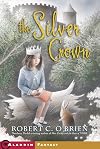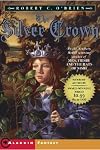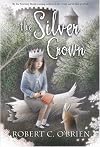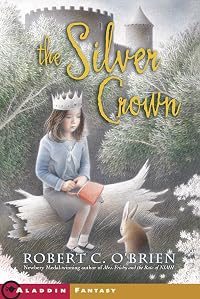
The Silver Crown
by Robert C. O'Brien
On This Page
Description
Soon after waking up on her tenth birthday to find a silver crown on her pillow, Ellen's house burns down, her parents disappear, and she is launched on an adventure involving a trek through the woods, a castle full of brainwashed captives, and the powerful Hieronymus Machine which wants her crown.Tags
Recommendations

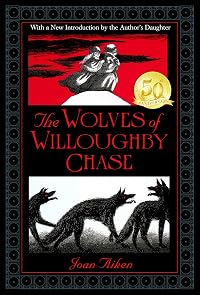
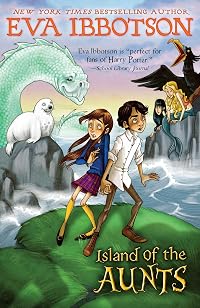
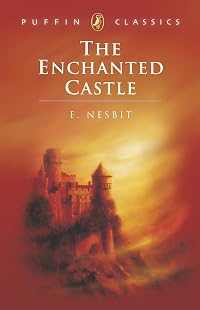
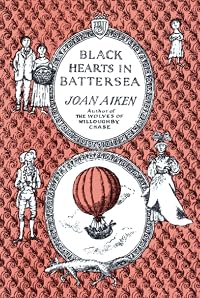
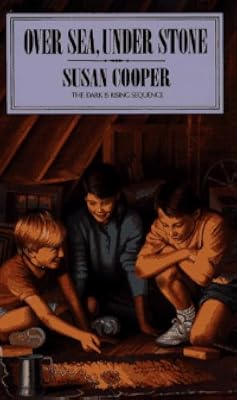
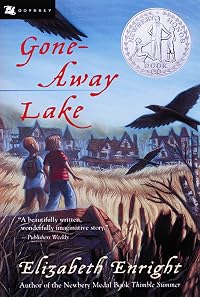
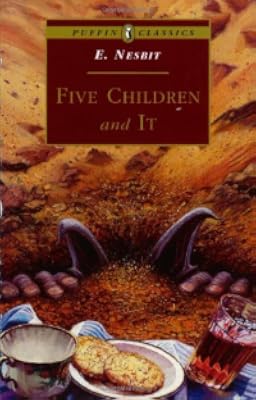
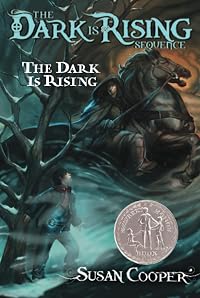
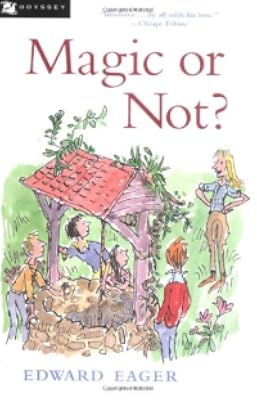
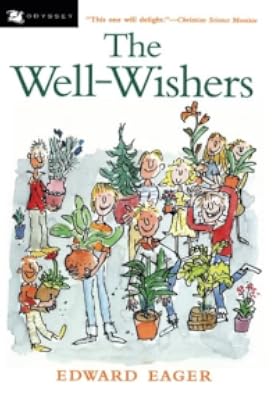
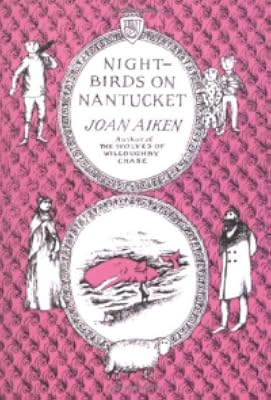
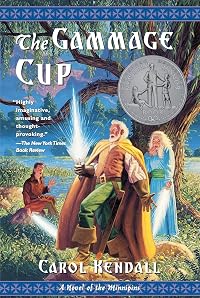
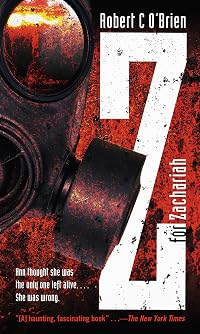
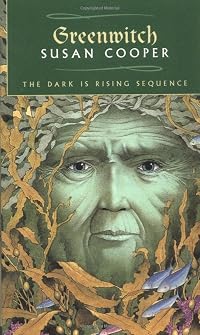
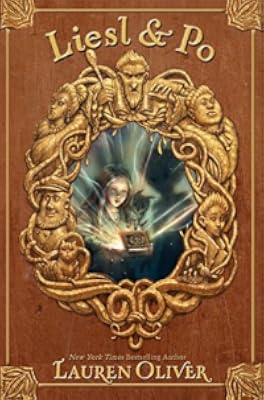
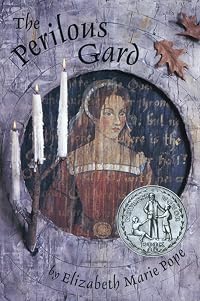
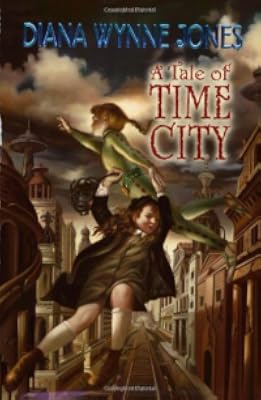
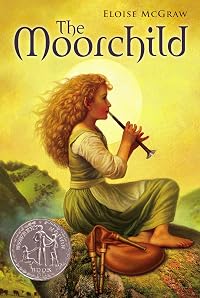
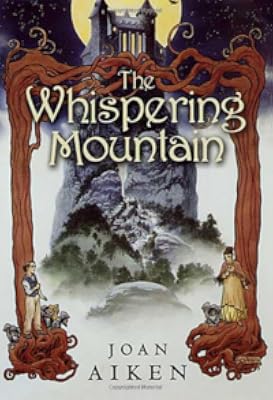
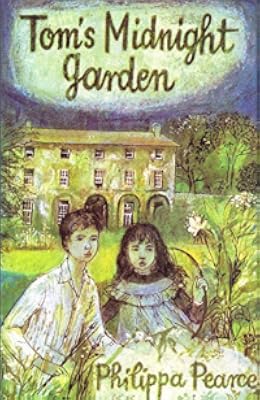
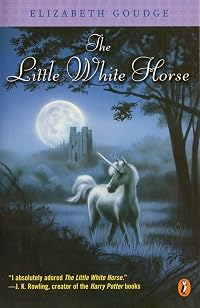
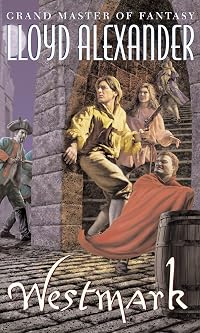

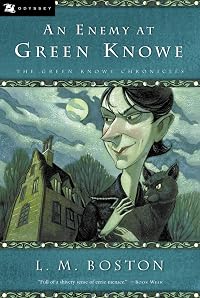
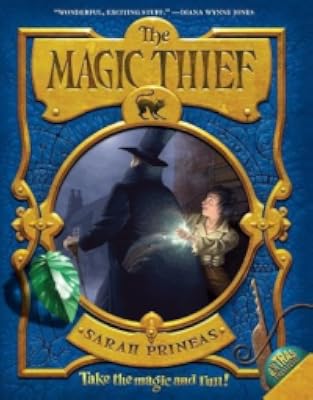
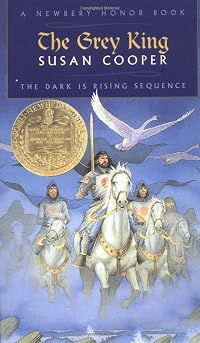
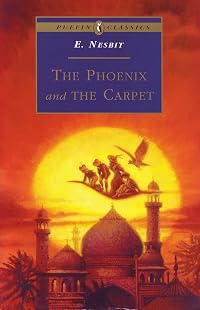
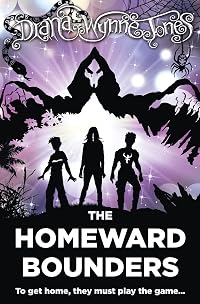
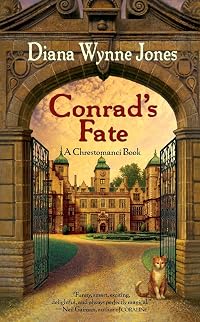

Member Recommendations
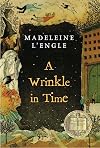
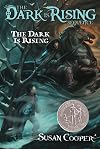
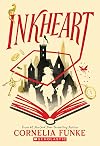
missmaddie Magical adventures for preteen girls
Member Reviews
A masterfully subtle question-creating book for ages 8-ish and up: not a mere quest, not merely kids and magic, not merely a chase, not merely villains, but a question asked in many ways: What do you do when someone who means well sets off a chain of events that can cause harm? - What do you do when that person really, really means well but causes real, terrible harm, or could have done? Whether it's the secret of the black crown (no spoiling!) or the question of what to do with Otto's road sign vandalism, how far to trust strangers or how far to trust an organization, this book is the kind I love best in all children's fiction: one that plants the seed of a question to be answered over and over in adulthood, with more wisdom for having show more read this book.
CAVEAT: MAKE SURE YOU READ THE BRITISH EDITION. It has a different ending, and frankly, an infinitely better one. The American one explains everything and is tedious and out-of-character. show less
CAVEAT: MAKE SURE YOU READ THE BRITISH EDITION. It has a different ending, and frankly, an infinitely better one. The American one explains everything and is tedious and out-of-character. show less
Kids/YA fantasy from the author of the famous Mrs. Frisby & the Rats of Nimh. I thought I'd never read this before, but at chapter 21, it suddenly came rushing back to me... The first half of the book is taken up by Our Young and Suddenly-Orphaned Heroine striking out on her own and fleeing the mysterious bad-guys, and I guess that wasn't terribly memorable to me as a child... but when the spooky evil thought-controlling reform-school comes into the picture - that, I guess, I found memorable.
An interesting fantasy for children written in the late 1960s. Ellen wakes up on her tenth birthday and finds a silver crown on her pillow; a crown made of material which can be folded (which becomes relevant later when she has to carry it with her long distances and eventually hide it). An imaginative child, she decides to go for a walk to the local park and play at being a queen there as she often does. She thinks the crown might have come from her Aunt Sarah who is the only adult she knows who doesn't just pretend to believe Ellen is a queen: she says she is and means it.
While at the park, Sarah tries on the crown and it has the effect of making her calm and clear minded, something she needs shortly afterwards when she discovers that show more her family have apparently all died in a mysterious fire while she was out playing. And shortly afterwards, a robber in a green hood, who murders a shopkeeper and a policeman from whom she was trying to get help, seems to be implicated in the arson on her house. Meanwhile, Ellen sends a postcard to tell her aunt she is coming to see her because she is now on her own, and a series of men start to help Ellen in what, to a modern reader, seems rather creepy - even in the 1960s there were warnings about not to get into cars with strange men, for example.
I won't say much more about the plot, but other characters do appear, especially Otto an eight year old child prodigy who is an expert tracker, animal trapper, knife thrower and tree climber, having apparently taught himself those things. There is also a rather entertaining talking crow called Richard who is Otto's pet. Otto has been raised by a resourceful older woman who he now persists in believing is his mother although she has tried to tell him otherwise, after she found him wandering in the woods near her house when he was a toddler. She wants Otto to go with Ellen on her journey to Aunt Sarah's, as she thinks Sarah will adopt him and wean him off this idea about his mother and also break a rather destructive habit - he has been causing trucks on the nearby highway to crash so that he can scavenge their contents . The two children are menaced on their journey by the force behind the robber and other sinister men.
Probably because of the age of the children, and the period when this was written, the relationship between them is just simple uncomplicated friendship. Although Ellen is quite forward thinking and a planner, the story does conform in some ways to 1960s ideas of appropriate roles for boys and girls: the boy is the active one who is more capable physically and the girl is the one who injures herself and holds them up. However, she also can't be controlled in the way that most other people, including Otto, turn out to be later in the story.
I enjoyed the book on the whole but unanswered questions piled up by the ending, such as, if the crown has the effect it is shown to have at the end of the story on the evil force behind everything, then why was that force not affected whenever Ellen wore her crown - which at one point, left on her own with a sprained ankle for days, she does for hours at a time. At the very least, those whom she meets later (avoiding spoilers) should perhaps comment in puzzlement that this force has been zoning out and not giving orders for long periods of time recently. Also, I expected that there would be an explanation for Otto's origin, and that we might find out that Ellen's family somehow survived - she seems to get over her multiple bereavement very rapidly. The denoument of the story, which requires a third character to somehow evade hot pursuit and return to the very heart of the villains' hideout - when access to that was shown to involve authorised personnel touching a handplate and there were other perils as well - was a bit weak.
I've also read, since finishing the book, that there were apparently two endings in the American edition. The version I read was published in the UK and involves only a short postscript which explains who sent the crown to Ellen, but the whole issue of how the villains found out she had it is left open. On the whole, the build up to the story is stronger than the actual resolution and for that reason my rating balances out at 3 stars. show less
While at the park, Sarah tries on the crown and it has the effect of making her calm and clear minded, something she needs shortly afterwards when she discovers that show more her family have apparently all died in a mysterious fire while she was out playing. And shortly afterwards, a robber in a green hood, who murders a shopkeeper and a policeman from whom she was trying to get help, seems to be implicated in the arson on her house. Meanwhile, Ellen sends a postcard to tell her aunt she is coming to see her because she is now on her own, and a series of men start to help Ellen in what, to a modern reader, seems rather creepy - even in the 1960s there were warnings about not to get into cars with strange men, for example.
I won't say much more about the plot, but other characters do appear, especially Otto an eight year old child prodigy who is an expert tracker, animal trapper, knife thrower and tree climber, having apparently taught himself those things. There is also a rather entertaining talking crow called Richard who is Otto's pet. Otto has been raised by a resourceful older woman who he now persists in believing is his mother although she has tried to tell him otherwise, after she found him wandering in the woods near her house when he was a toddler. She wants Otto to go with Ellen on her journey to Aunt Sarah's, as she thinks Sarah will adopt him and wean him off this idea about his mother and also break a rather destructive habit
Probably because of the age of the children, and the period when this was written, the relationship between them is just simple uncomplicated friendship. Although Ellen is quite forward thinking and a planner, the story does conform in some ways to 1960s ideas of appropriate roles for boys and girls: the boy is the active one who is more capable physically and the girl is the one who injures herself and holds them up. However, she also can't be controlled in the way that most other people, including Otto, turn out to be later in the story.
I enjoyed the book on the whole but unanswered questions piled up by the ending, such as, if the crown has the effect it is shown to have at the end of the story on the evil force behind everything, then why was that force not affected whenever Ellen wore her crown - which at one point, left on her own with a sprained ankle for days, she does for hours at a time. At the very least, those whom she meets later (avoiding spoilers) should perhaps comment in puzzlement that this force has been zoning out and not giving orders for long periods of time recently. Also, I expected that there would be an explanation for Otto's origin, and that we might find out that Ellen's family somehow survived - she seems to get over her multiple bereavement very rapidly. The denoument of the story, which requires a third character to somehow evade hot pursuit and return to the very heart of the villains' hideout - when access to that was shown to involve authorised personnel touching a handplate and there were other perils as well - was a bit weak.
I've also read, since finishing the book, that there were apparently two endings in the American edition. The version I read was published in the UK and involves only a short postscript which explains who sent the crown to Ellen, but the whole issue of how the villains found out she had it is left open. On the whole, the build up to the story is stronger than the actual resolution and for that reason my rating balances out at 3 stars. show less
Robert C. O’Brien’s The Silver Crown opens with one of the most charming first sentences I have ever encountered:
She had known all along that she was a queen, and now the crown proved it.
Things do not remain lighthearted for long, however. Having found the silver crown on her pillow on the morning of her tenth birthday, Ellen wanders out to a nearby park in order to hold court with her imaginary subjects. When she returns, she finds that her house has burned down. No one escaped, the authorities say. Ellen, homeless and friendless, resolves to hitchhike all the way to Lexington, Kentucky, where her beautiful Aunt Sarah lives.
This is not as easy as it sounds, however, for the crown seems to have magical properties, and a band of men show more in dark suits and green hoods are looking for it—and, by extension, Ellen. She finds danger at every turn. But she also finds help in the form of some new friends, including the mysterious Mrs. Fitzpatrick, a kindly woodcarver named (predictably) Mr. Carver, and the boy Otto, who accompanies her on her journey. But even with his assistance, will Ellen be able to reach Aunt Sarah? And what will be the fate of the silver crown?
One of the blurbs on the back cover calls the book “reminiscent of The Lord of the Rings,” but it is Tolkienesque only to the extent that any epic journey with unlikely heroes is Tolkienesque. Based on the flavor of the opening chapter, I thought that Tolkien’s colleague C. S. Lewis would make for a better comparison, but that isn’t quite right, either. While reading I was reminded more of George MacDonald (Mrs. Fitzpatrick especially is right out of a MacDonald fairy tale, believe me), Susan Cooper’s The Dark is Rising (due mostly to the dark, almost apocalyptic tone, and the way in which both stories seem to take place almost but not quite in the real world), and even Madeleine L’Engle’s A Wrinkle in Time (because … well, I won’t give too much away here).
For the most part, I enjoyed the novel. The middle section, detailing Ellen and Otto’s hike across the countryside was especially exciting, and the strange men made for wonderfully menacing villains. There were times during this part of the book where I found myself biting my fingernails, not something I normally do. And the characters are nicely developed. Otto is particularly complex, and a welcome change from the annoyingly perfect children that populate a lot of fantasy fiction.
Unfortunately, however, I have to agree with a review I read, which said that the last third of the book—starting from the point when Ellen enters the castles—feels like a completely different book. Looking back, I can see how O’Brien had been setting up for this conclusion throughout, but it was still too big a shift in tone for me. And even though Ellen finds herself battling against world domination, the threat didn’t feel very real. Indeed, the concept of training children to do evil—just for the sake of doing evil—seems rather silly in this context. And neither of the two denouements provided is particularly satisfying: one is little more than an info-dump, while the other, if anything, leaves too much unexplained.
I am glad I read this, but I don’t think I’ll ever read it again. And that makes me sad, because the book had so much potential, and would have been truly great if it hadn’t floundered near the end. show less
She had known all along that she was a queen, and now the crown proved it.
Things do not remain lighthearted for long, however. Having found the silver crown on her pillow on the morning of her tenth birthday, Ellen wanders out to a nearby park in order to hold court with her imaginary subjects. When she returns, she finds that her house has burned down. No one escaped, the authorities say. Ellen, homeless and friendless, resolves to hitchhike all the way to Lexington, Kentucky, where her beautiful Aunt Sarah lives.
This is not as easy as it sounds, however, for the crown seems to have magical properties, and a band of men show more in dark suits and green hoods are looking for it—and, by extension, Ellen. She finds danger at every turn. But she also finds help in the form of some new friends, including the mysterious Mrs. Fitzpatrick, a kindly woodcarver named (predictably) Mr. Carver, and the boy Otto, who accompanies her on her journey. But even with his assistance, will Ellen be able to reach Aunt Sarah? And what will be the fate of the silver crown?
One of the blurbs on the back cover calls the book “reminiscent of The Lord of the Rings,” but it is Tolkienesque only to the extent that any epic journey with unlikely heroes is Tolkienesque. Based on the flavor of the opening chapter, I thought that Tolkien’s colleague C. S. Lewis would make for a better comparison, but that isn’t quite right, either. While reading I was reminded more of George MacDonald (Mrs. Fitzpatrick especially is right out of a MacDonald fairy tale, believe me), Susan Cooper’s The Dark is Rising (due mostly to the dark, almost apocalyptic tone, and the way in which both stories seem to take place almost but not quite in the real world), and even Madeleine L’Engle’s A Wrinkle in Time (because … well, I won’t give too much away here).
For the most part, I enjoyed the novel. The middle section, detailing Ellen and Otto’s hike across the countryside was especially exciting, and the strange men made for wonderfully menacing villains. There were times during this part of the book where I found myself biting my fingernails, not something I normally do. And the characters are nicely developed. Otto is particularly complex, and a welcome change from the annoyingly perfect children that populate a lot of fantasy fiction.
Unfortunately, however, I have to agree with a review I read, which said that the last third of the book—starting from the point when Ellen enters the castles—feels like a completely different book. Looking back, I can see how O’Brien had been setting up for this conclusion throughout, but it was still too big a shift in tone for me. And even though Ellen finds herself battling against world domination, the threat didn’t feel very real. Indeed, the concept of training children to do evil—just for the sake of doing evil—seems rather silly in this context. And neither of the two denouements provided is particularly satisfying: one is little more than an info-dump, while the other, if anything, leaves too much unexplained.
I am glad I read this, but I don’t think I’ll ever read it again. And that makes me sad, because the book had so much potential, and would have been truly great if it hadn’t floundered near the end. show less
This is the story of a young girl, Ellen, who wakes up one morning to find a silver crown on her pillow. This is not entirely unexpected, however, because Ellen is a queen. She slips out of the house to the park—I mean, her court—and her house is promptly blown up and her family gone. This plunges Ellen into a strange adventure as she attempts to get to her aunt's home across the country. It turns out that the silver crown was given to her for a very specific reason... that an evil monk, Hieronymus, created a machine centuries ago that found a life of its own... that Ellen and her friend Otto must defy the machine, or watch the world become infiltrated with its evil.
I know this sounds like a stereotypical plot, but if there are any show more stereotypes out there about these kinds of plotlines, they were drawn from this book, not the other way around. O'Brien's writing is skillful and realistic, his dialogue believable, and his characters memorable. I grew up reading and rereading this book for its sheer emotional quality and plain good storytelling. Highly recommended. show less
I know this sounds like a stereotypical plot, but if there are any show more stereotypes out there about these kinds of plotlines, they were drawn from this book, not the other way around. O'Brien's writing is skillful and realistic, his dialogue believable, and his characters memorable. I grew up reading and rereading this book for its sheer emotional quality and plain good storytelling. Highly recommended. show less
Readers of this book should be aware that the British and American editions end completely differently. (SPOILERS FOLLOW....) In the British edition, the bad guys really kill people. In the American edition, everyone who's been believed dead is found safe and sound at the end, making the story somewhat nonsensical in retrospect. In 1988 Aladdin Paperbacks printed an edition with two last chapters, one of each version -- but, unfortunately, the changes in the ending cover two chapters, not one, so that only made the British last chapter appear to make less sense than the American last chapter. The British edition of the story is good. The bowlderized American edition is, at best, really weird.
This is one of my favourite books and one I have reread many times. As a child I was completely captivated by it. It is a great chase story and it is dark and sinister. From the first few frightening pages to the last it is a real page turner.
The mysterious man who pursues Ellen across the United states is a troubling character and the introduction of Otto who joins her in her adventure is just perfect.
I have purchased this for the children of friends over the years and all have loved it.
The mysterious man who pursues Ellen across the United states is a troubling character and the introduction of Otto who joins her in her adventure is just perfect.
I have purchased this for the children of friends over the years and all have loved it.
Members
- Recently Added By
Lists

Favorite Childhood Books
1,646 works; 518 members

Geek Dad Read to Your Kids List
79 works; 4 members

Newbery Adjacent
747 works; 3 members

Best Sellers / Popular 1968
237 works; 5 members
Author Information

8+ Works 16,015 Members
Robert C. O'Brien was a distinguished author and journalist, whose other books for young readers include The Silver Crown and Z for Zachariah. Mrs. Frisby and the Rats of NIMH was the basis for the motion picture, the Secret of NIMH.
Some Editions
Common Knowledge
- Canonical title
- The Silver Crown
- Original publication date
- 1968
- People/Characters
- Ellen Carroll; Hieronymus; Otto; Mrs. Fitzpatrick; Mr. Carver
- Dedication
- For my children, and some day, their children.
- First words
- She had know all along that she was a queen, and now the crown proved it.
- Last words
- (Click to show. Warning: May contain spoilers.)'Don't say "Shut up",' Otto said. 'It's vulgar.'
- Original language
- English
Classifications
- Genres
- Fiction and Literature, Kids, Tween, Fantasy
- DDC/MDS
- 813.54 — Literature & rhetoric American literature in English American fiction in English 1900-1999 1945-1999
- LCC
- PZ7 .O135 .S — Language and Literature Fiction and juvenile belles lettres Fiction and juvenile belles lettres Juvenile belles lettres
- BISAC
Statistics
- Members
- 827
- Popularity
- 33,258
- Reviews
- 16
- Rating
- (3.91)
- Languages
- English, French, Italian
- Media
- Paper, Audiobook, Ebook
- ISBNs
- 25
- ASINs
- 7