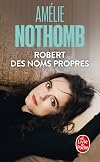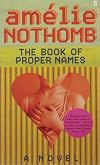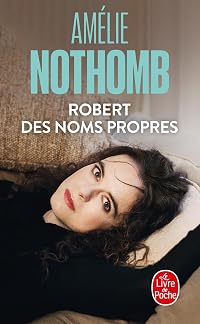
The Book of Proper Names
by Amélie Nothomb
On This Page
Description
From France's 'literary lioness' (Elle), The Book of Proper Names is the story of the hapless orphan girl, Plectrude. Raised by her aunt, and unaware of the dark secret behind her past, she is a troubled but dreamy child who is both blessed and cursed by her intoxicating eyes. Discovered to have enormous gifts as a dancer, she is accepted at Paris's most prestigious ballet school where she devotes herself to artistic perfection, until her body can take no more. In a brilliantly succinct show more story of haunted adolescence and lost mothers, Nothomb propels the narrative forward until Plectrude is forced to take command of her own fate. Vintage Nothomb, The Book of Proper Names marks the UK debut of one of the most brilliant, ambitious, and idiosyncratic voices to have emerged in years. 'Slyly outrageous. [Nothomb] both disturbs and amuses.' New York Times 'Readers who have yet to discover the feather-ruffling pleasures of reading popular Belgian author Nothomb, winner of the Prix du Roman de l'Acad#65533;mie Fran#65533;aise and other prizes, should jump at the chance.' Kirkus Reviews show lessTags
Recommendations
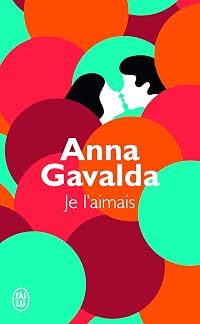
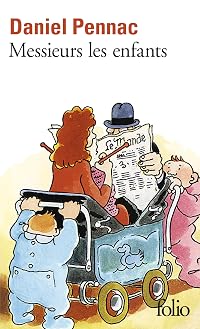
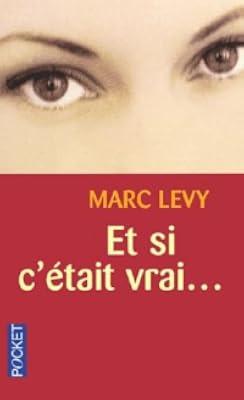
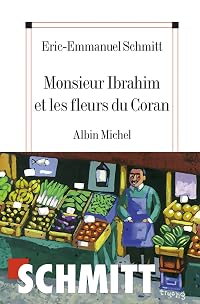
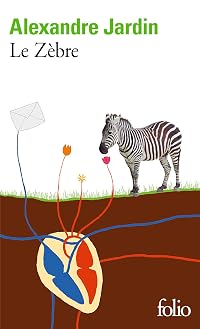
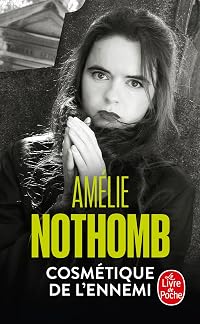

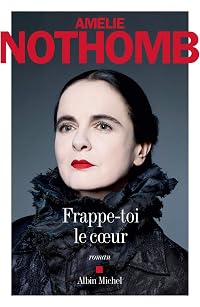
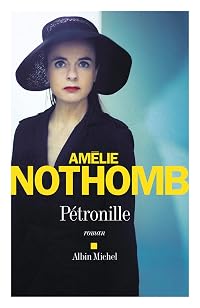
Member Recommendations
Mouney Quand Amélie Nothomb s'illustre et se met en scène dans ses livres, c'est tout simplement désopilant!
Member Reviews
'I gave myself to the snow in the garden, I lay down beneath it and built a cathedral around me, I saw it slowly raising the walls, then the vaults, I was the recumbent figure with the cathedral all to myself, then the doors closed again and death came in search of me, white and gentle at first, then black and violent, it was going to take me away when my guardian angel came to save me at the very last minute.'
I read this odd but extremely entertaining 126 page novella in two sittings and less than two hours. Born in tragic circumstances, Plectrude is adopted as a baby by her loving aunt and uncle and raised as their third child. She is an eccentric child, unpopular at school but a star in her dance classes, imaginative and driven, show more cursed by her off-putting name and the allure of her dancer's eyes. The end of this strange story is surreal but effective. show less
I read this odd but extremely entertaining 126 page novella in two sittings and less than two hours. Born in tragic circumstances, Plectrude is adopted as a baby by her loving aunt and uncle and raised as their third child. She is an eccentric child, unpopular at school but a star in her dance classes, imaginative and driven, show more cursed by her off-putting name and the allure of her dancer's eyes. The end of this strange story is surreal but effective. show less
A new-to-me author, this odd little book surprisingly held my interest. Its bizarre characters tell an even more bizarre story of a woman who killed the father of her unborn child because he wanted to give the baby a boring name (Joëlle). As soon as the baptism takes place, naming the child Plectrude, mother commits suicide. And that's just the beginning!
Plectrude doesn't do well at school but is accepted by école des rats to study ballet - not that ballet worked out any better. Nevertheless, Nothomb touches on some profound topics. The ending, where the author appears to have run out of ideas, is fittingly weird.
Anyone who enjoys absurd humour might appreciate this book.
Plectrude doesn't do well at school but is accepted by école des rats to study ballet - not that ballet worked out any better. Nevertheless, Nothomb touches on some profound topics. The ending, where the author appears to have run out of ideas, is fittingly weird.
Anyone who enjoys absurd humour might appreciate this book.
A rather disturbing and definitely absurdist sort of Ugly Duckling story.
It features Plectrude, an orphan born of a mother who murdered her father when he suggested a silly name for their baby. Her mother then committed suicide, leaving Plectrude to be brought up by her sister, who always wanted to be a ballerina. Plectrude has a difficult time at school, but then gets accepted by the ballet school, and learns to be anorexic before finally finding love and becoming a swan.
I hope that real ballet school is not al all like that in this book, where the girls are ruled by a rod of iron that make them willingly starve themselves and drive their emaciated bodies to the absolute limits of their endurance. The vicarious pleasure that show more Plectrude's aunt took in her charge's body was troubling.
Both serious and silly, this short little novel has plenty to say for itself, and I enjoyed it - racing through to see how Plectrude would fare in life, especially once she finds out about her mother. show less
It features Plectrude, an orphan born of a mother who murdered her father when he suggested a silly name for their baby. Her mother then committed suicide, leaving Plectrude to be brought up by her sister, who always wanted to be a ballerina. Plectrude has a difficult time at school, but then gets accepted by the ballet school, and learns to be anorexic before finally finding love and becoming a swan.
I hope that real ballet school is not al all like that in this book, where the girls are ruled by a rod of iron that make them willingly starve themselves and drive their emaciated bodies to the absolute limits of their endurance. The vicarious pleasure that show more Plectrude's aunt took in her charge's body was troubling.
Both serious and silly, this short little novel has plenty to say for itself, and I enjoyed it - racing through to see how Plectrude would fare in life, especially once she finds out about her mother. show less
Gothic Nirvana! Each novella I read by Nothomb makes my skin go all bumpy. She oozes such beautiful, dark, twisted and elegant writing.
This story follows the tragic story of Plectrude, an orphan taken in by her Aunt. The background of this girl is tragic and what happens throughout the story is deeply tragic. TRAGEDY! Oh, how I love thee. For some reason I'm pulled in when a story contains anything twisted, dark and tragic. I believe it must be due to the fact that this makes something unusual, and unusual things make interesting things. Nothomb not only knows how to turn a mundane story into something so much more, but she can also play with some of the best Authors in the Gothic genre. I must devour more of her novellas... more I say!
This story follows the tragic story of Plectrude, an orphan taken in by her Aunt. The background of this girl is tragic and what happens throughout the story is deeply tragic. TRAGEDY! Oh, how I love thee. For some reason I'm pulled in when a story contains anything twisted, dark and tragic. I believe it must be due to the fact that this makes something unusual, and unusual things make interesting things. Nothomb not only knows how to turn a mundane story into something so much more, but she can also play with some of the best Authors in the Gothic genre. I must devour more of her novellas... more I say!
Has all the qualities that make me love Nothomb's writing: a storytelling that is deceptively simple, clear and exact. A story that is light in it's tone, but with sharp teeth hiding behind a casual smile. And a twist at the end that has the same sort of quality as a punchline in a joke (without being very funny) in that it makes everything fall into place in a completely new way, tilitng the perspective.
120 slim pages, used with a nonchalant, skipping lightness that make the pages turn themselves. I'm always left with the feeling that I've read Nothomb's books too quickly. This is no exception. A bitter bonbon of a book.
120 slim pages, used with a nonchalant, skipping lightness that make the pages turn themselves. I'm always left with the feeling that I've read Nothomb's books too quickly. This is no exception. A bitter bonbon of a book.
This is a subversive modern fairytale. The story of an exceptional girl, Plectrude, who eventually escapes the curse of being exceptional.
For such a short, fey, novel, there are some very deep themes - how much of our identity is formed by our treatment by others and how much comes from within ourselves? What does it mean to be different? How much of an effect does fate have?
I have taken half a star off because of the silly ending - not something that should bar you from reading the book, but it will have you shaking your head.
For such a short, fey, novel, there are some very deep themes - how much of our identity is formed by our treatment by others and how much comes from within ourselves? What does it mean to be different? How much of an effect does fate have?
I have taken half a star off because of the silly ending - not something that should bar you from reading the book, but it will have you shaking your head.
A chaque livre, Amélie Nothomb parvient à m'entraîner en quelques pages dans son univers sans que je sache encore pourquoi. Sans doute la part d'imagination, d'absurdité qui fait son style. Le Robert des noms propres ne déroge pas à la règle. Il n'y a que la conclusion qui m'a laissé sur ma faim: certes originale, elle m'a paru nuire à la continuité et à la logique du récit.
Et Plectrude, quel prénom!
Les deux plus belles trouvailles de l'écrivain:
Et Plectrude, quel prénom!
Les deux plus belles trouvailles de l'écrivain:
L'assassinat a ceci de comparable avec l'acte sexuel qu'il est souvent suivi de la même question: que faire du corps?
En l'espace d'une heure, Plectrude passa du statut de simplette à celui de génie. (...) Ce changement de terminologie comportait des avantages, comme ne tardashow more
pas à le remarquer la petite. (...) A présent, quand elle ne venait pas à bout d'une opération simple, la maîtresse la contemplait comme l'albatros de Baudelaire, que son intelligence de géante empêchait de calculer, et ses condisciples avaient honte d'en trouver sottement la solution.show less
Members
- Recently Added By
Published Reviews
ThingScore 100
Smaller isn't always better, but sometimes power is best contained in miniature. "The Book of Proper Names" is a slim volume packed with wit, imagination and cleverly spun characters. Belgian writer Amélie Nothomb, once deemed France's "literary lioness," captivates with her sharp description and delicate control over the story of Plectrude, a fairy-tale name for an otherworldly girl who show more doesn't quite belong.
Nothomb's portrait of the freedom of childhood and the haunting confusion of adolescence is at once charming and brutal. Plectrude's life is marked by changes in body, soul, connections to friends and parents, and her place in the world, and though she may be unlike us, she struggles and suffers for what is at the core of each of our lives. show less
Nothomb's portrait of the freedom of childhood and the haunting confusion of adolescence is at once charming and brutal. Plectrude's life is marked by changes in body, soul, connections to friends and parents, and her place in the world, and though she may be unlike us, she struggles and suffers for what is at the core of each of our lives. show less
added by kidzdoc
Nothomb's darkly satirical novellas, most of them unashamedly semi-autobiographical, are bestsellers in France, and this is a disturbing, fantastical moral tale for our times. Plectrude's adolescent years as an anorexic in a brutal ballet school, where the girls exercise until they ache and are encouraged to starve themselves, are extraordinarily vivid. "Here there was no tenderness in the show more eyes of the adults," Nothomb writes, "merely a scalpel to slice away the last slice of childhood." With the loss of weight, Plectrude also loses feeling, until she starves herself of so much calcium that she breaks her leg and is told by the doctors that she can never dance again.
There is a poetic, elliptical quality to Nothomb's sparse, precise prose. She captures the crucial aspects of growing up with a light yet darkly comic touch; first crushes, fascination with death, the need for a destiny, the disillusionment with parents - it's all here. But so, too, is the troubled symbiosis between childhood and adolescence, and the acute agony for both mother and daughter when the child who was raised as a princess becomes an ugly disappointment as a teenager.
She has 12 novels in print around the world, so it is astonishing that British publishers haven't discovered Nothomb's perverse, wacky wit and fertile imagination before now. But for me it is her astute understanding of growing up and the damage done by mothers who see their daughters merely as extensions of themselves that has left its mark. show less
There is a poetic, elliptical quality to Nothomb's sparse, precise prose. She captures the crucial aspects of growing up with a light yet darkly comic touch; first crushes, fascination with death, the need for a destiny, the disillusionment with parents - it's all here. But so, too, is the troubled symbiosis between childhood and adolescence, and the acute agony for both mother and daughter when the child who was raised as a princess becomes an ugly disappointment as a teenager.
She has 12 novels in print around the world, so it is astonishing that British publishers haven't discovered Nothomb's perverse, wacky wit and fertile imagination before now. But for me it is her astute understanding of growing up and the damage done by mothers who see their daughters merely as extensions of themselves that has left its mark. show less
added by kidzdoc
Lists

french letters
18 works; 1 member
Author Information

Some Editions
Awards and Honors
Distinctions
Series
Belongs to Publisher Series
Common Knowledge
- Canonical title
- The Book of Proper Names
- Original title
- Robert des noms propres
- Alternate titles*
- Словарь имен собственных
- Original publication date
- 2002
- People/Characters
- Lucette; Fabien; Clemence; Plectrude; Mathieu Saladin
- Important places
- Ecole des Rats, Paris, France
- First words
- Lucette was in her eighth hour of insomnia.
- Quotations
- Now, when she couldn't get to the end of a simple task, the teacher contemplated her like the albatross in Baudelaire's poem: her massive intelligence prevented her from doing basic adding and subtracting. Her fellow pupils w... (show all)ere ashamed at having so stupidly reached a solution.
She always had to be center stage, she had to surround herself with grandeur, to seek out dangers where there were none, and then to miraculously emerge from them.
And the fact that this insanity adheres to a code does nothing to diminish the deranged aspect of the whole idea of classical ballet: that it is composed of a set of techniques designed to make human flight seem possible and ... (show all)reasonable. Consequently, why would anyone be surprised by the grotesquely gothic context in which this happens? Why should anyone expect that such a demented project be adopted by individuals of sound mind?
It may be that within the universe of the written word is a work that will turn each person into a reader, should fate allow that to happen. What Plato says about the loving half - that other part of us floating around somewh... (show all)ere, and which must be found if we are not to remain incomplete until our dying day - is even more true where books are concerned.
Ten is the most sunlit point in childhood. There is no sign of adolescence visible on the horizon: nothing but mature childhood, already rich in long experience, without the feeling of loss that assaults you from the first hi... (show all)nts of puberty onward.
Sans doute chaque être a-t-il, dans l'univers de l'écrit, une oeuvre qui le transformera en lecteur, à supposer que le destin favorise leur rencontre. Ce que Platon dit de la moitié amoureuse, cet autre qui circule quelqu... (show all)e part et qu'il convient de trouver, sauf à demeurer incomplet jusqu'au jour du trépas, est encore plus vrai pour les livres. - Last words
- (Click to show. Warning: May contain spoilers.)As things stand, Plectrude and Mathieu still haven't come up with a solution.
- Original language
- French
*Some information comes from Common Knowledge in other languages. Click "Edit" for more information.
Classifications
Statistics
- Members
- 663
- Popularity
- 43,655
- Reviews
- 19
- Rating
- (3.41)
- Languages
- 10 — Dutch, English, French, German, Italian, Lithuanian, Polish, Portuguese, Romanian, Spanish
- Media
- Paper, Audiobook, Ebook
- ISBNs
- 22
- ASINs
- 6