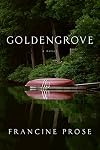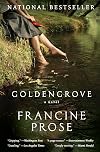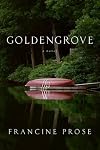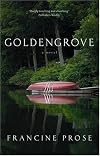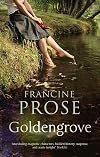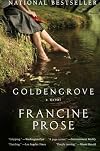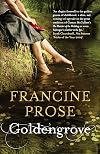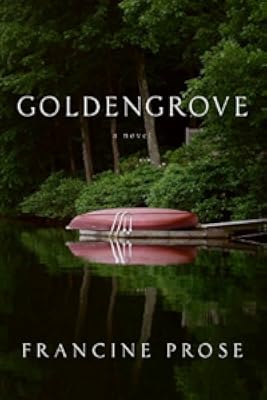
Goldengrove
by Francine Prose
On This Page
Description
A young girl faces the consequences of sudden loss after the death of her sister. As her parents drift toward their own risky consolations, thirteen-year-old Nico is left alone to grope toward understanding and clarity, falling into a seductive, dangerous relationship with her sister's enigmatic boyfriend. Over one haunted summer, Nico must face that life-changing moment when children realize their parents can no longer help them. She learns about the power of art, of time and place, the show more mystery of loss and recovery. But for all the darkness at the novel's heart, the narrative itself is radiant with the lightness of summer and charged by the restless sexual tension of teenage life. show lessTags
Recommendations












Member Reviews
The Short of It:
An unsettling look at what happens to a family when a loved one is suddenly no more.
The Rest of It:
I've often wondered about death. Death that results from illness is quite different than a death that results from an accident or a sudden heart attack. In this novel, Margaret dies suddenly. Her family has no time to prepare themselves for the loss and for Nico, Margaret's younger sister, it's as if Margaret is there one minute and gone the next. How does a family deal with such a loss?
As Nico struggles with her grief, she realizes that Aaron, Margaret's boyfriend is really the only person that understands what she is going through. They form an unlikely friendship which at times seems inappropriate but seeing what these show more two have been through, and what Margaret meant to them, all I saw were two people in a lot of pain trying desperately to overcome their grief.
Francine Prose does a remarkable job of describing what Nico is feeling and although Margaret was not on the page for long, you definitely get a feel for her personality as these characters look back on their moments with her. Many have said that Nico seems older than her thirteen years. This may be true, but to me she came across as an 'old soul' which made her relationship with Aaron a bit easier for me to understand.
As Prose takes us through the novel, Nico sees signs that Margaret is still with her. I've always been fascinated by signs. They function as a form of comfort and generally exist to help us through a crisis. Prose does a wonderful job of providing comfort to Nico in the way of signs and whether or not you believe they exist in real life doesn't really matter, because they exist realistically within the novel.
I had one small quibble with Aaron. At the beginning of the novel, a comment is made which might lead the reader to think that all is not right with Aaron. As I was reading, I kept waiting for that secret to be revealed but in my opinion nothing was revealed. I felt that his actions were motivated by his loss so perhaps I missed something there.
This novel was a very quick read. Once I started it, I could not put it down. The prose was easy to follow and I cared about the characters and what they were going through. This was my first experience with Prose's writing style but it definitely won't be my last. show less
An unsettling look at what happens to a family when a loved one is suddenly no more.
The Rest of It:
I've often wondered about death. Death that results from illness is quite different than a death that results from an accident or a sudden heart attack. In this novel, Margaret dies suddenly. Her family has no time to prepare themselves for the loss and for Nico, Margaret's younger sister, it's as if Margaret is there one minute and gone the next. How does a family deal with such a loss?
As Nico struggles with her grief, she realizes that Aaron, Margaret's boyfriend is really the only person that understands what she is going through. They form an unlikely friendship which at times seems inappropriate but seeing what these show more two have been through, and what Margaret meant to them, all I saw were two people in a lot of pain trying desperately to overcome their grief.
Francine Prose does a remarkable job of describing what Nico is feeling and although Margaret was not on the page for long, you definitely get a feel for her personality as these characters look back on their moments with her. Many have said that Nico seems older than her thirteen years. This may be true, but to me she came across as an 'old soul' which made her relationship with Aaron a bit easier for me to understand.
As Prose takes us through the novel, Nico sees signs that Margaret is still with her. I've always been fascinated by signs. They function as a form of comfort and generally exist to help us through a crisis. Prose does a wonderful job of providing comfort to Nico in the way of signs and whether or not you believe they exist in real life doesn't really matter, because they exist realistically within the novel.
I had one small quibble with Aaron. At the beginning of the novel, a comment is made which might lead the reader to think that all is not right with Aaron. As I was reading, I kept waiting for that secret to be revealed but in my opinion nothing was revealed. I felt that his actions were motivated by his loss so perhaps I missed something there.
This novel was a very quick read. Once I started it, I could not put it down. The prose was easy to follow and I cared about the characters and what they were going through. This was my first experience with Prose's writing style but it definitely won't be my last. show less
This book is very well written. It's the perfect view of a family torn apart by grief that eventually brings them around again, into changed people.
Although I found it strange at first, I especially liked the dynamic between Aaron and Nico. I watched their attempt at trying to navigate through their grief together, fall into some sort of love-crush relationship, bonding over the death of Margaret. It sours when Nico realizes that Aaron is trying to turn her into Margaret, to get her back, in a way. Prose does an excellent job of making Aaron's physical attempts on Nico vivid and intense without being overly graphic or brutal.
Although I found it strange at first, I especially liked the dynamic between Aaron and Nico. I watched their attempt at trying to navigate through their grief together, fall into some sort of love-crush relationship, bonding over the death of Margaret. It sours when Nico realizes that Aaron is trying to turn her into Margaret, to get her back, in a way. Prose does an excellent job of making Aaron's physical attempts on Nico vivid and intense without being overly graphic or brutal.
Goldengrove by Francine Prose
Thirteen year old Nico plans to spend the summer with her sister before Margaret leaves for college. But Margaret drowns quietly in the lake and Nico is left stunned and devastated. She is unable to deal with anything that reminds her of Margaret until her sister's boyfriend, Aaron, suggests an experiment, that they together do the things that Margaret loved. Margaret, who could sing "My Funny Valentine" and bring people to tears, who loved jazz, poetry, and old movies. Nico's parents never approved of Aaron, so Nico has to sneak behind their backs. But her mother is busy self-medicating and her father, who owns a bookstore, is writing a book about how cultures imagine the end of the world. But Nico starts show more to get in over her head with Aaron, and is torn between her sister's identity and her own.
Goldengrove is a beautifully written novel dealing with family grief and coming of age. While the plot suggests a depressing read, it isn't in the hands of Prose. It is moving and touching and hopeful. While her parents have their own issues, they are not neglectful and Nico has a very close relationship with her dad. Though their world has been shattered, they do attempt family normalcy. Nico and her dad eat lunch daily, before she goes to work afternoons in Goldengrove, the family bookstore and he discussed his book with her. Margaret had a heart problem and Nico is convinced she does, too and reads medical books while her dad writes, trying to diagnose herself, convinced she is dying. The only thing she looks forward to is spending time with Aaron, reminiscing about Margaret. But Aaron is looking for Nico to be Margaret.
Nico is an interesting, sympathetic character, wise beyond her years, coping with a horrible loss. There are no real dramatic moments in this novel, but it is not a slow read. The words are lyrical and poetic. "When I think of that time, I picture the four of us wading in the shallows, admiring our reflections in the glassy, motionless lake. Then something -a pebble, a raindrop- breaks the surface and shatters the mirror. A ripple reaches the distant bank. Our years of bad luck begin."
I have never read anything by Francine Prose before and discovered that she has written several novels. I plan to read more works by her in the future. I highly recommend this touching story. show less
Thirteen year old Nico plans to spend the summer with her sister before Margaret leaves for college. But Margaret drowns quietly in the lake and Nico is left stunned and devastated. She is unable to deal with anything that reminds her of Margaret until her sister's boyfriend, Aaron, suggests an experiment, that they together do the things that Margaret loved. Margaret, who could sing "My Funny Valentine" and bring people to tears, who loved jazz, poetry, and old movies. Nico's parents never approved of Aaron, so Nico has to sneak behind their backs. But her mother is busy self-medicating and her father, who owns a bookstore, is writing a book about how cultures imagine the end of the world. But Nico starts show more to get in over her head with Aaron, and is torn between her sister's identity and her own.
Goldengrove is a beautifully written novel dealing with family grief and coming of age. While the plot suggests a depressing read, it isn't in the hands of Prose. It is moving and touching and hopeful. While her parents have their own issues, they are not neglectful and Nico has a very close relationship with her dad. Though their world has been shattered, they do attempt family normalcy. Nico and her dad eat lunch daily, before she goes to work afternoons in Goldengrove, the family bookstore and he discussed his book with her. Margaret had a heart problem and Nico is convinced she does, too and reads medical books while her dad writes, trying to diagnose herself, convinced she is dying. The only thing she looks forward to is spending time with Aaron, reminiscing about Margaret. But Aaron is looking for Nico to be Margaret.
Nico is an interesting, sympathetic character, wise beyond her years, coping with a horrible loss. There are no real dramatic moments in this novel, but it is not a slow read. The words are lyrical and poetic. "When I think of that time, I picture the four of us wading in the shallows, admiring our reflections in the glassy, motionless lake. Then something -a pebble, a raindrop- breaks the surface and shatters the mirror. A ripple reaches the distant bank. Our years of bad luck begin."
I have never read anything by Francine Prose before and discovered that she has written several novels. I plan to read more works by her in the future. I highly recommend this touching story. show less
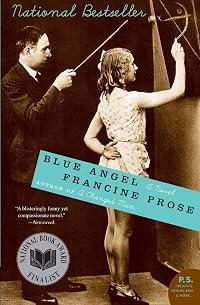
My third read by Francine Prose bore some resemblance to Blue Angel, which was a disturbing book for an English professor to read. It involves a sexy, manipulative student who plunges an instructor into a world of chaos. Prose’s Reading Like a Writer, the first I read, had so much clarity and good sense, it drove me to her fiction. I foresee another dozen titles by Prose on my bookshelves.
The narrator, Nico, lives in an idyllic, lake-side cottage with her father, who owns a book store named Goldengrove, her mother -- a piano teacher -- and her sister, Margaret. Margaret has a secret life, and after a tragedy, Nico seems headed into secrets of her own. I felt the same sense of foreboding I experienced with Blue Angel while reading show more Goldengrove, but her spectacular, lyrical prose has an element of poetry in every line, and that alone drove me on to the tense ending.
I underlined numerous wonderful lines, for example: “Now we acted as if the tiniest pressure could shatter our eggshell selves” (84) and “That Sunday, that first Sunday in May, was so warm I couldn’t help wondering: Was it simply a beautiful day, or a symptom of global warming? Even the trees looked uncomfortable, naked and embarrassed, as if they were all simultaneously having that dream in which you look down and realize you’ve forgotten to put on your clothes” (2). Well, I have had that dream, and I know exactly how Nico feels in this scene.
This psychological portrait of a family dealing with loss calls to mind Tolstoy’s opening line of Anna Karenina. To paraphrase, all members of an unhappy family handle their unhappiness in different ways. However, this book never really strikes a sustained depressing note. 5 stars
--Jim, 10/11/09 show less
The narrator, Nico, lives in an idyllic, lake-side cottage with her father, who owns a book store named Goldengrove, her mother -- a piano teacher -- and her sister, Margaret. Margaret has a secret life, and after a tragedy, Nico seems headed into secrets of her own. I felt the same sense of foreboding I experienced with Blue Angel while reading show more Goldengrove, but her spectacular, lyrical prose has an element of poetry in every line, and that alone drove me on to the tense ending.
I underlined numerous wonderful lines, for example: “Now we acted as if the tiniest pressure could shatter our eggshell selves” (84) and “That Sunday, that first Sunday in May, was so warm I couldn’t help wondering: Was it simply a beautiful day, or a symptom of global warming? Even the trees looked uncomfortable, naked and embarrassed, as if they were all simultaneously having that dream in which you look down and realize you’ve forgotten to put on your clothes” (2). Well, I have had that dream, and I know exactly how Nico feels in this scene.
This psychological portrait of a family dealing with loss calls to mind Tolstoy’s opening line of Anna Karenina. To paraphrase, all members of an unhappy family handle their unhappiness in different ways. However, this book never really strikes a sustained depressing note. 5 stars
--Jim, 10/11/09 show less
I forced myself to finish this book, probably because I kept thinking it would have to get better, that something important was going to happen. Nope. It was just a long, excruciatingly sad slow buildup to nothing. And all that mawkish, sappy teenage angst stuff, along with the grief psychobabble. Where was the rising action, climax and denouement? And sorry, but all that final tidying up of loose ends in the final chapters just didn't work for me. This book should have been clearly labeled YA, and maybe 'chick lit' YA at that. Only my opinion, I know, and as a friend of mine used to say, "Opinions are like a**holes. Everybody's got one."
I'm still thinking about the book, which I just finished reading this morning, breathing a sigh of show more relief - and disappointment. Like the rapture stuff in the book, maybe she should have titled it, "The Great Disappointment." I'm afraid I can't give it more than two stars. Again, my opinion. But I'm glad I only paid a few bucks for this book off a remainder table.
If you wanna read a really good Francine Prose book, then try BLUE ANGEL. That one really grabbed me and kept me going. A rather frighteningly good book, actually. Maybe that's why this one so surprised and disappointed me.
Or if you wanna read a really good book also called GOLDENGROVE, then hunt up a copy of Darryl Ponicsan's novel from the 70s. He was the author of THE LAST DETAIL and I read all of his books until he disappeared into the neverland of screenwriting out west, not so surprising, I suppose, considering his uncanny ear for dialogue that always rang true. Now he's turned to painting in the Sonoma Valley.
So here I am writing about other books (and authors) instead of Prose's GOLDENGROVE. Maybe because I kept thinking, while reading it, that I would rather be reading something else - something better. To borrow an expression from her book, this read was a "Debbie Downer." show less
I'm still thinking about the book, which I just finished reading this morning, breathing a sigh of show more relief - and disappointment. Like the rapture stuff in the book, maybe she should have titled it, "The Great Disappointment." I'm afraid I can't give it more than two stars. Again, my opinion. But I'm glad I only paid a few bucks for this book off a remainder table.
If you wanna read a really good Francine Prose book, then try BLUE ANGEL. That one really grabbed me and kept me going. A rather frighteningly good book, actually. Maybe that's why this one so surprised and disappointed me.
Or if you wanna read a really good book also called GOLDENGROVE, then hunt up a copy of Darryl Ponicsan's novel from the 70s. He was the author of THE LAST DETAIL and I read all of his books until he disappeared into the neverland of screenwriting out west, not so surprising, I suppose, considering his uncanny ear for dialogue that always rang true. Now he's turned to painting in the Sonoma Valley.
So here I am writing about other books (and authors) instead of Prose's GOLDENGROVE. Maybe because I kept thinking, while reading it, that I would rather be reading something else - something better. To borrow an expression from her book, this read was a "Debbie Downer." show less
I'd allowed myself to drift into that hushed and watery border zone...
Is an example of the word pictures created by Francine Prose. This is a story of sadness and loss, grief and discovery. A story told in the voice of Nico, the sister left behind.
Nico's family struggles to survive the death of a beloved child. A whimsical, talented and loving girl just beginning to become a woman. The angst and the fear that it could have been prevented if only something were different, or someone had done or not done this or that.
To be honest, this is a story that has been told before, but rarely in such a compelling and beguiling way. I read Goldengrove in one sitting. I had to know how it ended for Nico. It is her story.
Is an example of the word pictures created by Francine Prose. This is a story of sadness and loss, grief and discovery. A story told in the voice of Nico, the sister left behind.
Nico's family struggles to survive the death of a beloved child. A whimsical, talented and loving girl just beginning to become a woman. The angst and the fear that it could have been prevented if only something were different, or someone had done or not done this or that.
To be honest, this is a story that has been told before, but rarely in such a compelling and beguiling way. I read Goldengrove in one sitting. I had to know how it ended for Nico. It is her story.
I liked this book more than I expected to based on having read Prose's nonfiction title "Reading Like a Writer." The narrator, Nico, is instantly recognizable as a girl in her early teens, just on the cusp of being an adolescent and not a child any longer. This book provides what feels like a very authentic window into profound grief, describing it in ways that seem to make sense even to someone who has not experienced such a loss as the sudden and untimely death of a sister. There is some fairly twisted stuff at the end, but the book never reaches past the point of believability. I also enjoyed how poetry, music and films are folded into the book in different, completely relevant ways. Made me want to read more of Prose's fiction.
Members
- Recently Added By
Author Information

63+ Works 12,993 Members
Francine Prose was born on April 1, 1947. She graduated from Radcliffe College in 1968. She received the PEN Translation Prize in 1988 and received a Guggenheim fellowship in 1991. Francine Prose novel The Glorious Ones, has been adapted into a musical with the same title by Lynn Ahrens and Stephen Flaherty. It ran at the Mitzi E. Newhouse Theater show more at Lincoln Center in New York City in the fall of 2007. Prose has served as president of PEN American Center, a New York City based literary society of writers, editors, and translators that works to advance literature in 2007 and 2008. Prose novel, Blue Angel, a satire about sexual harassment on college campuses, was a finalist for the National Book Award. One of her novels, Household Saints, was adapted for a movie by Nancy Savoca. In 2014 her title Lovers at the Chameleon Club - Paris 1932, made The New York Times Best Seller List. (Bowker Author Biography) show less
Awards and Honors
Distinctions
Common Knowledge
- Canonical title
- Goldengrove
- Original publication date
- 2008-09-16
- People/Characters
- Margaret [in Goldengrove]; Nico [in Goldengrove]; Aaron [in Goldengrove]; Elaine [in Goldengrove]; Daisy [in Goldengrove]; Henry [in Goldengrove]
- Important places
- Mirror Lake
- Epigraph
- Margaret, are you grieving
Over Goldengrove unleaving?
Leaves, like the things of man, you
With your fresh thoughts care for, can you?
Ah! as the heart grows older
It will come to such sights colder
By and b... (show all)y, nor spare a sigh
Though worlds of wanwood leafmeal lie;
And yet you will weep and know why.
Now no matter, child, the name:
Sorrow's springs are the same.
Nor mouth had, no nor mind, expressed
What heart heard of, ghost guessed:
It is the blight man was born for,
It is Margaret you mourn for.
--Gerard Manley Hopkins,
"Spring and Fall: To a Young Child" - Dedication
- In memory of my mother, Jessie
- First words
- We lived on the shore of Mirror Lake, and for many years our lives were as calm and transparent as its waters.
- Last words
- (Click to show. Warning: May contain spoilers.)I was grateful to him for calling me back and reminding me where I belonged, in the clamorous, radiant, painfully beautiful kingdom of the living.
- Blurbers
- McMurtry, Larry; Banks, Russell; Shteyngart, Gary; Spencer, Scott
Classifications
Statistics
- Members
- 617
- Popularity
- 47,321
- Reviews
- 37
- Rating
- (3.48)
- Languages
- Dutch, English, French, Spanish
- Media
- Paper, Audiobook, Ebook
- ISBNs
- 20
- ASINs
- 8