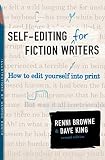
Self-Editing for Fiction Writers
by Renni Browne
On This Page
Description
Hundreds of books have been written on the art of writing. Here at last is a book by two professional editors to teach writers the techniques of the editing trade that turn promising manuscripts into published novels and short stories. In this completely revised and updated second edition, Renni Browne and Dave King teach you, the writer, how to apply the editing techniques they have developed to your own work. Chapters on dialogue, exposition, point of view, interior monologue, and other show more techniques take you through the same processes an expert editor would go through to perfect your manuscript. Each point is illustrated with examples, many drawn from the hundreds of books Browne and King have edited. show lessTags
Recommendations
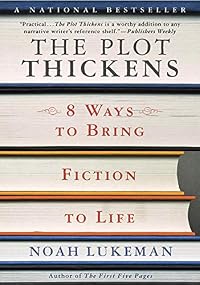
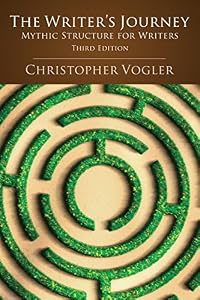
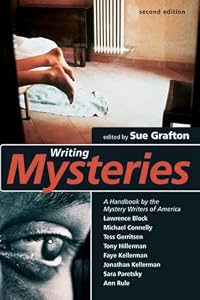
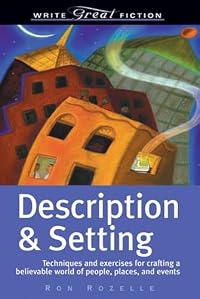

Member Reviews
Rules for Writing Bloodless Prose
The deeper I read into this book, the more it seemed each chapter was a scalpel given the writer to flay a manuscript, stripping off the flesh, blood, and muscle, and leaving a desiccated heap of bones. Strip out narrative summary, strip out adjectives and adverbs, strip out description, strip out exclamation points and italics. I was gratified to find, upon picking up a prize-winning or best-selling book, that their authors ignore these rules, if they ever even heard of them. Examples:
1. Always use “said” as a speaker attribution, not “he growled,” “she snapped,” etc., which “explain” the dialogue. From “Harry Potter and the Sorcerer’s Stone,” ch. 2: she screeched, she demanded, show more his aunt snapped, Uncle Vernon suggested, snapped Aunt Petunia, she cried, he whined, Dudley ordered, Harry murmured, Dudley moaned.
2. Eliminate almost all –ly adverbs, because, among other sins, they are “lazy writing” and “patronize” the reader.
From “The Godfather” by Mario Puzo, ch. 1: formidably, physically, harshly, impressively, slyly, hoarsely, garishly, delicately, perfectly, mockingly, sadly, fiercely, strongly, shrewdly, lewdly, gaily, easily, thickly, powerfully, fully, disdainfully, angrily, easily, elaborately, immensely, lecherously, respectfully, notoriously, joyfully, casually, thoroughly, lightly, cheerfully, surely, carefully, vigorously, apologetically, inquiringly, slowly, incredulously, personally, prudently, truly, gingerly, questioningly, anxiously, etc., etc.
3. Don’t write dialect phonetically. The authors quote a passage from Mark Twain’s “Huckleberry Finn,” with phrases like “I be ding-busted!” and decry it as “hard to follow,” that it must be “translated.” They quote approvingly from a passage in Catherine Cottle’s “The Price of Milk and Honey,” in which two allegedly poor southern blacks converse like two collegians at a campus Starbucks. For me, when I read Twain’s black characters, I hear their voices and see their faces; I am drawn into the scene with delight at the music of their speech. Reading modern dialect, where everyone speaks with perfect “King’s English” diction, strips individuality and poetry from dialogue.
I give the book credit because it does help the novice to avoid the worst offenses of hack writers. And they are honest that the decline of modern fiction has been driven by TV and movies; an MTV-addled generation, with their twitchy attention span, lacks the sustained focus great literature requires. But follow all the rules to the letter and you end up with a lifeless skeleton of a story. The masters, as quoted above, know better. show less
The deeper I read into this book, the more it seemed each chapter was a scalpel given the writer to flay a manuscript, stripping off the flesh, blood, and muscle, and leaving a desiccated heap of bones. Strip out narrative summary, strip out adjectives and adverbs, strip out description, strip out exclamation points and italics. I was gratified to find, upon picking up a prize-winning or best-selling book, that their authors ignore these rules, if they ever even heard of them. Examples:
1. Always use “said” as a speaker attribution, not “he growled,” “she snapped,” etc., which “explain” the dialogue. From “Harry Potter and the Sorcerer’s Stone,” ch. 2: she screeched, she demanded, show more his aunt snapped, Uncle Vernon suggested, snapped Aunt Petunia, she cried, he whined, Dudley ordered, Harry murmured, Dudley moaned.
2. Eliminate almost all –ly adverbs, because, among other sins, they are “lazy writing” and “patronize” the reader.
From “The Godfather” by Mario Puzo, ch. 1: formidably, physically, harshly, impressively, slyly, hoarsely, garishly, delicately, perfectly, mockingly, sadly, fiercely, strongly, shrewdly, lewdly, gaily, easily, thickly, powerfully, fully, disdainfully, angrily, easily, elaborately, immensely, lecherously, respectfully, notoriously, joyfully, casually, thoroughly, lightly, cheerfully, surely, carefully, vigorously, apologetically, inquiringly, slowly, incredulously, personally, prudently, truly, gingerly, questioningly, anxiously, etc., etc.
3. Don’t write dialect phonetically. The authors quote a passage from Mark Twain’s “Huckleberry Finn,” with phrases like “I be ding-busted!” and decry it as “hard to follow,” that it must be “translated.” They quote approvingly from a passage in Catherine Cottle’s “The Price of Milk and Honey,” in which two allegedly poor southern blacks converse like two collegians at a campus Starbucks. For me, when I read Twain’s black characters, I hear their voices and see their faces; I am drawn into the scene with delight at the music of their speech. Reading modern dialect, where everyone speaks with perfect “King’s English” diction, strips individuality and poetry from dialogue.
I give the book credit because it does help the novice to avoid the worst offenses of hack writers. And they are honest that the decline of modern fiction has been driven by TV and movies; an MTV-addled generation, with their twitchy attention span, lacks the sustained focus great literature requires. But follow all the rules to the letter and you end up with a lifeless skeleton of a story. The masters, as quoted above, know better. show less
This was a highly rated editing book on Amazon, but even then, I was concerned that it would be dry or boring. I shouldn't have been. I can see why the ratings were so high - it is an excellent guide to honing technique, bit by bit. The thing that makes this book so compelling is that there are constant examples of mistakes or correct usage from both published and non-published stories. They covered a wide range of genres, too (I was happy to see an excerpt from a YA/sci-fi book I loved as a kid, Dogsbody). Those examples really made me actively think as I read; not just about the excerpts, but about how my own writing has improved and how I still make some of the common errors like having too many beats. The end of each chapters has show more checklists and exercises to further develop technique, such as re-spacing paragraphs or rewriting a few paragraphs of story from different points of view. The assignments are short and several can be done mentally; I fully intend to do some of these written exercises later.
This was the perfect book to read while I'm doing my first round of edits on my latest Nanowrimo manuscript. I've found myself making a lot more deletions of excess words, and the result seems tighter already. show less
This was the perfect book to read while I'm doing my first round of edits on my latest Nanowrimo manuscript. I've found myself making a lot more deletions of excess words, and the result seems tighter already. show less
There's some very useful information in this book. What I like about this book is that it gives lots of examples. It's a 'look and see' type of book, rather than waffling on about nothing. It has lots of clips from books and uses these to illustrate various points. Some of the points take a bit of seeing, but perseverance is key. Most of it is straight forward and cunning.
I do wish they had printed it on some decent paper so that the pages didn't flop about like a dead fish when you are trying to read it, but that cannot really be blamed on the authors or editors.
This is the second time I've read this book. It was worth going over the basics again, several years after the first reading. In a strange twist, the paper seems to have show more improved with age. It no longer flops about. show less
I do wish they had printed it on some decent paper so that the pages didn't flop about like a dead fish when you are trying to read it, but that cannot really be blamed on the authors or editors.
This is the second time I've read this book. It was worth going over the basics again, several years after the first reading. In a strange twist, the paper seems to have show more improved with age. It no longer flops about. show less
Which is more important for the budding writer — writing or re-writing? Are they even separable? Certainly the catalyst for the latter and spur to improved execution of the former is self-editing: reading over what you have written and finding ways to improve it. In this breezy survey of things to look for when you self-edit, the two authors gently introduce such subjects as “Show and Tell,” “Point of View,” “Dialogue Mechanics,” and “Voice.” Numerous exemplars from published novels are used as well as submissions from their own workshops which demonstrate the flaws. Each chapter ends with a checklist of the important points covered therein and a few exercises for the reader to put their new editing skills to the show more test.
I suppose each fiction writer will find a different chapter or set of chapters that will be of most use. For me, the advice found in the early chapters - “Resist the Urge to Explain,” or RUE for short - was definitely on the mark. Likewise the frequent recommendation to read your writing aloud in order to hear its flaws is apt. I also found the penultimate chapter, “Sophistication,” which concentrates on how to avoid the tired phraseology of hacks to be interesting.
This isn’t the last book on editing that you are likely to read, but it may be a useful one. show less
I suppose each fiction writer will find a different chapter or set of chapters that will be of most use. For me, the advice found in the early chapters - “Resist the Urge to Explain,” or RUE for short - was definitely on the mark. Likewise the frequent recommendation to read your writing aloud in order to hear its flaws is apt. I also found the penultimate chapter, “Sophistication,” which concentrates on how to avoid the tired phraseology of hacks to be interesting.
This isn’t the last book on editing that you are likely to read, but it may be a useful one. show less
i really wish there was an updated version of this because, as the authors note when they wrote it, conventions in fiction change and i'm not sure all of this remains pertinent. however, the beginning handful of chapters of this book are absolutely still relevant and were really helpful in how to think about editing things for better prose. it felt a little less helpful as it went on but the first seven or so chapters are well worth it.
This is a fantastic book! It is very well laid out, there is absolutely no fluff. If you have read books on writing previously, you know many are filled with "cute" stories, fun facts about the author. Their own long winded why's and basically a lot of useless information that has to be fished through to get to the meat of the book. This isn't that book. I love how dense it is, and I know it will be a go to reference book for me. We make tabs out of washi tape so we could quick reference the chapters as needed! If you are a writer, editor, or just a reviewer I recommend giving this book a read. It gives great perspective on how to build a great story.
There are lots of writing craft books around, but this one has an excellent reputation among writer groups. I can see why. It's a thorough, yet not overwhelming, primer on how to look at your own work with critical eyes and edit the living daylights out of it. The authors emphasize that you shouldn't follow their prescriptions too rigidly (as, so they say, people tended to do with the first edition of this book) and thus stay on the fine line between allowing writers the freedom they need to be creative, and preventing them from making the most obvious mistakes that all--ALL--writers make, especially in the formative years of their writing.
A shortish book with exercises that I didn't feel obliged to do before I moved onto the next show more section, lots of humor, and some gently funny cartoons to break up the text. Nice show less
A shortish book with exercises that I didn't feel obliged to do before I moved onto the next show more section, lots of humor, and some gently funny cartoons to break up the text. Nice show less
Members
- Recently Added By
Lists

Best Books on Writing for Writers
36 works; 18 members

The Great Courses: How to Write Best-Selling Fiction
36 works; 2 members
Author Information

2 Works 1,598 Members
Some Editions
Common Knowledge
- Canonical title
- Self-Editing for Fiction Writers
- Original publication date
- 1993
- Dedication
- In memory of Edwin Spotswood Dillard,
without whom there might be no Editorial Department,
nor would there be a Renni Dillard Browne. - First words
- Introduction-
Why self-editing?
Because self-editing is probably the only kind of editing your manuscript will ever get.
What's wrong with this paragraph: - Last words
- (Click to show. Warning: May contain spoilers.)Realistically, we can't really come up with a list of things to watch for as you improve your voice--there are no rules to becoming an individual. And the best exercise in developing your voice is to work on your own manuscript.
- Blurbers
- Stein, Sol; Demaris, Ovid; Block, Lawrence; Fisketjon, Gary; Carter, Robert A.
Classifications
Statistics
- Members
- 1,598
- Popularity
- 14,153
- Reviews
- 50
- Rating
- (4.18)
- Languages
- English
- Media
- Paper, Ebook
- ISBNs
- 4
- ASINs
- 5