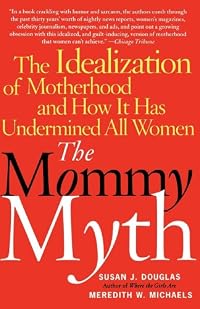
The Mommy Myth: The Idealization of Motherhood and How It Has Undermined All Women
by Susan J. Douglas, Meredith W. Michaels
On This Page
Description
Challenges idealized concepts about motherhood that compromise women's rights and empowerment, citing unrealistic parenting standards, media scare tactics, and negative attitudes that victimize both working and stay-at-home moms.Tags
Recommendations
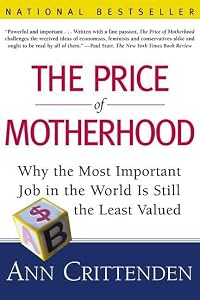
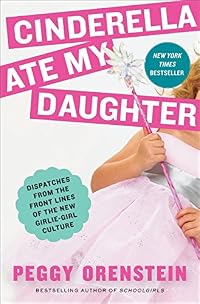
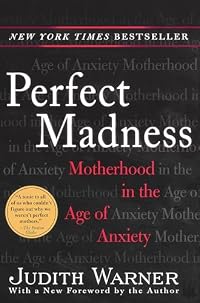
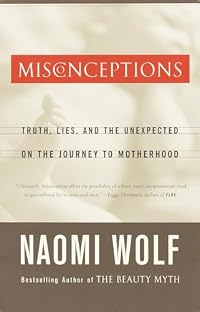
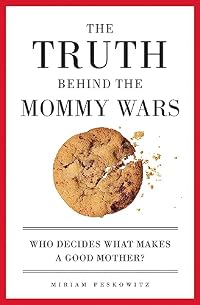
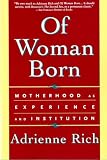
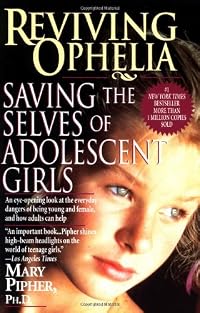
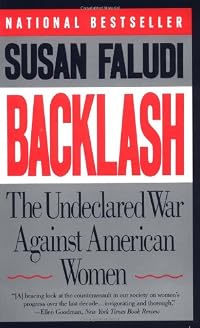
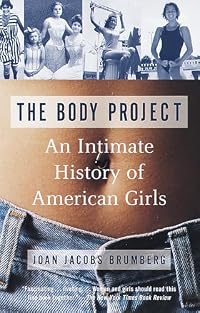
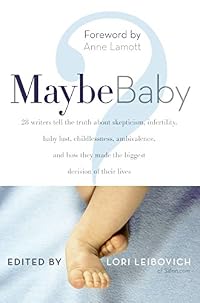
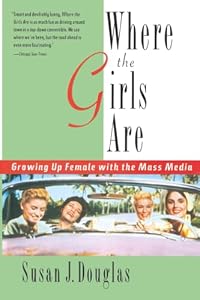
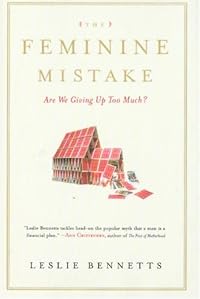






Member Recommendations
Member Reviews
As far as outlining how motherhood has been portrayed in the medias over the past five decades at least (e.g. newspapers, celebrity magazines, adverts, movies, soaps and series etc.) this book, it has to be said, is a great exposé.
Personally for instance, I fully agree with the authors that the myth of motherhood (and its gung-ho glorification and idealisation, no matter how harmful for women themselves...) is partly rooted in what Betty Friedan had called the "feminine mystique"; and so I fully agree with them to say that, far from having once and for all rejected such bogus, essentialist view, our Western societies have, on the contrary, felt right back into it and with a vengeance. It shows: from how mothers are being judged and show more scrutinised no matter the choices that they make to (far more concerning in my opinion as a father and fathers' right activists...) completely inane parenting and childcare laws, making a mockery of equality and equity, we still have a long way to go for the "mystique" to be truly and finally debunked!
Still on the positive side, I particularly welcomed how they are not shy in denouncing women themselves for still entertaining the mystique, by relying, in great part, on a mediatic bashing in which they have become fully complicit. The chapters on the so-called "mommy wars", for example, are as on point as those on a celebrity culture causing more harm than good. This, of course, certainly doesn't mean that they leave the men abiding to a patriarchal culture off the hook! As they rightly remind us, it's the media scares once entertained about childcare settings and mothers supposedly "neglecting" their kids that fully served the political agendas of the religious, ultra-capitalistic Right arching us back into traditional gender roles. Their focus is, here, on the USA back in the late 1980s and early 1990s, but when it comes to media scares to serve reactionary politics (e.g. women portrayed as better suited to be parents; men to be excluded from parenting legislations) nothing much has changed indeed, including in Britain (where I live) and where, obnoxiously enough, such reactionary views and media scares are currently being peddled, not by sexist patriarchs but... feminists themselves (but that's another debate...)!
Having said that, I took issues with certain aspects of this book too. Many other reviewers (and mothers especially) pointed it out already, but then it's true: for all their Grand Talk about rejecting the "mommy wars" the authors, nevertheless, echo some of its most obnoxious views. Women finding motherhood fulfilling by itself, and mothers choosing a traditional role of housewives over a career as a a result, for example, are here particularly mocked and ridiculed. I, for one, would have expected better than such laughing patronising coming from other women and mothers themselves.
Another tiring (and harmful) bashing is when it comes to fathers. In the end, I couldn't be bothered anymore to count how many times men as dads were being ridiculed and dismissed as being useless; unable to care for children; lazy slobs doing nothing round the house; cheats flying off with mistresses twice their age; and/ or just plain absentees because, y'know, men can't be bothered about parenting. Now, I get it, it's supposed to be a funny book with a sarcastic tone. The thing, though, is that for academics supposedly concerned about how representation can sabotage and damage whole groups of people, their clear inability to see the point when it comes to how such tiring yet never tired clichés entertained about fathers (neglected as they are since, again, parenting laws are currently everything but egalitarian...) is not an attitude that will bring gender equity any time soon...
On a side note I could, also, go on about some of the most jaw-dropping claims being made. In matter of feminism, for instance, it's one thing to be gung-ho in admiring the leading theoreticians of the second wave. But to have us swallowing that such theoreticians were not misandrists, anti-motherhood, and anti-family is, quite frankly, ludicrous. Shulamith Firestone, for example (since they dedicate entire pages celebrating her especially) was so against paternity and fatherhood that she preached the destruction of the family unit to be replaced by temporary, polygamous sexual contracts; the replacing of natural pregnancies by artificial means of reproductions so men wouldn't know who are their children; and, even, went as far as to fully condone paedophilia as a mean to "liberate women and their children" from fathers. That type of feminism is many things, but concerned about children's interest and gender equality and equity? Certainly not.
In the end, then, this book will be likeable or not only depending on what you are looking for in it. As an history of the mediatic portrayal of motherhood over the past decades, and how this portrayal has arched back women into harmful prejudices, this is a very enlightening read indeed. The more so since it makes women accountable for their own participating into such arch backing too. As an aspiring to gender equality and equity, though, it's, sadly, an epic fail. On the one hand, no mother should ever be scorned or attacked for her choices; yet the authors are doing just that by mis-portraying those valuing motherhood in and of itself. On the other hand, fathers deserve better than to be laughed and scorned at every corner if we truly want to debunk once and for all the sexist prejudices holding us back in matter of parenting; yet the authors fail, here too, to do so by (on the contrary!) peddling sexist, harmful clichés of their own when it comes to fatherhood. Ha! But they proudly identify, not only as feminists but, especially, feminists owning it to the second wave to have shaped their views. Question is, then: has this brand of feminism ever really been about equality? I have my opinion. I will leave it to you and yours. show less
Personally for instance, I fully agree with the authors that the myth of motherhood (and its gung-ho glorification and idealisation, no matter how harmful for women themselves...) is partly rooted in what Betty Friedan had called the "feminine mystique"; and so I fully agree with them to say that, far from having once and for all rejected such bogus, essentialist view, our Western societies have, on the contrary, felt right back into it and with a vengeance. It shows: from how mothers are being judged and show more scrutinised no matter the choices that they make to (far more concerning in my opinion as a father and fathers' right activists...) completely inane parenting and childcare laws, making a mockery of equality and equity, we still have a long way to go for the "mystique" to be truly and finally debunked!
Still on the positive side, I particularly welcomed how they are not shy in denouncing women themselves for still entertaining the mystique, by relying, in great part, on a mediatic bashing in which they have become fully complicit. The chapters on the so-called "mommy wars", for example, are as on point as those on a celebrity culture causing more harm than good. This, of course, certainly doesn't mean that they leave the men abiding to a patriarchal culture off the hook! As they rightly remind us, it's the media scares once entertained about childcare settings and mothers supposedly "neglecting" their kids that fully served the political agendas of the religious, ultra-capitalistic Right arching us back into traditional gender roles. Their focus is, here, on the USA back in the late 1980s and early 1990s, but when it comes to media scares to serve reactionary politics (e.g. women portrayed as better suited to be parents; men to be excluded from parenting legislations) nothing much has changed indeed, including in Britain (where I live) and where, obnoxiously enough, such reactionary views and media scares are currently being peddled, not by sexist patriarchs but... feminists themselves (but that's another debate...)!
Having said that, I took issues with certain aspects of this book too. Many other reviewers (and mothers especially) pointed it out already, but then it's true: for all their Grand Talk about rejecting the "mommy wars" the authors, nevertheless, echo some of its most obnoxious views. Women finding motherhood fulfilling by itself, and mothers choosing a traditional role of housewives over a career as a a result, for example, are here particularly mocked and ridiculed. I, for one, would have expected better than such laughing patronising coming from other women and mothers themselves.
Another tiring (and harmful) bashing is when it comes to fathers. In the end, I couldn't be bothered anymore to count how many times men as dads were being ridiculed and dismissed as being useless; unable to care for children; lazy slobs doing nothing round the house; cheats flying off with mistresses twice their age; and/ or just plain absentees because, y'know, men can't be bothered about parenting. Now, I get it, it's supposed to be a funny book with a sarcastic tone. The thing, though, is that for academics supposedly concerned about how representation can sabotage and damage whole groups of people, their clear inability to see the point when it comes to how such tiring yet never tired clichés entertained about fathers (neglected as they are since, again, parenting laws are currently everything but egalitarian...) is not an attitude that will bring gender equity any time soon...
On a side note I could, also, go on about some of the most jaw-dropping claims being made. In matter of feminism, for instance, it's one thing to be gung-ho in admiring the leading theoreticians of the second wave. But to have us swallowing that such theoreticians were not misandrists, anti-motherhood, and anti-family is, quite frankly, ludicrous. Shulamith Firestone, for example (since they dedicate entire pages celebrating her especially) was so against paternity and fatherhood that she preached the destruction of the family unit to be replaced by temporary, polygamous sexual contracts; the replacing of natural pregnancies by artificial means of reproductions so men wouldn't know who are their children; and, even, went as far as to fully condone paedophilia as a mean to "liberate women and their children" from fathers. That type of feminism is many things, but concerned about children's interest and gender equality and equity? Certainly not.
In the end, then, this book will be likeable or not only depending on what you are looking for in it. As an history of the mediatic portrayal of motherhood over the past decades, and how this portrayal has arched back women into harmful prejudices, this is a very enlightening read indeed. The more so since it makes women accountable for their own participating into such arch backing too. As an aspiring to gender equality and equity, though, it's, sadly, an epic fail. On the one hand, no mother should ever be scorned or attacked for her choices; yet the authors are doing just that by mis-portraying those valuing motherhood in and of itself. On the other hand, fathers deserve better than to be laughed and scorned at every corner if we truly want to debunk once and for all the sexist prejudices holding us back in matter of parenting; yet the authors fail, here too, to do so by (on the contrary!) peddling sexist, harmful clichés of their own when it comes to fatherhood. Ha! But they proudly identify, not only as feminists but, especially, feminists owning it to the second wave to have shaped their views. Question is, then: has this brand of feminism ever really been about equality? I have my opinion. I will leave it to you and yours. show less
This book did a wonderful job of getting my blood boiling. I wish it contained more suggestions on how to improve, things though. I still read parenting and women's magazines with a jaded eye (when I read them at all). I'd always wondered when the switch from "moms make their kids feel guilty" to "moms feel guilty about everything" happened, and Douglas helps analyze that. I need to reread this book when I have more time to concentrate on it, though-but I'm a mom, so that doesn't really happen.
I really, really, really like this book. I like it so much I've read it 3/4 of the way through--twice. I think my problem in finishing it is that I get so angry when I read about the things my mother was up against in the 70s and 80s (e.g., legislation that got squashed by old rich men--mostly Republicans, but not all--that would have really helped her out) that I have to put down the book and think about it, and then I don't pick it up again. :-) I read it first when we were still deciding whether or not to have children, and this time, when my son was five (clearly, it did not deter me from reproducing, but it did make me think about things I hadn't considered). It's a great read; I just have a hard time reading it all the way to the end.
One of the more important books of this century for those wishing to counteract the bright, shining stories of the "opt out" revolution. The authors do a good job of looking at the history and evolution of the myth of the feminine motherhood instinct, and include a thorough examination of that nasty piece of business thrown at all women in their 30s (no matter how many children they already have): the biological clock. A good corrective to relentless pro-natalism.
#43, 2004
Subtitled "The Idealization of Motherhood and How it Undermines Women." I found this to be an interesting and eye-opening book, although I did have a bit of trouble getting into it, and it took me a couple of months to finish. Mostly it's about how the media (advertising, commercial television and news media) and the government have "spun" things to manipulate women (mothers, primarily) into turning against the ideals of feminism, as they were originally put forth in the 60s. and how this has allowed American society to maintain a system with fewer (and less attractive) opportunities and resources for women (particularly working mothers). It discusses the ways that the media has created a seeming conflict between working show more mothers and stay-at-home-moms - plus lots of guilt-inducing stuff on both sides; about the dichotemy between celebrity moms showcased in magazine articles versus the much-maligned "welfare mother;" how advertising has changed its strategies towards adults *and* children. Day care and health care (or rather the lack thereof) are discussed, as is the way the media has taken a few exceptional incidents and turned them into full-blown societal scares.
One of the most shocking discussions (and yet still unsurprising, when I stopped to think about it) was the way the media manipulates (and in some cases entirely misrepresents) statistics to create more "sellable" stories (yes, even the news media is in the drama business). For example, statistically, a higher percentage of white women are on welfare, a fact which is rarely reported. And even when it is, almost all television news reports feature black women, or images of black women and children, when covering stories about welfare, creating the image in the minds of many Americans that all women on welfare are black.
The authors lost some points with me in their treatment of celebrity moms; while I agree that it is ludricrous for magazines to present multi-millionaire actresses and such as "regular" moms, whom the rest of us should try to emulate, in spite of the fact that these women are "doing it all" with the help of nannies, housekeeping staff, and personal assistants, I felt that the authors were very rude about some of the individual women they mentioned, and I thought this cheapened some of their arguments. The book uses a lot of statistics, some of which were very disturbing, and it's all very well documented (although the authors still said at the beginning that we shouldn't just take their word for it; we should check the validity of their data ourselves). Like I said, this was an interesting read, which points out a lot of the ways in which women in this country really aren't better off than "we" were back in the 1950s. I felt it was definitely worth the effort to read. show less
Subtitled "The Idealization of Motherhood and How it Undermines Women." I found this to be an interesting and eye-opening book, although I did have a bit of trouble getting into it, and it took me a couple of months to finish. Mostly it's about how the media (advertising, commercial television and news media) and the government have "spun" things to manipulate women (mothers, primarily) into turning against the ideals of feminism, as they were originally put forth in the 60s. and how this has allowed American society to maintain a system with fewer (and less attractive) opportunities and resources for women (particularly working mothers). It discusses the ways that the media has created a seeming conflict between working show more mothers and stay-at-home-moms - plus lots of guilt-inducing stuff on both sides; about the dichotemy between celebrity moms showcased in magazine articles versus the much-maligned "welfare mother;" how advertising has changed its strategies towards adults *and* children. Day care and health care (or rather the lack thereof) are discussed, as is the way the media has taken a few exceptional incidents and turned them into full-blown societal scares.
One of the most shocking discussions (and yet still unsurprising, when I stopped to think about it) was the way the media manipulates (and in some cases entirely misrepresents) statistics to create more "sellable" stories (yes, even the news media is in the drama business). For example, statistically, a higher percentage of white women are on welfare, a fact which is rarely reported. And even when it is, almost all television news reports feature black women, or images of black women and children, when covering stories about welfare, creating the image in the minds of many Americans that all women on welfare are black.
The authors lost some points with me in their treatment of celebrity moms; while I agree that it is ludricrous for magazines to present multi-millionaire actresses and such as "regular" moms, whom the rest of us should try to emulate, in spite of the fact that these women are "doing it all" with the help of nannies, housekeeping staff, and personal assistants, I felt that the authors were very rude about some of the individual women they mentioned, and I thought this cheapened some of their arguments. The book uses a lot of statistics, some of which were very disturbing, and it's all very well documented (although the authors still said at the beginning that we shouldn't just take their word for it; we should check the validity of their data ourselves). Like I said, this was an interesting read, which points out a lot of the ways in which women in this country really aren't better off than "we" were back in the 1950s. I felt it was definitely worth the effort to read. show less
It made a lot of good points, especially about how mothers are portrayed in the news media (the topics of crack babies and child safety in particular), but I really didn't like their major beef with Attachment Parenting. I don't see anything anti-feminist about understanding that babies need the best, most compassionate care we can give them.
This was definitely an interesting read for a women's studies major headed to college in about a month. It looked at media treatment of mother and motherhood over the past thirty years or so. It covered a variety of topics from celebrity moms, to the "mommy wars," to toy marketing. I found the chapter on toy marketing to be fascinating, as well as the sections on Susan Smith and Andrea Yates, It is quite interesting to compare their treatment by the media. Overall, a fascinating read.
Members
- Recently Added By
Author Information

7+ Works 1,750 Members
Susan J. Douglas is the author of Where the Girls Are, The Mommy Myth, and other works of cultural history and criticism. She is the Catherine Neafie Kellogg Professor of Communication Studies and chair of the department at the University of Michigan. Her work has appeared in The Nation, The Progressive, Ms., The Village Voice, and In These Times. show more She lives in Ann Arbor, Michigan. show less
1 Work 307 Members
Classifications
- Genres
- Nonfiction, Sexuality and Gender Studies, Sociology, General Nonfiction
- DDC/MDS
- 306.8743 — Society, Government, and Culture Social sciences, sociology & anthropology Social Behavior - Dating, Marriage, Divorce Marriage, partnerships, unions; family Intrafamily relationships Parent-child relationship Mother-child relationship
- LCC
- HQ759 .D67 — Social sciences The family. Marriage, Women and Sexuality The Family. Marriage. Women The family. Marriage. Home Parents. Parenthood
- BISAC
Statistics
- Members
- 305
- Popularity
- 103,841
- Reviews
- 9
- Rating
- (3.84)
- Languages
- English
- Media
- Paper, Ebook
- ISBNs
- 3
- ASINs
- 6