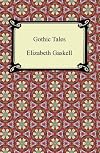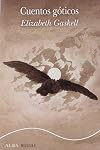
Gothic Tales
by Elizabeth Gaskell
On This Page
Description
Elizabeth Gaskell's chilling Gothic tales blend the real and the supernatural to eerie, compelling effect. 'Disappearances', inspired by local legends of mysterious vanishings, mixes gossip and fact; 'Lois the Witch', a novella based on an account of the Salem witch hunts, shows how sexual desire and jealousy lead to hysteria; while in 'The Old Nurse's Story' a mysterious child roams the freezing Northumberland moors. Whether darkly surreal, such as 'The Poor Clare', where an evil show more doppelgänger is formed by a woman's bitter curse, or mischievous like 'Curious, if True', a playful reworking of fairy tales, all the stories in this volume form a stark contrast to the social realism of Gaskell's novels, revealing a darker and more unsettling style of writing. show lessTags
Recommendations


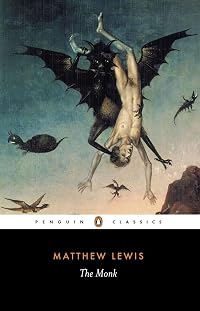
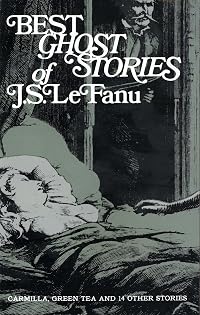

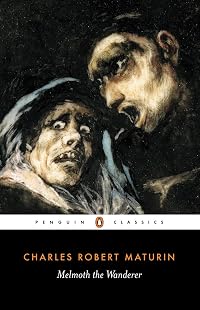
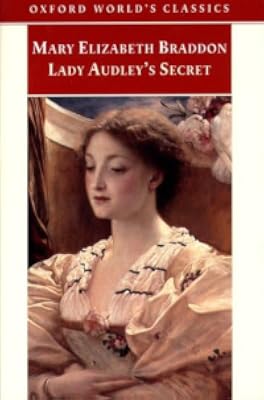
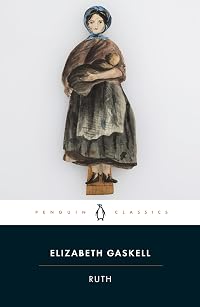
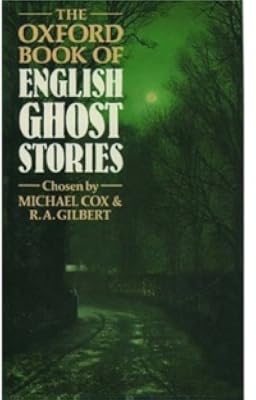
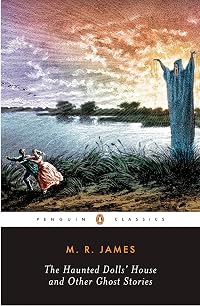

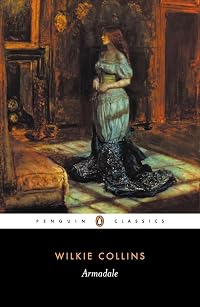








Member Recommendations


Member Reviews
The Old Nurse's Story, about a beautiful ghost child intent on luring a warm-blooded child into the freezing nights on the moors; The Squire's Story, about a gentleman with a nebulous past who moves into a grand house and marries a local belle only to reveal a sordid secret; The Poor Clare about an old woman who casts a spell which results in a lovely young woman being followed by her evil and seductive double; Lois the Witch, a terrifying and heartbreaking reprise of the Salem witch trials... out of nine stories in all, seven of them held me captive in this collection, which is quite an excellent average in any short story collection.
I've read some of Elizabeth Gaskell's novels and been highly impressed with her social commentary and show more vivid portrayals of class conflicts, but here we see an altogether different side of Gaskell's writing, which is the one she felt more free to show with an assumed name, under the cover of anonymity. No longer constricted by propriety, she was able to show a world operating beneath that thin veneer that Victorian morals dictated and through the looking glass: curses which held their sway over many generations, women with witchy powers, or who were assumed to be witches because of their barely hidden sexuality, men who wreaked true evil and cruelty and death by overreaching their powers in a paternalistic society, and yet, also and always, a woman's love and nurturing as her strongest defence against many of those evils. Two sides then to Elizabeth Gaskell. Two sides very much worth discovering. I predict there will be more E.G. in my reading future, and that I will return to some of my favourites in this story collection too. show less
I've read some of Elizabeth Gaskell's novels and been highly impressed with her social commentary and show more vivid portrayals of class conflicts, but here we see an altogether different side of Gaskell's writing, which is the one she felt more free to show with an assumed name, under the cover of anonymity. No longer constricted by propriety, she was able to show a world operating beneath that thin veneer that Victorian morals dictated and through the looking glass: curses which held their sway over many generations, women with witchy powers, or who were assumed to be witches because of their barely hidden sexuality, men who wreaked true evil and cruelty and death by overreaching their powers in a paternalistic society, and yet, also and always, a woman's love and nurturing as her strongest defence against many of those evils. Two sides then to Elizabeth Gaskell. Two sides very much worth discovering. I predict there will be more E.G. in my reading future, and that I will return to some of my favourites in this story collection too. show less
As with every collection, some pieces are better than others. In this book, there are four stories and novellas that I loved, one I had mixed feelings about and four I disliked. However, the strength of the four outweighed the weakness of the others.
I was puzzled why the collection began with "Disappearances," which is more a series of vignettes than an actual story. It was based on real life disappearances that Gaskell had read about. A very weak beginning, but I see in the chronology that the pieces are printed in the order that they were published.
The next story is "The Old Nurses Story," which is a wonderfully typical Gothic ghost story set in a creepy old English house. It was followed by "The Squire's Story," which really isn't so show more Gothic but interesting all the same. I also loved "Lois the Witch," a story that was obviously inspired by the actual Salem witch trial documentation. My favourite of all, however, was the final story, "The Grey Woman." It started a little slowly, but soon took off and Gaskell maintained the tension for the remaining 50 pages.
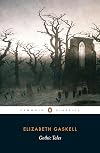
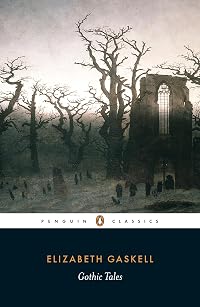
I have the Penguin Classics edition (with the wonderful creepy Caspar David Friedrich cover), which includes a lengthy introduction. I found this intro helpful, as for one thing, I wouldn't have understood the story "Curious, if True" without it.
Yeah, so the other stories really didn't do it for me, but because I loved the four that I do, I'll have positive memories of this book.
As for Gaskell's writing, I suspect I'm definitely becoming a fan. I read and liked Cranford a couple of years ago and now know that I'll read more of her. Compared to other 19th century writers, she's not as excessively verbose, and I appreciate that.
Recommended for: readers who want to take a literary trip to 19th century England. show less
I was puzzled why the collection began with "Disappearances," which is more a series of vignettes than an actual story. It was based on real life disappearances that Gaskell had read about. A very weak beginning, but I see in the chronology that the pieces are printed in the order that they were published.
The next story is "The Old Nurses Story," which is a wonderfully typical Gothic ghost story set in a creepy old English house. It was followed by "The Squire's Story," which really isn't so show more Gothic but interesting all the same. I also loved "Lois the Witch," a story that was obviously inspired by the actual Salem witch trial documentation. My favourite of all, however, was the final story, "The Grey Woman." It started a little slowly, but soon took off and Gaskell maintained the tension for the remaining 50 pages.
I have the Penguin Classics edition (with the wonderful creepy Caspar David Friedrich cover), which includes a lengthy introduction. I found this intro helpful, as for one thing, I wouldn't have understood the story "Curious, if True" without it.
Yeah, so the other stories really didn't do it for me, but because I loved the four that I do, I'll have positive memories of this book.
As for Gaskell's writing, I suspect I'm definitely becoming a fan. I read and liked Cranford a couple of years ago and now know that I'll read more of her. Compared to other 19th century writers, she's not as excessively verbose, and I appreciate that.
Recommended for: readers who want to take a literary trip to 19th century England. show less
A wonderful collection of some of the creepier Gaskell short stories. My personal favorites are The Old Nurse's Story and The Grey Woman. Lois the Witch is also well worth reading. Beware, though...Gaskell likes to inflict the sins of the fathers upon their children. Not lighthearted by a long shot. Best in small doses on windy wintry evenings.
Elizabeth Gaskell’s Gothic Tales are an interesting mixture of supernatural and social horrors; witchcraft (both real and supposed), hauntings, a murderous husband and a villainous son to name a few; and all are shot through with an atmosphere that makes the gothic genre so very enthralling, and is almost a character unto itself.
I enjoyed (for a comparative definition of 'enjoyment') roughly 70% of the book; there was one story I simply could not get into, another - ‘Curious, if True’ - jarred oddly, not really appearing to belong in this collection, though under other circumstances I might have enjoyed it, and ‘Lois the Witch’, though one of the most readable tales, seemed to ride too heavily on the coattails of The show more Crucible, being in fact set amongst those very characters.
The darkness of these stories - Elizabeth Gaskell does not seem to feel the slightest need to be fair to her characters - takes some warming to, yet there is something refreshing about a strong dash of irredemption. I wanted to read these stories to see if I would care to pick up one of Mrs. Gaskell’s novels, and the answer is an optimistic, if reserved, affirmative. show less
I enjoyed (for a comparative definition of 'enjoyment') roughly 70% of the book; there was one story I simply could not get into, another - ‘Curious, if True’ - jarred oddly, not really appearing to belong in this collection, though under other circumstances I might have enjoyed it, and ‘Lois the Witch’, though one of the most readable tales, seemed to ride too heavily on the coattails of The show more Crucible, being in fact set amongst those very characters.
The darkness of these stories - Elizabeth Gaskell does not seem to feel the slightest need to be fair to her characters - takes some warming to, yet there is something refreshing about a strong dash of irredemption. I wanted to read these stories to see if I would care to pick up one of Mrs. Gaskell’s novels, and the answer is an optimistic, if reserved, affirmative. show less
The second story was good and set my expectations high; the rest of them were good, but just fell a little short of what I'd wished them to be. Gaskell's prose is full of dread and an eerie sense of foreboding, but it does tend to drag, and some of the stories seemed to collapse under their own weight.
Favorites: "The Old Nurse's Tale", "Lois th Witch", "The Grey Woman"
Favorites: "The Old Nurse's Tale", "Lois th Witch", "The Grey Woman"
Elizabeth Gaskell's Gothic Tales is a collection of short stories and novellas strung together by a common theme of loss and darkness. I don't think Gaskell does horror/Gothic quite so well as she does the sunnier pastoral worlds of Hollingford and Cranford, but it's certainly an indication of her versatility that she can do both.
In "Disappearances," Gaskell writes about a string of unrelated disappearances, some based on actual stories, and explores the unexplicable. In "The Old Nurse's Story," ghosts of an evil past threaten to kill an innocent child. "The Squire's Story" is a tale of a murderer who lives a double life in a sleepy English town. In "The Poor Clare," Gaskell writes about a witch who calls down vengeance and then must show more spend the rest of her life atoning for the curse so it does not hurt one that she loves. "The Doom of the Griffiths" is the story of a family curse that foretells the death of the father at the hand of the son. In "Lois the Witch," Gaskell visits Salem, New England, at the height of its infamous witch trials. "The Crooked Branch" is the story of a young man who became a bandit and broke his parents' hearts. In "Curious, If True," Gaskell writes about a fey court full of elven characters of fairy tales. Finally, in "The Grey Woman," a young woman is horrified to learn of her husband's evil secrets and spends the rest of her life in hiding from his revenge.
These stories are definitely dark. Lois the Witch is hanged; the son in "The Crooked Branch" never repents, and the randomness of the tales in "Disappearances" makes the world seem a dangerous and illogical place. Good people suffer. There is no humor in these stories, and no happy endings. "The Grey Woman" was my favorite and probably best fits the adjective "Gothic." Most of the endings of the previous stories had been decidedly unhappy, but this one wasn't as dismal (it was dark, but at least the thing the main character was dreading her whole life didn't come to pass).
I'd recommend the book to Gaskell's fans, but don't expect it to be like her lighter works. I took a few breaks and read other books between chapters, just to relieve the Gothicness. show less
In "Disappearances," Gaskell writes about a string of unrelated disappearances, some based on actual stories, and explores the unexplicable. In "The Old Nurse's Story," ghosts of an evil past threaten to kill an innocent child. "The Squire's Story" is a tale of a murderer who lives a double life in a sleepy English town. In "The Poor Clare," Gaskell writes about a witch who calls down vengeance and then must show more spend the rest of her life atoning for the curse so it does not hurt one that she loves. "The Doom of the Griffiths" is the story of a family curse that foretells the death of the father at the hand of the son. In "Lois the Witch," Gaskell visits Salem, New England, at the height of its infamous witch trials. "The Crooked Branch" is the story of a young man who became a bandit and broke his parents' hearts. In "Curious, If True," Gaskell writes about a fey court full of elven characters of fairy tales. Finally, in "The Grey Woman," a young woman is horrified to learn of her husband's evil secrets and spends the rest of her life in hiding from his revenge.
These stories are definitely dark. Lois the Witch is hanged; the son in "The Crooked Branch" never repents, and the randomness of the tales in "Disappearances" makes the world seem a dangerous and illogical place. Good people suffer. There is no humor in these stories, and no happy endings. "The Grey Woman" was my favorite and probably best fits the adjective "Gothic." Most of the endings of the previous stories had been decidedly unhappy, but this one wasn't as dismal (it was dark, but at least the thing the main character was dreading her whole life didn't come to pass).
I'd recommend the book to Gaskell's fans, but don't expect it to be like her lighter works. I took a few breaks and read other books between chapters, just to relieve the Gothicness. show less
Virtue won't save you
handsome men can't be trusted
they shoot dogs for fun.
handsome men can't be trusted
they shoot dogs for fun.
Members
- Recently Added By
Lists

To Read - Literature / Fiction
26 works; 1 member

Best Horror Mega-List
342 works; 6 members

Recommended Horror and Dark Fiction by Women
81 works; 13 members

Reedsydiscovery 100 Best Horror Books of All Time
100 works; 5 members

Classics you know you should have read but probably haven't
421 works; 409 members
Author Information

233+ Works 30,606 Members
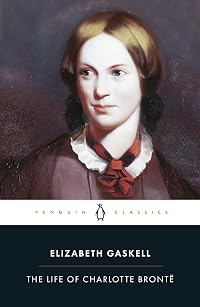
Elizabeth Gaskell was born on September 29, 1810 to a Unitarian clergyman, who was also a civil servant and journalist. Her mother died when she was young, and she was brought up by her aunt in Knutsford, a small village that was the prototype for Cranford, Hollingford and the setting for numerous other short stories. In 1832, she married William show more Gaskell, a Unitarian clergyman in Manchester. She participated in his ministry and collaborated with him to write the poem Sketches among the Poor in 1837. Our Society at Cranford was the first two chapters of Cranford and it appeared in Dickens' Household Words in 1851. Dickens liked it so much that he pressed Gaskell for more episodes, and she produced eight more of them between 1852 and 1853. She also wrote My Lady Ludlow and Lois the Witch, a novella that concerns the Salem witch trials. Wives and Daughters ran in Cornhill from August 1864 to January 1866. The final installment was never written but the ending was known and the novel exists now virtually complete. The story centers on a series of relationships between family groups in Hollingford. Most critics agree that her greatest achievement is the short novel Cousin Phillis. Gaskell was also followed by controversy. In 1853, she offended many readers with Ruth, which explored seduction and illegitimacy that led the "fallen woman" into ostracism and inevitable prostitution. The novel presents the social conduct in a small community when tolerance and morality clash. Critics praised the novel's moral lessons but Gaskell's own congregation burned the book and it was banned in many libraries. In 1857, The Life of Charlotte Brontë was published. The biography was initially praised but angry protests came from some of the people it dealt with. Gaskell was against any biographical notice of her being written during her lifetime. After her death on November 12, 1865, her family refused to make family letters or biographical data available. (Bowker Author Biography) show less
Some Editions
Awards and Honors
Series
Belongs to Publisher Series
Work Relationships
Contains
Common Knowledge
- Canonical title
- Gothic Tales
- Original title
- Gothic Tales
- Original publication date
- 2000
- First words
- In a letter to Eliza 'Tottie' Fox dated 29 May 1849, Elizabeth Gaskell triumphantly explains, "I SAW a ghost! Yes I did; though in such a matter of fact place as Charlotte St I should not wonder if you are sceprical.'
- Original language
- English
- Canonical DDC/MDS
- 823.8
- Canonical LCC
- PR4710
Classifications
Statistics
- Members
- 719
- Popularity
- 39,656
- Reviews
- 17
- Rating
- (3.65)
- Languages
- English, Italian, Spanish
- Media
- Paper, Audiobook, Ebook
- ISBNs
- 12
- ASINs
- 6