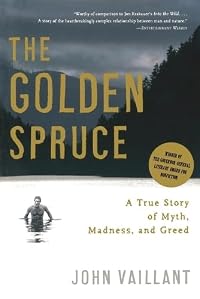
The Golden Spruce: A True Story of Myth, Madness, and Greed
by John Vaillant
On This Page
Description
A tale of obsession so fierce that a man kills the thing he loves most: the only giant golden spruce on earth.When a shattered kayak and camping gear are found on an uninhabited island in the Pacific Northwest, they reignite a mystery surrounding a shocking act of protest. Five months earlier, logger-turned-activist Grant Hadwin had plunged naked into a river in British Columbia's Queen Charlotte Islands, towing a chainsaw. When his night's work was done, a unique Sitka spruce, 165 feet tall show more and covered with luminous golden needles, teetered on its stump. Two days later it fell. As vividly as John Krakauer puts readers on Everest, John Vaillant takes us into the heart of North America's last great forest.
. show less
Tags
Recommendations


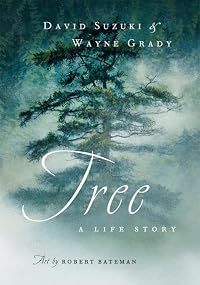
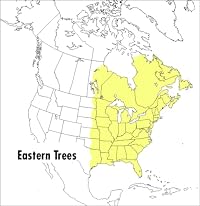

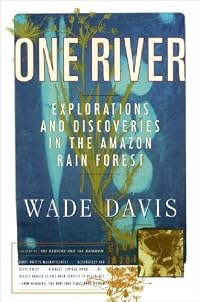
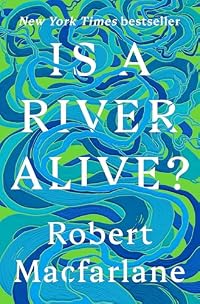
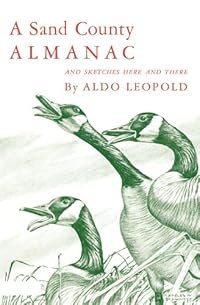
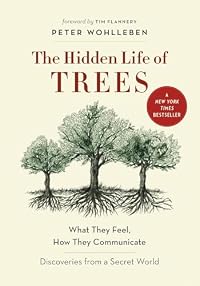
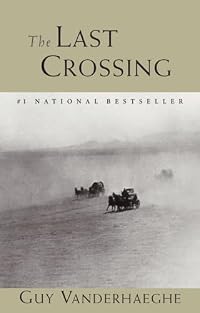
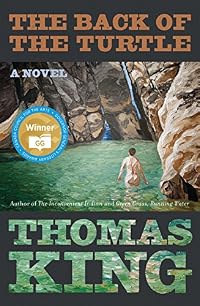
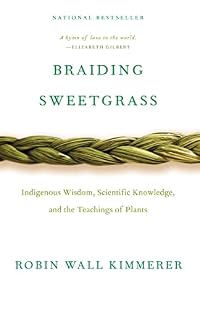
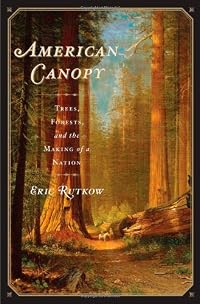



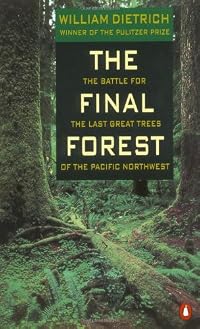

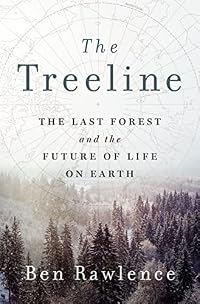
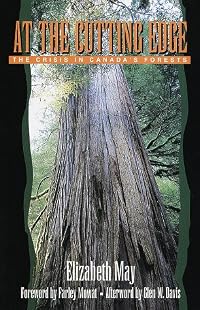
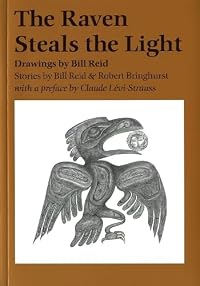
Member Recommendations
by anonymous user
by anonymous user
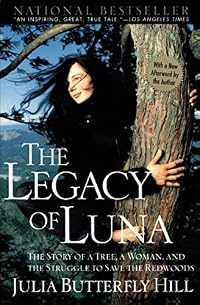
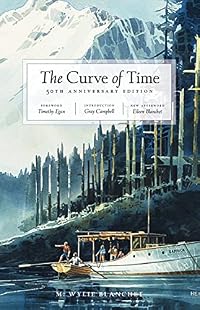
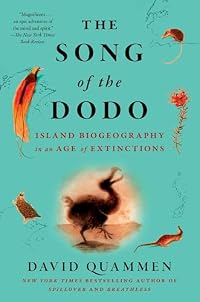
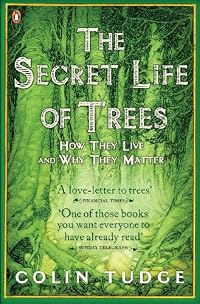
Gwendydd These books both talk a lot about the giant trees of the west coast, logging, and anti-logging activists.
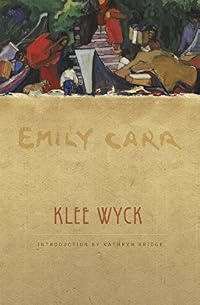
beyondthefourthwall British Columbia forests, logging, environmentalism, and settler-nature relations.
Member Reviews
The story revolves around Grant Hadwin, an expert Canadian logger turned environmentalist, and his seemingly incomprehensible and barbaric act of cutting down an old, beautiful and one of a kind mutant spruce tree with golden needles called the Golden Spruce.
Hadwin surreptitiously cut down the Golden Spruce one cold January night in 1997 and fled in the wake of his act never to be seen again. The tree was ancient and huge, over 300 years old, 50 meters tall and sacred to the Haida, the native people of Haida Gwaii, the native name for the Queen Charlotte Islands in Canada. His determination was so great that he single-handedly cut down the tree whose trunk measured two meters in diameter. Even though the act in itself is absolutely show more abhorrent, Vaillant is trying to show that Hadwin’s outrage might have been grounded in some reasons that were far from crazy.
It so happened that the Golden Spruce was also a showpiece of MacMillan Bloedel, the biggest Canadian multinational wood products company. It had an exclusive contract for logging on the islands, and was cutting the old growth there for years with absolute abandon and no consideration for the forests or the people. It was this latter fact that attracted Hadwin’s attention to the tree. In an open letter he said that ‘we tend to focus on the individual trees like the Golden Spruce while the rest of the forests are being slaughtered’.
As a life long logger, Hadwin witnessed more than his share of the mindless forest destruction in British Columbia, and it seems that one day he simply couldn’t take it anymore. Using Hadwin’s story as a lead, Vaillant examines the centuries long West Coast logging greed and lack of consideration for the native people or nature. Unfortunately, nothing has changed since the publication of the book, or Hadwin’s act. The logging of the old growth forest is still going on with the same greedy abandon despite the fact that very little of it remains. Soon there will be none to speak of.
It’s a well-written book with a wealth of information on West Coast woods, history of trade, the natives who live there, the use of wood and the natural history of the region. Spiritually, it goes well with Diamond’s Collapse. It’s good to even for a moment give some thought to Diamond’s theory of the end of civilization on Eastern Island in that context, even though the theory is now disputed. show less
Hadwin surreptitiously cut down the Golden Spruce one cold January night in 1997 and fled in the wake of his act never to be seen again. The tree was ancient and huge, over 300 years old, 50 meters tall and sacred to the Haida, the native people of Haida Gwaii, the native name for the Queen Charlotte Islands in Canada. His determination was so great that he single-handedly cut down the tree whose trunk measured two meters in diameter. Even though the act in itself is absolutely show more abhorrent, Vaillant is trying to show that Hadwin’s outrage might have been grounded in some reasons that were far from crazy.
It so happened that the Golden Spruce was also a showpiece of MacMillan Bloedel, the biggest Canadian multinational wood products company. It had an exclusive contract for logging on the islands, and was cutting the old growth there for years with absolute abandon and no consideration for the forests or the people. It was this latter fact that attracted Hadwin’s attention to the tree. In an open letter he said that ‘we tend to focus on the individual trees like the Golden Spruce while the rest of the forests are being slaughtered’.
As a life long logger, Hadwin witnessed more than his share of the mindless forest destruction in British Columbia, and it seems that one day he simply couldn’t take it anymore. Using Hadwin’s story as a lead, Vaillant examines the centuries long West Coast logging greed and lack of consideration for the native people or nature. Unfortunately, nothing has changed since the publication of the book, or Hadwin’s act. The logging of the old growth forest is still going on with the same greedy abandon despite the fact that very little of it remains. Soon there will be none to speak of.
It’s a well-written book with a wealth of information on West Coast woods, history of trade, the natives who live there, the use of wood and the natural history of the region. Spiritually, it goes well with Diamond’s Collapse. It’s good to even for a moment give some thought to Diamond’s theory of the end of civilization on Eastern Island in that context, even though the theory is now disputed. show less
A fascinating tale, very well told. A magnificent, one-of-a-kind tree, sacred to NW coast natives and a tourist draw for the local economy, is felled in the middle of the night. But the culprit (who readily admits his deed) is not a "usual suspect." His well-planned act was not done from malice or reckless irresponsibility. His was a mission. Much mystery lies in the history of the tree and still remains after the deed itself, nurturing more drama here than in many novels.
I love books like this. Stories about man vs. nature. In this case, on one level is “social” man, in the form of the logging companies attempting to harvest as many old growth trees as is possible (and it’s always more and more possible, given technological advances), regardless of the effects on the natural world and local cultures. And on another level is “individual” man, overcoming the physical challenges presented by living and working in the challenging environments where these trees grow.
Vaillant is a superb storyteller. His story starts before Europeans arrived in this part of the world (the North Pacific coast, specifically British Columbia) and builds inexorably. From the opening pages, while communicating facts show more about the natural world and the history of the area in a factual manner, he nevertheless manages to convey an undercurrent of menace. For thousands of years the Haida Gwaii (aka Queen Charlotte) islands, rich in wildlife, supported a dynamic indigenous population, a culture of fierce warriors, skilled canoers, and gifted carvers. They, like their forests, were dominant until those sailing ships arrived and the downward spiral began.
That feeling of unease climaxes with the actions of Grant Hadwin, a man from a wealthy Vancouver family who went from prep school to logger to environmentalist. An unusual combination of superb athleticism, intellectual acuity, and mental health disorders, Hadwin undertook a spectacular act of vandalism in an effort to call attention to the negative effects of logging. In the immediate moment his act was a disaster, although it may have resulted, indirectly, in positive long term changes.
For those listeners out there - actor Eduardo Ballerini’s narration was brilliant, capturing the cadence of Vaillant’s sentences perfectly. show less
Vaillant is a superb storyteller. His story starts before Europeans arrived in this part of the world (the North Pacific coast, specifically British Columbia) and builds inexorably. From the opening pages, while communicating facts show more about the natural world and the history of the area in a factual manner, he nevertheless manages to convey an undercurrent of menace. For thousands of years the Haida Gwaii (aka Queen Charlotte) islands, rich in wildlife, supported a dynamic indigenous population, a culture of fierce warriors, skilled canoers, and gifted carvers. They, like their forests, were dominant until those sailing ships arrived and the downward spiral began.
That feeling of unease climaxes with the actions of Grant Hadwin, a man from a wealthy Vancouver family who went from prep school to logger to environmentalist. An unusual combination of superb athleticism, intellectual acuity, and mental health disorders, Hadwin undertook a spectacular act of vandalism in an effort to call attention to the negative effects of logging. In the immediate moment his act was a disaster, although it may have resulted, indirectly, in positive long term changes.
For those listeners out there - actor Eduardo Ballerini’s narration was brilliant, capturing the cadence of Vaillant’s sentences perfectly. show less
I like to think of Vaillant's book as a guided tour. He flies his readers over British Columbia's Queen Charlotte Islands, giving us a bird's eye view of the forest sacred to the Haida tribe. He then swoops in lower to let us examine the history and culture of not only the land and its people, but of the logging industry hellbent on destroying it all. Once we have an understanding of the amazing expanse of British Columbia's natural forest Vaillant lands us squarely on the life of Grant Hadwin, logger turned activist. Vaillant has strategically shown us both sides of the coin before introducing us to Hadwin's shocking act of protest. Once responsible for mapping out logging roads Hadwin had a change of heart (and mind - he was rumored show more to be mentally ill and on medication) about the work he was supporting and defiantly cut down the area's largest 300 year old Sitka spruce. show less
Fascinating tale, mostly well told. The story of the end of old growth is disgusting, and a blight on all of us alive to witness the spectacle. So short-sighted.
The protagonist of this tale is not very likeable, and though he eventually realized the error of his ways Buddhism introduces the concept of right work for a reason. Right work does not include the destruction of what you love, regardless of how much they are paying you.
The author does well to introduce the characters and the stakes, only sometimes straining to introduce one more interview subject to the narrative. He mostly succeeds.
I will remember this book for a long time. We all should have known better.
The protagonist of this tale is not very likeable, and though he eventually realized the error of his ways Buddhism introduces the concept of right work for a reason. Right work does not include the destruction of what you love, regardless of how much they are paying you.
The author does well to introduce the characters and the stakes, only sometimes straining to introduce one more interview subject to the narrative. He mostly succeeds.
I will remember this book for a long time. We all should have known better.
Valliant has quickly become one of my favorite narrative nonfiction writers and this book shows his early chops. It starts with a mystery disappearance of a Native activist, named Grant Hadwin, in British Columbia's Queen Charlotte Islands. He had been charged with setting a unique Sitka golden spruce on fire, in protest of the massive logging industry. Vaillant perfectly lays out such intricate details, dealing with logging, conservation and the environment. He is a master at this approach. Highly recommended.
It's not about just one tree. And it's not just about one man.
With a unique personal style Vaillant provides intricate examinations of complex bio-systems, including humans, on the islands of the Haida Gwaii off the coast of British Columbia and in the world across the ages.
Descriptions of forest and forestry relationships abound ~ a wealth of detail regarding trees, from many perspectives. The logging industry is described at a personal level, exposing the dilemma of those who love forests therefore forestry therefore logging ~ killing what they love is examined sympathetically. Economically trapped, workers through the ages have come to similar troubles in high-risk, high-paying jobs. Logging is compared alongside other human use of show more technologies for resource extraction across all time.
While there is an important storyline around Grant Hadwin, this work is much more than his amazing accomplishments, attitudes, and apparent legacies. I would like to read his "Judgment" piece, also referred to as his Manifesto.
My heart cries for these forests and for the Haida (and all who are abused), but I'm also filled with appreciation for their people's gradual recovery, as I am for the miracles of the forested northwest coast. I'm grateful to have been born and raised to a ripe ol' age right here on the Salish Sea.
Though I borrowed this from our public library, I do want to just go buy a copy and keep it nearby. It's remarkable. show less
With a unique personal style Vaillant provides intricate examinations of complex bio-systems, including humans, on the islands of the Haida Gwaii off the coast of British Columbia and in the world across the ages.
Descriptions of forest and forestry relationships abound ~ a wealth of detail regarding trees, from many perspectives. The logging industry is described at a personal level, exposing the dilemma of those who love forests therefore forestry therefore logging ~ killing what they love is examined sympathetically. Economically trapped, workers through the ages have come to similar troubles in high-risk, high-paying jobs. Logging is compared alongside other human use of show more technologies for resource extraction across all time.
While there is an important storyline around Grant Hadwin, this work is much more than his amazing accomplishments, attitudes, and apparent legacies. I would like to read his "Judgment" piece, also referred to as his Manifesto.
My heart cries for these forests and for the Haida (and all who are abused), but I'm also filled with appreciation for their people's gradual recovery, as I am for the miracles of the forested northwest coast. I'm grateful to have been born and raised to a ripe ol' age right here on the Salish Sea.
Though I borrowed this from our public library, I do want to just go buy a copy and keep it nearby. It's remarkable. show less
Members
- Recently Added By
Lists

Recommended Nature Writing
346 works; 180 members

Non-Fiction Worth Reading
1,015 works; 254 members

Set in the Pacific Northwest
136 works; 7 members

Trees
22 works; 5 members

Ryan Holiday's Books To Base Your Life On
97 works; 2 members
Author Information

5+ Works 3,537 Members
Awards and Honors
Awards
Distinctions
Work Relationships
Common Knowledge
- Canonical title
- The Golden Spruce: A True Story of Myth, Madness, and Greed
- Original publication date
- 2005
- People/Characters
- Grant Hadwin
- Important places
- Queen Charlotte Islands, Canada; British Columbia, Canada; Pacific Northwest
- Epigraph
- All Trees of noblest kind for sight, smell, taste;
And all amid them stood the Tree of Life, High eminent, blooming Abrosial Fruit Of vegetable Gold; and next to Life Our Dseath the Tree of Knowledge grew fast by, Knowledg... (show all)e of good bought dear by knowing ill. -John Milton, Paradise Lost, Book IV, lines 217-22 - Dedication
- For Nora
- First words
- Small things are hard to find in Alaska, so when a marine biologist named Scott Walder stumbled across a wrecked kayak on an uninhabited island thirty miles north of the Canadian border, he considered himself lucky.
- Last words
- (Click to show. Warning: May contain spoilers.)Only time will tell whether they will be plagiotropic dwarfs, as every other artificially propagated golden spruce has proven to be, or if they will live up to the lofty messasger they carry with them from the golden crown of their mother tree.
Classifications
Statistics
- Members
- 1,209
- Popularity
- 20,413
- Reviews
- 48
- Rating
- (4.01)
- Languages
- English, French, German
- Media
- Paper, Audiobook, Ebook
- ISBNs
- 14
- ASINs
- 15