On This Page
Description
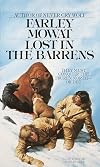
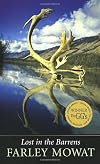
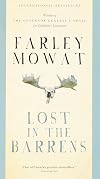
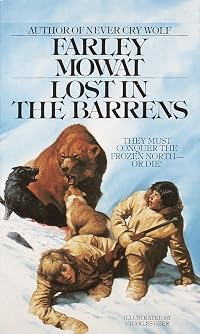
Awasin, a Cree Indian boy, and Jamie, a Canadian orphan living with his uncle, the trapper Angus Macnair, are enchanted by the magic of the great Arctic wastes. They set out on an adventure that proves longer and more dangerous than they could have imagined. Drawing on his knowledge of the ways of the wilderness and the implacable northern elements, Farley Mowat has created a memorable tale of daring and adventure. When first published in 1956, Lost in the Barrens won the Governor-General's show more Award for Juvenile Literature, the Book-of-the-Year Medal of the Canadian Association of Children's Librarians and the Boys' Club of America Junior Book Award. show lessTags
Recommendations



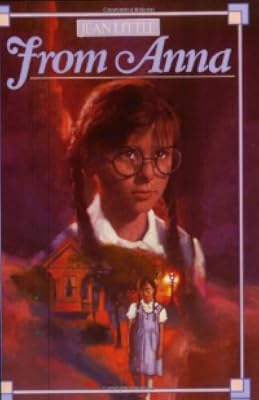
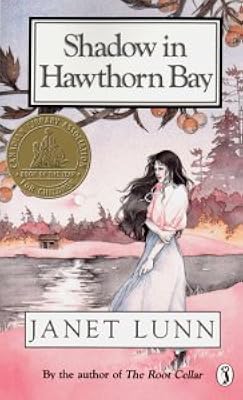

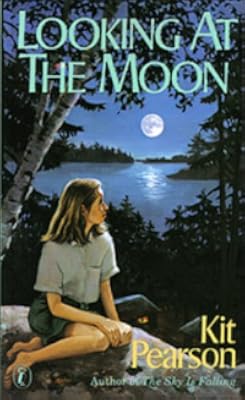
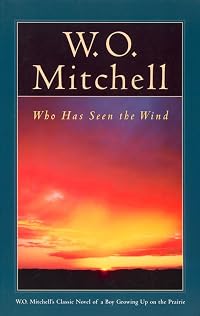

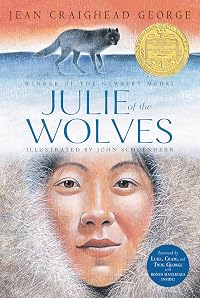
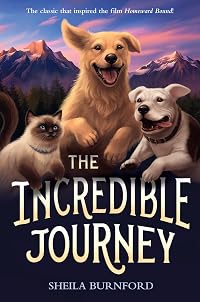
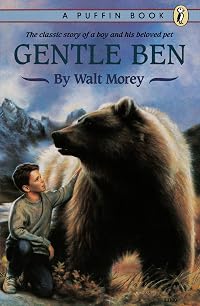


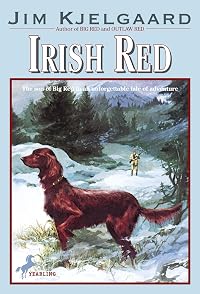

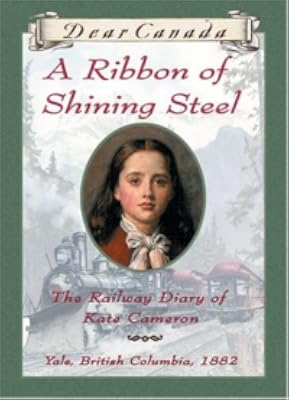
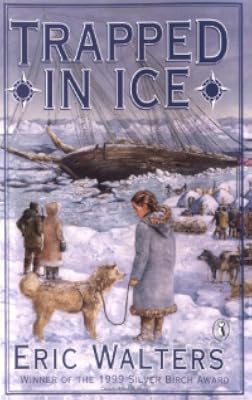

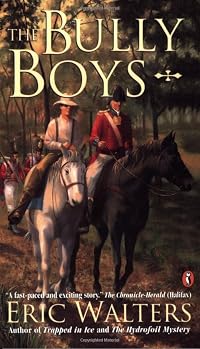



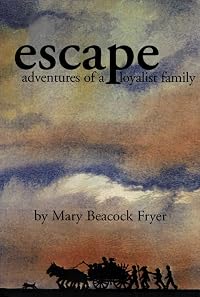
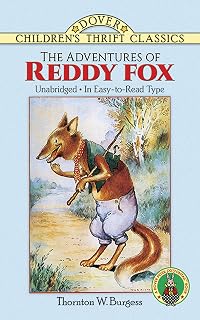
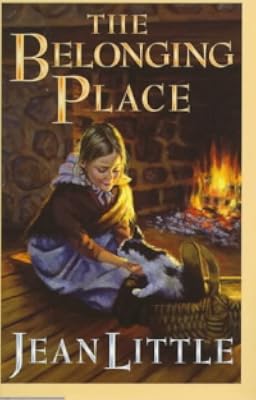
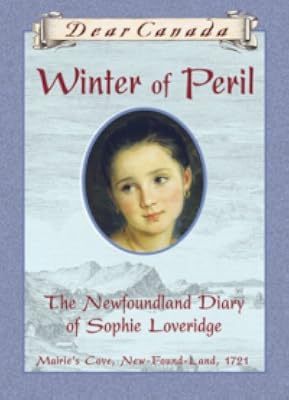
Member Recommendations

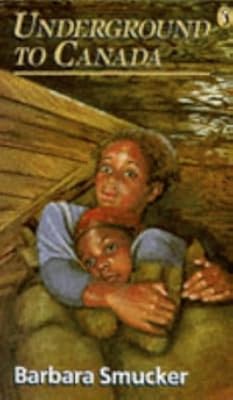
RidgewayGirl In this book, a boy is left stranded in the far north when the light plane he is traveling in crashes. The book tells of his survival and relationship with an abandoned whooping crane.
WeeTurtle Similar but different. Two boys stranded in summertime Alaska try and survive together until they are rescued, except in this case, they don't much like each other.
Bcteagirl Both are Canadian survival stories, involve animals, are dark at times but never depressing.
12
by bookel
Member Reviews
Of the 100 books on the list from CBC "100 Young Adult Books That Make You Proud to be Canadian" I have only read 8 so I thought I should try to remedy that. In my (partial) defence I will say that quite a few of the books on the list have been written since I could claim to be a Young Adult myself. However, this book was written in 1956 so I had lots of years to discover it but somehow it escaped my notice. Well, it's never too late.
Jamie Macnair comes to northern Manitoba to live with his uncle who is a trapper. A year after Jamie joins him his uncle and the chief from the neighbouring Cree nation have to make a long trip by canoe to The Pas to sell their furs. There is not enough room for Jamie in the canoe so he is left in the Cree show more settlement with the chief's family which includes Jamie's best friend, Awasin. A few weeks after the men leave a group of Chipeweyans who live further north come to ask for bullets as their people are starving. Denikazi, the Chipeweyan chief, wants to go north to meet the migration of caribou as they come down to the treeline where they winter. Awasin, as the chief's son agrees to give the bullets providing he can go to the Chipeweyan camp to verify the people are starving. Jamie is eager to accompany him on this adventure. When they arrive at the encampment they can see the truth of the story and they agree to hand over the ammunition. However, Denikazi wants Awasin and Jamie to accompany him on the hunt because they have much better rifles. The boys agree and set off with a small group to go further north into the barrens. Awasin and Jamie become separated from the others and are forced to spend the winter in this desolate area (which would be in Nunavut now). Their survival rests on their abilities, knowledge and skills.
Although this was written over 60 years ago it didn't seem all that dated. In the wilderness people who can hunt, fish and make clothing and shelter would use many of these same tactics today. And it is a rousing good adventure story. show less
Jamie Macnair comes to northern Manitoba to live with his uncle who is a trapper. A year after Jamie joins him his uncle and the chief from the neighbouring Cree nation have to make a long trip by canoe to The Pas to sell their furs. There is not enough room for Jamie in the canoe so he is left in the Cree show more settlement with the chief's family which includes Jamie's best friend, Awasin. A few weeks after the men leave a group of Chipeweyans who live further north come to ask for bullets as their people are starving. Denikazi, the Chipeweyan chief, wants to go north to meet the migration of caribou as they come down to the treeline where they winter. Awasin, as the chief's son agrees to give the bullets providing he can go to the Chipeweyan camp to verify the people are starving. Jamie is eager to accompany him on this adventure. When they arrive at the encampment they can see the truth of the story and they agree to hand over the ammunition. However, Denikazi wants Awasin and Jamie to accompany him on the hunt because they have much better rifles. The boys agree and set off with a small group to go further north into the barrens. Awasin and Jamie become separated from the others and are forced to spend the winter in this desolate area (which would be in Nunavut now). Their survival rests on their abilities, knowledge and skills.
Although this was written over 60 years ago it didn't seem all that dated. In the wilderness people who can hunt, fish and make clothing and shelter would use many of these same tactics today. And it is a rousing good adventure story. show less
Lost in the Barrens by Farley Mowat was a cracking adventure story of two boys, Jamie, a white boy who lives with his trapper uncle and his friend, Awasin a young Cree. They accidentally get left behind in the far north when their canoe gets wrecked and they are left for dead. Without their canoe and as it is late in the season and the boys know they cannot set out for home until they have stocked up with supplies and made clothing to suit the winter.
With only a small amount of gear, which luckily includes a hunting rifle, they are able to obtain meat from the migrating caribou. After some exploring, they discover a hidden valley that has trees and they are able to fashion together a dwelling place that will withstand the coming show more blizzards. They are doing quite well for themselves but around Christmas time, overcome with homesickness and deceived by the mild weather they decide to set out for home. As they leave the shelter of their valley and head out across the open tundra, they run into various perils and are finally saved by the one thing they fear the most, Eskimos.
Both the use of the word Eskimo and the decision that an ancient grave belongs to a viking due to the horned helmet it contained tended to date the book, but overall this is a great adventure story that I would recommend to children from age 10 and up. How I missed reading this Canadian classic tale in my school days absolutely stumps me. Anyone who enjoys survival books is sure to love this tale of ingenuity and cooperation. show less
With only a small amount of gear, which luckily includes a hunting rifle, they are able to obtain meat from the migrating caribou. After some exploring, they discover a hidden valley that has trees and they are able to fashion together a dwelling place that will withstand the coming show more blizzards. They are doing quite well for themselves but around Christmas time, overcome with homesickness and deceived by the mild weather they decide to set out for home. As they leave the shelter of their valley and head out across the open tundra, they run into various perils and are finally saved by the one thing they fear the most, Eskimos.
Both the use of the word Eskimo and the decision that an ancient grave belongs to a viking due to the horned helmet it contained tended to date the book, but overall this is a great adventure story that I would recommend to children from age 10 and up. How I missed reading this Canadian classic tale in my school days absolutely stumps me. Anyone who enjoys survival books is sure to love this tale of ingenuity and cooperation. show less
This is juvenile fiction at its finest. Mowat used his experience of life in the Barrens of Northern Canada (see: People of the Deer & The Desperate People) to tell an adventure story about a white city-boy and a young Cree making big decisions and surviving off he land.
The pacing is perfect, and the content’s meaty enough to enjoy this book even as an adult. I dare you to read it without imagining yourself in those situations. The book certainly deserved its 1958 CLA Children’s Book of the Year award.
As I read it I had this vague sense of déjà vu. I suspect one of my grade-school teachers might have read this to our class. I can hardly wait until my three-year-old son is old enough to enjoy it when I read it to him.
The pacing is perfect, and the content’s meaty enough to enjoy this book even as an adult. I dare you to read it without imagining yourself in those situations. The book certainly deserved its 1958 CLA Children’s Book of the Year award.
As I read it I had this vague sense of déjà vu. I suspect one of my grade-school teachers might have read this to our class. I can hardly wait until my three-year-old son is old enough to enjoy it when I read it to him.
Good enough that I remember the book almost 50 years later, after reading during a series of rainy days at sleepaway camp in the camp library.
From his non-fiction writings Mowat was obviously familiar with the high Arctic. One of the events of the book was a December warm wave that almost fatally lured the two adventurers trapped in the tundra to strike out for the tree line and milder weather. Should give pause to climate alarmists since novels usually hew pretty close to real geographic and weather conditions.
Another was the kindness of strangers. Overall, if still in print, I recommend it.
From his non-fiction writings Mowat was obviously familiar with the high Arctic. One of the events of the book was a December warm wave that almost fatally lured the two adventurers trapped in the tundra to strike out for the tree line and milder weather. Should give pause to climate alarmists since novels usually hew pretty close to real geographic and weather conditions.
Another was the kindness of strangers. Overall, if still in print, I recommend it.
One of my all time favorite books. Written for young adults, it's the story of two boys--one white, one American Indian--who are stranded in the Northern wilderness of Canada and have to survive by their wits. Can't put it down storytelling, plain and simple. I've read it more times than I can count. Found this signed copy on Abe books and had to have it.
One of my all time favorite books. Written for young adults, it's the story of two boys--one white, one American Indian--who are stranded in the Northern wilderness of Canada and have to survive by their wits. Can't put it down storytelling, plain and simple. I checked this book out from a reading class in junior high, and gave it to my Mom, who had to read it in one night because it was due the next day. I've read it more times than I can count. Got this copy from my Uncle Steve and Aunt Maureen as a boy..
In the spirit of "Hatchet" or "My Side of the Mountain" is this story about survival in the wilderness. During a hunting expedition, Jamie and his Cree friend decide to explore deeper into the wilderness, only to find themselves far from help, with few supplies and winter on the way. This is their story of survival.
I liked this book, partly due to how the characters were developed, and partly for the descriptive and believable solutions the boys employed in their day-to-day needs and problems. It is more of a YA story, but is worth reading by adults as well.
I liked this book, partly due to how the characters were developed, and partly for the descriptive and believable solutions the boys employed in their day-to-day needs and problems. It is more of a YA story, but is worth reading by adults as well.
Members
- Recently Added By
Lists

The Best of Canadian Literature
235 works; 33 members

Elevenses
316 works; 87 members
CBC's 100 Young Adult Books
100 works; 4 members

Novels of Great Adventures
34 works; 6 members

Survival, dogs -- children's/young adult fiction
73 works; 2 members

Books We Loved As Children
603 works; 252 members
Author Information

59+ Works 15,254 Members
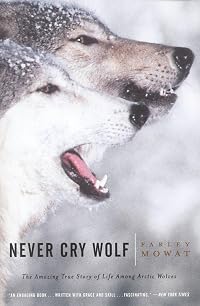
Farley Mowat's nearly forty books have sold millions of copies & have been published in more than twenty languages. His books include "Never Cry Wolf", "Sea of Slaughter", "The Farfarers", "People of the Deer", "The Dog Who Wouldn't Be", "The Desperate People", & "Ordeal by Ice". (Publisher Provided) He is one of Canada's most popular & show more distinguished writers. Through the past five decades he has recorded his experiences in several highly successful books for both adults & children. He has received scores of literary awards & his works have been translated into more than 30 languages. (Publisher Provided) Farley Mowat was born in Belleville, Ontario, Canada on May 12, 1921. During World War II, he fought in the Allied invasion of Sicily. He was discharged in 1945 with the rank of Captain. He studied at the University of Toronto. Farley was an author, activist, and environmentalist. He wrote more than 40 books during his lifetime including both novels and non-fiction works. His books include Never Cry Wolf, My Father's Son, Otherwise, and Eastern Passage. He received several awards including the Queen Elizabeth II Jubilee Medal in 1956, the Governor General's Award for Lost in the Barrens in 1956, the Leacock Medal for Humour for The Boat Who Wouldn't Float in 1970, and the Order of Canada in 1981. He died on May 6, 2014 at the age of 92. (Bowker Author Biography) show less
All Editions
Awards and Honors
Awards
Notable Lists
Series

Belongs to Publisher Series
Work Relationships
Has the adaptation
Common Knowledge
- Canonical title
- Two Against the North; Lost in the Barrens
- Original title
- Lost in the Barrens
- Alternate titles
- Two against the North
- Original publication date
- 1956
- People/Characters
- Farley Mowat; Jamie Macnair; Claire Mowat; Angus Macnair; Awasin Meewasin; Alphonse Meewasin (show all 7); Peetyuk (Anderson)
- Important places
- Canadian Arctic
- Dedication
- For Robert Alexander Mowat
who will probably try to be one
For Murray Biloki
who would make a good one
For Jack Mowat
who is a real Indian already - First words
- The month of June was growing old.
- Last words
- (Click to show. Warning: May contain spoilers.)What Jamie, Awasin and Peetyuk had to say resulted in many a long winter night spent beside the stove of the Macnair cabin making plans. But as to what came of those plans--that is another tale.
- Disambiguation notice
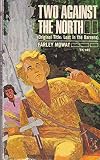
- Lost in the Barrens also issued as Two Against the North
Classifications
Statistics
- Members
- 932
- Popularity
- 28,570
- Reviews
- 15
- Rating
- (4.06)
- Languages
- 5 — Czech, English, French, Hungarian, Spanish
- Media
- Paper, Ebook
- ISBNs
- 32
- ASINs
- 14