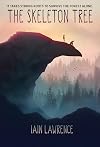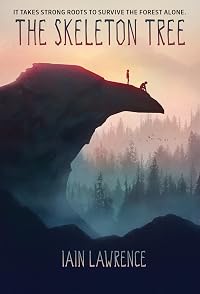
The Skeleton Tree
by Iain Lawrence
On This Page
Description
"Chris and Frank's sailing vessel sinks and they are stranded alone in the wilds of Alaska. They don't like each other at all, but to survive they must build a relationship"--Tags
Recommendations
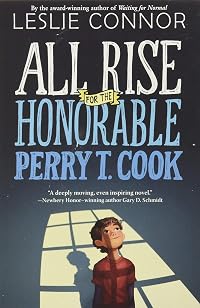
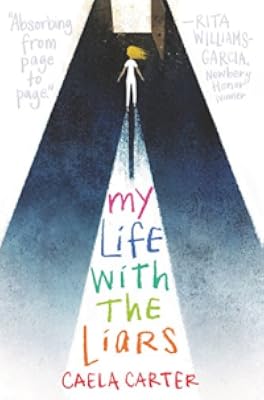
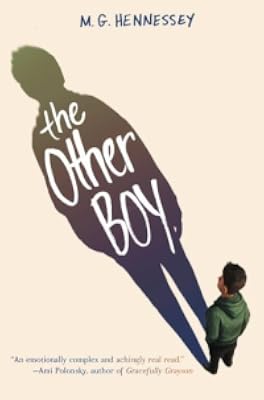
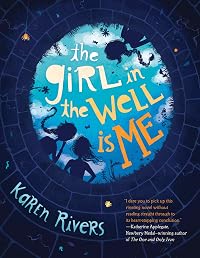

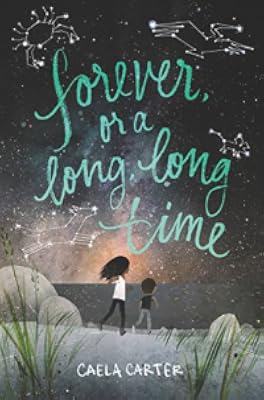
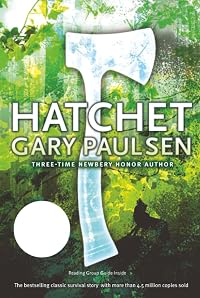
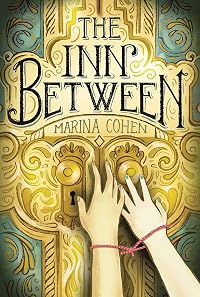
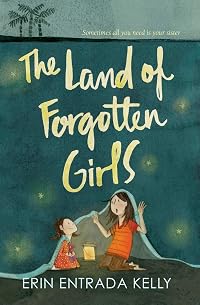
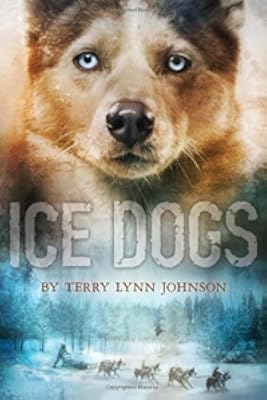
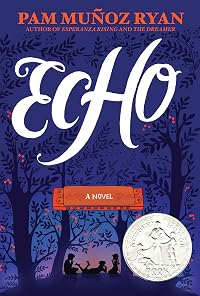
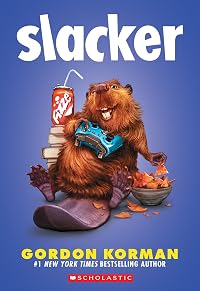

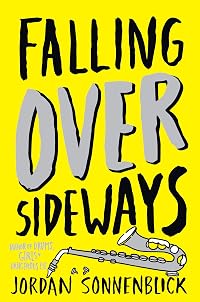
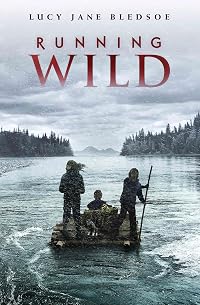
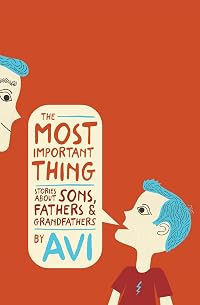



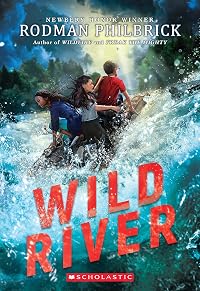
Member Recommendations
by Cecrow
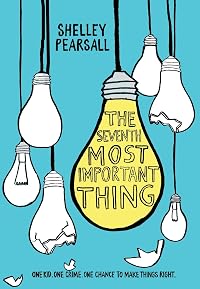
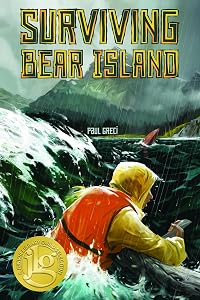
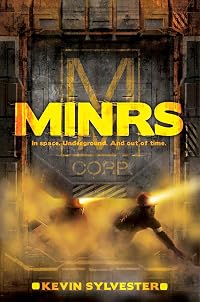
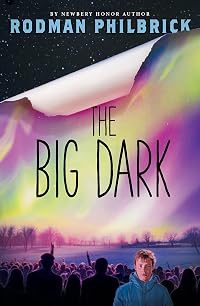
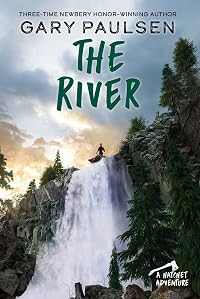
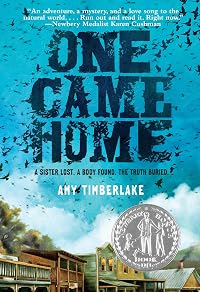
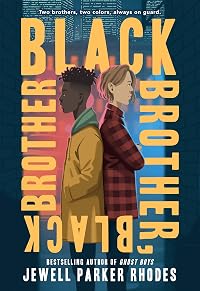
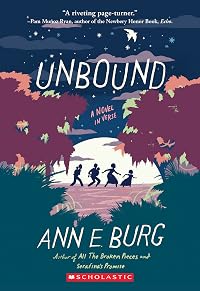
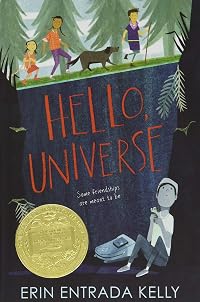
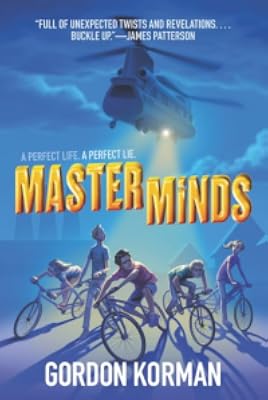
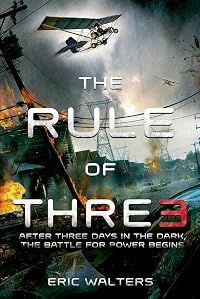
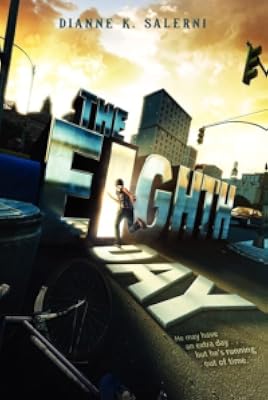
themulhern Two takes on the the theme of shipwrecked boys; one Victorian and one contemporary.
Member Reviews
This is a survival story very much in thhe vein of Hatchet. Two young teens are shipwrecked off the coast of Alaska, and struggle with the harsh environment.
I was struck by the authenticity of both the environment and characters. The author is obviously familiar with the area, and the atmosphere was bleak and spooky. Nature made nothing easy for the boys, and the simple acts of lighting a fire or storing food for the winter were realistically frustrating. I will remember being introduced to the aboriginal skeleton trees, a tradition of honouring the deceased that I had never heard of before.
The two main characters do not get along, a painful struggle that seemed very realistic. I can only imagine the trauma and how it may bring out the show more worst in people. I would personally have a hard time living with Frank, but I thought he seemed very true to life.
The storyline seemed less important than the setting and characters. The age range on the book says 8-12, which seems about right, although sensitive kids might find it a little dark. A sophisticated read for a transitional age. Recommended. show less
I was struck by the authenticity of both the environment and characters. The author is obviously familiar with the area, and the atmosphere was bleak and spooky. Nature made nothing easy for the boys, and the simple acts of lighting a fire or storing food for the winter were realistically frustrating. I will remember being introduced to the aboriginal skeleton trees, a tradition of honouring the deceased that I had never heard of before.
The two main characters do not get along, a painful struggle that seemed very realistic. I can only imagine the trauma and how it may bring out the show more worst in people. I would personally have a hard time living with Frank, but I thought he seemed very true to life.
The storyline seemed less important than the setting and characters. The age range on the book says 8-12, which seems about right, although sensitive kids might find it a little dark. A sophisticated read for a transitional age. Recommended. show less
 This review was written for LibraryThing Early Reviewers.
It’s been a year since the death of 12-year-old Chris’ father when his Uncle Jack invites him on a sailing adventure from Kodiak Alaska to Vancouver, British Columbia. Chris’ excitement is curtailed somewhat when he finds out that they are sharing the adventure with Frank a sullen sarcastic 15-year-old who Chris has never met. When they hit a storm, the boat sinks, Jack is killed, and Chris and Frank find themselves stranded on the coast of Alaska without any provisions or means to contact help.
Despite Frank’s clear and seemingly constant animosity towards Chris, the two are forced to work together to either find a way to civilization or, if worse comes to worst, shelter and a food supply to allow them to survive the brutal show more winter ahead. Fortunately, they discover a derelict cabin and, with the salmon spawning in a river nearby, they have a food supply at least for a while. They also discover a tree with several coffins suspended in its branches, the skeleton tree of the title.
Frank seems to know a great deal about survival at least in theory but lacks the patience to carry through with his many plans whether it is creating a fire by rubbing sticks together or building a raft. He also displays a kind of daredevil attitude which can be dangerous especially in their encounters with an aggressive grizzly. Chris, the narrator of this tale, is much more patient and thoughtful but unfortunately has never been taught any survival skills. This lack plus Frank’s belittling makes him feel even more lonely until he befriends a raven he names Thursday who provides him with comfort but who just adds to Frank’s resentment and jealousy. Chris is dependent on Frank’s skills but, when an accident leaves Frank extremely ill, he must set out on his own to try to find help.
The Skeleton Tree by author Iain Lawrence is one wild ride of an adventure story. Pitting the two young protagonists against the wild Alaskan wilderness keeps the action and suspense racked up while allowing for growth as the two must learn to work together. The wilderness itself as portrayed by Lawrence is beautiful and beautifully realized – this is nature at its most majestic and most dangerous. The story and the characters are complex and compelling and make the reader care about the outcome.
But this is not just a simple adventure tale. It is also about family, grief, the need for forgiveness and to let go of old fears and resentments if one is to move forward to discover one’s own story. The book is aimed at a middle grade audience but it has enough happening to appeal to any age. show less
Despite Frank’s clear and seemingly constant animosity towards Chris, the two are forced to work together to either find a way to civilization or, if worse comes to worst, shelter and a food supply to allow them to survive the brutal show more winter ahead. Fortunately, they discover a derelict cabin and, with the salmon spawning in a river nearby, they have a food supply at least for a while. They also discover a tree with several coffins suspended in its branches, the skeleton tree of the title.
Frank seems to know a great deal about survival at least in theory but lacks the patience to carry through with his many plans whether it is creating a fire by rubbing sticks together or building a raft. He also displays a kind of daredevil attitude which can be dangerous especially in their encounters with an aggressive grizzly. Chris, the narrator of this tale, is much more patient and thoughtful but unfortunately has never been taught any survival skills. This lack plus Frank’s belittling makes him feel even more lonely until he befriends a raven he names Thursday who provides him with comfort but who just adds to Frank’s resentment and jealousy. Chris is dependent on Frank’s skills but, when an accident leaves Frank extremely ill, he must set out on his own to try to find help.
The Skeleton Tree by author Iain Lawrence is one wild ride of an adventure story. Pitting the two young protagonists against the wild Alaskan wilderness keeps the action and suspense racked up while allowing for growth as the two must learn to work together. The wilderness itself as portrayed by Lawrence is beautiful and beautifully realized – this is nature at its most majestic and most dangerous. The story and the characters are complex and compelling and make the reader care about the outcome.
But this is not just a simple adventure tale. It is also about family, grief, the need for forgiveness and to let go of old fears and resentments if one is to move forward to discover one’s own story. The book is aimed at a middle grade audience but it has enough happening to appeal to any age. show less
This review was written for LibraryThing Early Reviewers.I received The Skeleton Tree, by Iain Lawrence as a participant in the Early Reviewers group on Library Thing. I entered the lottery for this book particularly because I enjoy reading Canadian authors and because it was compared to Gary Paulson’s Hatchet, which I adored as a child. I found it to be fulfilling in all both aspects, as well as exceeding my expectations of character development in a young adult fiction book.
Firstly, from my observations, Canadian authors understand the Canadian experience. In other words, I find that Canadian authors get what it’s like to be me in a way that American, European and other authors don’t. I think that, in addition to the familiarity with place that provides a certain realism, it is the show more witnessing of the Canadian culture that gives me comfort. There is often a quality of genuine humility and self-awareness that pervades the prose, reminding me of our unique brand of social interaction in Canada. Even though the main setting of The Skeleton Tree is set in Alaska, the references to place and life in Vancouver through the main character’s dialogue gives me the feeling that we come from the same world.
Second, I want to comment on the comparison of The Skeleton Tree to Hatchet. I fondly remember reading Hatchet with my mom and brother as a child, and not wanting the raw, wild world to come to an end. I wondered what the Great North would be like from another perspective within the same genre of fiction and hoped it wouldn’t be too much of a rewrite. Though the premise of the book is very similar, the added dimension of a second main character and the family dynamic puzzle is enough to make Lawrence’s book an engaging new story.
More than any other aspect of the book, I am surprised and delighted by the character development. So often, young adult fiction characters mimic the common social roles: the jerk, the goody-goody, the scaredy cat, the wild child, etc., without much crossover. But Frank and especially Chris are multidimensional. Rather than stereotypical character foils, the way that the boys are written shows the complex interwoven aspects of confidence and insecurities with how they’ve learned to cope with adversity.
Frank, for example, initially appears as contemptuous and apathetic, clearly ungrateful of his seemingly perfect child hood. But, as the story develops, it becomes clear that his persona is a skillful cover-up for his pain and insecurities. Not an entirely out of the box character profile, but authentic in its own way. Chris, however, an obviously insecure, approval seeking, good boy, reaches deeply into himself through the challenges he faces exposed to the raw wilderness of Alaska. His tenuous hold on his independence is undermined by Frank’s callousness, but somehow, he doesn’t harden. Instead he remains exposed, experiencing his feelings, even his rage nakedly before Frank. His values, incidentally common to the ideal Canadian identity: humility, selflessness, understanding and compassion, remain untarnished until the end. I’m not sure whether it was the demands of the wild north, or possibly Lawrence’s own perspective on the world, but through overcoming their predicament, the two become people; men even.
I was thoroughly engaged by The Skeleton Tree and found myself, once again, wishing for the world to go on longer. More than that though, indubitably thanks to Iain Lawrence’s representation of the Canadian experience, I found the characters remained in me long after I closed the book. I would rate this book a 4 out of five, and I will (and have already) recommend it to others in my life. show less
Firstly, from my observations, Canadian authors understand the Canadian experience. In other words, I find that Canadian authors get what it’s like to be me in a way that American, European and other authors don’t. I think that, in addition to the familiarity with place that provides a certain realism, it is the show more witnessing of the Canadian culture that gives me comfort. There is often a quality of genuine humility and self-awareness that pervades the prose, reminding me of our unique brand of social interaction in Canada. Even though the main setting of The Skeleton Tree is set in Alaska, the references to place and life in Vancouver through the main character’s dialogue gives me the feeling that we come from the same world.
Second, I want to comment on the comparison of The Skeleton Tree to Hatchet. I fondly remember reading Hatchet with my mom and brother as a child, and not wanting the raw, wild world to come to an end. I wondered what the Great North would be like from another perspective within the same genre of fiction and hoped it wouldn’t be too much of a rewrite. Though the premise of the book is very similar, the added dimension of a second main character and the family dynamic puzzle is enough to make Lawrence’s book an engaging new story.
More than any other aspect of the book, I am surprised and delighted by the character development. So often, young adult fiction characters mimic the common social roles: the jerk, the goody-goody, the scaredy cat, the wild child, etc., without much crossover. But Frank and especially Chris are multidimensional. Rather than stereotypical character foils, the way that the boys are written shows the complex interwoven aspects of confidence and insecurities with how they’ve learned to cope with adversity.
Frank, for example, initially appears as contemptuous and apathetic, clearly ungrateful of his seemingly perfect child hood. But, as the story develops, it becomes clear that his persona is a skillful cover-up for his pain and insecurities. Not an entirely out of the box character profile, but authentic in its own way. Chris, however, an obviously insecure, approval seeking, good boy, reaches deeply into himself through the challenges he faces exposed to the raw wilderness of Alaska. His tenuous hold on his independence is undermined by Frank’s callousness, but somehow, he doesn’t harden. Instead he remains exposed, experiencing his feelings, even his rage nakedly before Frank. His values, incidentally common to the ideal Canadian identity: humility, selflessness, understanding and compassion, remain untarnished until the end. I’m not sure whether it was the demands of the wild north, or possibly Lawrence’s own perspective on the world, but through overcoming their predicament, the two become people; men even.
I was thoroughly engaged by The Skeleton Tree and found myself, once again, wishing for the world to go on longer. More than that though, indubitably thanks to Iain Lawrence’s representation of the Canadian experience, I found the characters remained in me long after I closed the book. I would rate this book a 4 out of five, and I will (and have already) recommend it to others in my life. show less
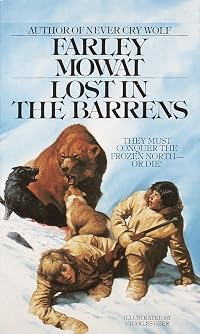
This review was written for LibraryThing Early Reviewers.This book is like an updated Lost in the Barrens and just as good as that Farley Mowat classic. I've never read anything by Iain Lawrence before but I see that his book, Gemini Summer, appears on the CBC list of 100 Young Adult Books That Make You Proud to be Canadian. He won a Governor General's Award for that book so I may have to pick it up.
Chris is about 12 years old and his father had died recently. His father's brother, Uncle Jack, had been his hero because he did exciting things so when he proposed that Chris come up to Kodiak, Alaska and help him sail his boat home to Vancouver Chris is eager to go. When he gets there he finds that an older boy, Frank, is also on board. Uncle Jack is eager to get started and tells Chris he will show more explain Frank's story once they are underway. Unfortunately, the boat capsizes and Uncle Jack is drowned before he can make that explanation. So Frank and Chris are stranded somewhere on the Alaska coast with no supplies and no way of signalling for help. Frank knows a little about foraging for food and they find an abandoned cabin that they can shelter in so they can survive until winter sets in. Chris makes friends with a raven which hangs around the cabin. On the other hand, there is a grizzly bear that considers the cabin in his territory and he wants the boys destroyed. Will the elements or the bear cause the end for the boys? I found I had to stay up late to read to the ending to find out.
I did figure out the central mystery about Frank well before it was revealed but a younger reader might not. At any rate, it didn't spoil the book for me. show less
Chris is about 12 years old and his father had died recently. His father's brother, Uncle Jack, had been his hero because he did exciting things so when he proposed that Chris come up to Kodiak, Alaska and help him sail his boat home to Vancouver Chris is eager to go. When he gets there he finds that an older boy, Frank, is also on board. Uncle Jack is eager to get started and tells Chris he will show more explain Frank's story once they are underway. Unfortunately, the boat capsizes and Uncle Jack is drowned before he can make that explanation. So Frank and Chris are stranded somewhere on the Alaska coast with no supplies and no way of signalling for help. Frank knows a little about foraging for food and they find an abandoned cabin that they can shelter in so they can survive until winter sets in. Chris makes friends with a raven which hangs around the cabin. On the other hand, there is a grizzly bear that considers the cabin in his territory and he wants the boys destroyed. Will the elements or the bear cause the end for the boys? I found I had to stay up late to read to the ending to find out.
I did figure out the central mystery about Frank well before it was revealed but a younger reader might not. At any rate, it didn't spoil the book for me. show less
This review was written for LibraryThing Early Reviewers.12-year old Chris is invited to go sailing with his Uncle Jack in Alaska. When Chris arrives, he is introduced to another boy, Frank, around 15-years old, who is also coming. Unfortunately, their boat sinks and they lose Jack. Chris and Frank are stranded somewhere in Alaska, trying to survive.
I really liked this. But, wow, did I hate Frank! What a jerk! I loved Thursday, the smart raven who befriended Chris. I really enjoyed the story, though. I suppose it’s those good stories that make you feel such strong love or hate for the characters, sometimes.
I really liked this. But, wow, did I hate Frank! What a jerk! I loved Thursday, the smart raven who befriended Chris. I really enjoyed the story, though. I suppose it’s those good stories that make you feel such strong love or hate for the characters, sometimes.
This review was written for LibraryThing Early Reviewers.READING LEVEL: 4.8 AR POINTS: 9.0
Fantastic novel for young readers...and for me, and I’m 55 years old! I was immediately reminded of Lord of the Flies, but there were only two boys on this adventure of survival in the Alaskan wild, and this book was much easier to read. The boys find themselves stranded and learning to survive by scavenging for food, escaping bear attacks, and fearing the nights with all the noises of the wild and their over-active imaginations. But, mostly surviving each other. I loved both characters, the very sensitive, and a bit intuitive, 12 year old Chris, and the angry, know-it-all 15 year old Frank. But, I mostly fell for Thursday, the Raven, a huge part of the story, who was drawn to and befriended Chris. I show more read a book once called “Mind of the Raven” by Bernd Heinrich, who had a ½-acre aviary in Maine just for the purpose of studying raven’s. They are extremely smart and very peculiar birds.
As the boys scouted the area, they came across an old, deserted run-down cabin, which they made home. Their time was spent sharing a book, “Kaetil the Raven Hunter” by Daniel J. Chesterson, they had found inside the cabin. Bits and pieces of that story kind of followed along with the things they were learning about in Thursday, their raven. [NOTE: I'm not sure, but the book may not be real. An internet search did not bring up the title nor the author of the book mentioned. Awww! Too bad cause I actually wanted to read it...lol]
They also found a lookout ridge with a wide view of the ocean that had a tree which held several coffins of bones of the dead, with the smallest coffin at the top. They called it the skeleton tree. [NOTE: The author, himself, claims to have actually seen one of these burial trees while scouting about in wild Alaska. The North American Nations (nanations.com) website says these burial trees were once used throughout America.] In this novel, the raven is very connected to this tree. But, the boys were quite afraid of it at first.
As time goes by, at least 44 days alone together, the boys learn the secret of, and come to terms with, why each of them were invited by their Uncle Jack on this sailing expedition. show less
Fantastic novel for young readers...and for me, and I’m 55 years old! I was immediately reminded of Lord of the Flies, but there were only two boys on this adventure of survival in the Alaskan wild, and this book was much easier to read. The boys find themselves stranded and learning to survive by scavenging for food, escaping bear attacks, and fearing the nights with all the noises of the wild and their over-active imaginations. But, mostly surviving each other. I loved both characters, the very sensitive, and a bit intuitive, 12 year old Chris, and the angry, know-it-all 15 year old Frank. But, I mostly fell for Thursday, the Raven, a huge part of the story, who was drawn to and befriended Chris. I show more read a book once called “Mind of the Raven” by Bernd Heinrich, who had a ½-acre aviary in Maine just for the purpose of studying raven’s. They are extremely smart and very peculiar birds.
As the boys scouted the area, they came across an old, deserted run-down cabin, which they made home. Their time was spent sharing a book, “Kaetil the Raven Hunter” by Daniel J. Chesterson, they had found inside the cabin. Bits and pieces of that story kind of followed along with the things they were learning about in Thursday, their raven. [NOTE: I'm not sure, but the book may not be real. An internet search did not bring up the title nor the author of the book mentioned. Awww! Too bad cause I actually wanted to read it...lol]
They also found a lookout ridge with a wide view of the ocean that had a tree which held several coffins of bones of the dead, with the smallest coffin at the top. They called it the skeleton tree. [NOTE: The author, himself, claims to have actually seen one of these burial trees while scouting about in wild Alaska. The North American Nations (nanations.com) website says these burial trees were once used throughout America.] In this novel, the raven is very connected to this tree. But, the boys were quite afraid of it at first.
As time goes by, at least 44 days alone together, the boys learn the secret of, and come to terms with, why each of them were invited by their Uncle Jack on this sailing expedition. show less
Iain Lawrence is an imaginative and pithy writer. Typically he writes dark, well-researched historical novels. This novel is a bit more contemporary, but uses as background a significant recent event, the tsunami which hit Japan in 2011. It is less dark than typical, probably because of its contemporary setting and its characters, two well-off, compared to the rest of the world, teenage boys.
Frank really was a typical teenage boy, sullen, obnoxious, self-centred, and not really good at much. Chris, the younger boy, was far more interesting, yet far less believable.
Frank really was a typical teenage boy, sullen, obnoxious, self-centred, and not really good at much. Chris, the younger boy, was far more interesting, yet far less believable.
Members
- Recently Added By
Lists

Boy/girl trees/nature/water etc cover--children's/YA fiction
316 works; 5 members
Author Information

24 Works 3,461 Members
Iain Lawrence is a journalist, travel writer, and author. His novels include Ghost Boy, Lord of the Nutcracker Men, The Skeleton Tree, and the High Seas Trilogy. (Bowker Author Biography)
Awards and Honors
Awards
Common Knowledge
- Canonical title
- The Skeleton Tree
- Original publication date
- 2016-01-16
- People/Characters
- Christopher; Franklin; Thursday (Raven)
- Important places
- Alaska, USA
- Dedication
- For Francoise
With happy memories - First words
- When I wake in the night, I'm afraid.
Classifications
Statistics
- Members
- 237
- Popularity
- 136,711
- Reviews
- 27
- Rating
- (4.00)
- Languages
- English, German, Korean
- Media
- Paper, Audiobook, Ebook
- ISBNs
- 22
- ASINs
- 2