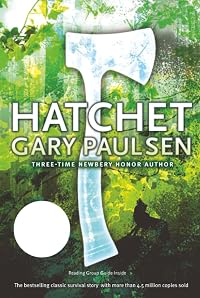
On This Page
Description
After a plane crash, thirteen-year-old Brian spends fifty-four days in the Canadian wilderness, learning to survive with only the aid of a hatchet given him by his mother, and learning also to survive his parents' divorce.Tags
Recommendations
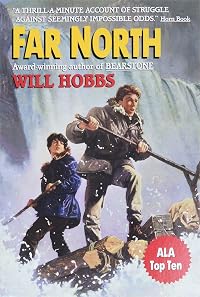
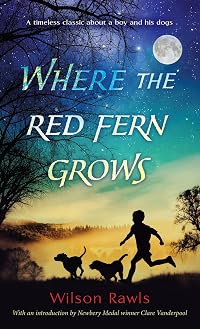
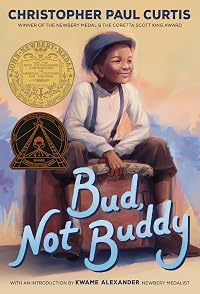
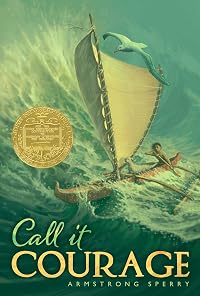


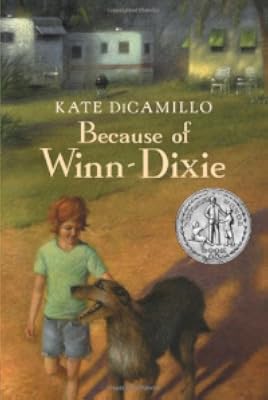
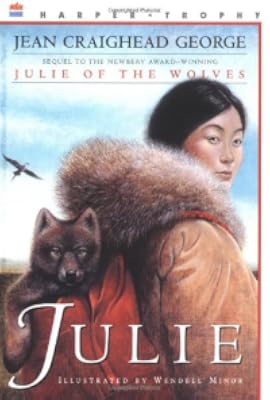
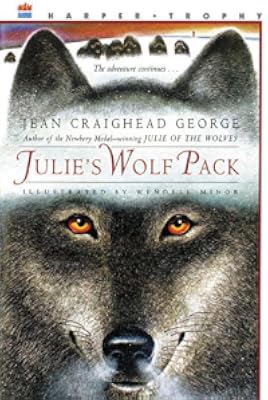
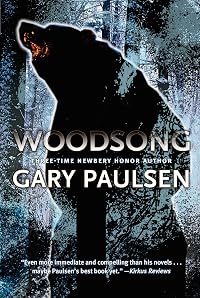

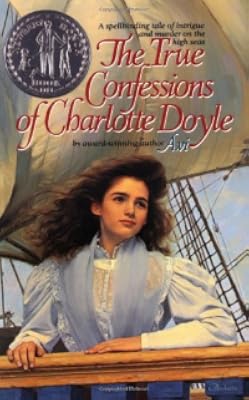
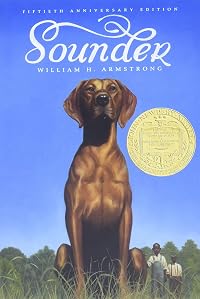
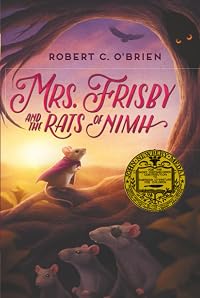
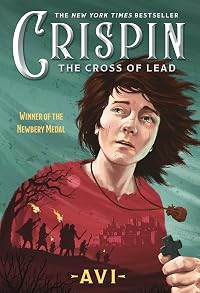
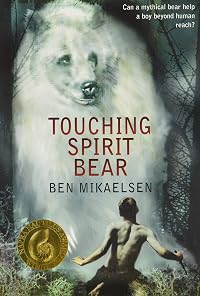
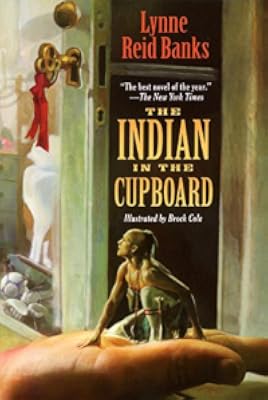
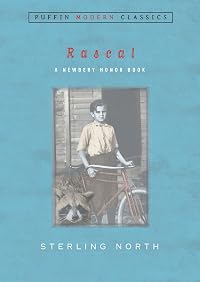
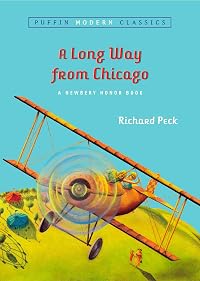

Member Recommendations
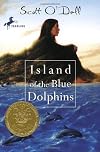
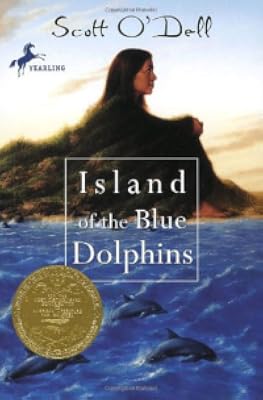
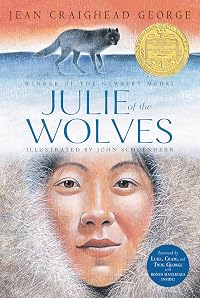
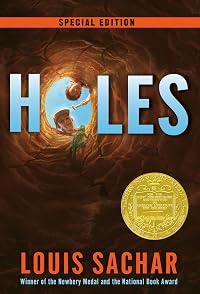
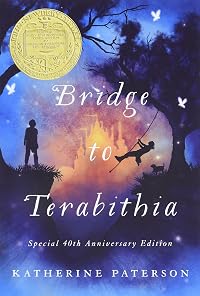
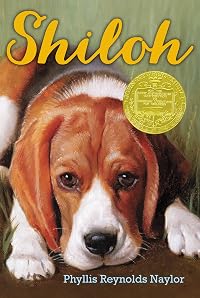
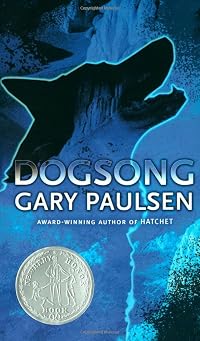
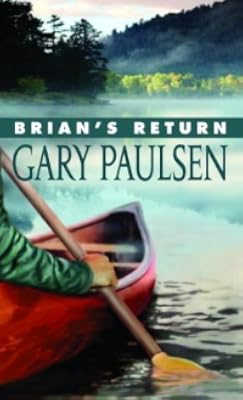
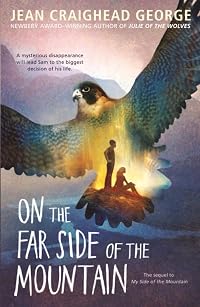
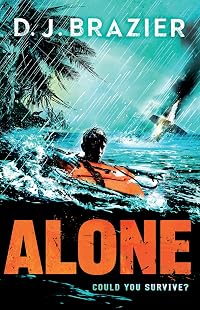
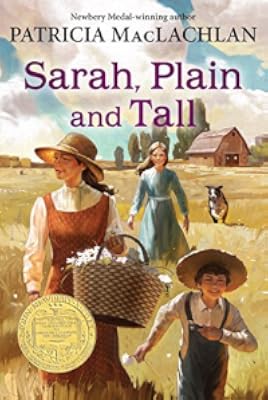
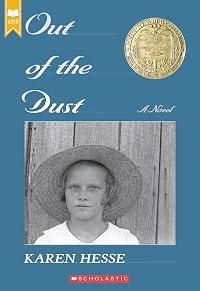
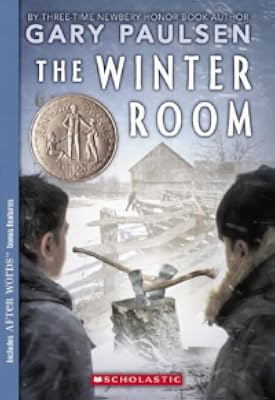
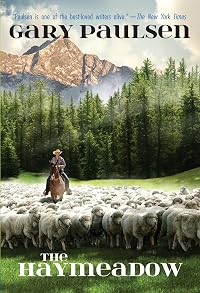
snapdragongirl Hatchet is also a survivalist book for young adults. It is about a boy who crash lands in a forest. His only tool is a hatchet.
50
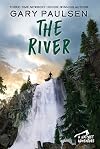
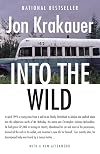
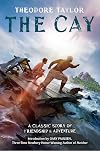
Ape Very similar stories.

Found by June Oldham
by bookel





by bookel


by bookel






Member Reviews
Read this survival YA classic during the Great Texas Freeze of 2021, while huddled under blankets during the daylight hours. I was hoping for a fictional disaster to take my mind off of my real-life, real-time, real-effin' cold disaster.
I'd say it mostly worked, a testament to Paulsen.
P.S. Mr. Ted Cruz who flew to the Ritz-Carlton in Cancun to escape the freeze just like the coward we know he is and with thoughts only of his super privileged little family (see Beto and AOC for how politician's service to others is done right), this 62 year old Texas survivor says he can now just go on to hell, where I hear it is warm all year round.
I'd say it mostly worked, a testament to Paulsen.
P.S. Mr. Ted Cruz who flew to the Ritz-Carlton in Cancun to escape the freeze just like the coward we know he is and with thoughts only of his super privileged little family (see Beto and AOC for how politician's service to others is done right), this 62 year old Texas survivor says he can now just go on to hell, where I hear it is warm all year round.
This short Newbery Honor book, meant for middle graders, is an amazing adventure story that I think is entertaining for all ages.
Brian Robeson is a thirteen year old who is the sole passenger of a Cessna, flying from New York on his way to the oil fields of Canada to spend the summer with his dad. His mother gives him a hatchet as a present, asking him to tie it onto his belt so she can see how it looks. And that hatchet, still on his belt when the pilot has a heart attack and the plane crashes, saves his life.
Brian starts out nauseated, afraid, and pretty helpless. But when he realizes he isn’t going to be rescued any time soon, if at all, he finally comes up with the inner resources to tend to his survival:
"He did not know how long show more it took, but later he looked back on this time of crying in the corner of the dark cave and thought of it as when he learned the most important rule of survival, which was that feeling sorry for yourself didn’t work. It wasn’t just that it was wrong to do or that it was considered incorrect. It was more than that – it didn’t work.”
He determines what does work, but it’s not easy, and he makes a lot of mistakes along the way. He has to figure out how to get food, water, warmth and protection from bugs, animals, and even the sun, and to prepare for all the unexpected surprises that regularly seem to come up in the wild. The process is riveting, even for adult readers!
Evaluation: I identified totally with Brian in all stages of his personal growth process in this book (although admittedly I could identify with the fear and incompetency phases more than the coping and surviving phases). I was never bored, and learned a great deal. It very much seemed like the story of “Cast Away” (the Tom Hanks movie), only a version for “young people.” My husband read it too: I said, “Oh, just read the first chapter and see what you think.” He didn’t put it down until he had finished it.
Simon & Schuster rates this book as recommended for ages 10-14. Personally, I’d call it “ages ten and up.” The prose is not as felicitous as it might be if written for adults, but if you remember that this tale is designed for middle grade readers, you'll appreciate the story all the more. show less
Brian Robeson is a thirteen year old who is the sole passenger of a Cessna, flying from New York on his way to the oil fields of Canada to spend the summer with his dad. His mother gives him a hatchet as a present, asking him to tie it onto his belt so she can see how it looks. And that hatchet, still on his belt when the pilot has a heart attack and the plane crashes, saves his life.
Brian starts out nauseated, afraid, and pretty helpless. But when he realizes he isn’t going to be rescued any time soon, if at all, he finally comes up with the inner resources to tend to his survival:
"He did not know how long show more it took, but later he looked back on this time of crying in the corner of the dark cave and thought of it as when he learned the most important rule of survival, which was that feeling sorry for yourself didn’t work. It wasn’t just that it was wrong to do or that it was considered incorrect. It was more than that – it didn’t work.”
He determines what does work, but it’s not easy, and he makes a lot of mistakes along the way. He has to figure out how to get food, water, warmth and protection from bugs, animals, and even the sun, and to prepare for all the unexpected surprises that regularly seem to come up in the wild. The process is riveting, even for adult readers!
Evaluation: I identified totally with Brian in all stages of his personal growth process in this book (although admittedly I could identify with the fear and incompetency phases more than the coping and surviving phases). I was never bored, and learned a great deal. It very much seemed like the story of “Cast Away” (the Tom Hanks movie), only a version for “young people.” My husband read it too: I said, “Oh, just read the first chapter and see what you think.” He didn’t put it down until he had finished it.
Simon & Schuster rates this book as recommended for ages 10-14. Personally, I’d call it “ages ten and up.” The prose is not as felicitous as it might be if written for adults, but if you remember that this tale is designed for middle grade readers, you'll appreciate the story all the more. show less
Gary Paulsen’s Hatchet is a classic survival novel that has captivated young readers for decades, and for good reason. On the surface, it’s the thrilling tale of a boy stranded alone in the Canadian wilderness after a devastating plane crash. But beneath the adventure and danger, it’s also a quiet, introspective story of growth, resilience, and transformation.
The novel centers on Brian Robeson, a thirteen-year-old boy whose journey of survival begins abruptly and violently with a bush plane crash that leaves him alone, injured, and wildly unprepared. What follows is an intense test of will as Brian battles hunger, wild animals, weather, and his own fear—all with nothing but a hatchet and his wits.
Brian is not a natural-born show more hero. He is stubborn, frightened, and understandably overwhelmed. But that’s what makes his growth so compelling. As the days stretch into weeks, and then months, we see a boy evolve—not just physically, as he learns how to fish, hunt, and build shelter—but mentally. He begins to think differently, problem-solve, and most importantly, accept the reality of his situation. His initial recklessness is gradually replaced by mindfulness, patience, and a respect for nature.
The novel does a great job of exploring how trauma and isolation can reshape a person. Brian is not just surviving the wilderness—he is also coming to terms with the emotional fallout of his parents’ divorce, which indirectly sets the story in motion. While the crash is dramatic, it’s the subtle, quiet moments of self-realization and adaptation that leave the strongest impact.
However, the novel isn’t without its flaws. One of the more questionable aspects is the resolution. After months of surviving, the sudden and highly convenient arrival of another plane feels more like a narrative shortcut than a well-earned rescue. While it offers readers the relief of closure and confirms that Brian’s efforts were not in vain, it also feels abrupt and unrealistic—especially in contrast to the slow, methodical pacing of the rest of the book.
There are also underlying family dynamics—especially regarding Brian’s distant parents—that are only lightly touched upon, despite being crucial to the story’s emotional foundation. Their neglect and dysfunction are part of what sends Brian on the flight in the first place, and yet, their role in his trauma isn’t deeply explored.
Hatchet succeeds most where it strips away modern distractions and shows the raw power of the human will. Brian’s journey is not just one of survival, but of transformation. While the ending may feel a bit too tidy and the family context somewhat underdeveloped, the novel still delivers an emotionally resonant and engaging tale that speaks to young readers about perseverance, adaptability, and inner strength. show less
The novel centers on Brian Robeson, a thirteen-year-old boy whose journey of survival begins abruptly and violently with a bush plane crash that leaves him alone, injured, and wildly unprepared. What follows is an intense test of will as Brian battles hunger, wild animals, weather, and his own fear—all with nothing but a hatchet and his wits.
Brian is not a natural-born show more hero. He is stubborn, frightened, and understandably overwhelmed. But that’s what makes his growth so compelling. As the days stretch into weeks, and then months, we see a boy evolve—not just physically, as he learns how to fish, hunt, and build shelter—but mentally. He begins to think differently, problem-solve, and most importantly, accept the reality of his situation. His initial recklessness is gradually replaced by mindfulness, patience, and a respect for nature.
The novel does a great job of exploring how trauma and isolation can reshape a person. Brian is not just surviving the wilderness—he is also coming to terms with the emotional fallout of his parents’ divorce, which indirectly sets the story in motion. While the crash is dramatic, it’s the subtle, quiet moments of self-realization and adaptation that leave the strongest impact.
However, the novel isn’t without its flaws. One of the more questionable aspects is the resolution. After months of surviving, the sudden and highly convenient arrival of another plane feels more like a narrative shortcut than a well-earned rescue. While it offers readers the relief of closure and confirms that Brian’s efforts were not in vain, it also feels abrupt and unrealistic—especially in contrast to the slow, methodical pacing of the rest of the book.
There are also underlying family dynamics—especially regarding Brian’s distant parents—that are only lightly touched upon, despite being crucial to the story’s emotional foundation. Their neglect and dysfunction are part of what sends Brian on the flight in the first place, and yet, their role in his trauma isn’t deeply explored.
Hatchet succeeds most where it strips away modern distractions and shows the raw power of the human will. Brian’s journey is not just one of survival, but of transformation. While the ending may feel a bit too tidy and the family context somewhat underdeveloped, the novel still delivers an emotionally resonant and engaging tale that speaks to young readers about perseverance, adaptability, and inner strength. show less
In addition to being a suspenseful tale of wilderness survival and courage, Hatchet is a powerful coming-of-age story which deftly conveys the shift from childhood to young manhood. Paulsen shows the range of emotions felt by a boy of this age--pride, fear, childlike helplessness and mature reflection/evaluation--against the backdrop of a life-and-death situation. The combination is both exciting and emotionally accurate.
Twelve-year-old city kid Brian Robeson is flying to visit his father for the summer after his parents' divorce. During the flight, the pilot has a heart attack, and Brian lands the plane, but has no idea where he is. He escapes the wreck and makes a shelter near a lake, and must figure out how to get food and start a fire with nothing but his hatchet as he hopes for rescue.
This was the book that the Homeschool Book Group chose from the book tasting, so I'm re-reading it for the first time since grade school. The premise is as gripping as I remember - a great hook for book-talking - but the sentences are short, declarative, and repetitive, very "Hemingway for Kids." Still, it's a classic for a reason, and retains its appeal with that show more speculative, what-if-it-were-me aspect.
Questions for book group:
--What do you think of the narrative style (close third person; short, declarative sentences)? How does it help create the atmosphere/mood of the story?
--If you could choose 3-5 items to have with you in a survival scenario like Brian's, what do you think would be most important?
--What does Brian think is "the most important rule of survival"? Do you agree? What does he learn to prioritize?
--Brian relies on information he's learned from watching nature shows on TV. What knowledge do you have that would help you in a survival scenario, and where did you learn it?
--Brian muses about good luck and bad luck. Can you think of something that happened in the story that seemed like bad luck at first, but had a good result (or vice versa)? [e.g. when the tornado comes through, it ruins Brian's shelter but reveals the Cessna]
--The story ends somewhat abruptly, soon after Brian gets the survival pack out of the downed plane and turns on the transmitter. What did you think of the ending? Were you surprised that the pilot who rescues Brian said they had given up the search a month or two ago?
--For much of the story, Brian's thoughts are primarily focused on survival, with thoughts of his parents fading into the background. What do you think about "the Secret" that causes Brian to be so angry at his mother? Do you think Brian's father knows?
Quotes
If you keep walking back from good luck, he thought, you'll come to back luck. (40)
Here, at first, it was silent, or he thought it was silent, but when he started to listen, really listen, he heard thousands of things. (41)
And he was, at that moment, almost overcome with self-pity. He was dirty and starving and bitten and hurt and lonely and ugly and afraid and so completely miserable that it was like being in a pit, a dark, deep pit with no way out. (70)
...he learned the most important rule of survival, which was that feeling sorry for yourself didn't work. (82)
He had gotten depressed thinking about how they hadn't found him yet, and when he was busy and had something to do the depression seemed to leave. (104)
He was not the same. The plane passing changed him, the disappointment cut him down and made him new. He was not the same and would never be again like he had been. (123)
Patience, he thought. So much of this was patience - waiting and thinking and doing things right. So much of all this, so much of all living was patience and thinking. (145)
The rifle changed him, the minute he picked it up, and he wasn't sure that he liked the change very much. (186)
Up and down, he thought. The pack was wonderful but it gave him and up and down feelings. (187)
He had not moved. It had all happened so fast that he hadn't moved. He sat...staring at the plane, not quite understanding it yet; not quite knowing yet that it was over. (190) show less
This was the book that the Homeschool Book Group chose from the book tasting, so I'm re-reading it for the first time since grade school. The premise is as gripping as I remember - a great hook for book-talking - but the sentences are short, declarative, and repetitive, very "Hemingway for Kids." Still, it's a classic for a reason, and retains its appeal with that show more speculative, what-if-it-were-me aspect.
Questions for book group:
--What do you think of the narrative style (close third person; short, declarative sentences)? How does it help create the atmosphere/mood of the story?
--If you could choose 3-5 items to have with you in a survival scenario like Brian's, what do you think would be most important?
--What does Brian think is "the most important rule of survival"? Do you agree? What does he learn to prioritize?
--Brian relies on information he's learned from watching nature shows on TV. What knowledge do you have that would help you in a survival scenario, and where did you learn it?
--Brian muses about good luck and bad luck. Can you think of something that happened in the story that seemed like bad luck at first, but had a good result (or vice versa)? [e.g. when the tornado comes through, it ruins Brian's shelter but reveals the Cessna]
--The story ends somewhat abruptly, soon after Brian gets the survival pack out of the downed plane and turns on the transmitter. What did you think of the ending? Were you surprised that the pilot who rescues Brian said they had given up the search a month or two ago?
--For much of the story, Brian's thoughts are primarily focused on survival, with thoughts of his parents fading into the background. What do you think about "the Secret" that causes Brian to be so angry at his mother? Do you think Brian's father knows?
Quotes
If you keep walking back from good luck, he thought, you'll come to back luck. (40)
Here, at first, it was silent, or he thought it was silent, but when he started to listen, really listen, he heard thousands of things. (41)
And he was, at that moment, almost overcome with self-pity. He was dirty and starving and bitten and hurt and lonely and ugly and afraid and so completely miserable that it was like being in a pit, a dark, deep pit with no way out. (70)
...he learned the most important rule of survival, which was that feeling sorry for yourself didn't work. (82)
He had gotten depressed thinking about how they hadn't found him yet, and when he was busy and had something to do the depression seemed to leave. (104)
He was not the same. The plane passing changed him, the disappointment cut him down and made him new. He was not the same and would never be again like he had been. (123)
Patience, he thought. So much of this was patience - waiting and thinking and doing things right. So much of all this, so much of all living was patience and thinking. (145)
The rifle changed him, the minute he picked it up, and he wasn't sure that he liked the change very much. (186)
Up and down, he thought. The pack was wonderful but it gave him and up and down feelings. (187)
He had not moved. It had all happened so fast that he hadn't moved. He sat...staring at the plane, not quite understanding it yet; not quite knowing yet that it was over. (190) show less
"Going to the woods is going home, for I suppose we came from the woods originally. But in some of nature's forests, the adventurous traveler seems a feeble, unwelcome creature; wild beasts and the weather trying to kill him, the rank, tangled vegetation, armed with spears and stinging needles, barring his way and making life a hard struggle." - John Muir
The moment Brian is hit with skunk spray, I found myself thinking: "It wasn't that bad, was it?"
Maybe it was. I was a pre-teen messing around in the National Forest near our home in Colorado, and I walked home to an extended bath to remove the stink. Brian, on the other hand, was lost in the Canadian wilds and was pretty much in a fight for the first protein he had eaten in days. show more Perhaps it was a little different.
On the other hand, there was no doubt in my mind that the moose attack should have killed him. Kill him dead.
Reading Hatchet brought back memories, created new ones, and excited my imagination (and not just about getting sprayed by a skunk). A staple of middle school English class reading lists for decades, I picked it up again when my sixth-grader read it recently. J.K. Rowling may have made reading interesting to a new generation, but Paulsen is there when they turn to find another book, especially one that isn't rooted in a fantasy world. Instead, Paulsen delivers an adventure that is real and entirely believable. The wild where Brian finds himself, alone and lost, is foreign, uncaring, and hostile. It is a scary and marvelous place.
I asked Abby what her favorite and least favorite parts were and, perhaps conveying a bit more about her own age and values than about the book, she chose the moment Brian *spoiler* was saved and the scene when he tried to kill himself from despair *spoiler*, respectively. On the other hand, the moment that brought me the most emotion was in *spoiler* the moment that he swung the hatchet to cut through the fuselage of the plane, knowing all the while that he was about to lose the very tool that had allowed him to survive. Close to that in emotion was the pain I felt at the betrayal by his mother of their family, and the division it caused between her and Brian's father. But then, I am an adult, married, and partner in marriage myself. *spoiler*
Despite the emotions it at times invokes, Hatchett is a simply told story, even dull on occasion and perhaps that's what lets it soar as a novel. Instead of getting in the way of itself, the reader is able to become Brian, to set himself in Brian's increasingly tattered shoes, to find who he is when the wild is trying to kill him, all from the comfort of a warm, civilized home. show less
The moment Brian is hit with skunk spray, I found myself thinking: "It wasn't that bad, was it?"
Maybe it was. I was a pre-teen messing around in the National Forest near our home in Colorado, and I walked home to an extended bath to remove the stink. Brian, on the other hand, was lost in the Canadian wilds and was pretty much in a fight for the first protein he had eaten in days. show more Perhaps it was a little different.
On the other hand, there was no doubt in my mind that the moose attack should have killed him. Kill him dead.
Reading Hatchet brought back memories, created new ones, and excited my imagination (and not just about getting sprayed by a skunk). A staple of middle school English class reading lists for decades, I picked it up again when my sixth-grader read it recently. J.K. Rowling may have made reading interesting to a new generation, but Paulsen is there when they turn to find another book, especially one that isn't rooted in a fantasy world. Instead, Paulsen delivers an adventure that is real and entirely believable. The wild where Brian finds himself, alone and lost, is foreign, uncaring, and hostile. It is a scary and marvelous place.
I asked Abby what her favorite and least favorite parts were and, perhaps conveying a bit more about her own age and values than about the book, she chose the moment Brian *spoiler* was saved and the scene when he tried to kill himself from despair *spoiler*, respectively. On the other hand, the moment that brought me the most emotion was in *spoiler* the moment that he swung the hatchet to cut through the fuselage of the plane, knowing all the while that he was about to lose the very tool that had allowed him to survive. Close to that in emotion was the pain I felt at the betrayal by his mother of their family, and the division it caused between her and Brian's father. But then, I am an adult, married, and partner in marriage myself. *spoiler*
Despite the emotions it at times invokes, Hatchett is a simply told story, even dull on occasion and perhaps that's what lets it soar as a novel. Instead of getting in the way of itself, the reader is able to become Brian, to set himself in Brian's increasingly tattered shoes, to find who he is when the wild is trying to kill him, all from the comfort of a warm, civilized home. show less
Summary: Young boy learns to survive when he finds himself suddenly thrust into the wilderness with nothing but a Hatchet.
Things I liked:
* He makes mistakes, it's not all sunshine and roses and this gives the story an ongoing sense of peril.
* It's short and compelling. I think I read this in about two days and definitely had stretches when I couldn't put it down. I think there's something about survival stories that makes them very easy to identify. I find myself asking myself, 'what would I do in that situation'.
Things I thought could have been improved:
Not sure, I think the bit when they just skipped time in the middle seemed a bit hollywood deus machina. I think the story would have been better if we hadn't been able to look show more away, but that might have made it longer.
Highlight:
I think probably the highlight for me was when he described eating meat for the first time I think this was an excellent synthesis of how he was changing though the experience. show less
Things I liked:
* He makes mistakes, it's not all sunshine and roses and this gives the story an ongoing sense of peril.
* It's short and compelling. I think I read this in about two days and definitely had stretches when I couldn't put it down. I think there's something about survival stories that makes them very easy to identify. I find myself asking myself, 'what would I do in that situation'.
Things I thought could have been improved:
Not sure, I think the bit when they just skipped time in the middle seemed a bit hollywood deus machina. I think the story would have been better if we hadn't been able to look show more away, but that might have made it longer.
Highlight:
I think probably the highlight for me was when he described
Members
- Recently Added By
Lists

Best Newbery Honor Books
257 works; 32 members

1001 Children's Books You Must Read Before You Grow Up
774 works; 101 members

Best middle grade books
130 works; 24 members
NPRs Ultimate Backseat Bookshelf: 100 Must-Reads for kids 9-14
222 works; 30 members

PBS The Great American Read
100 works; 21 members

Read the book and saw the movie
1,170 works; 195 members
Mensa for Kids Excellence in Reading Award Program (Grades 4-6)
64 works; 9 members

my children books reading list-from 100 great books
101 works; 7 members

Sonlight Books
1,487 works; 25 members

Childhood Favorites
427 works; 24 members

Books Set in Canada
80 works; 16 members

Satori Smiles Children's Book List
262 works; 7 members

Canada
42 works; 3 members

Newbery Honor Books By year - II - 1981-2035
143 works; 4 members

Children's Classics Worth Reading
68 works; 9 members

Best Young Adult
413 works; 102 members

KID BOOKS
54 works; 1 member

Ryan's Books
34 works; 1 member

Robinsonade Novels
55 works; 4 members

Books for Reluctant Readers
18 works; 3 members

Most Popular Books Tagged Canada
34 works; 1 member

Book Talks 9/13/17
46 works; 1 member
BitLife
212 works; 4 members

Books We Love to Reread
695 works; 298 members

A Smorgasbord of Culinary Fiction
221 works; 94 members

AR Level 5 in cloudLibrary
170 works; 1 member
Vlogbrothers Book Recommendations
307 works; 4 members

The Worst Bestsellers Podcast
296 works; 5 members

Books We Loved As Children
610 works; 254 members

School Made Us Read It
380 works; 197 members

Favorite Kids Books (chapter, middle grade)
170 works; 4 members

Elementary Reads
15 works; 1 member

HMS: Make Your Child a Lover of Books, Books for Boys
28 works; 2 members
Books We'd Want on a Desert Island
204 works; 133 members
Children's Adventure
53 works; 4 members

Read in 1999
62 works; 1 member

Books Read in 2021
5,361 works; 113 members

GCS 6th grade summer reading list
171 works; 4 members

Boy/girl trees/nature/water etc cover--children's/YA fiction
316 works; 5 members
Survival, camping -- children's/young adult fiction
35 works; 3 members
Great Audiobooks
96 works; 10 members

1980s
356 works; 23 members
Survival, plane crash -- children's/young adult fiction
112 works; 3 members
Favorite Long Books
330 works; 42 members

Best Survival Stories
97 works; 15 members

Books About Boys
175 works; 15 members
Camping -- children's/young adult fiction
93 works; 2 members

Books Read in 2023
5,638 works; 147 members

PRC 2015 Years 7&8
50 works; 1 member

Books Read in 2016
4,666 works; 197 members

The Art of Manliness' 100+ Books Every Man Should Read
108 works; 2 members

Main Character is aged 10-19
363 works; 6 members
SYES Library Wishlist
1,080 works; 4 members
Before Austen Comes Aesop
318 works; 9 members

Read Aloud Revival
108 works; 4 members
Author Information

226+ Works 100,405 Members
Gary Paulsen was born on May 17, 1939 in Minnesota. He was working as a satellite technician for an aerospace firm in California when he realized he wanted to be a writer. He left his job and spent the next year in Hollywood as a magazine proofreader. His first book, Special War, was published in 1966. He has written more than 175 books for young show more adults including Brian's Winter, Winterkill, Harris and Me, Woodsong, Winterdance, The Transall Saga, Soldier's Heart, This Side of Wild, and Guts: The True Stories Behind Hatchet and the Brian Books. Hatchet, Dogsong, and The Winter Room are Newbery Honor Books. He was the recipient of the 1997 Margaret A. Edwards Award for his lifetime achievement in writing for young adults. (Bowker Author Biography) show less
Some Editions
Awards and Honors
Awards
Distinctions
Little Free Library Action Book Club Selection (Middle Readers – In Our Nature)
Notable Lists
Series

Work Relationships
Is contained in
Has as a teacher's guide
Common Knowledge
- Canonical title*
- De schreeuw in de wildernis
- Original title
- Hatchet
- Alternate titles*
- Neergestort
- Original publication date
- 1987
- People/Characters
- Brian Robeson
- Important places
- New York, New York, USA; Canada
- Related movies
- A Cry in the Wild (1990 | IMDb)
- Epigraph
- secret, secret, oh the secret.
- Dedication
- To the students of the Hershey Middle School
- First words
- Brian Robeson stared out the window of the small plane at the endless green northern wilderness below.
- Quotations
- He could not play the game without hope; could not play the game without a dream. They had taken it all away from him now, they had turned away from him and there was nothing for him now. The plane gone, his family gone, all ... (show all)of it gone. They would not come. He was alone and there was nothing for him.
In measured time, forty-seven days had passed since the crash. Forty-two days, he thought, since he had died and had been born as the new Brian.
Many times he thought he would not make it. - Last words
- (Click to show. Warning: May contain spoilers.)Brian tried several times to tell his father, came really close once to doing it, but in the end never said a word about the man or what he knew, the Secret.
- Original language
- English
- Disambiguation notice
- This LT work distinguishes Gary Paulsen's original 1988 novel, Hatchet, from later editions that include related readings. Thank you.
*Some information comes from Common Knowledge in other languages. Click "Edit" for more information.
Classifications
- Genres
- Kids, Children's Books, Tween, Fiction and Literature
- DDC/MDS
- 813.54 — Literature & rhetoric American literature in English American fiction in English 1900-1999 1945-1999
- LCC
- PZ7 .P2843 .H — Language and Literature Fiction and juvenile belles lettres Fiction and juvenile belles lettres Juvenile belles lettres
- BISAC
Statistics
- Members
- 21,712
- Popularity
- 254
- Reviews
- 634
- Rating
- (3.78)
- Languages
- 9 — Chinese, Dutch, English, French, German, Italian, Lithuanian, Spanish, Swedish
- Media
- Paper, Audiobook, Ebook
- ISBNs
- 128
- ASINs
- 50