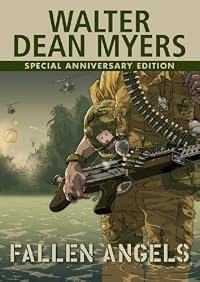
Fallen Angels
by Walter Dean Myers
On This Page
Description
Seventeen-year-old Richie Perry, just out of his Harlem high school, enlists in the Army in the summer of 1967 and spends a devastating year on active duty in Vietnam.Tags
Recommendations
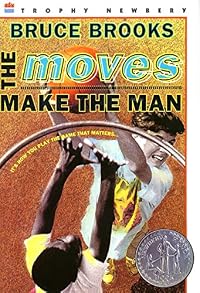
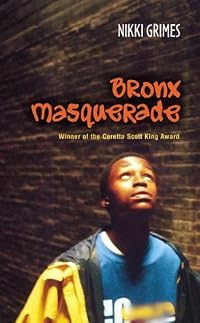
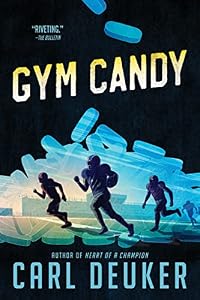
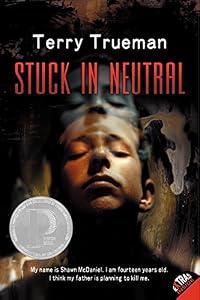



Member Recommendations
Member Reviews
Walter Dean Myers' novel Fallen Angels is a realistic depiction of young men fighting on the ground during the Vietnam War. The novel follows the protagonist, Richard Perry, as he enlists in the army at 17 and goes from Harlem to Vietnam to fight. Perry is not supposed to be on the front lines, because of knee injury he sustained playing basketball, but Myers quickly shows the reader how the bureaucracy of war cares little about the human cost, and Perry is thrown into combat. The story revolves around his squad, and follows the friendships of the men as they evolve, enduring the horrors of war together, including guerrilla style combat with the Vietcong, and the painful reality of growing up way too fast in a unnecessary conflict show more half-way around the world. Myers' story is an accurate and sobering depiction of war, as well as coming of age story that is both heartwarming at points, and heartbreaking at others. Myers questions the morality of war in general and this war in particular, and demonstrates how African Americans continued to face racist discrimination at this time, even on the battlefield. It is a thoughtful and impactful reflection of a tumultuous and violent point in American history. show less
"...For all the angel warriors who fall."
Richie Perry is the face of so many young men who fought in the Vietnam War. Raised in Harlem, Richie joins the army in 1967, hoping for a better future. With no money saved for college, Richie finds foreign jungles more palatable than the streets of Harlem.
Richie and his fellow soldier friends are extremely unprepared for the harsh realities of war. They find that the definition of 'enemy' is not as cut and dried as they once pictured and chaos ensues during much of Richie's stay in Vietnam.
In one of the more terrifying scenes of ambush, so many American soldiers are killed that the remaining boys are forced to burn the bodies rather than body bag and carry them back to the pick-up point. Richie show more sees the dead boys being burned: "They were me. We wore the same uniform, were the same height, had the same face. They were me, and they were dead." Although this book obviously doesn't glorify war, it doesn't make the judgment call of condemning it, either. Myers presents facts and raw emotion in this narrative, and the language isn't for the faint of heart. Although this book was marketed for young adults, I think I appreciated it even more as an adult. show less
Richie Perry is the face of so many young men who fought in the Vietnam War. Raised in Harlem, Richie joins the army in 1967, hoping for a better future. With no money saved for college, Richie finds foreign jungles more palatable than the streets of Harlem.
Richie and his fellow soldier friends are extremely unprepared for the harsh realities of war. They find that the definition of 'enemy' is not as cut and dried as they once pictured and chaos ensues during much of Richie's stay in Vietnam.
In one of the more terrifying scenes of ambush, so many American soldiers are killed that the remaining boys are forced to burn the bodies rather than body bag and carry them back to the pick-up point. Richie show more sees the dead boys being burned: "They were me. We wore the same uniform, were the same height, had the same face. They were me, and they were dead." Although this book obviously doesn't glorify war, it doesn't make the judgment call of condemning it, either. Myers presents facts and raw emotion in this narrative, and the language isn't for the faint of heart. Although this book was marketed for young adults, I think I appreciated it even more as an adult. show less
Fallen Angels is as nice a depiction of the psychological effects of war as I've seen -- PTSD, dehumanizing the enemy, camaraderie-in-arms, home becoming alien -- and does a beautiful job of making those psychological transitions seem normal and reasonable. In context, they are normal and reasonable.
It's also a good read.
The novel follows a young Harlem vounteer through his tour of duty, beginning with his arrival in country and ending with his departure. Perry begins as a naive innocent, bewildered by his sergeant's counting down the last few weeks until his own tour is over, but eventually Perry becomes a seasoned soldier, counting down until the day that he, too can leave.
According to the ALA, Fallen Angels was one of the most show more frequently challenged books for 1990-2000 (number 24 on that list). To recap, the most-stated reasons for challenge were racism, offensive language, and violence.
Um.
It's hard to take the substance of these book-challenges seriously. Concerning the specific objections against Fallen Angels: the characters are conscious of racism and point it out when they see it; the soldiers sometimes use obscene language; the book is set in a war zone. If anything, I would have said that Myers gentled all three areas somewhat in order to make the book easier to read. (I was never reluctant to turn the page.) I fail to understand what the book-challengers want: nothing abut happy books about ponies eating fragrant herbs in the gentle, temperate-zones sunshine?
Sometimes there are some other topics that are crying out to be discussed. Fallen Angels does that, and does it well. show less
It's also a good read.
The novel follows a young Harlem vounteer through his tour of duty, beginning with his arrival in country and ending with his departure. Perry begins as a naive innocent, bewildered by his sergeant's counting down the last few weeks until his own tour is over, but eventually Perry becomes a seasoned soldier, counting down until the day that he, too can leave.
According to the ALA, Fallen Angels was one of the most show more frequently challenged books for 1990-2000 (number 24 on that list). To recap, the most-stated reasons for challenge were racism, offensive language, and violence.
Um.
It's hard to take the substance of these book-challenges seriously. Concerning the specific objections against Fallen Angels: the characters are conscious of racism and point it out when they see it; the soldiers sometimes use obscene language; the book is set in a war zone. If anything, I would have said that Myers gentled all three areas somewhat in order to make the book easier to read. (I was never reluctant to turn the page.) I fail to understand what the book-challengers want: nothing abut happy books about ponies eating fragrant herbs in the gentle, temperate-zones sunshine?
Sometimes there are some other topics that are crying out to be discussed. Fallen Angels does that, and does it well. show less
"There's only two kinds of people in Vietnam. People who are alert twenty-fours a day, and people who are dead."
Richie Perry was seventeen and in trouble. There was no way he could afford college, and the streets were just too tempting. The war in Vietnam seems to be winding down. it would give him something to do and three meals a day. He would probably not see combat. He thinks, this is the perfect way to cool out till he gets himself together.
Basic training wasn't so hard. But there were things they didn't tell him in basic.
They didn't tell him about Nam Rot, or napalm that sucked the air out of your lungs from a hundred yards away, or the body bags that lay in neat piles, ready for the next soldier to die.
They didn't tell him how it show more felt to shoot at Vietnamese soldiers no older than you were, and just as afraid.
This is the powerful story of a seventeen year old's tour of duty. Walter Dean Meyers has written a testament to the thousands of young adults who fought and died in the Vietnam War.
This is considered a young adult novel of Historical Fiction. It is graphic and for a more mature reader.
"You ain't killed nobody yet," Peewee said. They gots to be people before you kill them. You think these Congs is people?"
"Yeah sure they are."
"What are their names?"
"How the hell would I know their names?"
"What they like to eat?"
"I don't know."
"See, they ain't people to you yet. You figure out all that shit, what they names is, what they like to eat, who do the dishes and shit like that, then they people. Then you shoot them you killing somebody." show less
Richie Perry was seventeen and in trouble. There was no way he could afford college, and the streets were just too tempting. The war in Vietnam seems to be winding down. it would give him something to do and three meals a day. He would probably not see combat. He thinks, this is the perfect way to cool out till he gets himself together.
Basic training wasn't so hard. But there were things they didn't tell him in basic.
They didn't tell him about Nam Rot, or napalm that sucked the air out of your lungs from a hundred yards away, or the body bags that lay in neat piles, ready for the next soldier to die.
They didn't tell him how it show more felt to shoot at Vietnamese soldiers no older than you were, and just as afraid.
This is the powerful story of a seventeen year old's tour of duty. Walter Dean Meyers has written a testament to the thousands of young adults who fought and died in the Vietnam War.
This is considered a young adult novel of Historical Fiction. It is graphic and for a more mature reader.
"You ain't killed nobody yet," Peewee said. They gots to be people before you kill them. You think these Congs is people?"
"Yeah sure they are."
"What are their names?"
"How the hell would I know their names?"
"What they like to eat?"
"I don't know."
"See, they ain't people to you yet. You figure out all that shit, what they names is, what they like to eat, who do the dishes and shit like that, then they people. Then you shoot them you killing somebody." show less
Terrific first-hand account of one soldier, Rchie Perry's experience of the Vietnam War... landing in the country, going on patrols, engaging in hand-to-hand combat, "pacifying" villages, standing guard, and more. Violence is graphic but not gratuitous: includes descriptions of corpses, booby-trapped baby, land-mines. Perry is African-American and race issues are ever-present but not the central focus of the book. 1960s period details are spot-on and not overbearing. The book also hints at the problems of re-entry into civilan life. Perry and fellow soldiers, esp. PeeWee (Chicago jivester) Johnson (quiet country boy) and Lobel (Jewish boy trying to earn his father's respect) are drawn just shy of being stereotypes.... in any case, the show more reader grows to care for them making the inevitable death & injuries all the more poignant. show less
As far as war novels go, I've never been a fan.I've always felt as if the author softens up the war zone for the public, but Fallen Angels felt real. I always figured in a war scenario there would be a little swearing.And be warned, there is indeed swearing.But in all seriousness, in not picking up this book you will be really be missing out on a great piece of writing.
The book starts with 17 year old Richie Perry,fresh out of high school,shipping himself off to Vietnam. On one of the many planes he goes on to get there, he meets Peewee,a somewhat eccentric guy who seems to desperately want to eliminate the opposing forces.
When they finally get to Vietnam, Richie attempts to alert his superiors of his of his medically unfit knee he is show more told,"If we get a medical report we'll let ya know". So, Richie and Peewee are assigned to their squad. From here on, I feel it best for the reader to experience it for themselves. The patrols, lookouts, and firefights unveil things about the characters,why they came ,what they did back home and who they are are all are best to find out in the book, not in a book review. So please, just read it.
This is among the best books I've ever read. The author does a great job of capturing the emotional side of the war without removing action, maintains the seriousness of the situation, but throwing in some humorous moments, like when one of the people in Richies squad throw an empty grenade in their tent and every one dives to the floor,only to realize that it's empty".Moments like these keep the book from being too sad that you just want to stop reading.
I had trouble reading some of the times in this book, because it was just so, evil.The fact that people had to go into battle with people they didn't know were coming out with them is a horrible thought. This book gave me new respect for anyone that is or has been in battle. Any book that can describe in such great depth such a complicated subject so well deserves 5 stars in my mind. It is a fantastic piece of writing, that will grip your attention in a vise-like grip, and won't let it go until the end.It flows nicely, the characters feel real, and as much as this can be a not-so-good thing, it makes you feel like you are in the war zone with Richie fighting in the Vietnam war. It is a fantastic book that cannot be missed. show less
The book starts with 17 year old Richie Perry,fresh out of high school,shipping himself off to Vietnam. On one of the many planes he goes on to get there, he meets Peewee,a somewhat eccentric guy who seems to desperately want to eliminate the opposing forces.
When they finally get to Vietnam, Richie attempts to alert his superiors of his of his medically unfit knee he is show more told,"If we get a medical report we'll let ya know". So, Richie and Peewee are assigned to their squad. From here on, I feel it best for the reader to experience it for themselves. The patrols, lookouts, and firefights unveil things about the characters,why they came ,what they did back home and who they are are all are best to find out in the book, not in a book review. So please, just read it.
This is among the best books I've ever read. The author does a great job of capturing the emotional side of the war without removing action, maintains the seriousness of the situation, but throwing in some humorous moments, like when one of the people in Richies squad throw an empty grenade in their tent and every one dives to the floor,only to realize that it's empty".Moments like these keep the book from being too sad that you just want to stop reading.
I had trouble reading some of the times in this book, because it was just so, evil.The fact that people had to go into battle with people they didn't know were coming out with them is a horrible thought. This book gave me new respect for anyone that is or has been in battle. Any book that can describe in such great depth such a complicated subject so well deserves 5 stars in my mind. It is a fantastic piece of writing, that will grip your attention in a vise-like grip, and won't let it go until the end.It flows nicely, the characters feel real, and as much as this can be a not-so-good thing, it makes you feel like you are in the war zone with Richie fighting in the Vietnam war. It is a fantastic book that cannot be missed. show less
Walter Dean Myers's Vietnam War story is as raw and believable as any novel about the war. The story is told with no cliches and with incredible characters. Pee-wee, in particular, is one of the funniest, most sympathetic characters I've read in young adult fiction. Myers uses a simple and clean writing style that makes this book suitable for even the most reluctant readers. This would be one of my first recommendations for a reluctant boy reader with an interest in the military.
Members
- Recently Added By
Lists

Sonlight Books
1,487 works; 25 members

Carole's List
445 works; 13 members

Banned Books Week 2014
268 works; 63 members
Author Information

149+ Works 38,216 Members
Walter Dean Myers was born on August 12, 1937 in Martinsberg, West Virginia. When he was three years old, his mother died and his father sent him to live with Herbert and Florence Dean in Harlem, New York. He began writing stories while in his teens. He dropped out of high school and enlisted in the Army at the age of 17. After completing his army show more service, he took a construction job and continued to write. He entered and won a 1969 contest sponsored by the Council on Interracial Books for Children, which led to the publication of his first book, Where Does the Day Go? During his lifetime, he wrote more than 100 fiction and nonfiction books for children and young adults. His works include Fallen Angels, Bad Boy, Darius and Twig, Scorpions, Lockdown, Sunrise Over Fallujah, Invasion, Juba!, and On a Clear Day. He also collaborated with his son Christopher, an artist, on a number of picture books for young readers including We Are America: A Tribute from the Heart and Harlem, which received a Caldecott Honor Award, as well as the teen novel Autobiography of My Dead Brother. He was the winner of the first-ever Michael L. Printz Award for Monster, the first recipient of the Coretta Scott King-Virginia Hamilton Award for Lifetime Achievement, and a recipient of the Margaret A. Edwards Award for lifetime achievement in writing for young adults. He also won the Coretta Scott King Award for African American authors five times. He died on July 1, 2014, following a brief illness, at the age of 76. (Bowker Author Biography) show less
Awards and Honors
Awards
Distinctions
Notable Lists
Work Relationships
Has as a student's study guide
Common Knowledge
- People/Characters
- Richard Perry; Harold "Pee Wee" Gates; Lobel; Corporal Brunner; Johnson
- Important places
- Harlem, New York, New York, USA; Vietnam
- Important events
- Vietnam War
- Dedication
- To my brother, Thomas Wayne "Sonny" Myers, whose dream of adding beauty to this world through his humanity and his art ended in Vietnam on May 7, 1968.
- First words
- "Somebody must have told them suckers I was coming."
- Quotations
- "Kenny would be fighting with Mama about going to bed. Maybe he would wonder about about what I was doing. If he was in bed already, he wold be reading comics under the blanket with a flashlight. I wondered if he would feel a... (show all)nything if I got nailed? Would he wake up in the middle of the night, wondering what was wrong? Would he feel uneasy, knowing that halfway around the world his brother was hurting? Kenny, I love you."
- Last words
- (Click to show. Warning: May contain spoilers.)"We were headed back to the World."
Classifications
- Genres
- Fiction and Literature, Teen, Young Adult
- DDC/MDS
- 996 — History & geography History of Australasia, Pacific Ocean islands, Atlantic Ocean islands, Polar regions Polynesia and other Pacific Ocean islands
- LCC
- PZ7 .M992 .F — Language and Literature Fiction and juvenile belles lettres Fiction and juvenile belles lettres Juvenile belles lettres
- BISAC
Statistics
- Members
- 2,137
- Popularity
- 9,511
- Reviews
- 66
- Rating
- (4.05)
- Languages
- English
- Media
- Paper, Audiobook, Ebook
- ISBNs
- 35
- ASINs
- 8