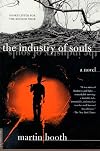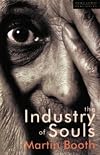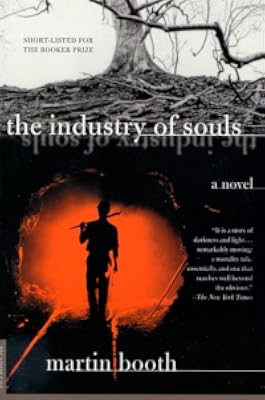
The Industry of Souls
by Martin Booth
On This Page
Description
The Industry of Souls is the story of Alexander Bayliss, a British citizen who was wrongfully arrested for espionage by the KGB in the 1950s and sentenced to twenty-five years of hard labor in the work camps of Siberia. Eventually freed in the 1970s, he decides not to return to the West--a world he barely remembers and to which he no longer belongs--and instead finds his way to a small Russian village where he becomes a much beloved schoolmaster.Now, on the day of his eightieth birthday, show more communism has evaporated and Russia is changed. This moving story alternates between this momentous day to his harrowing past in the camp and his life in the village. And in the end, he is presented with a choice, perhaps for the first time in his life.Martin Booth's brilliantly crafted novel is a celebration of life in the face of death, of humanity in the midst of a system that robs men of their dignity. It stands as a mature and profound exploration of the meaning and the essence of human friendship. show lessTags
Recommendations


































Member Recommendations

Member Reviews
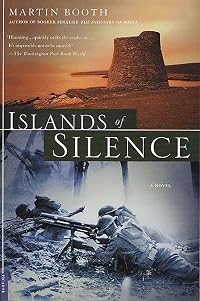
My first introduction to Martin Booth's writing was through a lesser known work [b:Islands of Silence|21309615|Islands of Silence|Martin Booth|https://i.gr-assets.com/images/S/compressed.photo.goodreads.com/books/1394323739l/21309615._SX50_.jpg|1784413], a book I found in a Waterstones clearance sale back in 2005 and picked up because the blurb intrigued me. I liked that book a lot, both the fanciful part about a girl growing up semi-wild on a small Scottish island and its central story of a soldier dealing with Great War mental traumas. So I have wanted to read this book, which was shortlisted for the Booker, for a while, and recently got hold of a cheap second hand copy.
I should read Islands of Silence again, because I suspect this show more book is quite similar, though my tastes as a reader may have been sharpened since I read it. Once again Booth puts an interesting juxtaposition at its centre. His hero Alexander Bayliss is British, and as a young man he is arrested in Russia on suspicion of spying by the KGB and send to a gulag in Siberia, the Russians having told the British authorities that he died in an accident. During his 25-year incarceration, mostly spent working in a coal mine, he forms a lasting friendship with Kirill, the leader of his work unit, whose dying wish is that Alexander (Shurik) should return to his village to see his daughter. Feeling no connection with the Britain he left long ago, Shurik complies with this and is taken in by the daughter and her husband, becoming a teacher in the local school.
The chapters alternate between the modern part, which is built round the day of his 80th birthday, when he has already been in the village for 20 years, and the events in the gulag. For the most part this was quite effective, but I never entirely believed the framework of the story, though many of the details are accurate and well researched.
Overall I rather liked the book (certainly more than Amsterdam, which won that year's Booker Prize, but I would have given the prize to Beryl Bainbridge and Master Georgie), but I never quite lost sight of the authorial puppet strings. show less
I should read Islands of Silence again, because I suspect this show more book is quite similar, though my tastes as a reader may have been sharpened since I read it. Once again Booth puts an interesting juxtaposition at its centre. His hero Alexander Bayliss is British, and as a young man he is arrested in Russia on suspicion of spying by the KGB and send to a gulag in Siberia, the Russians having told the British authorities that he died in an accident. During his 25-year incarceration, mostly spent working in a coal mine, he forms a lasting friendship with Kirill, the leader of his work unit, whose dying wish is that Alexander (Shurik) should return to his village to see his daughter. Feeling no connection with the Britain he left long ago, Shurik complies with this and is taken in by the daughter and her husband, becoming a teacher in the local school.
The chapters alternate between the modern part, which is built round the day of his 80th birthday, when he has already been in the village for 20 years, and the events in the gulag. For the most part this was quite effective, but I never entirely believed the framework of the story, though many of the details are accurate and well researched.
Overall I rather liked the book (certainly more than Amsterdam, which won that year's Booker Prize, but I would have given the prize to Beryl Bainbridge and Master Georgie), but I never quite lost sight of the authorial puppet strings. show less
The size of a walnut against the size of the world. Ultimately, the prize is one of possession.
This is a stunning example of understatement. Oh so British. A Gulag tale lacking in hair-ripping, but rife in a vale of tears. This prompted an interest in Booth, one which died on the vine.
This is a stunning example of understatement. Oh so British. A Gulag tale lacking in hair-ripping, but rife in a vale of tears. This prompted an interest in Booth, one which died on the vine.
One of my favorite books. I enjoyed the philosophical question that it poses about destiny in the life of an individual. I have read a couple of Martin Booth's novels and enjoyed them both.
This novel tells the story of an old englishman, once a spy, a gulag prisoner for a quarter century, now living in a small village somewhere in Russia. Enjoyable, although not exactly a great book...
A British man is mistakenly arrested and sentenced to life in a Siberian gulag. A beautiful story of the wonders of life and its odd ups and downs. Terribly under-appreciated.
Jeg kendte ikke Martin Booth før jeg gik i gang med denne roman, men den har været nomineret til Booker-prisen, så forventningerne var ret store. Ikke mindst fordi historien umiddelbart lyder fascinerende: Englænderen Alexander Bayliss bliver i 1950’erne arresteret og sendt i Gulag for spionage. Her sidder han i tyve år, og da han endelig bliver frigivet vælger han at blive i Rusland. Selv da Sovjetunionen går i opløsning, gør han ikke noget aktivt for at komme i kontakt med sin familie i England.
Desværre levede bogen ikke op til mine forventninger. Den er sådan set udmærket skrevet – der krydsklippes mellem ”Shuris” vandretur gennem landsbyen den dag, han endelig får besøg fra England, og erindringer om tiden i show more lejren – og selvfølgelig rummer sådan en historie dramatiske højdepunkter.
Nogle af de bedste passager handler om det tætte sammenhold i det syv-mands arbejdssjak, som han indgår i i lejren. Her holder man af hinanden, fortæller bramfri vittigheder om KGB og prøver på at få hverdagen til at fungere. Alexander er især tæt på holdlederen Kirill, og det er hendes datter han opsøger, da fangetilværelsen endelig er overstået.
Men det er også her, bogens problem gemmer sig. Er det realistisk med så få konflikter under de omstændigheder? Det går igen, da Alexander ankommer til Myshkino, hvor han ikke kender et øje, men straks får husly hos Kirills datter og hendes mand, og hvor han hurtigt bliver en integreret del af landsbyens liv.
Der mangler simpelthen konflikter til at drive historien fremad og til at engagere læseren. Det kommunistiske system optræder netop kun som et system i bogen: Undertrykkelsen er et bagtæppe, men vi får aldrig mulighed for at se dets udøvere i øjnene.
I sidste ende var det Ian McEwans Amsterdam, der løb af med Booker prisen i 1998. Den var jeg heller ikke voldsomt begejstret for, men jeg forstår godt, at den blev foretrukket for The Industry of Souls. Det er ikke nogen dårlig bog. Men det er heller ikke en meget god bog. show less
Desværre levede bogen ikke op til mine forventninger. Den er sådan set udmærket skrevet – der krydsklippes mellem ”Shuris” vandretur gennem landsbyen den dag, han endelig får besøg fra England, og erindringer om tiden i show more lejren – og selvfølgelig rummer sådan en historie dramatiske højdepunkter.
Nogle af de bedste passager handler om det tætte sammenhold i det syv-mands arbejdssjak, som han indgår i i lejren. Her holder man af hinanden, fortæller bramfri vittigheder om KGB og prøver på at få hverdagen til at fungere. Alexander er især tæt på holdlederen Kirill, og det er hendes datter han opsøger, da fangetilværelsen endelig er overstået.
Men det er også her, bogens problem gemmer sig. Er det realistisk med så få konflikter under de omstændigheder? Det går igen, da Alexander ankommer til Myshkino, hvor han ikke kender et øje, men straks får husly hos Kirills datter og hendes mand, og hvor han hurtigt bliver en integreret del af landsbyens liv.
Der mangler simpelthen konflikter til at drive historien fremad og til at engagere læseren. Det kommunistiske system optræder netop kun som et system i bogen: Undertrykkelsen er et bagtæppe, men vi får aldrig mulighed for at se dets udøvere i øjnene.
I sidste ende var det Ian McEwans Amsterdam, der løb af med Booker prisen i 1998. Den var jeg heller ikke voldsomt begejstret for, men jeg forstår godt, at den blev foretrukket for The Industry of Souls. Det er ikke nogen dårlig bog. Men det er heller ikke en meget god bog. show less
Jun 18, 2013Danish
Ratings
Members
- Recently Added By
Lists

Booker Prize
491 works; 62 members

Man Booker Prize Longlist 1998
6 works; 2 members

Booker Prize Shortlist: Titles Not Yet Read
161 works; 4 members
Author Information

47+ Works 2,804 Members
Martin Booth (September 7, 1944-February 12, 2004) was a prolific British novelist and poet. He also worked as a teacher and screenwriter, and was the founder of the Sceptre Press. Booth died after an 18-month struggle with cancer in 2004. (Bowker Author Biography)
Awards and Honors
Common Knowledge
- Canonical title
- The Industry of Souls
- People/Characters
- Alexander Bayliss
- Important places
- USSR
Classifications
Statistics
- Members
- 239
- Popularity
- 136,594
- Reviews
- 6
- Rating
- (4.11)
- Languages
- Danish, Dutch, English, German
- Media
- Paper, Ebook
- ISBNs
- 7
- ASINs
- 3