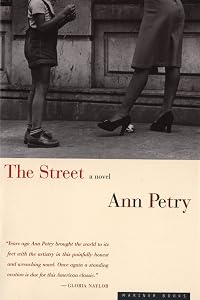
The Street
by Ann Petry
On This Page
Description
WITH A NEW INTRODUCTION FROM NEW YORK TIMES BEST-SELLING AUTHOR TAYARI JONES"How can a novel's social criticism be so unflinching and clear, yet its plot moves like a house on fire? I am tempted to describe Petry as a magician for the many ways that The Street amazes, but this description cheapens her talent . . . Petry is a gifted artist." — Tayari Jones, from the Introduction
The Street follows the spirited Lutie Johnson, a newly single mother whose efforts to claim a share of the show more American Dream for herself and her young son meet frustration at every turn in 1940s Harlem. Opening a fresh perspective on the realities and challenges of black, female, working-class life, The Street became the first novel by an African American woman to sell more than a million copies.
. show less
Tags
Recommendations
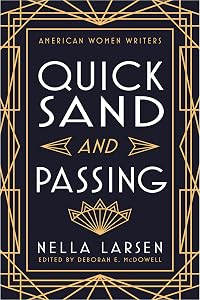

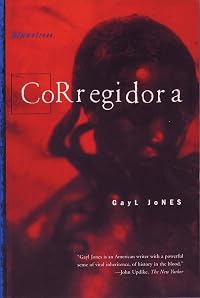
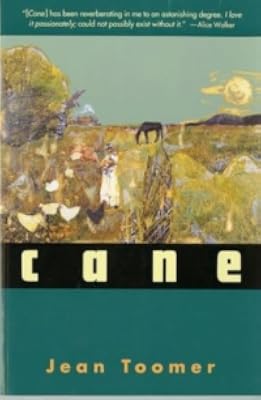
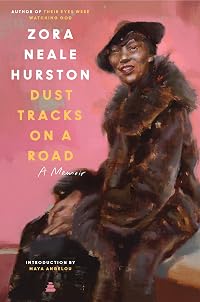
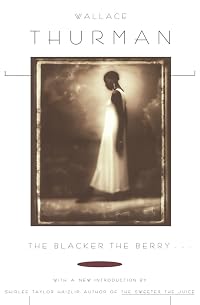
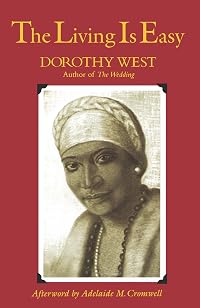
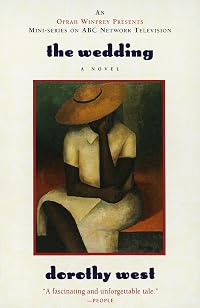
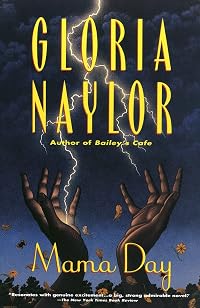
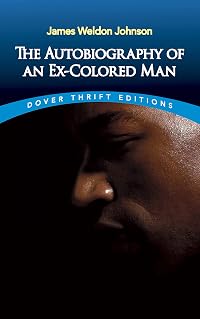
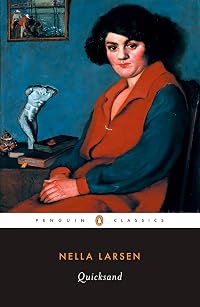

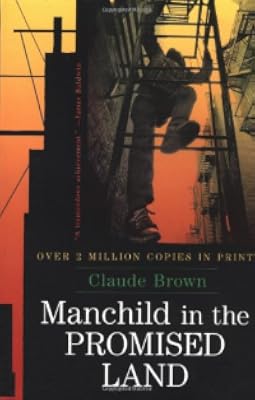

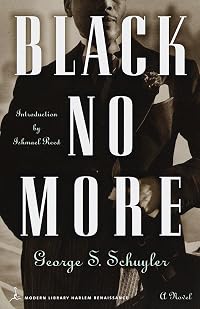
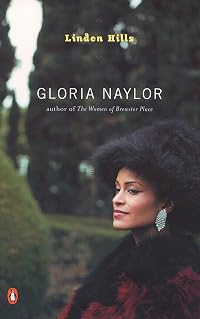
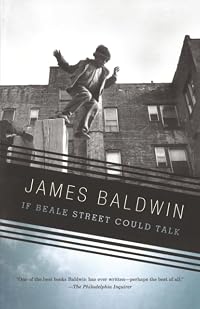
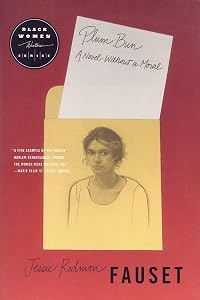
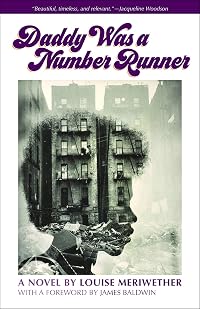
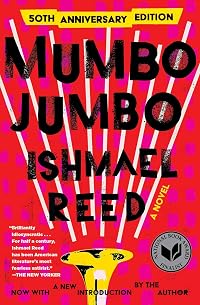
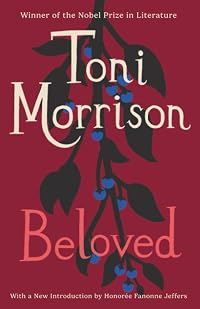
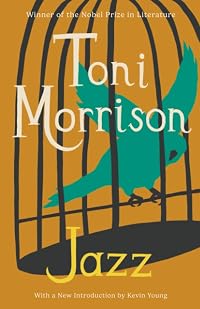

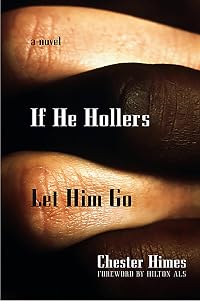

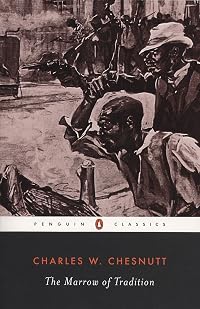
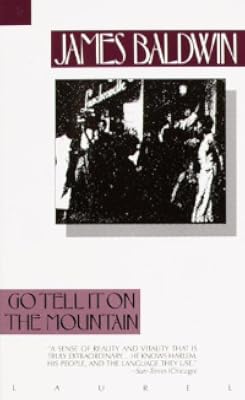
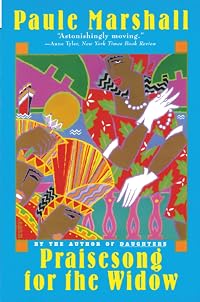

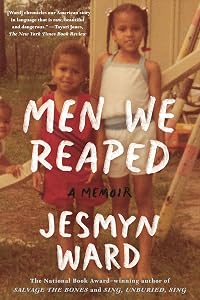



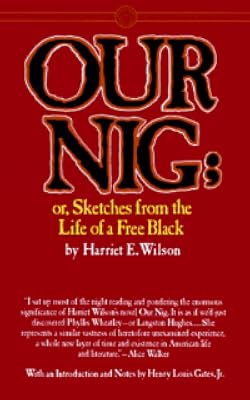
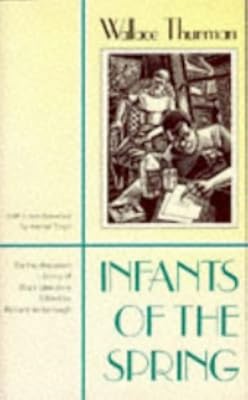

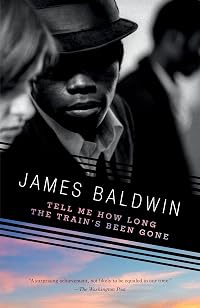
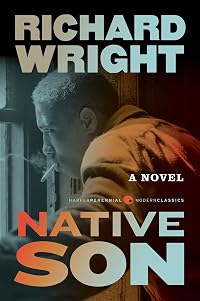
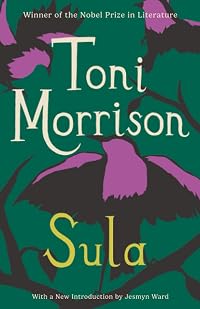
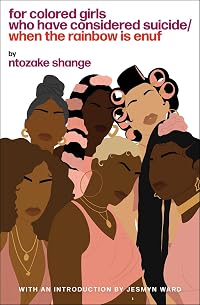
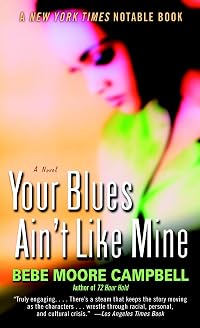
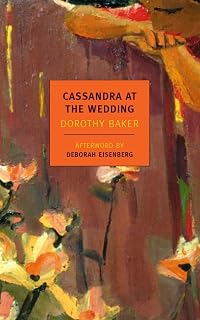
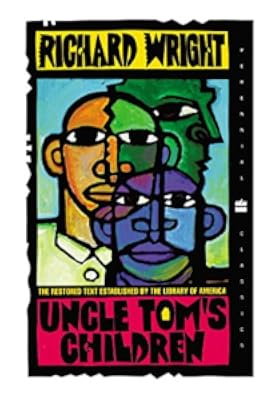
Member Recommendations
teunduynstee Both a kaleidoscopic narrative of several characters in one building, struggling against enormous poverty and adversity.

teunduynstee Both novels show how well intentioned, hard working people do not stand a chance against the system of poverty, discrimination, prejudice, etc...
Member Reviews
This book felt like the steady, inevitable building of a structure—or maybe more accurately, like the slow-motion springing of a trap. It starts as a fairly straightforward story about a young mother trying to survive and maybe, just maybe, improve her situation. It gradually becomes a demonstration of just how impossible that simple goal is for her. In the beginning, honestly, Lutie didn’t quite feel fully realized. She was almost more of a trope—a composite to demonstrate the qualities and hopes that Black women must carry in America: hard work, respectability, self-control. But as she actively fights to find some kind of escape, the anger and exhaustion that set in make her a more and more vivid character.
Petry isn’t an show more especially good writer, per se, but her command of the novel’s structure is masterful. We watch door after door open for Lutie, only to shut just at the moment she tries to pass through. As Petry shifts perspective to other characters around her, it’s clear that the same mix of desperation and hope pervades the entire street. Each apparent opportunity—economic, romantic, whatever—closes almost as soon as it opens, and that repetitive disappointment begins to feel almost like a pulse running through the book. The street doesn’t merely deny these people any escape—it almost seems to feed on their hope.
I don’t mean to sound too depressing, though. It’s not uplifting, but it’s a powerful book. Almost as soon as I finished it, I immediately started thinking about reading it again. show less
Petry isn’t an show more especially good writer, per se, but her command of the novel’s structure is masterful. We watch door after door open for Lutie, only to shut just at the moment she tries to pass through. As Petry shifts perspective to other characters around her, it’s clear that the same mix of desperation and hope pervades the entire street. Each apparent opportunity—economic, romantic, whatever—closes almost as soon as it opens, and that repetitive disappointment begins to feel almost like a pulse running through the book. The street doesn’t merely deny these people any escape—it almost seems to feed on their hope.
I don’t mean to sound too depressing, though. It’s not uplifting, but it’s a powerful book. Almost as soon as I finished it, I immediately started thinking about reading it again. show less
Petry's novel is rich in detail of life in Harlem in the 1940s. Most of that detail is gritty, if not downright gruesome, and Petry spares us nothing of the physical and emotional desolation of being poor, black and untethered in that place and time. The writing is often superb, but occasionally repetitious, and tends toward preachiness in places. We spend a lot of time inside the heads of Lutie Johnson, Jones the Super, and Jones's current woman, Min. Lutie is a young single mother, struggling to keep her son safe and fed, always hoping for an opportunity to do just a little better, and get him away from "the street" (116th St) and its evil influences. Jones is a man who has spent most of his life in cellars, tending furnaces, fixing show more ancient plumbing, and lusting after attractive women like Lutie while living with a succession of "wives" who soon tire of his peculiarities. Min has found Jones to be a good enough meal and rent ticket for a couple years, has even tried to make his life better with her domestic touches, but sees no future with him once his obsession with Lutie Johnson takes hold. These are all strong interesting characters, and in each case their narratives took me to unexpected places and unpredictable outcomes. Except. I just don't buy Lutie's final scene. No spoilers...I saw one development coming, but its aftermath did not play out in a way I found totally believable given what I knew of Lutie's character by that time. Granted her options were less than limited, I thought the novel's ending failed to come up to the creative standard set by the rest of it. That, combined with a little too much telling (and re-telling) in place of showing, subtracted a star from my rating. Still, I found this an incredibly powerful read. show less
Eu acho que uma narrativa que amorna em determinados trechos não constitui um problema - caso o todo compense -, mas acredito que as primeiras páginas têm que nos fisgar. Ann Petry começa esta narrativa nos apresentando à personagem principal do livro, a rua do título, e a autora é tão convincente que me senti lá, numa noite de ventania no Harlem dos anos 40, papéis e poeira pelos ares e sujeira entrando nos olhos e se enroscando pelas pernas, dificultando os movimentos.
Ann Petry me conquistou ali. E foi mais além.
Naquela rua estava Lutie Johnson, que procurava um apartamento com aluguel barato para onde pudesse se mudar com seu filho Bub, de oito anos, fugindo da casa do pai e de sua recente namorada, uma desocupada que show more Lutie julgava ser uma péssima influência para o filho. Ela não tinha ilusões quanto ao tipo de lugar pelo qual poderia pagar: pequeno, sujo, caindo aos pedaços e com uma vizinhança encrenqueira, mas pensava que seria melhor do que a casa do pai e um passo no caminho de uma vida mais próspera, pois além da admiração por Benjamin Franklin, ela aprendera quando trabalhara como empregada para os Chandler, que “qualquer um poderia enriquecer se quisesse, se trabalhasse duro o suficiente e planejasse bem”. O tal “sonho americano”.
Porém Lutie é mulher. É negra. É jovem e bonita. E não tenciona viver às expensas de homem nenhum. Na “rua”, ela vai percebendo que o sonho americano é para todos. Menos alguns.
Esta narrativa é sobre as tentativas de Lutie de seguir em frente e prosperar, porém sentindo que a rua a puxa para trás; mas é também sobre muitas outras coisas: racismo, pobreza, desigualdade, sexismo, poder, decadência.
É sobre Lutie, mas também sobre Jones, a sra. Hedges, Junto, Boots e Min; sobre como chegaram até ali onde suas vidas se cruzaram. E sobre Bub e seu futuro incerto naquela rua que os classificava. Que os segregava. Que também os desumanizava.
E o final? Gente, eu não estava preparada para isso.
Notas;
1. A rua foi o primeiro romance de uma autora negra a superar a marca de 1 milhão de exemplares vendidos nos Estados Unidos (vendeu 1,5 milhão de cópias).
2. Com ele, Ann Petry ganhou o prêmio Houghton Mifflin de escritora iniciante.
3. Junto (junta) - no livro o nome do personagem branco e bem sucedido - é um termo que teve origem na política inglesa do final do séc. XVII e início do XVIII, levado para os Estados Unidos por Benjamin Franklin, que fundou um clube na Filadélfia com esse nome. Criado a partir dos cafés ingleses que ele conhecia bem e que se tornaram centro de disseminação de ideias iluministas, o Junto de Franklin era formado por aspirantes a artesãos e comerciantes, que promoviam discussões e leituras objetivando que seus membros “melhorassem a si mesmos enquanto melhoravam a comunidade”.
4. Ann Petry era formada em Farmácia, assim como seu pai. Sua tia foi a primeira mulher farmacêutica em Connecticut. Após o casamento, mudou-se para Nova York e trabalhou como jornalista e escritora, estudou escrita criativa e trabalhou num projeto extraclasse no Harlem.
Fontes: Carambaia, Wikipédia e HMH.
Obs:: Lido na edição em português da Editora Carambaia de 2021 (A rua). show less
Ann Petry me conquistou ali. E foi mais além.
Naquela rua estava Lutie Johnson, que procurava um apartamento com aluguel barato para onde pudesse se mudar com seu filho Bub, de oito anos, fugindo da casa do pai e de sua recente namorada, uma desocupada que show more Lutie julgava ser uma péssima influência para o filho. Ela não tinha ilusões quanto ao tipo de lugar pelo qual poderia pagar: pequeno, sujo, caindo aos pedaços e com uma vizinhança encrenqueira, mas pensava que seria melhor do que a casa do pai e um passo no caminho de uma vida mais próspera, pois além da admiração por Benjamin Franklin, ela aprendera quando trabalhara como empregada para os Chandler, que “qualquer um poderia enriquecer se quisesse, se trabalhasse duro o suficiente e planejasse bem”. O tal “sonho americano”.
Porém Lutie é mulher. É negra. É jovem e bonita. E não tenciona viver às expensas de homem nenhum. Na “rua”, ela vai percebendo que o sonho americano é para todos. Menos alguns.
Esta narrativa é sobre as tentativas de Lutie de seguir em frente e prosperar, porém sentindo que a rua a puxa para trás; mas é também sobre muitas outras coisas: racismo, pobreza, desigualdade, sexismo, poder, decadência.
É sobre Lutie, mas também sobre Jones, a sra. Hedges, Junto, Boots e Min; sobre como chegaram até ali onde suas vidas se cruzaram. E sobre Bub e seu futuro incerto naquela rua que os classificava. Que os segregava. Que também os desumanizava.
E o final? Gente, eu não estava preparada para isso.
Notas;
1. A rua foi o primeiro romance de uma autora negra a superar a marca de 1 milhão de exemplares vendidos nos Estados Unidos (vendeu 1,5 milhão de cópias).
2. Com ele, Ann Petry ganhou o prêmio Houghton Mifflin de escritora iniciante.
3. Junto (junta) - no livro o nome do personagem branco e bem sucedido - é um termo que teve origem na política inglesa do final do séc. XVII e início do XVIII, levado para os Estados Unidos por Benjamin Franklin, que fundou um clube na Filadélfia com esse nome. Criado a partir dos cafés ingleses que ele conhecia bem e que se tornaram centro de disseminação de ideias iluministas, o Junto de Franklin era formado por aspirantes a artesãos e comerciantes, que promoviam discussões e leituras objetivando que seus membros “melhorassem a si mesmos enquanto melhoravam a comunidade”.
4. Ann Petry era formada em Farmácia, assim como seu pai. Sua tia foi a primeira mulher farmacêutica em Connecticut. Após o casamento, mudou-se para Nova York e trabalhou como jornalista e escritora, estudou escrita criativa e trabalhou num projeto extraclasse no Harlem.
Fontes: Carambaia, Wikipédia e HMH.
Obs:: Lido na edição em português da Editora Carambaia de 2021 (A rua). show less
This excellent book was a real eye opener for me. It tells the story of a young Black single mother in war-time Harlem and the struggles she endures while trying to better herself and provide a better life for her 8 year old son. In addition to illustrating the racist barriers she faced, which are sadly not much improved today, the book also highlights the double indignity of sexism that a pretty young woman also often faces. I listened to this book- the narration by Shayna Small was excellent too.
Hard, hard, hard. That was the only way to be--so hard that nothing, the street, the house, the people--nothing would ever be able to touch her.
Some books just make you want to scream with indignation, and Ann Petry’s [b:The Street|186926|The Street|Ann Petry|https://i.gr-assets.com/images/S/compressed.photo.goodreads.com/books/1495968348l/186926._SX50_.jpg|968007] is one of them. I knew what to expect from this novel. Written in 1946 at the height of Jim Crow and before the passing of the Civil Rights Act, there was little hope that this would be anything but a distressing chronicle of life for the blacks sentenced to living on the poverty-stricken streets of Harlem. I knew what to expect, but that did not lessen the anguish I felt show more while reading it.
When we meet Lutie Johnson, she is a single parent, with hopes and aspirations that reach beyond the struggling reality of her life with her eight year old son, Bub. She is beautiful and shapely and much desired by the men around her; a ruthless bunch, but many of whom would have also desired another life had they been given any choice. Bub is young and innocent and just on the verge of being introduced to the cruelties of the world he inhabits.
It must be hate that made them wrap all Negroes up in a neat package labeled ‘colored’, a package that called for certain kinds of jobs, and a special kind of treatment. But she really didn’t know what it was.
If you looked at them from inside the framework of a fat weekly salary, and you thought of colored people as naturally criminal, then you didn’t really see what any Negro looked like. You couldn’t, because the Negro was never an individual. He was a threat, or an animal, or a curse, or a blight, or a joke.
Petry’s observations are brutal and so hard to read about, all the more so because they ring so true. I could barely comprehend the depth of the despair and hopelessness for these people. I have seen poverty, up-close and personal, but this is more than poverty, it is squallor imposed from without. You cannot help praying that Lutie and Bub will be the exceptions and find the magic door that leads to escape; you cannot help wondering if anyone will be listening to the prayer.
Bub, for me, was the central character of this story, because he represented for me all that Lutie had to hope for, all she had to lose, and, sadly, what every one of these beleaguered men once were-- malleable boys, sweet boys, children thrown away.
This book is not perfect. I could easily point out defects if I made an effort to do so, but I think this is an important book that rises above any flaws. It is so honest--a kind of miracle when you consider how ill-received it might have been in its time, for shining a light on such a deplorable practice of this society. It is a debut effort, to boot. It was the first book written by a black woman to sell over a million copies. That told me that it hit a chord with a lot of people who were either embroiled in this life or witness to it. It saddens me that it has fallen into obscurity; with only 7,160 ratings on Goodreads.
For today’s reader, I would hope that it both highlights the ways in which things that should have changed have not, but also how much progress we have made toward a goal that we might someday actually reach if we continue to work at it. A girl like Lutie Johnson might still be lost in our society, despite all her efforts, but she might also achieve all the dreams that she has, a feat virtually impossible, indeed literally prohibited, in her time. show less
Some books just make you want to scream with indignation, and Ann Petry’s [b:The Street|186926|The Street|Ann Petry|https://i.gr-assets.com/images/S/compressed.photo.goodreads.com/books/1495968348l/186926._SX50_.jpg|968007] is one of them. I knew what to expect from this novel. Written in 1946 at the height of Jim Crow and before the passing of the Civil Rights Act, there was little hope that this would be anything but a distressing chronicle of life for the blacks sentenced to living on the poverty-stricken streets of Harlem. I knew what to expect, but that did not lessen the anguish I felt show more while reading it.
When we meet Lutie Johnson, she is a single parent, with hopes and aspirations that reach beyond the struggling reality of her life with her eight year old son, Bub. She is beautiful and shapely and much desired by the men around her; a ruthless bunch, but many of whom would have also desired another life had they been given any choice. Bub is young and innocent and just on the verge of being introduced to the cruelties of the world he inhabits.
It must be hate that made them wrap all Negroes up in a neat package labeled ‘colored’, a package that called for certain kinds of jobs, and a special kind of treatment. But she really didn’t know what it was.
If you looked at them from inside the framework of a fat weekly salary, and you thought of colored people as naturally criminal, then you didn’t really see what any Negro looked like. You couldn’t, because the Negro was never an individual. He was a threat, or an animal, or a curse, or a blight, or a joke.
Petry’s observations are brutal and so hard to read about, all the more so because they ring so true. I could barely comprehend the depth of the despair and hopelessness for these people. I have seen poverty, up-close and personal, but this is more than poverty, it is squallor imposed from without. You cannot help praying that Lutie and Bub will be the exceptions and find the magic door that leads to escape; you cannot help wondering if anyone will be listening to the prayer.
Bub, for me, was the central character of this story, because he represented for me all that Lutie had to hope for, all she had to lose, and, sadly, what every one of these beleaguered men once were-- malleable boys, sweet boys, children thrown away.
This book is not perfect. I could easily point out defects if I made an effort to do so, but I think this is an important book that rises above any flaws. It is so honest--a kind of miracle when you consider how ill-received it might have been in its time, for shining a light on such a deplorable practice of this society. It is a debut effort, to boot. It was the first book written by a black woman to sell over a million copies. That told me that it hit a chord with a lot of people who were either embroiled in this life or witness to it. It saddens me that it has fallen into obscurity; with only 7,160 ratings on Goodreads.
For today’s reader, I would hope that it both highlights the ways in which things that should have changed have not, but also how much progress we have made toward a goal that we might someday actually reach if we continue to work at it. A girl like Lutie Johnson might still be lost in our society, despite all her efforts, but she might also achieve all the dreams that she has, a feat virtually impossible, indeed literally prohibited, in her time. show less
I read this book as part of the #ReadAnnPetry challenge from @ReggieReads on Instagram. Ann Petry’s book “The Street” became the first novel by an African-American woman to sell more than a million copies. And, shame on me for having never read it.
This book did quite a number on my mind and spirit. “The Street” is a long book and relentlessly bleak. I listened to this as an audiobook and really appreciated the narrator’s inflection, voice acting and overall delivery. But at more than 20 hours of listening time, I needed frequent breaks.
“The Street” follows Lutie Johnson, a single black mom in 1940s Harlem as she tries to build a life for herself and her son, Bub. No matter what Lutie does, the cards always seem stacked show more against her thanks to systemic racism. Ann Petry writes about the street they live on as if it were a living, breathing thing – a monster that chews people up and spits them out. Her story covers a wide range of gross injustices: racism, classicism, sexism, assault, poverty. And, it elicited a wide range of emotion from me: rage, sadness, disgust, terror.
For me, the length of this book made it feel like actual work to get through. There were scenes that felt like the endless staircase in the apartment, dark and stifling and hard to see. Maybe this book could have benefited from some editing or maybe I just didn’t have the emotional endurance to deal. Either way, this is a must-read. An eye-opening experience but not an enjoyable one. show less
This book did quite a number on my mind and spirit. “The Street” is a long book and relentlessly bleak. I listened to this as an audiobook and really appreciated the narrator’s inflection, voice acting and overall delivery. But at more than 20 hours of listening time, I needed frequent breaks.
“The Street” follows Lutie Johnson, a single black mom in 1940s Harlem as she tries to build a life for herself and her son, Bub. No matter what Lutie does, the cards always seem stacked show more against her thanks to systemic racism. Ann Petry writes about the street they live on as if it were a living, breathing thing – a monster that chews people up and spits them out. Her story covers a wide range of gross injustices: racism, classicism, sexism, assault, poverty. And, it elicited a wide range of emotion from me: rage, sadness, disgust, terror.
For me, the length of this book made it feel like actual work to get through. There were scenes that felt like the endless staircase in the apartment, dark and stifling and hard to see. Maybe this book could have benefited from some editing or maybe I just didn’t have the emotional endurance to deal. Either way, this is a must-read. An eye-opening experience but not an enjoyable one. show less
Spoiler alert (sort of): It was evident from the beginning that this was going to be a tragedy, but Petry handles it beautifully and makes us feel the yearning of the main character to get her head above the waters of discrimination, oppression, harrasssment, sexism, poverty, and economic injustice. Petry also looks through the eyes of other characters, providing compassionate though unswervingly honest portrayals of some less-than-noble (even abusive) individuals. Solid, engaging, and painfully sad.
Members
- Recently Added By
Published Reviews
ThingScore 100
Ann Petry beschrijft de schrijnende situatie van een zwarte vrouw in het Harlem van de jaren veertig van de vorige eeuw. Een situatie waarin gedurende de afgelopen tachtig jaar niet veel verbetering lijkt te zijn gekomen, gezien alle initiatieven rondom Black Lives Matter van dit moment. Bovendien doet ze dit op een indringende, spannende en zeer stijlvolle wijze waardoor de roman, ondanks de show more schrijnende inhoud, toch een groot genoegen is om te lezen. Wat goed dat dit meesterwerk uit de Afro-Amerikaanse literatuur nu in Nederlandse vertaling beschikbaar is…lees verder > show less
added by Jordaan
Lists

David Bowie's Top 100
97 works; 23 members

Top Five Books of 2020
982 works; 350 members

500 Great Books by Women
507 works; 60 members

The Zora Canon
98 works; 4 members

Books Read in 2023
5,547 works; 145 members

Maybe This Year? Books to Look Forward To
409 works; 9 members

Schwob Nederland
207 works; 2 members

David Bowie's List of Top 100 Books
94 works; 6 members

Zora Canon
100 works; 6 members

AP Lit
363 works; 6 members

The Atlantic's The Great American Novel
136 works; 12 members

Books Read in 2025
4,091 works; 97 members
David Bowie’s Top 100 Favourite Reads
100 works; 3 members

Schomburg Centennial Reading List
100 works; 4 members
Author Information

13+ Works 3,038 Members
Ann Petry was born in Old Saybrook, Connecticut on October 12, 1908. She received a degree in pharmacy from the University of Connecticut in 1931. After working in the family business for three years, she wrote for the Amsterdam News and later for other publications. From 1944 to 1946, she studied creative writing at Columbia University. Her first show more novel, The Street, was published in 1946 and became the first novel by an African American to sell more than a million copies. Her other works include Country Place, The Narrows, The Drugstore Cat, Harriet Tubman: Conductor on the Underground Railroad, and Tituba of Salem Village. She died on April 28, 1997 at the age of 88. (Bowker Author Biography) show less
Some Editions
Awards and Honors
Awards
Distinctions
Series
Belongs to Publisher Series
Work Relationships
Is contained in
Is abridged in
Has as a student's study guide
Common Knowledge
- Canonical title
- The Street
- Original publication date
- 1946
- People/Characters
- Lurie Johnson
- Important places
- Harlem, New York, New York, USA; New York, New York, USA
- Dedication
- To my mother Bertha James Lane
- First words
- There was a cold November wind blowing through 116th Street.
- Last words
- (Click to show. Warning: May contain spoilers.)And it could have been any street in the city, for the snow laid a delicate film over the sidewalk, over the brick of the tired, old buildings; gently obscuring the grime and the garbage and the ugliness.
- Blurbers
- Naylor, Gloria; King, Coretta Scott; Grumbach, Doris
Classifications
Statistics
- Members
- 1,436
- Popularity
- 16,348
- Reviews
- 29
- Rating
- (4.09)
- Languages
- 9 — Dutch, English, French, German, Italian, Norwegian (Bokmål), Portuguese, Spanish, Swedish
- Media
- Paper, Audiobook, Ebook
- ISBNs
- 40
- UPCs
- 3
- ASINs
- 20