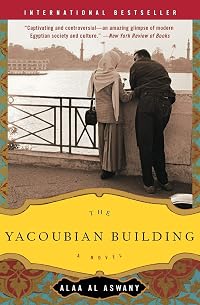
The Yacoubian Building
by Alaa Al Aswany
On This Page
Description
August Book Sense Pick A fading aristocrat and self-proclaimed 'scientist of women.' A purring, voluptuous siren. A young shop-girl enduring the clammy touch of her boss and hating herself for accepting the modest banknotes he tucks into her pocket afterward. An earnest, devout young doorman, feeling the irresistible pull toward fundamentalism. A cynical, secretly gay newspaper editor, helplessly in love with a peasant security guard. A roof-squatting tailor, scheming to own property. A show more corrupt and corpulent politician, twisting the Koran to justify taking a mistress. All live in the Yacoubian Building, a once-elegant temple of Art Deco splendor slowly decaying in the smog and hubbub of downtown Cairo, Egypt. In the course of this unforgettable novel, these disparate lives converge, careening inexorably toward an explosive conclusion. Tragicomic, passionate, shockingly frank in its sexuality, and brimming with an extraordinary, embracing human compassion, The Yacoubian Building is a literary achievement of the first order. show lessTags
Recommendations
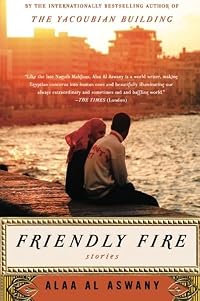

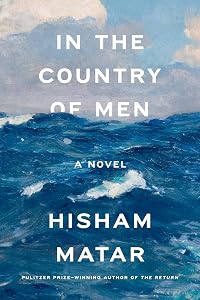
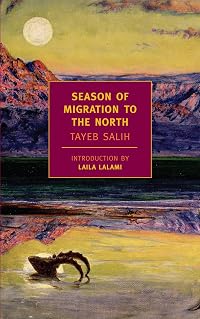
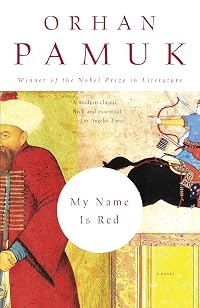






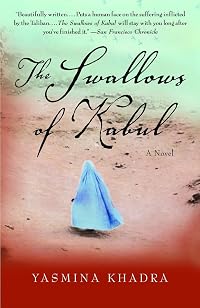
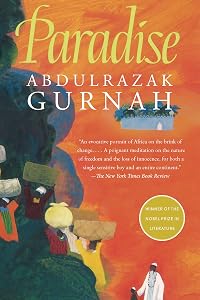

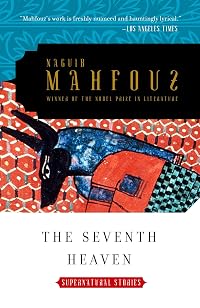

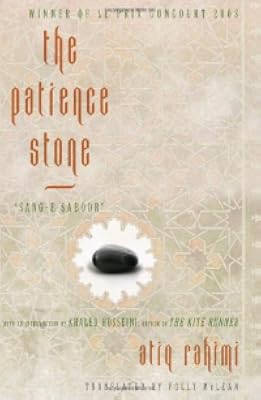










Member Recommendations
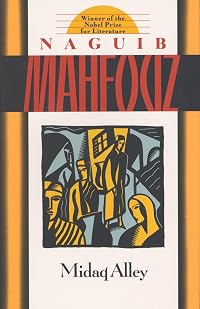
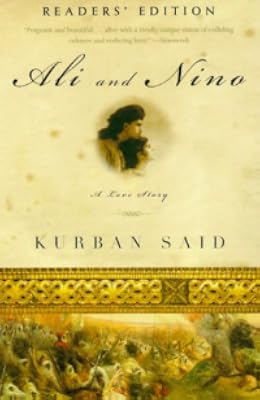
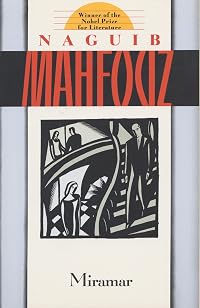
Smiler69 Examines similar issues in a sweeping family saga.
20


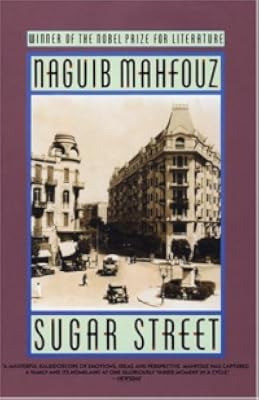
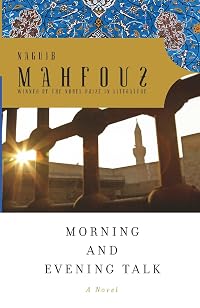
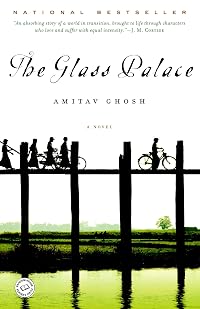
teunduynstee Both a kaleidoscopic narrative of several characters in one building, struggling against enormous poverty and adversity.
Member Reviews
The Yacoubian Building sits on a once prestigious street in Cairo, a lovely European-style building with retail on the ground floor, apartments on the floors above and, on the roof, a labyrinth of small sheds, housing the people who work for the apartment owners and those lucky enough to get a space. Alaa al-Aswani follows a diverse group of residents as they negotiate their lives in a quickly changing Egypt. Everyone from an elderly and very wealthy man involved in a feud with his widowed sister, to an educated newspaper editor, forced to hide his homosexuality, to a young woman who has to work to support her family and so becomes the target of increasingly blatant sexual harassment, and a young man whose dreams are destroyed by the show more ordinary corruption of bureaucrats.
This is a vivid snapshot of what life was like in Cairo, at a time before the demonstrations in Tahrir Square, but when a religious extremism was on the rise, a reaction to the lack of opportunity for those without money or connections. al-Aswany also looks at the treatment of women and how they are expected to keep themselves removed from public life, as well as the stark disparity between the wealthy and those who are struggling to get by. The author treats all his characters, even the most reprehensible, with understanding and a clear-eyed compassion that made me feel invested in even the characters I actively disliked. show less
This is a vivid snapshot of what life was like in Cairo, at a time before the demonstrations in Tahrir Square, but when a religious extremism was on the rise, a reaction to the lack of opportunity for those without money or connections. al-Aswany also looks at the treatment of women and how they are expected to keep themselves removed from public life, as well as the stark disparity between the wealthy and those who are struggling to get by. The author treats all his characters, even the most reprehensible, with understanding and a clear-eyed compassion that made me feel invested in even the characters I actively disliked. show less
I found it interesting that a real Yacoubian Building exists, exactly where it’s located in the novel, though looking not much like its fictionalized version. The real-made-unreal building foreshadows and reflects the real-made-unreal inhabitants and the Cairo in which they live. The difference between the real and unreal Yacoubian Buildings is cosmetic and that suggests that the story itself, though not identical to Cairo is certainly stretched over the bones of the Cairo that exists in our world.
The story begins and ends with Zaki Bey el Dessouki. His father had been one of the richest men in the country before the revolution and it was expected that Zaki Bey would continue on his family’s path. After the revolution, much of his show more family’s money lost, his engineering career failed, he turned his engineering office in the Yacoubian Building into a more all-purpose “office,” which seems to serve as a place where he goes to drink, eat, meet friends, and conduct his many affairs with women. He’s a charming wastrel, the kind of man who offers advice to any who asks, and who lets no opportunity for seduction pass him by. On the surface he’s symbolic of pre-revolution Cairo and he embodies the decadence others see in that time.
Under the surface he is arguably one of the kindest characters in the novel, and the one who manages to come through nearly unscathed, despite the attempts of others to harm him in one way or another. He is the one who understands that people are not who they seem to be on the surface; as he tells his friend Christine, “You think that the good people should be smiling and jolly and the bad ones have ugly faces with thick, matted eyebrows. Life’s a lot more complicated than that.” (109) At the end of the novel, Zaki Bey, the consummate womanizer, the decadent symbol of a past most other characters would like to bury forever, marries Busayna el Sayed, one of the two clearest representatives of the new-Cairo.
Busayna, and her boyfriend at the beginning of the novel, Taha el Shazli, both live in the shacks on the roof of the Yacoubian Building. The shacks were originally built as storage spaces for each apartment in the building, then became rooms for the servants of tenants to live in (still belonging to the apartments), but now are homes and eventually shops. The rooftop shacks are part of the building by virtue of location but are separate in class and status. In this same way, Busayna and Taha are also separated from the tenants of the building because of their class and status.
We’re first introduced to Busayna through a man—her then-boyfriend Taha—and through most of the novel we see her through the distorted lens of the men with whom she interacts. Before the events in the novel we’re told that Busayna dreamed of a life married to Taha, living in a roomy apartment far away from the Yacoubian Building. After her father died Busayna, after achieving her college degree, had to work to help support her family, taking and leaving many jobs over a year’s time. “How can I look after myself when faced with a boss who opens his fly?” (42) she asked her mother, referring to the rampant sexual harassment she experienced. On the advice of her friend who reminded Busayna that her education was nearly meaningless in an economy as bad as theirs she decided to use her sexual power—the only power available to her in this society—to make her and her family’s lives easier.
It’s Busayna who tells us why she—and presumably the real people serving as the bones upon which this novel is hung—hate Egypt. “You don’t understand because you’re well-off” (138) she tells Zaki Bey, talking about the poverty, corruption, and despair she and others like her experience. He can’t quite understand her hatred because “in [his] day love for one’s country was like a religion” (200). He makes it seem good, as though it is right to love your country that way, but it is impossible to forget that he and Busayna live in two different Cairos, two different Egypts, he in one of masculinity, and wealth and privilege, she in one of femininity, and poverty and injustice.
Taha el Shazli inhabits the same world as Busayna and, like her, dreams of escaping it, though not by leaving Egypt entirely as Busayna wants and is eventually promised by Zaki Bey, but by leaving his class and becoming a governmental police officer. He can’t beat them so he wants to join them. It’s his class, specifically his father the doorman, that prevents him from achieving this dream. He’s angered and devastated by this, wondering why he tried so hard when there was no way he could ever qualify. Taha leaves the Yacoubian Building and goes to college, joining up with a group of other religious young men, a group who is later revealed to be a radical Islamist group.
Because of his involvement with this group Taha is arrested by the very police he had wanted to join. He is tortured by them, beaten and sexually abused, forced to respond to a woman’s name. Taha becomes feminized in this way, treated as less than human in ways Busayna might have understood, had he felt able to tell her. Like Busayna, Taha was shamed and angered by this use and abuse, but unlike her he saw it not as a power to be exploited and turned back around on his abusers but as a reason to kill and die. He joins a militant group, trains to commit terrorist acts/be a martyr, and under the guise of his devout belief in Islam his desire for revenge is always lurking.
At the end of the novel, it’s Taha’s death that seems filled with more joy than Busayna’s marriage. Taha is fully present in his death, hearing bells and melodies, feeling welcomed “into a new world” (243). Busayna, on the other hand, disappears into Zaki Bey’s gaze, becoming the “wondrous, pure, newborn creature” (246) he sees her as. We don’t know how she sees herself or if this is her happy ending because she is nothing more than window dressing in Zaki Bey’s fantasy wedding.
Ultimately there was no happiness for Busayna and Taha, those representatives of new, post-revolution Cairo. They didn’t achieve their original desire—that of being happily married to each other and going far away from the Yacoubian Building—nor did they achieve anything we (the readers) might call happiness. Zaki Bey, however, triumphed over all obstacles and ended the novel in a state of true happiness. If there is no happiness to be found in or for new-Cairo, then where and how can it be found? Zaki Bey has the answer:
“The reason the country’s gone downhill is the absence of democracy. If there were a real democratic system, Egypt would be a great power. Egypt’s curse is dictatorship and dictatorship inevitably leads to poverty, corruption, and failure in all fields.” (200) show less
The story begins and ends with Zaki Bey el Dessouki. His father had been one of the richest men in the country before the revolution and it was expected that Zaki Bey would continue on his family’s path. After the revolution, much of his show more family’s money lost, his engineering career failed, he turned his engineering office in the Yacoubian Building into a more all-purpose “office,” which seems to serve as a place where he goes to drink, eat, meet friends, and conduct his many affairs with women. He’s a charming wastrel, the kind of man who offers advice to any who asks, and who lets no opportunity for seduction pass him by. On the surface he’s symbolic of pre-revolution Cairo and he embodies the decadence others see in that time.
Under the surface he is arguably one of the kindest characters in the novel, and the one who manages to come through nearly unscathed, despite the attempts of others to harm him in one way or another. He is the one who understands that people are not who they seem to be on the surface; as he tells his friend Christine, “You think that the good people should be smiling and jolly and the bad ones have ugly faces with thick, matted eyebrows. Life’s a lot more complicated than that.” (109) At the end of the novel, Zaki Bey, the consummate womanizer, the decadent symbol of a past most other characters would like to bury forever, marries Busayna el Sayed, one of the two clearest representatives of the new-Cairo.
Busayna, and her boyfriend at the beginning of the novel, Taha el Shazli, both live in the shacks on the roof of the Yacoubian Building. The shacks were originally built as storage spaces for each apartment in the building, then became rooms for the servants of tenants to live in (still belonging to the apartments), but now are homes and eventually shops. The rooftop shacks are part of the building by virtue of location but are separate in class and status. In this same way, Busayna and Taha are also separated from the tenants of the building because of their class and status.
We’re first introduced to Busayna through a man—her then-boyfriend Taha—and through most of the novel we see her through the distorted lens of the men with whom she interacts. Before the events in the novel we’re told that Busayna dreamed of a life married to Taha, living in a roomy apartment far away from the Yacoubian Building. After her father died Busayna, after achieving her college degree, had to work to help support her family, taking and leaving many jobs over a year’s time. “How can I look after myself when faced with a boss who opens his fly?” (42) she asked her mother, referring to the rampant sexual harassment she experienced. On the advice of her friend who reminded Busayna that her education was nearly meaningless in an economy as bad as theirs she decided to use her sexual power—the only power available to her in this society—to make her and her family’s lives easier.
It’s Busayna who tells us why she—and presumably the real people serving as the bones upon which this novel is hung—hate Egypt. “You don’t understand because you’re well-off” (138) she tells Zaki Bey, talking about the poverty, corruption, and despair she and others like her experience. He can’t quite understand her hatred because “in [his] day love for one’s country was like a religion” (200). He makes it seem good, as though it is right to love your country that way, but it is impossible to forget that he and Busayna live in two different Cairos, two different Egypts, he in one of masculinity, and wealth and privilege, she in one of femininity, and poverty and injustice.
Taha el Shazli inhabits the same world as Busayna and, like her, dreams of escaping it, though not by leaving Egypt entirely as Busayna wants and is eventually promised by Zaki Bey, but by leaving his class and becoming a governmental police officer. He can’t beat them so he wants to join them. It’s his class, specifically his father the doorman, that prevents him from achieving this dream. He’s angered and devastated by this, wondering why he tried so hard when there was no way he could ever qualify. Taha leaves the Yacoubian Building and goes to college, joining up with a group of other religious young men, a group who is later revealed to be a radical Islamist group.
Because of his involvement with this group Taha is arrested by the very police he had wanted to join. He is tortured by them, beaten and sexually abused, forced to respond to a woman’s name. Taha becomes feminized in this way, treated as less than human in ways Busayna might have understood, had he felt able to tell her. Like Busayna, Taha was shamed and angered by this use and abuse, but unlike her he saw it not as a power to be exploited and turned back around on his abusers but as a reason to kill and die. He joins a militant group, trains to commit terrorist acts/be a martyr, and under the guise of his devout belief in Islam his desire for revenge is always lurking.
At the end of the novel, it’s Taha’s death that seems filled with more joy than Busayna’s marriage. Taha is fully present in his death, hearing bells and melodies, feeling welcomed “into a new world” (243). Busayna, on the other hand, disappears into Zaki Bey’s gaze, becoming the “wondrous, pure, newborn creature” (246) he sees her as. We don’t know how she sees herself or if this is her happy ending because she is nothing more than window dressing in Zaki Bey’s fantasy wedding.
Ultimately there was no happiness for Busayna and Taha, those representatives of new, post-revolution Cairo. They didn’t achieve their original desire—that of being happily married to each other and going far away from the Yacoubian Building—nor did they achieve anything we (the readers) might call happiness. Zaki Bey, however, triumphed over all obstacles and ended the novel in a state of true happiness. If there is no happiness to be found in or for new-Cairo, then where and how can it be found? Zaki Bey has the answer:
“The reason the country’s gone downhill is the absence of democracy. If there were a real democratic system, Egypt would be a great power. Egypt’s curse is dictatorship and dictatorship inevitably leads to poverty, corruption, and failure in all fields.” (200) show less
I could neither like nor care about any of the characters in this book. For me, that is a fatal flaw, preventing me from engaging with the story, and more importantly, preventing me from seeing any of the characters as representative of a given segment of Egyptian society. The author gave us all these people corrupted by power, or greed, or fanaticism, or lust--but he never showed us a worthy alternative. Everyone seemed to give in to "the way it is" without a struggle, and became victims of the toxic society almost willingly. It makes me wonder about the author's purpose in writing the novel (which, after all, must have been something of a risk for him). If he hasn't any hope of improvement, why write? And if he DOES have hope for the show more future, why don't we see any of it reflected in his work? If the author's intention was to convey that living in Egypt is a matter of survival, no matter what your social status, and that there is no real opportunity for fulfillment or happiness under current conditions, he succeeded, but not in a particularly artful way, in my opinion. Part of the reason I wanted to read this book was to get a "feel" for another culture. But when I was finished, I didn't even have the impression that the characters themselves had a feel for their culture. Perhaps that was part of the author's intent, and of course, a book shouldn't be judged by the reader's pre-conceived notions. I wish just one of the characters could have been admirable, or even likable despite his/her faults. As it was, I was happy to be quit of the lot of 'em.
(Review written in 2007.) show less
(Review written in 2007.) show less
I saw the film of the Yacoubian Building some years ago and had always promised myself that I would read the book. Using the Yacoubian Building (in itself a rich legacy of colonial Cairo) as a unifying theme, Alaa Al Aswany show us vignettes of Egyptian life, from the fading remnants of the colonial era to the Islamist terrorist; the shop girl trying to deal with constant low level sexual harassment and the realities of how political power and influence is bought and sold. It is difficult for a 'liberal' western reader to deal with some of the cultural assumptions in the book - particularly about homosexuality - 'the active homosexual who is just starting out...is usually possessed by a terrible sense of sin that soon develops into show more bitterness and black hatred' - but this is offset by a fascinating portrayal of a society where Islam lives alongside routine corruption and brutality. An important read for westerners seeking to understand Egypt a bit more than can be achieved by a trip to the pyramides.. show less
Al Aswany prefaces his novel by explaining that it is a novel about place, about the Yacoubian Building and what it reveals about Cairo over time. I am pleased to report that this claim is misleading: "The Yacoubian Building" may contain brief forays into the past and various asides about certain establishments and customs; but it is primarily concerned with the nuances of infatuation, courtship and transactional sex in age disparate Cairo relationships.
Three affluent and independent men (all at least fifty years old and all, conveniently, apartment holders in the Yacoubian Buildnig) create drama by exercising their power to initiate relationships with much younger Egyptians, whether male or female. The novel is pleasantly villain-free; show more though there are plenty of misled, meddling and ill-intentioned characters.
"The Yacoubian Building" is interspersed with Al Aswany's contribution to the "What makes them do it?" sub-genre of humanizing jihadists. This sub-plot, while slightly predictable and a little grim, is balanced, detailed and not particularly manipulative. The only other young man in the novel (who doesn't want to shoot the infidels) is a poor Nubian with wife and child who serves to illustrate the vaguely tragic plight of sensitive and cultured Cairo homosexuals. Al Aswany deals with gayness in Egypt in an unabashed and almost affectionate way, going out of his way to explain how the larger community adapts to the presence of homosexuals in their midst.
The whole composition works quiet well and is propelled by a series of creative and comical power grabs and sexual stratagems set against the struggle between secularists and fundamentalists, wealthy power holders and aspirants. Al Aswany's careful attention to the psychology of his characters sustains the novel and prevents it from becoming an overblown parade of stereotypes. His ability to slow down and pinpoint, often with a pleasantly dark humor, the precise motivations and tactics of his characters is what elevates this from story-telling to literature.
For instance, "Right now, in bed with Hagg Azzam, she is playing out a scene--that of the woman who, taken unawares by her husband's virility, surrenders to him so that he may do with her body whatever his extraordinary strength may demand, her eyes closed, panting, and sighing--while in reality she feels nothing except rubbing, just the rubbing of two naked bodies, cold and annoying."
And, "There lay between the two old people all the irritability, impatience and obstinance that go with old age, plus that certain tension that develops when two individuals live in too close a proximity to one another--from using the bathroom for a long time when the other wants it, from one seeing the sullen face the other wears when he wakes from sleeping, from one wanting silence while the other insists on talking, from the mere presence of another person who never leaves you day and night, who stares at you, who interrupts you, who picks on everything you say, and the grating of whose molars when he chews sets you on edge and the ringing noise of whose spoon striking the dishes disturbs your quiet every time he sits down to eat with you."
I find it easier to be patient with an author who is constantly introducing new characters if he will at least take the time to put them forward in such a clear light. I will read Al Aswany's subsequent novel. (And this is definitely one of the two best Arabic language novels that I have ever read.) show less
Three affluent and independent men (all at least fifty years old and all, conveniently, apartment holders in the Yacoubian Buildnig) create drama by exercising their power to initiate relationships with much younger Egyptians, whether male or female. The novel is pleasantly villain-free; show more though there are plenty of misled, meddling and ill-intentioned characters.
"The Yacoubian Building" is interspersed with Al Aswany's contribution to the "What makes them do it?" sub-genre of humanizing jihadists. This sub-plot, while slightly predictable and a little grim, is balanced, detailed and not particularly manipulative. The only other young man in the novel (who doesn't want to shoot the infidels) is a poor Nubian with wife and child who serves to illustrate the vaguely tragic plight of sensitive and cultured Cairo homosexuals. Al Aswany deals with gayness in Egypt in an unabashed and almost affectionate way, going out of his way to explain how the larger community adapts to the presence of homosexuals in their midst.
The whole composition works quiet well and is propelled by a series of creative and comical power grabs and sexual stratagems set against the struggle between secularists and fundamentalists, wealthy power holders and aspirants. Al Aswany's careful attention to the psychology of his characters sustains the novel and prevents it from becoming an overblown parade of stereotypes. His ability to slow down and pinpoint, often with a pleasantly dark humor, the precise motivations and tactics of his characters is what elevates this from story-telling to literature.
For instance, "Right now, in bed with Hagg Azzam, she is playing out a scene--that of the woman who, taken unawares by her husband's virility, surrenders to him so that he may do with her body whatever his extraordinary strength may demand, her eyes closed, panting, and sighing--while in reality she feels nothing except rubbing, just the rubbing of two naked bodies, cold and annoying."
And, "There lay between the two old people all the irritability, impatience and obstinance that go with old age, plus that certain tension that develops when two individuals live in too close a proximity to one another--from using the bathroom for a long time when the other wants it, from one seeing the sullen face the other wears when he wakes from sleeping, from one wanting silence while the other insists on talking, from the mere presence of another person who never leaves you day and night, who stares at you, who interrupts you, who picks on everything you say, and the grating of whose molars when he chews sets you on edge and the ringing noise of whose spoon striking the dishes disturbs your quiet every time he sits down to eat with you."
I find it easier to be patient with an author who is constantly introducing new characters if he will at least take the time to put them forward in such a clear light. I will read Al Aswany's subsequent novel. (And this is definitely one of the two best Arabic language novels that I have ever read.) show less
Most Americans don’t know much about life in Arab countries today. All we see in the news are the screaming crowds of angry fundamentalist Muslims. As the Yacoubian Building reveals in this thoroughly modern story, they lead lives as complicated as any of ours. They dream, love, suffer betrayal, and endure a corrupt government and leadership class. For me the corruption and how it destroys the lives of Egyptians is the main theme of the book. One of the saddest characters is the young man, Taha, whose dreams of entering the police academy are destroyed because of his poor background. The story shows how the best of Egypt’s youth are being led to fundamentalism and terror. The Muslim power structure doesn’t come off well in this show more book. The author must be an exceptionally brave man, since not many people like being told the truth about themselves. Almost no one has a happy ending in this story. The story does end on a happy note as two of the most unlikely people find love and marriage, and the Yacoubian building, itself a character in the story, continues to shelter its inhabitants. show less
I enjoyed The Yacoubian Building by Alaa al-Aswani. It is an interesting collection of stories about the occupants of an apartment block in central Cairo. The inhabitants range from the lowly door keeper to a high-flying businessman with political ambitions, and an old bachelor of style who hankers back to the good-old-days before the 1952 revolution ousted the Egyptian monarchy.
The tales of the people whose lives centre on this buidling, which is a relic of former days of granduer, give glimpses into the lives of many different parts of Egyptian society. It highlights the hyporcacy of many and the corruption of state bodies and politicians. it does it in an easy to read style and gives the reader an understanding of the thoughts and show more motivations of the characters, some motivations not being the most honourable.
I have seen this book described as a great book about homosexuality in Egypt. Some of the commentaries I read left me thinking that homosexuality was the only theme in the book. One of the story lines is about a homosexual relationship, but it is only one story line and I think the author did a great job with all the story lines.
Would I read another book by thie author?
Yes.
Would I recommend this book?
Yes.
Who would I recommend this book to?
Anyone interested in learning something about Egyptian society in the years before the Arab Spring. show less
The tales of the people whose lives centre on this buidling, which is a relic of former days of granduer, give glimpses into the lives of many different parts of Egyptian society. It highlights the hyporcacy of many and the corruption of state bodies and politicians. it does it in an easy to read style and gives the reader an understanding of the thoughts and show more motivations of the characters, some motivations not being the most honourable.
I have seen this book described as a great book about homosexuality in Egypt. Some of the commentaries I read left me thinking that homosexuality was the only theme in the book. One of the story lines is about a homosexual relationship, but it is only one story line and I think the author did a great job with all the story lines.
Would I read another book by thie author?
Yes.
Would I recommend this book?
Yes.
Who would I recommend this book to?
Anyone interested in learning something about Egyptian society in the years before the Arab Spring. show less
Members
- Recently Added By
Lists

Middle East Fiction
179 works; 16 members

egypt novels
16 works; 2 members

Literature in Translation
113 works; 5 members

BBC World Book Club
265 works; 5 members

Arab and Arab Diaspora Literature We Recommend
112 works; 53 members

World Book Club (BBC World Service)
174 works; 1 member
Author Information

28+ Works 3,410 Members
Alaa Al Aswany addresses himself to all the questions being asked within Egypt and beyond: who will be the next president, and how will he be chosen in a land where heretofore only simpletons, opportunists, and stooges involved themselves with elections? What role will the Muslim Brotherhood play? How can democratic reforms be effected among a show more people used to such contradictions as the religiously observant policeman who commits torture? In a candid and controversial assessment of both the potential and limitations that will determine his country's future, Al Aswany reveals why the revolt that surprised the world was destined to happen. show less
Some Editions
Awards and Honors
Distinctions
Series
Belongs to Publisher Series
Work Relationships
Has the adaptation
Common Knowledge
- Canonical title
- The Yacoubian Building
- Original title
- 'Imarat Ya'qubyan; عمارة يعقوبيان
- Original publication date
- 2002 (Arabic) (Arabic)
- People/Characters
- Abaskharon; Abd Rabbuh; Busayna el Sayed; Dawlat el Dessouki; Fikri Abd el Shaheed; Hagg Muhammad Azzam (show all 12); Hatim Rasheed; Kamal el Fouli; Malak; Souad Gaber; Taha el Shazli; Zaki Bey el Dessouki
- Important places
- Cairo, Egypt
- Related movies
- The Yacoubian Building (2006 | IMDb | Marwan Hamed)
- Dedication
- To My Guardian Angel - Iman Taymur
- First words
- The distance between Baehler Passage, where Zaki Bey el Dessouki lives, and his office in the Yacoubian Building is not more than a hundred meters, but it takes him an hour to cover it each morning as he is obliged to greet h... (show all)is friends on the street.
- Last words
- (Click to show. Warning: May contain spoilers.)Then little by little, raising his arms aloft amid the joyful laughter and cries of the others, he joined her in the dance.
- Original language
- Arabic
- Disambiguation notice
- Original title: 'Imarat Ya'qubyan
Classifications
- Genres
- General Fiction, Fiction and Literature
- DDC/MDS
- 892.737 — Literature & rhetoric Literatures of other languages Afro-Asiatic literatures Arabic (Egypt, Lebanon, Palestine, Saudi Arabia, Sudan) Arabic fiction 2000–
- LCC
- PJ7814 .S93 .I4313 — Language and Literature Oriental languages and literatures Oriental philology and literature Arabic Arabic literature Individual authors or works
- BISAC
Statistics
- Members
- 2,167
- Popularity
- 9,378
- Reviews
- 97
- Rating
- (3.60)
- Languages
- 22 — Arabic, Basque, Catalan, Czech, Danish, Dutch, English, Estonian, Finnish, French, German, Galician, Greek, Icelandic, Italian, Norwegian (Bokmål), Portuguese, Romanian, Russian, Slovak, Spanish, Swedish
- Media
- Paper, Audiobook, Ebook
- ISBNs
- 67
- UPCs
- 1
- ASINs
- 16