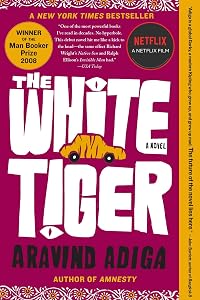
The White Tiger
by Aravind Adiga
On This Page
Description
Balram Halwai is a complicated man. Servant. Philosopher. Entrepreneur. Murderer. Over the course of seven nights, by the scattered light of a preposterous chandelier, Balram tells the terrible and transfixing story of how he came to be a success in life -- having nothing but his own wits to help him along.Tags
Recommendations


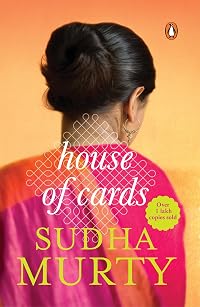

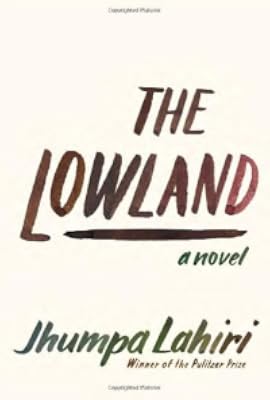
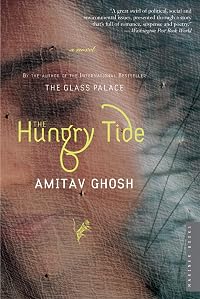
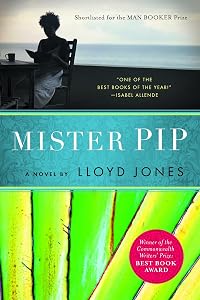






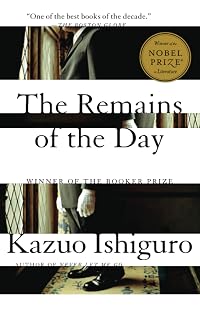
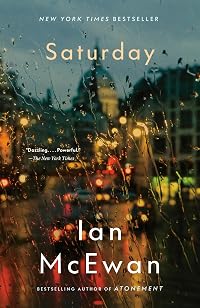
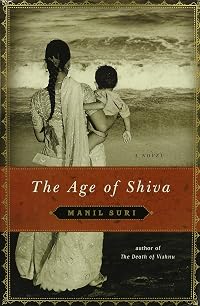
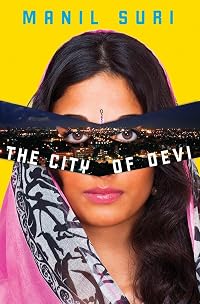


Member Recommendations
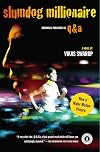
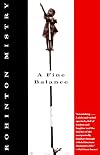
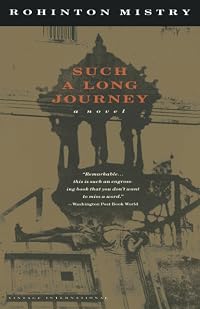
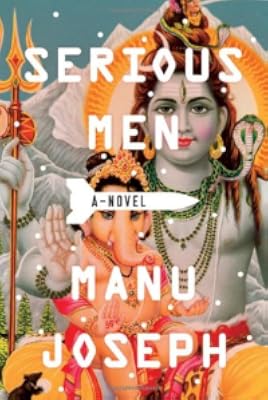
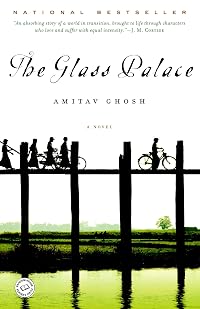
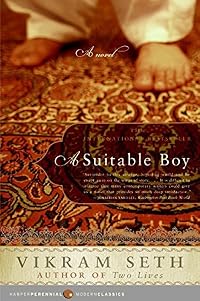
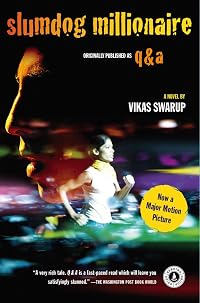
Nickelini Both novels look at the dire side of life in India, and both are very well written.
60
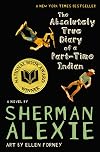
anonymous user I happened to be reading this YA title simultaneously, and was surprised/pleased to find that the two books went together quite well. Similarly charismatic narrator and several of the same themes.
61

wonderlake First-person narratives of growing disenchantment
51
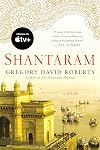
jtho Another great story set in India that shows us both the seedy sides and the beauty.
73

SqueakyChu Another book, this one much quieter, about a man's desire to move up in society.
Also recommended by chrisharpe
20

bookmomo Modern India in a nutshell. Adiga is an accomplished writer.
20
wonderlake Balanced, measured accounts by murderers!
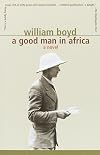
mcenroeucsb Books with Amusing Rogue protagonists

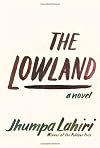
BookshelfMonstrosity These evocative novels discuss the social inequities and corruption endemic to modern India. Their complex characters and strong sense of place provide thought-provoking ways to understand the current state of the subcontinent, even as they tell about individual lives.
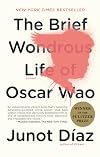
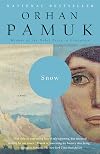
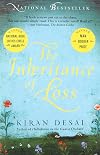
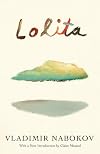
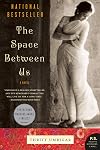

mcenroeucsb Books with Amusing Rogue protagonists
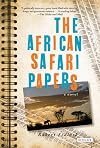
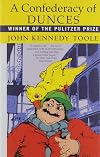
mcenroeucsb Books with Delusional/Enlightened Outcast protagonists
11
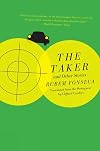
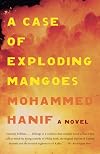

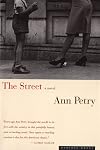
teunduynstee Both novels show how well intentioned, hard working people do not stand a chance against the system of poverty, discrimination, prejudice, etc...
Member Reviews
"India adalah negara yang dicetak oleh para manusia setengah matang."
Sesuai dengan blurb, The White Tiger menceritakan tentang pria bernama Balram yang membunuh majikannya sendiri. Balram adalah seorang sopir yang sejak kecilnya putus sekolah hingga bekerja serabutan — menjadi pemukul batu bara, manusia laba-laba, dan pelayan di warung teh. Dia kemudian kursus menjadi sopir untuk kemudian bekerja bersama Ashok. Ashok sendiri sama-sama berasal dari desa kumuh yang sama dengan Balram, tetapi nasib mereka berbeda. Ashok begitu dihormati Balram sampai kemudian dia memutuskan menggorok majikannya sendiri.
Kisah Balram secara sekilas menarik karena menggambarkan kesenjangan sosial dan kondisi carut-marut India. Namun secara tersurat Aravind show more Adiga menuliskan kritik terhadap Islamofobia yang begitu kuat di India.
Secara blak-blakan, penulis mengatakan empat penyair terbaik di dunia adalah penyair Muslim. Lewat sudut pandang Balram, penulis mengatakan ada tiga penyair Muslim yang dia hormati di dunia, antara lain Rumi, Iqbal, dan Mirza Ghalib. Bahkan, Balram terngiang-ngiang syair salah satu dari mereka:
"Sudah bertahun-tahun kau mencari kuncinya / Padahal pintunya selalu terbuka!"
Aravind Adiga seakan-akan mengatakan secara halus bahwa kesalahan India sulit maju (saat bukunya ditulis) adalah karena mengesampingkan kaum Muslim di tanah mereka. Warga India masih saja bagaikan kaum tersesat yang membutuhkan keajaiban di depan mata untuk bisa bergerak maju, padahal keajaiban itu hadir dalam bentuk umat Muslim di sekitarnya.
Namun sesuai dengan babak akhir buku, tercerminlah bagaimana India akan terus bergerak: berusaha maju dengan konstruksi Islamofobia. show less
Sesuai dengan blurb, The White Tiger menceritakan tentang pria bernama Balram yang membunuh majikannya sendiri. Balram adalah seorang sopir yang sejak kecilnya putus sekolah hingga bekerja serabutan — menjadi pemukul batu bara, manusia laba-laba, dan pelayan di warung teh. Dia kemudian kursus menjadi sopir untuk kemudian bekerja bersama Ashok. Ashok sendiri sama-sama berasal dari desa kumuh yang sama dengan Balram, tetapi nasib mereka berbeda. Ashok begitu dihormati Balram sampai kemudian dia memutuskan menggorok majikannya sendiri.
Kisah Balram secara sekilas menarik karena menggambarkan kesenjangan sosial dan kondisi carut-marut India. Namun secara tersurat Aravind show more Adiga menuliskan kritik terhadap Islamofobia yang begitu kuat di India.
Secara blak-blakan, penulis mengatakan empat penyair terbaik di dunia adalah penyair Muslim. Lewat sudut pandang Balram, penulis mengatakan ada tiga penyair Muslim yang dia hormati di dunia, antara lain Rumi, Iqbal, dan Mirza Ghalib. Bahkan, Balram terngiang-ngiang syair salah satu dari mereka:
"Sudah bertahun-tahun kau mencari kuncinya / Padahal pintunya selalu terbuka!"
Aravind Adiga seakan-akan mengatakan secara halus bahwa kesalahan India sulit maju (saat bukunya ditulis) adalah karena mengesampingkan kaum Muslim di tanah mereka. Warga India masih saja bagaikan kaum tersesat yang membutuhkan keajaiban di depan mata untuk bisa bergerak maju, padahal keajaiban itu hadir dalam bentuk umat Muslim di sekitarnya.
Namun sesuai dengan babak akhir buku, tercerminlah bagaimana India akan terus bergerak: berusaha maju dengan konstruksi Islamofobia. show less
The White Tiger by Aravind Adiga tells the story of one’s man’s life dealing with the injustice of the caste system in India and of how he escaped and became an entrepreneurial success. This is not an uplifting story. I was not left with a feeling of hope even though the way in which the story was told was light and humorous.
An Indian entrepreneur, Valram Halwai, tells the story through a letter that he writes to the Chinese Premier who is slated to visit and has suggested he would like to speak to an Indian entrepreneur because China does not have any at this point. This is pointed out on page 2:
“Apparently, sir, you Chinese are far ahead of us in every respect, except that you don’t have entrepreneurs. And our nation, though show more it has no drinking water, electricity, sewage system, public transportation, sense of hygiene, discipline, courtesy, or punctuality, DOES have entrepreneurs. Thousands and thousands of them. Especially in the field of technology.”
This sets the stage for the book and introduces one of the main themes, which is the lack of basic necessities in India and this leads into the book’s major premise, India’s caste system and the world of difference between the haves and have nots, “The Light and The Dark”.
Valram is born into a very poor family. His father is a rickshaw driver, his family lives in a shack and they have absolutely nothing. He has a couple of years of school but it becomes apparent that he needs to go to work to help support the family. His caste is meant to be producers of sweets so his grandmother determines he should work in the tea shop. However, Valram sets his sights much higher. He wants to be a driver for the wealthy and that is how he ends up working for Mr. Ashok, his wife Pinky Madam, his father The Stork and his brother Mukesh. This is where Valram learns the lessons of life that determine the course he eventually follows.
Examples of the sad state of affairs in India today are prevalent throughout the book:
1. Government officials and politicians must be paid off by businessmen in order for commerce to take place
2. Those stuck at the bottom layers of the caste system seldom escape from it and are actually held down by others who are in the same strata
3. Corruption among the police is widespread
4. Although his boss complains that because of Halram’s limited education, “he probably has what…two, three years of schooling in him? He can read and write, but he doesn’t get what he’s read. He’s half-baked. The country is full of people like him, I’ll tell you that. And we entrust our glorious parliamentary democracy to characters like these.” (page 8) Yet the fingerprints of the illiterate are taken from them to use on ballots at election time and they never actually get to vote themselves.
5. The “servants” of the rich are treated with disdain and are not able to maintain their dignity
Valram finally decides that there is only one way for him to escape his circumstances and therein lies the crux of the situation. The reader must decide if he was justified in doing what he had to do to escape. The author provides a lot of opportunities for moral lessons but leaves the reader holding the bag. Cynical, irreverent and very, very funny. 2008 Man Booker Prize Winner. Highly recommended. show less
An Indian entrepreneur, Valram Halwai, tells the story through a letter that he writes to the Chinese Premier who is slated to visit and has suggested he would like to speak to an Indian entrepreneur because China does not have any at this point. This is pointed out on page 2:
“Apparently, sir, you Chinese are far ahead of us in every respect, except that you don’t have entrepreneurs. And our nation, though show more it has no drinking water, electricity, sewage system, public transportation, sense of hygiene, discipline, courtesy, or punctuality, DOES have entrepreneurs. Thousands and thousands of them. Especially in the field of technology.”
This sets the stage for the book and introduces one of the main themes, which is the lack of basic necessities in India and this leads into the book’s major premise, India’s caste system and the world of difference between the haves and have nots, “The Light and The Dark”.
Valram is born into a very poor family. His father is a rickshaw driver, his family lives in a shack and they have absolutely nothing. He has a couple of years of school but it becomes apparent that he needs to go to work to help support the family. His caste is meant to be producers of sweets so his grandmother determines he should work in the tea shop. However, Valram sets his sights much higher. He wants to be a driver for the wealthy and that is how he ends up working for Mr. Ashok, his wife Pinky Madam, his father The Stork and his brother Mukesh. This is where Valram learns the lessons of life that determine the course he eventually follows.
Examples of the sad state of affairs in India today are prevalent throughout the book:
1. Government officials and politicians must be paid off by businessmen in order for commerce to take place
2. Those stuck at the bottom layers of the caste system seldom escape from it and are actually held down by others who are in the same strata
3. Corruption among the police is widespread
4. Although his boss complains that because of Halram’s limited education, “he probably has what…two, three years of schooling in him? He can read and write, but he doesn’t get what he’s read. He’s half-baked. The country is full of people like him, I’ll tell you that. And we entrust our glorious parliamentary democracy to characters like these.” (page 8) Yet the fingerprints of the illiterate are taken from them to use on ballots at election time and they never actually get to vote themselves.
5. The “servants” of the rich are treated with disdain and are not able to maintain their dignity
Valram finally decides that there is only one way for him to escape his circumstances and therein lies the crux of the situation. The reader must decide if he was justified in doing what he had to do to escape. The author provides a lot of opportunities for moral lessons but leaves the reader holding the bag. Cynical, irreverent and very, very funny. 2008 Man Booker Prize Winner. Highly recommended. show less
On a superficial level, reading the work The White Tiger by Aravind Adiga will introduce readers to a side of India that's much different than the usual glamour of contrived gurus and opulent Bollywood. The White Tiger is portrayal of the lingering, residual effects of India's caste system on its slow yet inevitable push toward technological modernity.
Adiga's novel focuses on one man's breakthrough from "the Darkness" of backward rural poverty to "the Light" of urban entrepreneurship and what americans would probably describe as middle class luxury. The story centers on Balram Halwai's struggle to accept more of life than his caste will allow. Born without a true name, Balram progresses from lowly sweet-shop worker to personal driver show more and servant to becoming a "respectable" businessman of Bangalore. As with all good stories, the plot advances with the rationalization of one's choices and sacrifices. Sacrifices and choices involving losing one's family, one's humility, and murder.
Adiga adds several layers of philosophical complexity throughout the novel. One the one hand, this a work outlining the persistence of slavery, not only in Indian culture, but modern culture as well. Balram is an aberration, an Indian who defies his culture not only in the pursuit of "entrepreneurship" but also the pursuit of being a free and true man. Adiga compares most Indians living in the lower castes to being chickens suffocating in a great coop, unable and even unwilling and perhaps proud of it, to better their lot in life. It is only when Balram finally realizes in his anger that the rich always get the best in life and the poor always get the leftovers that he makes the choices that cannot be reversed.
The greater psychological slavery realized by Balram is perhaps akin to something Nietzsche may have said regarding god being dead. Adiga certainly puts it to the reader to decide whether Balram's choices are truly necessary to become a free man in a highly corrupt India. Whether they are or not, such is the plight in the darkest corners of India, for those truly grasping for a better life. It is certainly compelling, a story with choices that multitudes are facing every day. Excellent read. show less
Adiga's novel focuses on one man's breakthrough from "the Darkness" of backward rural poverty to "the Light" of urban entrepreneurship and what americans would probably describe as middle class luxury. The story centers on Balram Halwai's struggle to accept more of life than his caste will allow. Born without a true name, Balram progresses from lowly sweet-shop worker to personal driver show more and servant to becoming a "respectable" businessman of Bangalore. As with all good stories, the plot advances with the rationalization of one's choices and sacrifices. Sacrifices and choices involving losing one's family, one's humility, and murder.
Adiga adds several layers of philosophical complexity throughout the novel. One the one hand, this a work outlining the persistence of slavery, not only in Indian culture, but modern culture as well. Balram is an aberration, an Indian who defies his culture not only in the pursuit of "entrepreneurship" but also the pursuit of being a free and true man. Adiga compares most Indians living in the lower castes to being chickens suffocating in a great coop, unable and even unwilling and perhaps proud of it, to better their lot in life. It is only when Balram finally realizes in his anger that the rich always get the best in life and the poor always get the leftovers that he makes the choices that cannot be reversed.
The greater psychological slavery realized by Balram is perhaps akin to something Nietzsche may have said regarding god being dead. Adiga certainly puts it to the reader to decide whether Balram's choices are truly necessary to become a free man in a highly corrupt India. Whether they are or not, such is the plight in the darkest corners of India, for those truly grasping for a better life. It is certainly compelling, a story with choices that multitudes are facing every day. Excellent read. show less
Outstanding novel. Set in contemporary India, Balram Halwai (aka the White Tiger) narrates the story of how he climbed out of the poverty of the Darkness, became a driver for a rich man in town, followed him to Delhi, murdered him to steal his money, and ended up as an entrepreneur in Bangalore. (Don't worry, most of this, including the fact of the murder, is stated in the opening pages -- I didn't give anything away.)
The narration is simultaneously hilarious and savage, sympathetic and repellent, reliable and unreliable. The language is consistently inventive but not intrusive. The depiction of the economic life of India -- ranging from feudal to modern and from servants to masters -- is fascinating. This book will make you look twice, show more and then look twice again, and then look twice again, before crossing the street in India ever again. show less
The narration is simultaneously hilarious and savage, sympathetic and repellent, reliable and unreliable. The language is consistently inventive but not intrusive. The depiction of the economic life of India -- ranging from feudal to modern and from servants to masters -- is fascinating. This book will make you look twice, show more and then look twice again, and then look twice again, before crossing the street in India ever again. show less
Balram is a man of Darkness or lower caste in Indian society. His life’s mission is to move up India’s hierarchy of status and power. Finagling his way into becoming a driver for the son of a well-known politician, Balram eventually ends up living in Dehli. Along the way, he introduces us, through wickedly funny storytelling, to an India of filth, inequity, greed, corruption, and insensitivity.
This novel starts off as a letter from Balram to the Premier of China explaining how he reached his present position. Of course, we the readers are taken along on this adventure being narrated by Balram. It’s a joyful ride, though, as his way of expressing himself is forthright and deeply entertaining, although one needs to tread a bit show more lightly while reading so as not to take offense.
I can detect much love by the author for India in his writing. By bringing some of his native country’s more pervasive problems to the forefront, perhaps he is also sending out a plea for attention and possible resolution to at least some more troublesome ongoing issues. Despite the author's fairly blatant message, his story is powerful in its own right because of his independent-minded, saucy protagonist and descriptive writing. I heartily endorse this book for anyone who enjoys reading about India or works of fiction by Indian authors. show less
This novel starts off as a letter from Balram to the Premier of China explaining how he reached his present position. Of course, we the readers are taken along on this adventure being narrated by Balram. It’s a joyful ride, though, as his way of expressing himself is forthright and deeply entertaining, although one needs to tread a bit show more lightly while reading so as not to take offense.
I can detect much love by the author for India in his writing. By bringing some of his native country’s more pervasive problems to the forefront, perhaps he is also sending out a plea for attention and possible resolution to at least some more troublesome ongoing issues. Despite the author's fairly blatant message, his story is powerful in its own right because of his independent-minded, saucy protagonist and descriptive writing. I heartily endorse this book for anyone who enjoys reading about India or works of fiction by Indian authors. show less
Written so simply and dynamically that you could be fooled into thinking that the story is just the ravings of a mad antihero. Instead, this surprisingly fast and powerful read manages to dissect the complex inner workings of the socio-political system in India, and expose its hypocrisies through extreme juxtaposition.
What fascinated me the most was the master-servant relationship between the weak US-educated Ashok and the barely-educated but wily Balram. They're both trapped and struggling against their caste system, trying to not let it define them yet perhaps also finding comfort in the confinement of their respective cages.
The novel is full of small blink-and-you'll-miss-it scenes where the casual acceptance/snubs and reminders of show more the caste system rear its classist head. The most poignant scene for me was when Ashok misunderstood Balram's reticence in asking a question as request to get married andgets out his wallet, unprompted, to give him money and visibly lowers the amount that his initial generosity was going to give Balram . show less
What fascinated me the most was the master-servant relationship between the weak US-educated Ashok and the barely-educated but wily Balram. They're both trapped and struggling against their caste system, trying to not let it define them yet perhaps also finding comfort in the confinement of their respective cages.
The novel is full of small blink-and-you'll-miss-it scenes where the casual acceptance/snubs and reminders of show more the caste system rear its classist head. The most poignant scene for me was when Ashok misunderstood Balram's reticence in asking a question as request to get married and
One of the better novels I've read in a long time: The White Tiger is a gripping novel, so well-written that I sympathised with almost every character in the book, no matter how 'evil' they were.
The book in one (long-ish) sentence: A subversive rags-to-riches story where the protagonist is a murderous Indian driver-turned-entrepreneur with clear but questionable morals. If that doesn't pique your interest, I don't know what will!
The story is structured as a series of one-way correspondences to Wen Jiabao (Premier of China) before his state visit to India. The main character (the driver-turned-entrepreneur) decides to send these letters to inform Jiabao of "the real India": the Light and Dark India. Throughout the book I question this show more method of structuring the book, but by the end of the book I was won over the narrative.
This is one hell of a novel, offering not only a wonderful story, but a behind-the-scenes look at this "fictional" India. show less
The book in one (long-ish) sentence: A subversive rags-to-riches story where the protagonist is a murderous Indian driver-turned-entrepreneur with clear but questionable morals. If that doesn't pique your interest, I don't know what will!
The story is structured as a series of one-way correspondences to Wen Jiabao (Premier of China) before his state visit to India. The main character (the driver-turned-entrepreneur) decides to send these letters to inform Jiabao of "the real India": the Light and Dark India. Throughout the book I question this show more method of structuring the book, but by the end of the book I was won over the narrative.
This is one hell of a novel, offering not only a wonderful story, but a behind-the-scenes look at this "fictional" India. show less
Members
- Recently Added By
Lists

1001 Books You Must Read Before You Die
1,448 works; 1,133 members

Best Contemporary Literary Fiction (Around the Last 30 Years)
388 works; 123 members
Booker Prize
491 works; 62 members

Best of World Literature
434 works; 51 members

Best 21st Century Books (So Far)
670 works; 86 members

Literature About Social Class
134 works; 19 members

Best Satire
188 works; 29 members

All Things India
95 works; 21 members

2000s (the decade, not the century)
184 works; 11 members
Booker Prize Shortlist: Titles Read
103 works; 10 members

Vulture's 100 Best Books of the 21st Century (So Far)
98 works; 9 members

Epistolary Books
105 works; 24 members

Literature by People of Color
81 works; 9 members

Top Five Books of 2022
736 works; 272 members

This is the Canon: Decolonize Your Bookshelf in 50 Books
51 works; 5 members

Asia
178 works; 7 members

Most Popular Books Tagged India
36 works; 5 members

2000s decade
85 works; 7 members
Contemporary Fiction
109 works; 7 members

Man Booker Prize Longlist 2008
13 works; 2 members

New Authors to Read
21 works; 3 members
Animals in the Title
498 works; 11 members

Best Antiheroes and Antiheroines
119 works; 7 members
First Novels
373 works; 17 members

Books with Colourful Titles
171 works; 8 members

Books Featured on Readers' Review of the Diane Rehm Show
161 works; 8 members

aborted books in 2023
11 works; 1 member

Five star books
1,757 works; 107 members

Books Read in 2022
5,166 works; 112 members

My TBR
371 works; 3 members

Contemporary Fiction
17 works; 2 members

A Rainbow of Books: Colors in the Title
570 works; 24 members

AP Lit
363 works; 6 members

Sense of place
156 works; 13 members

.
184 works; 1 member

Books Read in 2025
4,091 works; 97 members
School Made Us Read It
380 works; 196 members
Books About Murder
313 works; 7 members
Author Information

5+ Works 12,930 Members
Some Editions
Awards and Honors
Awards
Distinctions
Notable Lists
Work Relationships
Is contained in
Has as a student's study guide
Common Knowledge
- Canonical title
- The White Tiger
- Original title
- The white tiger: a novel
- Original publication date
- 2008
- People/Characters
- Balram Halwai; Mr. Ashok; Pinky Madam; Premier of China (Mr. Jiabao)
- Important places
- Bangalore, India; New Delhi, India; India
- Related movies
- The White Tiger (2021 | IMDb)
- Dedication
- For Ramin Bahrani
- First words
- Mr. Premier, Sir. Neither you nor I speak English, but there are some things that can be said only in English.
- Quotations
- “The jails of Delhi are full of drivers who are there behind bars because they are taking the blame for their good, solid middle-class masters. We have left the villages but the masters still own us, bodies, souls, and arse... (show all). Yes, that’s right: we all live in one of the world’s greatest democracies. What a fucking joke.”
A rich man's body is like a premium cotton pillow, white and soft and blank. Ours are different. My father's spine was a knotted rope, the kind that women use in villages to pull water from wells; the clavicle curved around h... (show all)is neck in high relief, like a dog's collar; cuts and nicks and scars, like little whip marks in his flesh, ran down his chest and waist, reaching down below his hip bones into his buttocks. The story of a poor man's life is written on his body, in sharp pen.
The book of your revolution sits in the pit of your belly, young Indian. Crap it out, and read - Last words
- (Click to show. Warning: May contain spoilers.)I think I am ready to have children, Mr. Premier. Ha! Your forever, Ashok Sharma The White Tiger Of Bangalore boss@whitetiger-technologydrivers.com
- Blurbers
- Powers, Katherine A.; Mukherjee, Neel; Shteyngart, Gary; Burdett, John; Hamid, Mohsin; Mattin, David (show all 22); Indrisek, Scott; Bhattacharya, Soumya; Holgate, Andrew; Menaker, Daniel; Medintz, Scott; Prasannarajan, S.; Krishna, Nakul; DiMartino, Nick; Johri, Vikram; Saunders, Kate; Pais, Arthur J.; Boyagoda, Randy; Vecere, Sarah; Burdett, John; Mishra, Pankaj; Mukherjee, Neel
- Original language
- Hindi
Classifications
Statistics
- Members
- 10,383
- Popularity
- 937
- Reviews
- 442
- Rating
- (3.78)
- Languages
- 23 — Catalan, Chinese, Danish, Dutch, English, Estonian, Finnish, French, German, Greek, Gujarati, Hindi, Indonesian, Italian, Lithuanian, Malayalam, Norwegian (Bokmål), Polish, Portuguese, Serbian, Sinhalese, Spanish, Swedish
- Media
- Paper, Audiobook, Ebook
- ISBNs
- 86
- ASINs
- 33