
The Bonfire of the Vanities
by Tom Wolfe
On This Page
Description
This bitingly hilarious American satire will forever define late twentieth-century New York style.Tom Wolfe's bestselling modern classic tells the story of Sherman McCoy, an elite Wall Street bond trader who has it all: wealth, power, prestige, a Park Avenue apartment, a beautiful wife, and an even more beautiful mistress, until one wrong turn sends Sherman spiraling downward in a humiliating fall from grace.
A car accident in the Bronx involving Sherman, his girlfriend, and two young show more lower-class black men sets a match to the incendiary racial and social tensions of 1980s New York City. Suddenly, Sherman finds himself embroiled in the most brutal, high-profile case of the year, as prosecutors, politicians, the press, the police, the clergy, and assorted hustlers rush in to further their own political and social agendas. With so many egos at stake, the last priority on anyone's mind is truth or justice.
. show less
Tags
Recommendations



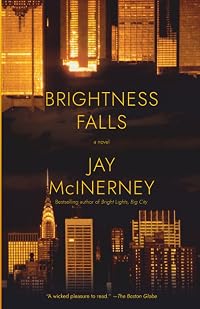

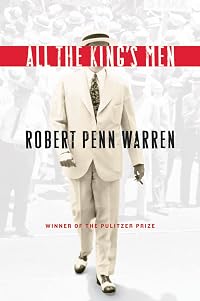
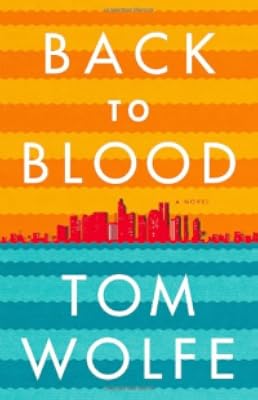
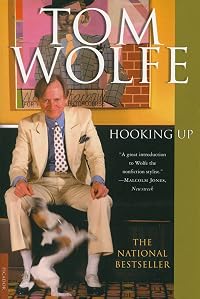




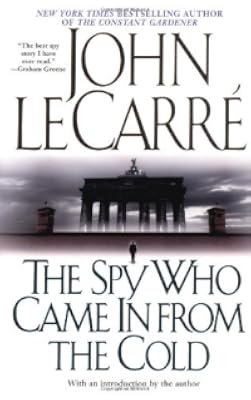
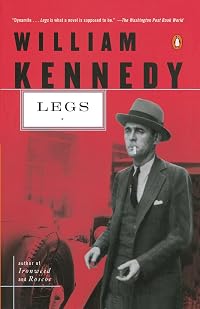
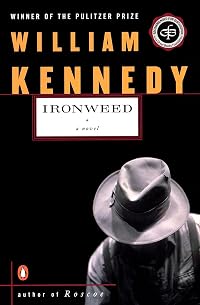
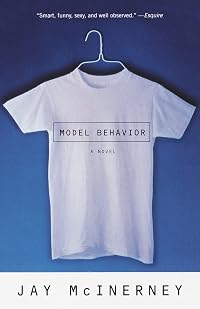



Member Recommendations
browner56 Interesting social satire that takes shots at the hubris of the financial services industry
20
lucyknows Great Expectations and Bonfire of the Vanities can be successfully tied together in that both the authors explore the themes of ostentation, ambition and morality
43
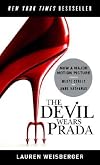
citygirl Skewers those at the top of the heap in NYC. Both quite funny.
02

ann.elizabeth Literary fiction focused on a controversial, potentially illegal moment and its aftermath, examined from multiple points of view.
14
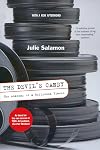
bluepiano It's about the making of a movie from this book. Whether or not you enjoyed Bonfire, if you read it and you take Hollywood movies seriously, you'll probably enjoy Devil's Candy. (On the other hand if you don't take them seriously, don't bother with the Salamon & go for the movie itself--it's not *that* bad.)
Member Reviews
When I first read this book I considered it brilliant. It was part of my Top 10 Personal Pantheon for a long time. It was so daring, so edgy. Like Wolfe's finest non-fiction, you felt that he was right there, reporting from the place where everything was happening.
The next time I read this was ten years or so later. It was still good, but it was no longer GREAT.
Last night, I realized that now I kind of hate it. At the time I admired Wolfe for exposing that everyone has ulterior motives, that no one is pure. And now I think back on it and find nothing edgy at all. It's rather reactionary, really. Wolfe couldn't be more conservative if he tried. All the married men either have mistresses or want to. All the wives are absorbed in their show more children and social standing. Only single ladies are sexy. Everyone is a total cliched bastard. Oh, and the race portrayals are even worse. Mentally I can hear Wolfe grousing about the liberal media when he depicted a victim made into a hardworking, promising student. But isn't his own cliche even more trite with the scary young black man in the urban jungle?
Just thinking about it now makes me shudder. I enjoyed Wolfe's nonfiction enormously, but the older I get, the more clearly his fiction looks awful to me. He wanted to do (I think) something grand and sweeping in the manner of Dickens, showing the lowest and the highest of society. But he's such a cynical writer, than he finds it impossible to empathize with anyone, except perhaps the drunken ex-pat. And unlike Dickens, there's no humanity anywhere. There's a lot of slick cleverness , but really, he might just as well have written "everyone's a phony and everyone sucks" and had done with it.
2/3/10 show less
The next time I read this was ten years or so later. It was still good, but it was no longer GREAT.
Last night, I realized that now I kind of hate it. At the time I admired Wolfe for exposing that everyone has ulterior motives, that no one is pure. And now I think back on it and find nothing edgy at all. It's rather reactionary, really. Wolfe couldn't be more conservative if he tried. All the married men either have mistresses or want to. All the wives are absorbed in their show more children and social standing. Only single ladies are sexy. Everyone is a total cliched bastard. Oh, and the race portrayals are even worse. Mentally I can hear Wolfe grousing about the liberal media when he depicted a victim made into a hardworking, promising student. But isn't his own cliche even more trite with the scary young black man in the urban jungle?
Just thinking about it now makes me shudder. I enjoyed Wolfe's nonfiction enormously, but the older I get, the more clearly his fiction looks awful to me. He wanted to do (I think) something grand and sweeping in the manner of Dickens, showing the lowest and the highest of society. But he's such a cynical writer, than he finds it impossible to empathize with anyone, except perhaps the drunken ex-pat. And unlike Dickens, there's no humanity anywhere. There's a lot of slick cleverness , but really, he might just as well have written "everyone's a phony and everyone sucks" and had done with it.
2/3/10 show less
I read this book in the 80s as a satire of the moment.
Now it is a historical document of how we got to this place.
Try rereading this book about the eighties in our current times and political situation. The POV of this novel is only from white men--the bonds salesman, the assistant district attorney, the British tabloid writer. There are other characters--white women and black men. But their POV doesn't matter, this is all Master of the Universe entitlement. Women are either "Social X-rays" or "Lemon Tarts." Every scene involving one of these white men and a woman first describes her in terms of her sexuality and desirability via the white male. The hubris of these white men who can get away with practically anything sound an awful lot show more like the New York world of Trump. Or the campuses of Yale or Maryland prep schools for that matter. Black and brown people barely register except en masse as protestors, or as background characters--the shoeshine man, the maid, the boy who is knocked down and left in a coma. show less
Now it is a historical document of how we got to this place.
Try rereading this book about the eighties in our current times and political situation. The POV of this novel is only from white men--the bonds salesman, the assistant district attorney, the British tabloid writer. There are other characters--white women and black men. But their POV doesn't matter, this is all Master of the Universe entitlement. Women are either "Social X-rays" or "Lemon Tarts." Every scene involving one of these white men and a woman first describes her in terms of her sexuality and desirability via the white male. The hubris of these white men who can get away with practically anything sound an awful lot show more like the New York world of Trump. Or the campuses of Yale or Maryland prep schools for that matter. Black and brown people barely register except en masse as protestors, or as background characters--the shoeshine man, the maid, the boy who is knocked down and left in a coma. show less
I read this book (quite accidentally, I might add) in the wake of the Zimmerman trial in Florida and found it really interesting, if also really depressing. With the possible exception of the comatose victim, there's not a redeemable character in the book--they're all despicable, some just slightly more than others. I list the victim as a "possible" exception because truly part of the point of the book is that the story of what happened is so hopelessly garbled by the press and the activists and the court system that the truth can't possibly come out in any recognizable form. Since we're never actually in the victim's head, for all we know, he could be the worst villain of them all. Wolfe's remarkable ability to turn a phrase and his show more gift for characterization are on full display here, and despite knowing that it's all going to end badly, it's impossible not to slog through with the characters to find out how, exactly, it IS going to end. show less
The more things change, the more they stay the same. Wealthy bond trader Sherman McCoy is having an affair and while picking up his mistress from the airport, gets into an accident, hitting a black teenager and leaves the scene. In this spectactular takedown of the obscenely coddled 80s new wealth scions, Wolfe skewers just about everything the Me Decade had to offer. As the authorities close in on McCoy, his personal life falls to pieces, he becomes distracted from his job and, God forbid, the other spoiled ultrarich parents refuse to speak to him at the bus stop where they wait to send their equally spoiled children to ridiculously overpriced private kindergartens.
Meanwhile, clergyman Reverend Bacon, senses an opportunity to exploit show more the tragedy for his own financial gain. Assistant DAs attempt to further their own careers, mostly to impress jurors of the opposite sex. And no one really seems to give a damn about the young man hit by the car, saint though he be not.
It's all here, the sleaze, the money, the racial real politik, the greed for more power. This novel is rightly called a portrait of the 1980s, no other work coming close to presenting the foibles so clearly. That it could become such a horrendous film is almost a perfect example of what it speaks to: the soulless corporate pursuit of money and power above all else, damn the consequences. Told in Wolfe's journalistic voice, it reads like a Matt Taibi diatribe from Rolling Stone magazine. Sometimes, when the budget-strapped prosecution is confronted with a defendant of immense wealth, your best strategy is to run out the clock until the defendant's bank accounts are empty. Once the man has no money, no one, not even his own lawyers, want to talk to him anymore. Money talks. Period. show less
Meanwhile, clergyman Reverend Bacon, senses an opportunity to exploit show more the tragedy for his own financial gain. Assistant DAs attempt to further their own careers, mostly to impress jurors of the opposite sex. And no one really seems to give a damn about the young man hit by the car, saint though he be not.
It's all here, the sleaze, the money, the racial real politik, the greed for more power. This novel is rightly called a portrait of the 1980s, no other work coming close to presenting the foibles so clearly. That it could become such a horrendous film is almost a perfect example of what it speaks to: the soulless corporate pursuit of money and power above all else, damn the consequences. Told in Wolfe's journalistic voice, it reads like a Matt Taibi diatribe from Rolling Stone magazine. Sometimes, when the budget-strapped prosecution is confronted with a defendant of immense wealth, your best strategy is to run out the clock until the defendant's bank accounts are empty. Once the man has no money, no one, not even his own lawyers, want to talk to him anymore. Money talks. Period. show less
Disclaimer: I was given a free copy of this audiobook via NetGalley in return for an honest review.
Wolfe’s Dickensian tale of New York in the 1980s remains compelling, insightful and affecting four decades later. This Babylon of the 20th century is full of egoists and the self-interested; no one acts in good faith, no one is worthy of redemption, and the guilty are semi-arbitrarily picked out of a crowd of the awful.
The one true love found in this book – that of a father for his daughter – is destroyed with as little thought or care as a snowflake on the warm ground.
There are pointed references to Poe and “The Masque of the Red Death”, and this is certainly a story in which the rich find they can’t keep the world out.
A show more reminder, in case it were needed in 2024, that America is a land of shits. show less
Wolfe’s Dickensian tale of New York in the 1980s remains compelling, insightful and affecting four decades later. This Babylon of the 20th century is full of egoists and the self-interested; no one acts in good faith, no one is worthy of redemption, and the guilty are semi-arbitrarily picked out of a crowd of the awful.
The one true love found in this book – that of a father for his daughter – is destroyed with as little thought or care as a snowflake on the warm ground.
There are pointed references to Poe and “The Masque of the Red Death”, and this is certainly a story in which the rich find they can’t keep the world out.
A show more reminder, in case it were needed in 2024, that America is a land of shits. show less
“Your self…is other people, all the people you're tied to, and it's only a thread.”
High flying Wall Street bond dealer and self-styled Master of the Universe, Sherman McCoy, is conducting a clandestine affair with Maria, the sexy young wife of an ageing multi-millionaire. One evening after telling his wife that he's working late, Sherman collects Maria from the airport but, in a moment of inattention, he finds himself stuck in the wrong lane on the freeway and lost in the depths of the Bronx. As they drive around ever more frightening streets trying to find a way back to Manhattan, a young African American boy is accidentally knocked down by their car. They drive away in their panic, unaware of the injuries that the boy has show more suffered, and return to their insulated life within wealthy, white New York.
Sherman wants to report the incident but Maria over-rules him saying that she doesn't think that they will hear anything more about it. However, Henry Lamb, has been badly injured. Having attended hospital for treatment of a badly hurt wrist he returns home where he complains of head pains, and subsides into a coma. A radical activist in the African American community, Reverend Bacon, desperate for a crusade gets involved in the case. Bacon is determined to use Lamb's case as a cause célèbre. As demands for justice for the stricken boy gathers pace, McCoy's seemingly secure existence begins to disintegrate.
Meanwhile, Peter Fallow, a particularly odious and struggling British journalist, finds himself being given a string of exclusives about the case as the activists harness the tabloid press to forward their cause. Fallow gradually finds his fortunes waxing as McCoy's wane.
There are no heroes in this book. Everyone, except poor Henry Lamb, is seen to be tainted and self-serving to some degree. Sherman McCoy, indeed, emerges as one of the nicer characters. He at least recognises that he has, inadvertently, done something dreadful and the hollowness of his previous existence but ultimately is unable to change courses. He becomes a pitiable character incapable of choosing the correct advice to take. There are a number of other memorable characters, in particular Thomas Killian, McCoy's lawyer, and Supreme Court Justice Myron Kovitsky, all of them are flawed in some way but Wolfe only illuminates them briefly before reverting back to McCoy.
Wolfe wonderfully captures the racial tensions and jealousies between the two communities, the gilded but seemingly hollow lives of the super-wealthy but directs most of his satire against the vagaries of the American criminal justice system, where local District Attorneys and judges must seek periodic re-election against an increasingly volatile political landscape. Sherman McCoy becomes the ‘Great White Defendant’, the token box-ticking target every prosecutor yearns for.
Wolfe's writing is dazzling at times and his dialogue is fantastic. There are several funny scenes, particularly towards the end, with one in a restaurant being absolutely brilliant. All in all, I would highly recommend this novel to anyone who enjoys gripping character-driven satirical fiction but be warned the book is both long and hard to put down! show less
High flying Wall Street bond dealer and self-styled Master of the Universe, Sherman McCoy, is conducting a clandestine affair with Maria, the sexy young wife of an ageing multi-millionaire. One evening after telling his wife that he's working late, Sherman collects Maria from the airport but, in a moment of inattention, he finds himself stuck in the wrong lane on the freeway and lost in the depths of the Bronx. As they drive around ever more frightening streets trying to find a way back to Manhattan, a young African American boy is accidentally knocked down by their car. They drive away in their panic, unaware of the injuries that the boy has show more suffered, and return to their insulated life within wealthy, white New York.
Sherman wants to report the incident but Maria over-rules him saying that she doesn't think that they will hear anything more about it. However, Henry Lamb, has been badly injured. Having attended hospital for treatment of a badly hurt wrist he returns home where he complains of head pains, and subsides into a coma. A radical activist in the African American community, Reverend Bacon, desperate for a crusade gets involved in the case. Bacon is determined to use Lamb's case as a cause célèbre. As demands for justice for the stricken boy gathers pace, McCoy's seemingly secure existence begins to disintegrate.
Meanwhile, Peter Fallow, a particularly odious and struggling British journalist, finds himself being given a string of exclusives about the case as the activists harness the tabloid press to forward their cause. Fallow gradually finds his fortunes waxing as McCoy's wane.
There are no heroes in this book. Everyone, except poor Henry Lamb, is seen to be tainted and self-serving to some degree. Sherman McCoy, indeed, emerges as one of the nicer characters. He at least recognises that he has, inadvertently, done something dreadful and the hollowness of his previous existence but ultimately is unable to change courses. He becomes a pitiable character incapable of choosing the correct advice to take. There are a number of other memorable characters, in particular Thomas Killian, McCoy's lawyer, and Supreme Court Justice Myron Kovitsky, all of them are flawed in some way but Wolfe only illuminates them briefly before reverting back to McCoy.
Wolfe wonderfully captures the racial tensions and jealousies between the two communities, the gilded but seemingly hollow lives of the super-wealthy but directs most of his satire against the vagaries of the American criminal justice system, where local District Attorneys and judges must seek periodic re-election against an increasingly volatile political landscape. Sherman McCoy becomes the ‘Great White Defendant’, the token box-ticking target every prosecutor yearns for.
Wolfe's writing is dazzling at times and his dialogue is fantastic. There are several funny scenes, particularly towards the end, with one in a restaurant being absolutely brilliant. All in all, I would highly recommend this novel to anyone who enjoys gripping character-driven satirical fiction but be warned the book is both long and hard to put down! show less
Charles Dickens is such a point of literary reference for me that I’m self-conscious about the comparison I draw between him and Tom Wolfe. Then again, Wolfe published this, his first novel, serially in a deliberate imitation of the Victorian master, so maybe it’s not all my imagination.
Wolfe shares a lot of Dickens’s talent for evoking the inanity of his pompous, self-absorbed characters without descending to outright cruelty. His prose is witty and sharp, and rewards close attention as he twines together the lives of three disparate men — a pampered Wall Street WASP whose love divides between his daughter and his side piece, an ambitious Jewish assistant district attorney in a perpetual hunt for fame and women, and an show more alcoholic British tabloid writer as devoid of morality as he is of respect for the Yanks.
An incident in the Bronx sucks all three into the Kafkaesque meat grinder at the nexus of the American courts, press, and politics. If this novel is about anything at all, perhaps it’s a social commentary on how little justice has anything to do with the media circus we call the American criminal justice system. As Wolfe writes, a liberal is a conservative who’s been arrested.
That said, this isn’t really a novel about liberals and conservatives and who’s right and who’s wrong and how the system is broken and The Man is out to get you. The poverty-stricken defendants funneled through Bronx courtrooms on conveyor belts aren’t innocent victims of an unjust system — however absurd that system, they’ve made awful choices and done awful things.
Also, their liberal advocates are just as cynical and self-serving as any of the so-called conservative socialites on Park Avenue. To that extent, Wolfe can also write (as he does) that a conservative is a liberal who’s been mugged.
So what is this novel? Along with its Dickensian roots, it also reminds me of William Thackeray’s 19th-century novel “Vanity Fair,” a work he gleefully subtitled “A Novel Without a Hero.” That’s exactly what we have here: a slice of New York City in the late 1980s where everyone’s on the make, on the take, and a legend in their own minds — but nowhere else.
In summary, Wolfe is what you would get if Dickens or Thackeray were Americans writing in the late 20th century about small-minded white men with foul mouths and huge egos, masters of the universe until the universe decides to remind them just how precariously human they are. If nothing else, this novel is a beautiful act of arson, heaping up all the vanities of American self-righteousness and torching them in a bonfire as hugely entertaining as it is perceptive. show less
Wolfe shares a lot of Dickens’s talent for evoking the inanity of his pompous, self-absorbed characters without descending to outright cruelty. His prose is witty and sharp, and rewards close attention as he twines together the lives of three disparate men — a pampered Wall Street WASP whose love divides between his daughter and his side piece, an ambitious Jewish assistant district attorney in a perpetual hunt for fame and women, and an show more alcoholic British tabloid writer as devoid of morality as he is of respect for the Yanks.
An incident in the Bronx sucks all three into the Kafkaesque meat grinder at the nexus of the American courts, press, and politics. If this novel is about anything at all, perhaps it’s a social commentary on how little justice has anything to do with the media circus we call the American criminal justice system. As Wolfe writes, a liberal is a conservative who’s been arrested.
That said, this isn’t really a novel about liberals and conservatives and who’s right and who’s wrong and how the system is broken and The Man is out to get you. The poverty-stricken defendants funneled through Bronx courtrooms on conveyor belts aren’t innocent victims of an unjust system — however absurd that system, they’ve made awful choices and done awful things.
Also, their liberal advocates are just as cynical and self-serving as any of the so-called conservative socialites on Park Avenue. To that extent, Wolfe can also write (as he does) that a conservative is a liberal who’s been mugged.
So what is this novel? Along with its Dickensian roots, it also reminds me of William Thackeray’s 19th-century novel “Vanity Fair,” a work he gleefully subtitled “A Novel Without a Hero.” That’s exactly what we have here: a slice of New York City in the late 1980s where everyone’s on the make, on the take, and a legend in their own minds — but nowhere else.
In summary, Wolfe is what you would get if Dickens or Thackeray were Americans writing in the late 20th century about small-minded white men with foul mouths and huge egos, masters of the universe until the universe decides to remind them just how precariously human they are. If nothing else, this novel is a beautiful act of arson, heaping up all the vanities of American self-righteousness and torching them in a bonfire as hugely entertaining as it is perceptive. show less
Members
- Recently Added By
Published Reviews
ThingScore 55
So regularly is Tom Wolfe's brash 1987 tome described as "the quintessential novel of
the 80s" that you almost feel the phrase could be slapped on as a subtitle. But the ability
to "capture the decade" isn't the only measure of a writer's ability, and like a hot-pink
puffball dress, this story displays a blithe disregard for nuance.
Sherman McCoy, known to himself as a "Master of the Universe",
is show more a millionaire bond trader at Wall Street's Pierce and Pierce,
where the roar of the trading floor "resonate[s] with his very
gizzard". His mastery is punctured, however, when, with his
mistress at the wheel, his Mercedes hits and fatally injures a
young black man in the Bronx. The story of McCoy's subsequent
downfall is told alongside those of three other men, all
characterised by their raging ambition and vanity: an alcoholic
tabloid journalist desperate for a scoop; a power-hungry pastor;
and a district attorney keen to impress one of his former jury
members, the brown-lipsticked Miss Shelly Thomas.
Wolfe revels in the rambunctious, seething world of 80s New
York and brings to life in primary-colours prose a city fraught
with racial tensions and steeped in ego. The contrasting worlds of
McCoy and his victim, Henry Lamb, are vividly dramatised, if not
with great subtlety: rich, white Park Avenue versus poor, black Bronx.
At one particularly extravagant party, McCoy strays into a room described as "stuffed…
with sofas, cushions, fat chairs and hassocks, all of them braided, tasselled, banded,
bordered and... stuffed". Sometimes this big beast of a novel feels the same: dense with
research and bulging with bombast. Yet, it has to be admitted, it's also great fun. show less
the 80s" that you almost feel the phrase could be slapped on as a subtitle. But the ability
to "capture the decade" isn't the only measure of a writer's ability, and like a hot-pink
puffball dress, this story displays a blithe disregard for nuance.
Sherman McCoy, known to himself as a "Master of the Universe",
is show more a millionaire bond trader at Wall Street's Pierce and Pierce,
where the roar of the trading floor "resonate[s] with his very
gizzard". His mastery is punctured, however, when, with his
mistress at the wheel, his Mercedes hits and fatally injures a
young black man in the Bronx. The story of McCoy's subsequent
downfall is told alongside those of three other men, all
characterised by their raging ambition and vanity: an alcoholic
tabloid journalist desperate for a scoop; a power-hungry pastor;
and a district attorney keen to impress one of his former jury
members, the brown-lipsticked Miss Shelly Thomas.
Wolfe revels in the rambunctious, seething world of 80s New
York and brings to life in primary-colours prose a city fraught
with racial tensions and steeped in ego. The contrasting worlds of
McCoy and his victim, Henry Lamb, are vividly dramatised, if not
with great subtlety: rich, white Park Avenue versus poor, black Bronx.
At one particularly extravagant party, McCoy strays into a room described as "stuffed…
with sofas, cushions, fat chairs and hassocks, all of them braided, tasselled, banded,
bordered and... stuffed". Sometimes this big beast of a novel feels the same: dense with
research and bulging with bombast. Yet, it has to be admitted, it's also great fun. show less
added by browner56
The best account of the 90s me-first greed and fuck you attitude I have ever read.
added by Cynfelyn
The Nazi and fascist movements in Europe subscribed to similar sentiments. But, because Wolfe does not use anti-Semitic or racist epithets, the truly reactionary character of his societal vision is often unrecognized. The movie actually performs one important public service. By turning the book into a ghastly movie, the reactionary character of the book becomes far more apparent for all to see.
added by KarlNarveson
Lists

1001 Books You Must Read Before You Die
1,448 works; 1,134 members

The Guardian's 1000 Novels Everyone Must Read
1,005 works; 547 members

Radcliffe's 100 Best Novel of the 20th Century
100 works; 32 members

Great American Novels
158 works; 40 members

Best Contemporary Literary Fiction (Around the Last 30 Years)
388 works; 124 members

Read the book and saw the movie
1,170 works; 192 members

New York Public Library's Books of the Century - All
170 works; 14 members
Books Set in New York City
127 works; 21 members
20th Century Literature
1,161 works; 55 members

Favourite Books
1,819 works; 316 members
501 Must-Read Books
529 works; 72 members

Favorite Long Books
330 works; 41 members
Books Set in New York State
65 works; 11 members
The American Experience
173 works; 18 members

Read the Book, Hated the Movie
30 works; 25 members

100 New Classics
101 works; 13 members

Top Five Books of 2017
757 works; 231 members
1,001 BYMRBYD Concensus
723 works; 27 members

Novels Published in 1987
81 works; 19 members

The Guardian's 100 Best Novels Written in English
105 works; 13 members
TML 200 Best Books 1950-1999
202 works; 10 members

Books You Read During High School (For School)
301 works; 52 members

NPRs audience picks: 100 best beach reads
105 works; 12 members
My list of 100 books to read next
100 works; 4 members
First Novels
373 works; 16 members

A Good Read (Radio 4)
221 works; 1 member
Books Featured on Readers' Review of the Diane Rehm Show
161 works; 8 members

Llibres que he llegit el 2012
28 works; 1 member

Most Depressing Books
69 works; 16 members

SHOULD Read Books!
354 works; 9 members

Five star books
1,755 works; 107 members
Literary Travelogue of the United States Challenge
133 works; 6 members

Eton's list - the books every bright 16 year-old should read
40 works; 6 members
American Lit for Eng 11 Research Project
368 works; 6 members

The Torchlight List
95 works; 1 member

The Modern Library (The Two Hundred Best Novels....
202 works; 1 member

The "A" List
67 works; 8 members

.
396 works; 1 member

.
194 works; 2 members

DigitalDreamDoor top 300
300 works; 4 members
Retrospective of 20th- and 21st-century literature
154 works; 1 member

Books I Own But Haven't Read
144 works; 2 members

Gen X Library
245 works; 4 members

Recommended Reading : 600 Classics Reviewed, Editors of Salem Press, 2015
634 works; 6 members

Mustich's 1000 Books to Read Before You Die: A Life Changing List
1,001 works; 19 members

Books You Couldn't Finish
202 works; 32 members

Love Triangles in Literature
108 works; 15 members
Page Turners
185 works; 11 members

Blue Pyramid 1,276 Best Books of All Time
1,248 works; 32 members
New York Public Library's Books of the Century
120 works; 20 members
Talk Discussions
Past Discussions
Bonfire of the Vanities: Tom Wolfe in Someone explain it to me... (March 2021)
Author Information

Thomas Kennerly Wolfe Jr. was born in Richmond, Virginia on March 2, 1930. He received bachelor's degree in English from Washington and Lee University in 1951 and a Ph.D in American studies from Yale University in 1957. He started his journalism career as a general-assignment reporter at The Springfield Union. While he was working for The show more Washington Post, he was assigned to cover Latin America and won the Washington Newspaper Guild's foreign news prize for a series on Cuba in 1961. In 1962, he became a reporter for the New York Herald Tribune and a staff writer for New York magazine. His work also appeared in Harper's and Esquire. His first book, a collection of articles about the flamboyant Sixties written for New York and Esquire entitled The Kandy-Kolored Tangerine-Flake Streamline Baby, was published in 1968. His other collections included Radical Chic and Mau-Mauing the Flak Catchers and Hooking Up. His non-fiction works included The Pump House Gang; The Electric Kool-Aid Acid Test; The Painted Word; Mauve Gloves and Madmen, Clutter and Vine; In Our Time; and From Bauhaus to Our House. The Right Stuff won the American Book Award for nonfiction, the National Institute of Arts and Letters Harold Vursell Award for prose style, and the Columbia Journalism Award. It was adapted into a film in 1983. His fiction books included The Bonfire of the Vanities, Ambush at Fort Bragg, A Man in Full, The Kingdom of Speech, I Am Charlotte Simmons, and Back to Blood. He was also a contributing artist at Harper's from 1978 to 1981. Many of his illustrations were collected in In Our Time. He died on May 14, 2018 at the age of 88. (Bowker Author Biography) show less
All Editions
Some Editions
Awards and Honors
Series
Belongs to Publisher Series
Work Relationships
Is contained in
Contains
Has the adaptation
Common Knowledge
- Canonical title*
- Het vreugdevuur der ijdelheden
- Original title
- The Bonfire of the Vanities
- Alternate titles*
- Костры амбиций
- Original publication date
- 1987
- People/Characters
- Sherman McCoy; Maria Ruskin; Reverend Bacon; Peter Fallow; Lawrence Kramer; Henry Lamb
- Important places
- New York, New York, USA; Manhattan, New York, USA; Park Avenue, Manhattan, New York, New York, USA
- Related movies
- The Bonfire of the Vanities (1990 | IMDb)
- Dedication
- Doffing his hat, the author dedicates this book to Counselor Eddie Hayes who walked among the flames, pointing at the lurid lights. And he wishes to express his deep appreciation to Burt Roberts who first showed the way.
- First words
- "And then say what?" (Prologue)
At that very moment, in the very sort of Park Avenue co-op apartment that so obsessed the Mayor ... twelve-foot ceilings ... two wings, one for the white Anglo-Saxon Protestants who own the place and one for the help ... Sher... (show all)man McCoy was kneeling in his front hall trying to put a leash on a dachshund. - Last words
- (Click to show. Warning: May contain spoilers.)The little band beat a retreat down the marble halls.
(Click to show. Warning: May contain spoilers.)He was reportedly on a sailing vessel in the Aegean Sea with his bride of two weeks, Lady Evelyn, daughter of Sir Gerald Steiner, the publisher and financier. (Epilogue) - Blurbers
- Will, George F.
- Original language*
- Inglese
*Some information comes from Common Knowledge in other languages. Click "Edit" for more information.
Classifications
Statistics
- Members
- 9,725
- Popularity
- 1,047
- Reviews
- 142
- Rating
- (3.82)
- Languages
- 16 — Catalan, Czech, Danish, Dutch, English, Estonian, Finnish, French, German, Hungarian, Italian, Norwegian (Bokmål), Portuguese, Russian, Spanish, Swedish
- Media
- Paper, Audiobook, Ebook
- ISBNs
- 116
- UPCs
- 3
- ASINs
- 75