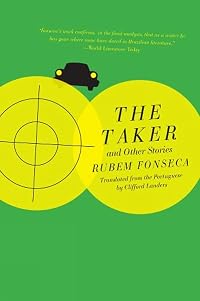
The Taker And Other Stories
by Rubem Fonseca
On This Page
Description
"Each of Fonseca's books is not only a worthwhile journey; it is also, in some way, a necessary one."--Thomas Pynchon Most widely admired for his short fiction,The Taker and Other Stories is Fonseca's first collection to appear in English translation, and it ranges across his oeuvre, exploring the sights and sounds of the modern landscape of Rio de Janeiro. Rubem Fonseca's Rio is a city at war, a city whose vast disparities--in wealth, social standing, and prestige--are untenable. In the show more stories ofThe Taker, rich and poor live in an uneasy equilibrium, where only overwhelming force can maintain order, and violence and deception are essential tools of survival. Whether recounting the story of a businessman who runs over pedestrians to let off steam, a serial killer being pushed to ever greater crimes by his bourgeois lover, the desperate poor rushing to butcher a cow that has been killed in a traffic accident, or a man seeking out confirmation for a past which his friends deny, Fonseca repeatedly reaffirms his status as one of the purest storytellers on the contemporary Brazilian literary scene. Rubem Fonseca is considered one of Brazil's most influential writers, and was awarded the Prémio Camões--considered the Nobel Prize of Portuguese language literature--for his body of work in 2003. That same year he was awarded the Juan Rulfo Prize. Clifford E. Landers has translated many of the great writers of Brazil, including Jorge Amado, João Ubaldo Ribeiro, Patricia Melo, Osman Lins, and Moacyr Scliar among others. He received the Mario Ferreira Award in 1999. show lessTags
Recommendations


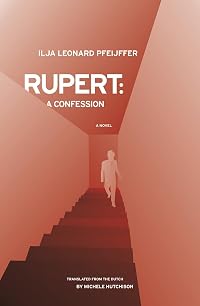
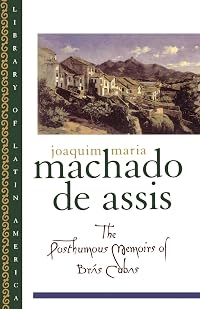
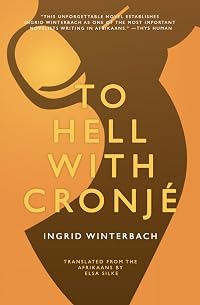
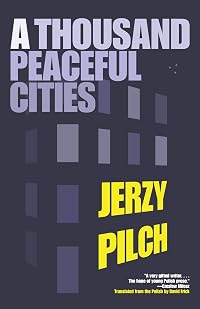





















Member Recommendations
Member Reviews
A writer with a taste for violence. Not blood, but violence. A very interesting collection from someone with a very, um, interesting sensibility. I suspect I will pick up something else at some point but he’s completely different from anyone I’ve ever read. Intriguing.
It’s not often that a story collection blindsides me. Afterall, writers, both mystery and literary, devote much time to crafting stories so readers expectations are artfully managed – we receive just enough information to make us feel smart in anticipating plot twists and character downfalls, but not so much information that we aren’t delightfully or thrillingly surprised every once in a while. Rubem Fonseca breaks all those polite rules in The Taker and other Stories. By the time you reach the end of the opening story “Night Drive” you know you’re in for a rollercoaster-in-the-dark kind of ride – no predicting what will happen next. In “Account of the Incident” – if you think you’re going to find out what happens show more to the victims of a bus crash, forget it. Instead, you watch with horror as victims are left in a ditch while the bystanders fight over the butchering of the now-dead cow that the bus has hit. And what happens with the residents of an old age home revolt for a decent meal in “The Eleventh of May?” Not pretty. Turns out when they’re not being medicated, these old guys have a lot of kick left in them: “The Director opens the door. Pharoux grabs him, Cortines gets a stranglehold on him. Pharoux pricks the Director’s face with the knife, drawing a drop of blood.” The Taker and Other Stories will stand out in my summer reading because its stories were dark and unpredictable, filled with lots of characters you don’t want to spend much time with, but feel delightfully bad because you did. show less
This set of Rubem Fonseca's short stories offer a dark and disturbing glimpse into the lives of characters on both sides of the rich-poor divide in modern Rio di Janeiro. They vary in length from two pages exemplifying the art of the short story to perfection, to thirty pages enabling more of an exploration of his thoughts on humanity.
Fonseca's outlook is bleak, and in one story in particular I found myself wondering whether the journey I was taking was really "a necessary one", as Pynchon has it on the cover quotation. But for the most part, although the tales can be violent, degrading and shocking, they are in some sense necessary. They drag the reader into his absurd world, which mirrors our own, following the characters as they show more grasp for meaning and survival. For me, the main difficulty lay in the fact that the meaning and survival the characters found was always of a fleeting nature. Is life really as grim as Fonseca would have it?
Despite the fact that I cannot claim to have enjoyed reading this collection, it is at once thought-provoking and visceral, and I find myself compelled to agree that the journey was "worthwhile", as Pynchon states. show less
Fonseca's outlook is bleak, and in one story in particular I found myself wondering whether the journey I was taking was really "a necessary one", as Pynchon has it on the cover quotation. But for the most part, although the tales can be violent, degrading and shocking, they are in some sense necessary. They drag the reader into his absurd world, which mirrors our own, following the characters as they show more grasp for meaning and survival. For me, the main difficulty lay in the fact that the meaning and survival the characters found was always of a fleeting nature. Is life really as grim as Fonseca would have it?
Despite the fact that I cannot claim to have enjoyed reading this collection, it is at once thought-provoking and visceral, and I find myself compelled to agree that the journey was "worthwhile", as Pynchon states. show less
Rubem Fonseca is the South American Cormac McCarthy, or vice versa. This collection of short stories is stark, intensely disturbing, and so well written, even in translation. From the Type A exec who runs people down to relax to the man who experiences drowning while on an examining room table, each story reaches into the dark places of the human soul. Be prepared for quite a ride when you read this collection.
I found Rubem Fonseca's book to be a challenging read. Although he writes in a style I find immensely readable - almost Chandleresque in its devotion to story above all else - the overriding tone of many of the stories here was... perhaps not depressing, but certainly rather nihilistic.
The Taker itself grips from the outset. A man visits his dentist for treatment and afterwards decides not to pay - just to take. He shoots the dentist and sets off on a mission to take whatever he wants from life, without ever giving anything in return. What starts off as an entertaining premise becomes more and more bleak as it continues - reminding me of Bret Easton Ellis's American Psycho, but without the overt satire.
Other stories are similar in tone. show more In Night Drive, a quiet family man leaves home for a drive, runs down a random pedestrian in cold blood, then returns to his family. In Betsy, a man sleeps one last night beside his dying dog. Great storytelling... but not a lot to smile about. show less
The Taker itself grips from the outset. A man visits his dentist for treatment and afterwards decides not to pay - just to take. He shoots the dentist and sets off on a mission to take whatever he wants from life, without ever giving anything in return. What starts off as an entertaining premise becomes more and more bleak as it continues - reminding me of Bret Easton Ellis's American Psycho, but without the overt satire.
Other stories are similar in tone. show more In Night Drive, a quiet family man leaves home for a drive, runs down a random pedestrian in cold blood, then returns to his family. In Betsy, a man sleeps one last night beside his dying dog. Great storytelling... but not a lot to smile about. show less
 This review was written for LibraryThing Early Reviewers.
From what little I understand about his works, Rubem Fonseca is a big deal in the literary world, especially representative of the best South American writers around today. It shows, after reading his new collection of short stories, The Taker and Other Stories. My initial impression is that his writing style is a close amalgam of Gabriel Garcia Marquez and Cormac McCarthy, though with a uniqueness that combines among his characters a flippant whimsy with an emptiness of deviousness, desperateness, opportunism and cruelty.
Make no mistake, Fonseca creates his stories around unique individuals and their circumstances, wealthy and impoverished; however, what distinguishes his stories and characters is that he is really writing about his show more native Brasil, about the desperate circumstances faced by its citizens, the corruption, their reaction to modernization, their daily sacrifices.
As if one really needed to be told, Brasil is passion. Life there is both carefree and cruel. Fonseca heaps a mixture of both in this collection of stories. He interweaves a world full of overworked and psychotic businessmen, the feasting upon rural roadkill, the camaraderie between mugger and victim, the nature of family among poor armed robbers, of murder amid good intentions, and the intense burn yet fleeting demise of love, often with fatal consequences.
Others have characterized Fonseca's stories as unsettling, with which I agree completely. Add to that the words deeply, disturbing, engrossing, stifling, existential,and human. His stories force one to think not only about Brasilian life and culture, but the state of humanity as well. They may be short stories, but they're so full of pathos. show less
Make no mistake, Fonseca creates his stories around unique individuals and their circumstances, wealthy and impoverished; however, what distinguishes his stories and characters is that he is really writing about his show more native Brasil, about the desperate circumstances faced by its citizens, the corruption, their reaction to modernization, their daily sacrifices.
As if one really needed to be told, Brasil is passion. Life there is both carefree and cruel. Fonseca heaps a mixture of both in this collection of stories. He interweaves a world full of overworked and psychotic businessmen, the feasting upon rural roadkill, the camaraderie between mugger and victim, the nature of family among poor armed robbers, of murder amid good intentions, and the intense burn yet fleeting demise of love, often with fatal consequences.
Others have characterized Fonseca's stories as unsettling, with which I agree completely. Add to that the words deeply, disturbing, engrossing, stifling, existential,and human. His stories force one to think not only about Brasilian life and culture, but the state of humanity as well. They may be short stories, but they're so full of pathos. show less
The Taker and Other Stories, by Brazilian author Rubem Fonseca, is a collection of short stories examining death in all its forms: murder, suicide, road kill (animal and human), medical emergencies, sickness, and old age. One protagonist laments, “Man is a solitary animal, an unhappy animal, and only death can fix us.” This thought echoes throughout this collection. Fonseca approaches his morbid subject with precision and without a trace of sentimentality. Even the story about the death of a beloved dog, Betsy, is told with such macabre details that it’s more likely to result in nausea than tears:
"[The dog] exhaled nine identical signs, her tongue hanging outside her mouth. Then she began to beat her stomach with her legs, as she show more would occasionally do, only more violently. Immediately afterward, she became immobile. The man ran his hand lightly over Betsy’s body. She stretched and extended her limbs for the last time. She was dead. Now, the man knew, she was dead."
Many of these stories feature first-person narrators that describe their brutal actions with a nonchalance that heightens the horror. In Night Drive, a businessman unwinds after a stressful day at the office by hitting pedestrians with his car: “She only realized I was going for her when she heard the sound of the tires hitting the curb. I caught her above the knees, right in the middle of her legs, a bit more toward the left leg—a perfect hit.”
Fonseca crafts each story with extreme care. In The Notebook, Fonseca sprinkles clichés throughout the beginning of the story. Indeed the very premise of the story—a notebook in which the protagonist records the names of the women he has slept with—is a cliché. Just as the reader is about to dismiss the story as unoriginal, the protagonist admits his fondness for clichés (“I always have a good cliché up my sleeve”), and the dynamic changes. With Fonseca’s writing, no detail is unnecessary, and no turn of phrase is unthinking. The Taker is powerful, deeply unsettling, and uniquely live in a way that only stories about death can be.
This review also appears on my literary blog Literary License. show less
"[The dog] exhaled nine identical signs, her tongue hanging outside her mouth. Then she began to beat her stomach with her legs, as she show more would occasionally do, only more violently. Immediately afterward, she became immobile. The man ran his hand lightly over Betsy’s body. She stretched and extended her limbs for the last time. She was dead. Now, the man knew, she was dead."
Many of these stories feature first-person narrators that describe their brutal actions with a nonchalance that heightens the horror. In Night Drive, a businessman unwinds after a stressful day at the office by hitting pedestrians with his car: “She only realized I was going for her when she heard the sound of the tires hitting the curb. I caught her above the knees, right in the middle of her legs, a bit more toward the left leg—a perfect hit.”
Fonseca crafts each story with extreme care. In The Notebook, Fonseca sprinkles clichés throughout the beginning of the story. Indeed the very premise of the story—a notebook in which the protagonist records the names of the women he has slept with—is a cliché. Just as the reader is about to dismiss the story as unoriginal, the protagonist admits his fondness for clichés (“I always have a good cliché up my sleeve”), and the dynamic changes. With Fonseca’s writing, no detail is unnecessary, and no turn of phrase is unthinking. The Taker is powerful, deeply unsettling, and uniquely live in a way that only stories about death can be.
This review also appears on my literary blog Literary License. show less
Members
- Recently Added By
Author Information

60+ Works 2,139 Members
Some Editions
Awards and Honors
Awards
Series
Belongs to Publisher Series
La intrusa (3)
Libro amigo [Bruguera] (1073)
Common Knowledge
- Canonical title
- The Taker And Other Stories
- Original title
- O cobrador
- Original publication date
- 1979
- First words*
- Hay personas que no se entregan a la pasión, personas cuya apatía las lleva a elegir una vida de rutina en la que vegetan como "abacaxis en un invernadero de piñas tropicales", como decía mi padre.
- Original language*
- Portugués
*Some information comes from Common Knowledge in other languages. Click "Edit" for more information.
Classifications
- Genres
- Fiction and Literature, General Fiction
- DDC/MDS
- 813 — Literature & rhetoric American literature in English American fiction in English
- LCC
- PQ9698.16 .O46 .T35 — Language and Literature French, Italian, Spanish and Portuguese literatures Portuguese literature Provincial, local, colonial, etc. Brazil
- BISAC
Statistics
- Members
- 184
- Popularity
- 178,362
- Reviews
- 16
- Rating
- (3.74)
- Languages
- Catalan, English, Portuguese (Portugal), Spanish
- Media
- Paper
- ISBNs
- 11
- ASINs
- 1