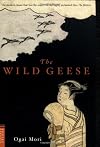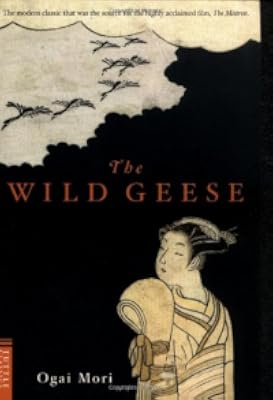
The Wild Geese
by Ōgai Mori
On This Page
Description
Mori Ogai (1862-1922), one of the giants of modern Japanese literature, wrote The Wild Goose at the turn of the century. Set in the early 1880s, it was, for contemporary readers, a nostalgic return to a time when the nation was embarking on an era of dramatic change. Ogai's narrator is a middle-aged man reminiscing about an unconsummated affair, dating to his student days, between his classmate and a young woman kept by a moneylender. At a time when writers tended to depict modern, alienated show more male intellectuals, the characters of The Wild Goose are diverse, including not only students preparing for a privileged intellectual life and members of the plebeian classes who provide services to them, but also a pair of highly developed female characters. The author's sympathetic and penetrating portrayal of the dilemmas and frustrations faced by women in this early period of Japan's modernization makes the story of particular interest to readers today. Ogai was not only a prolific and popular writer, but also a protean figure in early modern Japan: critic, translator, physician, military officer, and eventually Japan's Surgeon General. His rigorous and broad education included the Chinese classics as well as Dutch and German; he gained admittance to the Medical School of Tokyo Imperial University at the age of only fifteen. Once established as a military physician, he was sent to Germany for four years to study aspects of European medicine still unfamiliar to the Japanese. Upon his return, he produced his first works of fiction and translations of English and European literature. Ogai's writing is extolled for its unparalleled style and psychological insight, nowhere better demonstrated than in The Wild Goose. show lessTags
Recommendations

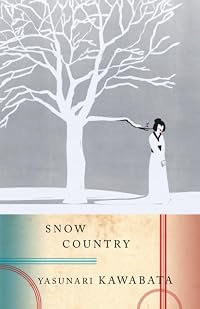
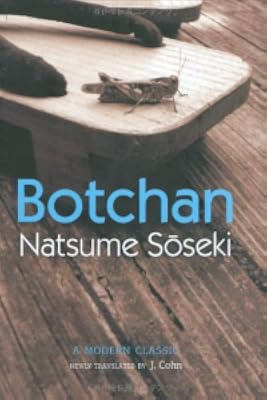
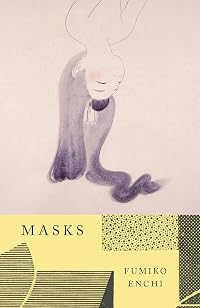
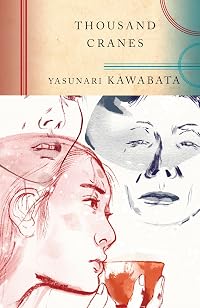
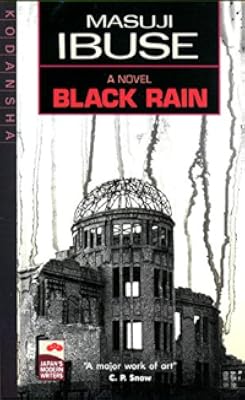
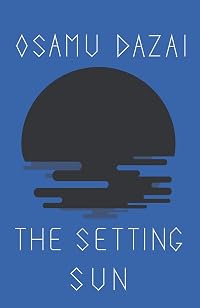

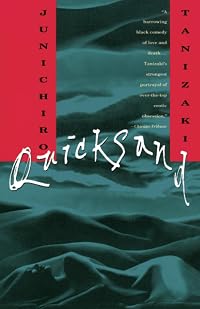
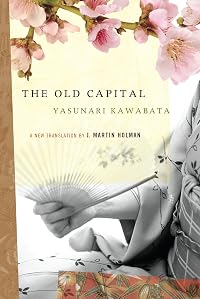





Member Recommendations
Member Reviews
The events of my story took place some time ago—in 1880, the thirteenth year of the Meiji era, to be exact.
At the start of this short novel, the narrator described his friendship with a handsome student named Okada. Okada often walked the streets of Muenzaka in the evening and one time he happened upon a beautiful young woman living in a house in a silent neighborhood. Through his regular walks he had become acquainted with her, even if "the appearance of the house and the way the woman dressed strongly suggested that she was someone's mistress."
The Wild Goose, also known as The Wild Geese, by Mori Ōgai (1862-1922) was a dazzling and iconic Japanese novel about Otama, the woman who agreed to become the mistress of Suezō, a shrewd show more moneylender, and her acquaintance with Okada, the young student she fell in love with. Through gentle prose, Ōgai presented their interlinked stories while illuminating the attitudes and mores of late nineteenth century Japan, at the cusp of its transition to a modernist society.
It was a time when men of means like Suezō could hire go-betweens to negotiate and procure for them a mistress. The practice was then taboo and mistresses were then, as now, strongly discriminated against. Otama's previous marriage to a policeman turned out to be a sham, leaving her completely discouraged about her future prospects. Her plight was to be poor and her acquiescence to become a rich man's mistress was driven by her need to secure material comforts for herself and her old father.
Part of the charm of the story was the narrator's close observations of Otama, Suezō, and Okada's motives and actions. Like the character of Suezō, the man despised by society for his occupation as moneylender, the narrator had "keen powers of observation", in the way he delineated not only three strong characters but believable secondary characters as well. Suezō's suspicious wife Otsune and Otama's father had their own complexities.
Ōgai's marked evocation of a distinct place and culture and the marginal status of women at the time revealed a "not-quite" vanished age, in the sense that his characters' desires, despair, and anguish were just as transparent as the present. In addition, Ōgai's use of animal symbols (a pair of caged birds, a fierce snake, a flock of geese) and references to classical Chinese and Japanese literature had such cunning and grace that they didn't feel like literary devices at all but the very essence of the story, like fire to the brazier.
In her mortification there was very little hatred for the world or for people. If one were to ask exactly what in fact she resented, one would have to answer that it was her own fate. Through no fault of her own she was made to suffer persecution, and this was what she found so painful. When she was deceived and abandoned by the police officer, she had felt this mortification, and recently, when she realized that she must become a mistress, she experienced it again. Now she learned that she was not only a mistress but the mistress of a despised moneylender, and her despair, which had been ground smooth between the teeth of time and washed of its color in the waters of resignation, assumed once more in her heart its stark outline.
The unnamed narrator was a voice of kindness. His large sympathy for the fates of Otama and his friend Okada was unmistakable, relating their stories with penetrating understanding, even affecting a degree of respect and love for the two characters. He later revealed his storytelling method as a play on two perspectives: "Just as two images combine in a stereoscope to form a single picture, so the events I observed earlier and those that were described to me later have been fitted together to make this story of mine."
February marked the 150th year of Ōgai's birth. He was one of the exemplary prewar Japanese writers of national stature, and The Wild Goose (Gan), published serially in 1911-13, was his most esteemed work. Translator Burton Watson mentioned in his thorough introduction that the original title Gan could mean both the singular and plural words, hence the two distinct English titles. I have also read the earlier 1959 translation, The Wild Geese, by Kingo Ochiai and Sanford Goldstein. This full translation by Watson contains endorsements from Edwin McClellan and Edward Seidensticker, two powerhouse Japanese translators, so that should count for something. Indeed this version was quite beautiful. show less
At the start of this short novel, the narrator described his friendship with a handsome student named Okada. Okada often walked the streets of Muenzaka in the evening and one time he happened upon a beautiful young woman living in a house in a silent neighborhood. Through his regular walks he had become acquainted with her, even if "the appearance of the house and the way the woman dressed strongly suggested that she was someone's mistress."
The Wild Goose, also known as The Wild Geese, by Mori Ōgai (1862-1922) was a dazzling and iconic Japanese novel about Otama, the woman who agreed to become the mistress of Suezō, a shrewd show more moneylender, and her acquaintance with Okada, the young student she fell in love with. Through gentle prose, Ōgai presented their interlinked stories while illuminating the attitudes and mores of late nineteenth century Japan, at the cusp of its transition to a modernist society.
It was a time when men of means like Suezō could hire go-betweens to negotiate and procure for them a mistress. The practice was then taboo and mistresses were then, as now, strongly discriminated against. Otama's previous marriage to a policeman turned out to be a sham, leaving her completely discouraged about her future prospects. Her plight was to be poor and her acquiescence to become a rich man's mistress was driven by her need to secure material comforts for herself and her old father.
Part of the charm of the story was the narrator's close observations of Otama, Suezō, and Okada's motives and actions. Like the character of Suezō, the man despised by society for his occupation as moneylender, the narrator had "keen powers of observation", in the way he delineated not only three strong characters but believable secondary characters as well. Suezō's suspicious wife Otsune and Otama's father had their own complexities.
Ōgai's marked evocation of a distinct place and culture and the marginal status of women at the time revealed a "not-quite" vanished age, in the sense that his characters' desires, despair, and anguish were just as transparent as the present. In addition, Ōgai's use of animal symbols (a pair of caged birds, a fierce snake, a flock of geese) and references to classical Chinese and Japanese literature had such cunning and grace that they didn't feel like literary devices at all but the very essence of the story, like fire to the brazier.
In her mortification there was very little hatred for the world or for people. If one were to ask exactly what in fact she resented, one would have to answer that it was her own fate. Through no fault of her own she was made to suffer persecution, and this was what she found so painful. When she was deceived and abandoned by the police officer, she had felt this mortification, and recently, when she realized that she must become a mistress, she experienced it again. Now she learned that she was not only a mistress but the mistress of a despised moneylender, and her despair, which had been ground smooth between the teeth of time and washed of its color in the waters of resignation, assumed once more in her heart its stark outline.
The unnamed narrator was a voice of kindness. His large sympathy for the fates of Otama and his friend Okada was unmistakable, relating their stories with penetrating understanding, even affecting a degree of respect and love for the two characters. He later revealed his storytelling method as a play on two perspectives: "Just as two images combine in a stereoscope to form a single picture, so the events I observed earlier and those that were described to me later have been fitted together to make this story of mine."
February marked the 150th year of Ōgai's birth. He was one of the exemplary prewar Japanese writers of national stature, and The Wild Goose (Gan), published serially in 1911-13, was his most esteemed work. Translator Burton Watson mentioned in his thorough introduction that the original title Gan could mean both the singular and plural words, hence the two distinct English titles. I have also read the earlier 1959 translation, The Wild Geese, by Kingo Ochiai and Sanford Goldstein. This full translation by Watson contains endorsements from Edwin McClellan and Edward Seidensticker, two powerhouse Japanese translators, so that should count for something. Indeed this version was quite beautiful. show less
Such a simple story, of two ships passing in the night, the closeness of whose encounter only we can see with the help of our lighthouse narrator. That the events had to have happened the way they did, felt not contrived but perfectly natural. That both sides would romanticise each other so, added to melancholy of the missed opportunity whilst also portended what a catastrophe it would have been. I think this may have been the perfect short story.
A modern classic, written in 1913 (but set in the 1880s). Very Japanese in that the story is more in what is omitted than in what is told. Indeed, not much ever "happens,” although there is a clear narrative arc and a beginning and a middle. (An end, not so much.) The unnamed middle-aged narrator is reminiscing about a classmate’s “affair” with a local moneylender’s mistress. And precisely because such a bald statement omits so much, this is worth your time. It’s about the mistress, about the classmate, and Japan’s arrival on the world stage, and about nostalgia for a simpler time--among other things.
Ōgai is often mentioned as one of the pre-eminent Meiji authors alongside Natsume Sōseki. If that's truly the case then The Wild Geese doesn't do him justice as it's not a patch on Sōseki's best.
Perhaps a lot of this is down to the translation, which isn't the best. For instance, at one point we're told that Otama's father felt that losing his daughter to a scary looking policeman was, "like having her carried off by a monster with a long nose and a red face." That's a very awkward sentence and to anyone in the know (admittedly far from everybody) that quote obviously describes a Tengu. Why the translators didn't just romanise the Japanese word or pick an appropriate substitute like "demon" instead of giving a literal description of show more a Tengu, I don't know. It seems awfully clumsy and I can't believe that's how it was written originally in the Japanese. There are other minor issues with the translation - such as the way honorifics are denoted - that do grate; but perhaps this is only noticeable to someone more familiar with Japanese culture. Regardless, it would be nice to see a decent translation one day (I know the translation Tuttle use for Botchan is another awful disservice).
The story itself is fine but feels rather lightweight. Little takes place in the novel, which is fine, but it all feels so inconsequential in a way that the minor events of, say, Sōseki's Sanshirō don't. The characters and story take a while to get going and then it ends quite suddenly. The lack of neat resolution may be part of the point but it all feels rather abrupt.
It all left me wondering why Ōgai is thought of in such high regard. Given that few of his works are easily available in translation one would expect what is available to be among his best work; either this translation is very poor or that's simply not the case. show less
Perhaps a lot of this is down to the translation, which isn't the best. For instance, at one point we're told that Otama's father felt that losing his daughter to a scary looking policeman was, "like having her carried off by a monster with a long nose and a red face." That's a very awkward sentence and to anyone in the know (admittedly far from everybody) that quote obviously describes a Tengu. Why the translators didn't just romanise the Japanese word or pick an appropriate substitute like "demon" instead of giving a literal description of show more a Tengu, I don't know. It seems awfully clumsy and I can't believe that's how it was written originally in the Japanese. There are other minor issues with the translation - such as the way honorifics are denoted - that do grate; but perhaps this is only noticeable to someone more familiar with Japanese culture. Regardless, it would be nice to see a decent translation one day (I know the translation Tuttle use for Botchan is another awful disservice).
The story itself is fine but feels rather lightweight. Little takes place in the novel, which is fine, but it all feels so inconsequential in a way that the minor events of, say, Sōseki's Sanshirō don't. The characters and story take a while to get going and then it ends quite suddenly. The lack of neat resolution may be part of the point but it all feels rather abrupt.
It all left me wondering why Ōgai is thought of in such high regard. Given that few of his works are easily available in translation one would expect what is available to be among his best work; either this translation is very poor or that's simply not the case. show less
Della fascinazione che intercorre tra lo studente e la donna alla finestra l'autore dice troppo poco. I protagonisti del romanzo sono l'usuraio, l'insopportabile moglie e il vecchio padre della giovane alla finestra.
Gran parte della narrazione va spesa dietro a loro e non è affatto interessante. Peccato.
Gran parte della narrazione va spesa dietro a loro e non è affatto interessante. Peccato.
But not all wild geese can fly, and in Ogai’s novel there are several that cannot. (8)
Gradually her thoughts settled. Resignation was the mental attitude she had most experienced. And in this direction her mind adjusted itself like a well-oiled machine. (47)
Whatever pain the decision might cost her, she was determined to keep her sadness to herself. And when she had made this decision, the girl, who had always depended on others, had felt for the first time her own independence. (76)
A woman may have her heart set on a particular article, yet she may not go so far as to think of buying it. Each time she passes it, she may stop and look into the window where the article, say a ring or a watch, is on display. She doesn’t go to that show more shop deliberately, but whenever she happens to be in the neighborhood on some business or other, she always makes it a point to examine it. Though she recognizes that she will never be able to buy the article, the renunciation and the desire to have it often give rise to a not too keen but rather faint and sweetly sad emotion. And she enjoys feeling it. On the other hand, a particular item she can afford and has determined to buy gives her acute pain. (92-3)
Hopeful images entered her mind. Women pitiably waver in their decisions until they have made up their minds, yet once they have decided on their course of action, they rush forward like horses with blinders, looking neither to the right nor left. (105-6)
Okada and I crossed the end of Hanazono-cho and went toward the stone steps leading to the Toshogu Shrine. For some time we walked in silence.
“Poor bird,” said Okada, as if speaking to himself.
Without any logical connection the woman of Muenzaka came into my mind. (112)
I looked back once more, but the woman was no longer in sight. (118) show less
Gradually her thoughts settled. Resignation was the mental attitude she had most experienced. And in this direction her mind adjusted itself like a well-oiled machine. (47)
Whatever pain the decision might cost her, she was determined to keep her sadness to herself. And when she had made this decision, the girl, who had always depended on others, had felt for the first time her own independence. (76)
A woman may have her heart set on a particular article, yet she may not go so far as to think of buying it. Each time she passes it, she may stop and look into the window where the article, say a ring or a watch, is on display. She doesn’t go to that show more shop deliberately, but whenever she happens to be in the neighborhood on some business or other, she always makes it a point to examine it. Though she recognizes that she will never be able to buy the article, the renunciation and the desire to have it often give rise to a not too keen but rather faint and sweetly sad emotion. And she enjoys feeling it. On the other hand, a particular item she can afford and has determined to buy gives her acute pain. (92-3)
Hopeful images entered her mind. Women pitiably waver in their decisions until they have made up their minds, yet once they have decided on their course of action, they rush forward like horses with blinders, looking neither to the right nor left. (105-6)
Okada and I crossed the end of Hanazono-cho and went toward the stone steps leading to the Toshogu Shrine. For some time we walked in silence.
“Poor bird,” said Okada, as if speaking to himself.
Without any logical connection the woman of Muenzaka came into my mind. (112)
I looked back once more, but the woman was no longer in sight. (118) show less
Ratings
Members
- Recently Added By
Lists

Japanese Literature
230 works; 40 members

Canon de la narrativa universal del s. XX (cicutadry)
499 works; 3 members
Author Information

43+ Works 814 Members
Some Editions
Awards and Honors
Notable Lists
Series
Belongs to Publisher Series
Common Knowledge
- Canonical title*
- De wilde gans
- Original title
- 雁
- Alternate titles
- Gan
- Original publication date
- 1911-1913 (serialization) (serialization)
- Important places
- Tokyo, Japan; Japan
- Original language
- Japanese
- Disambiguation notice
- Published in English under the titles The Wild Geese, The Wild Goose, and Gan.
*Some information comes from Common Knowledge in other languages. Click "Edit" for more information.
Classifications
- Genres
- Fiction and Literature, General Fiction, Historical Fiction
- DDC/MDS
- 895.6 — Literature & rhetoric Literatures of other languages Literatures of East and Southeast Asia Japanese
- LCC
- PL811 .O7 .G313 — Language and Literature Languages and literatures of Eastern Asia, Africa, Oceania Languages of Eastern Asia, Africa, Oceania Japanese language and literature Japanese literature Individual authors and works
- BISAC
Statistics
- Members
- 394
- Popularity
- 79,154
- Reviews
- 6
- Rating
- (3.70)
- Languages
- 11 — Dutch, English, Finnish, French, German, Italian, Japanese, Portuguese, Romanian, Spanish, Turkish
- Media
- Paper, Ebook
- ISBNs
- 24
- UPCs
- 1
- ASINs
- 6