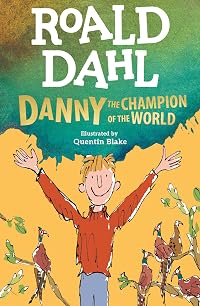
Danny the Champion of the World
by Roald Dahl
On This Page
Description
A young English boy describes his relationship with his father and the special adventure they share together.Tags
Recommendations

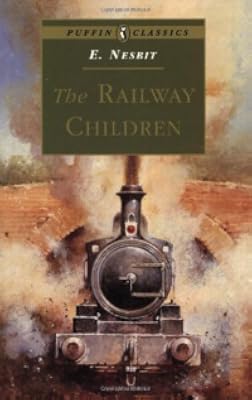
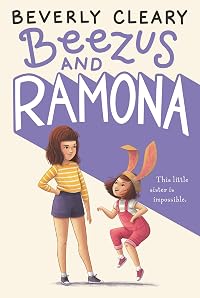
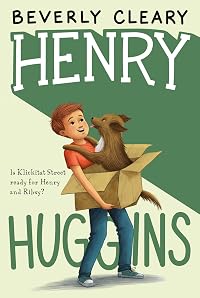
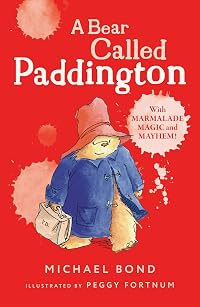

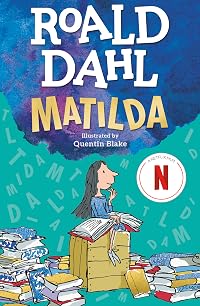
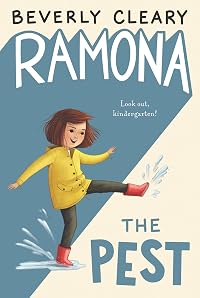
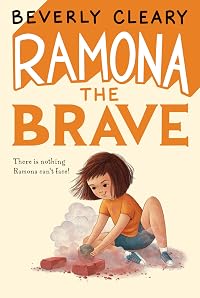
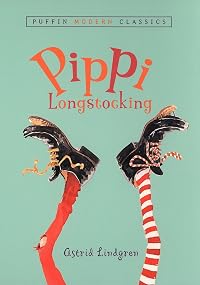


Member Recommendations

Member Reviews
One of the best things about the four-year space between my children is that I can enjoy a delightful story with both of them knowing that the younger one is going to forget it within a year or so, and I'll have a chance to enjoy it with him again before too long.
This is just the kind of delightful book I'm looking forward to revisiting.
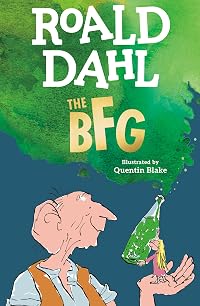
I love how some of Dahl's other stories showed up in this book. My daughter is reading The BFG with her dad, and we were tickled that this is one of the stories Danny's dad tells him.
I also loved that this gave my daughter a different view of poachers. She's an eight-year-old animal-lover and aspiring animal rights activist, and I appreciate that this book gives another perspective on why someone might show more hunt an animal illegally besides just financial gain. Dahl doesn't say poaching is good, he just presents a situation in which it's not clearly bad. I like this moral ambiguity. Poaching in this book is stealing, it's dangerous, and it's not even necessary for the characters in the story to do, but it's also a challenge (even more than legal hunting as it's practiced in the book) and something that brings people together and creates community. Of course, it's also a way to get the goat of a mean rich guy, and that's always fun, I suppose.
Danny's father is perhaps a teensy bit too perfect for my taste, but at least he flirts with doing the wrong thing (like getting into a temper and almost beating up a man). But then, this just highlights the moral ambiguity in the book. Here I'm applying the labels "right" and "wrong" to the behavior of a man who has a yen for trespassing and stealing pheasants, a man who could be called a criminal. It's not even clear to me where I draw the line between right and wrong, and it's not totally clear to the characters, either.
This along with Dahl's characteristic way of telling someone's emotions by describing their actions is why I love this book. Dahl writes a fairly simple scene, like a walk to school, and injects so much emotion and meaning into it, it becomes something so much bigger, but not in a heavy-handed way.
Like I said: delightful! show less
This is just the kind of delightful book I'm looking forward to revisiting.
I love how some of Dahl's other stories showed up in this book. My daughter is reading The BFG with her dad, and we were tickled that this is one of the stories Danny's dad tells him.
I also loved that this gave my daughter a different view of poachers. She's an eight-year-old animal-lover and aspiring animal rights activist, and I appreciate that this book gives another perspective on why someone might show more hunt an animal illegally besides just financial gain. Dahl doesn't say poaching is good, he just presents a situation in which it's not clearly bad. I like this moral ambiguity. Poaching in this book is stealing, it's dangerous, and it's not even necessary for the characters in the story to do, but it's also a challenge (even more than legal hunting as it's practiced in the book) and something that brings people together and creates community. Of course, it's also a way to get the goat of a mean rich guy, and that's always fun, I suppose.
Danny's father is perhaps a teensy bit too perfect for my taste, but at least he flirts with doing the wrong thing (like getting into a temper and almost beating up a man). But then, this just highlights the moral ambiguity in the book. Here I'm applying the labels "right" and "wrong" to the behavior of a man who has a yen for trespassing and stealing pheasants, a man who could be called a criminal. It's not even clear to me where I draw the line between right and wrong, and it's not totally clear to the characters, either.
This along with Dahl's characteristic way of telling someone's emotions by describing their actions is why I love this book. Dahl writes a fairly simple scene, like a walk to school, and injects so much emotion and meaning into it, it becomes something so much bigger, but not in a heavy-handed way.
Like I said: delightful! show less
This was a reread for me, and boy it's so weird to go back to a book like 40 years after you first read it. Much like seeing the front lawn of the house you lived in when you were 7-- and haven't seen since-- you're immediately struck with how much bigger it seemed then and how small it looks now. Such a cozy little book, much like the caravan Danny lives in and the world he inhabits. Everything is simple and straightforward. The ethics in the book are shady. The rich person is conveniently a nasty jerk which makes the police-supported criminal activity okay. Lol. And, of course, being a Dahl book there are only like three women in the book. One is dead, one is basically a prop to smuggle birds (and has to stay inside with the baby show more during the climactic part of the book), and the other is a teacher who is only referred to. I'm not complaining, really, it's just funny the things you notice as an adult. show less
This is a different kind of story from Dahl's usual fantastical fare for children. Danny and his father live in a small gypsy caravan parked near their car repair garage. Danny's mother is dead, and Danny and his father are very close. One night Danny is surprised when his father slips out and is gone all night. When he returns, Danny asks him what he was doing, and their nocturnal adventures begin. Danny's father is a poacher.
Of course the man he is poaching from is odious in every particular, but that doesn't wholly excuse the fact that poaching is stealing. Dahl takes pains to impress on the reader that everyone in their small town has ties to poaching, that it is an accepted practice, and while this helps me to enjoy the story for show more what it is, it doesn't quite eliminate the uncertain morality of the tale.
This is a wonderful book for parents and children to read together and discuss. show less
Of course the man he is poaching from is odious in every particular, but that doesn't wholly excuse the fact that poaching is stealing. Dahl takes pains to impress on the reader that everyone in their small town has ties to poaching, that it is an accepted practice, and while this helps me to enjoy the story for show more what it is, it doesn't quite eliminate the uncertain morality of the tale.
This is a wonderful book for parents and children to read together and discuss. show less
“I knew a baby once who caught his fingers in the spokes of a pram wheel,” my father said. “It cut them clean off.”
The doctor smiled.
Classic Dahl. What's really clever is how the novel is fully a third in before any characters other than Danny and his father appear on stage. You have recalled incidents but they exist in a sort of dream-like world made real.
The doctor smiled.
Classic Dahl. What's really clever is how the novel is fully a third in before any characters other than Danny and his father appear on stage. You have recalled incidents but they exist in a sort of dream-like world made real.
http://nwhyte.livejournal.com/2137993.html
This was a Dahl that I think I missed out on when I was younger; a very short story of a boy and his father, published in 1975 but surely set some decades earlier, in which the two launch a symbolic assault on the local capitalist's citadel by drugging and stealing all his pheasants. It turns out that the entire of the local community - doctor, vicar, policeman, midwife - are all in on the poaching scam, so Danny appears to be involved with a community uprising against the local autocrat.
But in fact this political interpretation may not be right: Mr Hazell's big crime is not being rich per se, but trying to impress people with his wealth; the worst things said of him involve him being rude to show more the villagers and trying to buy respect from other rich people. Hazell's flaws are his ego and lack of sincerity; Danny's father is completely genuine. So what at first seems an adventure story of a boy and a slightly older boy (his father) having a romp in the woods, and at second glance might be a political parable, is actually a moral tale of being true to yourself. show less
This was a Dahl that I think I missed out on when I was younger; a very short story of a boy and his father, published in 1975 but surely set some decades earlier, in which the two launch a symbolic assault on the local capitalist's citadel by drugging and stealing all his pheasants. It turns out that the entire of the local community - doctor, vicar, policeman, midwife - are all in on the poaching scam, so Danny appears to be involved with a community uprising against the local autocrat.
But in fact this political interpretation may not be right: Mr Hazell's big crime is not being rich per se, but trying to impress people with his wealth; the worst things said of him involve him being rude to show more the villagers and trying to buy respect from other rich people. Hazell's flaws are his ego and lack of sincerity; Danny's father is completely genuine. So what at first seems an adventure story of a boy and a slightly older boy (his father) having a romp in the woods, and at second glance might be a political parable, is actually a moral tale of being true to yourself. show less
Eight year-old Danny and his widower father have lived in a caravan behind their auto repair and filling station for Danny's whole life. His father is kind and attentive, always happy to teach Danny a new skill, and Danny loves being with his dad. But their village has a wealthy man who demeans Danny and his father, so Dad needs revenge. He and Danny make a plan to ruin the annual pheasant shoot, taking the rich man's birds for themselves and humiliating him in the process.
I expected a whimsical Dahl story, but this isn't like other Dahls. There's a villain who needs to be taught a lesson, but otherwise, this is the most realistic story I've read from Dahl. Danny and his father have a good relationship, though Dad doesn't have the best show more judgement, such as holding five year-old Danny out of school until he's seven. But the main plot point of this book, which is longer than the average Dahl, is that of poaching pheasants. Danny's dad adores poaching and once the topic is introduced, he explains how it's done and how he does it, and then Danny gets involved, SPOILER* by suggesting that they drug the flock of pheasants. His dad thinks it's a great idea. I'll have to put this plot down to a different time and place, because the idea of getting even with a human by wiping out a flock of a hundred birds is bizarre. I would have given this a lower rating if not for the good relationship of Danny and his dad. Didn't hate it, but certainly not my favorite. show less
I expected a whimsical Dahl story, but this isn't like other Dahls. There's a villain who needs to be taught a lesson, but otherwise, this is the most realistic story I've read from Dahl. Danny and his father have a good relationship, though Dad doesn't have the best show more judgement, such as holding five year-old Danny out of school until he's seven. But the main plot point of this book, which is longer than the average Dahl, is that of poaching pheasants. Danny's dad adores poaching and once the topic is introduced, he explains how it's done and how he does it, and then Danny gets involved, SPOILER* by suggesting that they drug the flock of pheasants. His dad thinks it's a great idea. I'll have to put this plot down to a different time and place, because the idea of getting even with a human by wiping out a flock of a hundred birds is bizarre. I would have given this a lower rating if not for the good relationship of Danny and his dad. Didn't hate it, but certainly not my favorite. show less
I am really conflicted about this book. On the one hand it is fun, and funny and shows a sweet parent- child relationship. However, it spends quite a bit of time with Danny and his dad talking about and actually doing poaching. This is not seen as a bad thing and there are no negative consequences for their actions. So I am left uncertain how to feel about the story or whether I should let my kids read it or not.
Members
- Recently Added By
Lists

Favorite Childhood Books
1,651 works; 519 members

Favourite Roald Dahl
22 works; 18 members

BBC Big Read
191 works; 46 members

Best middle grade books
130 works; 24 members

27 Books Parents Should Read to Their Kids Before They Grow Up
27 works; 7 members

Read the book and saw the movie
1,170 works; 195 members

Childhood Favourites
9 works; 1 member

Puffin Books 70th anniversary handbook recommendations
537 works; 10 members

Satori Smiles Children's Book List
262 works; 7 members

Sonlight Books
1,487 works; 25 members

Books Read in 2016
4,666 works; 199 members
NPRs Ultimate Backseat Bookshelf: 100 Must-Reads for kids 9-14
222 works; 30 members

My Favourite Books
86 works; 5 members

Boy/girl trees/nature/water etc cover--children's/YA fiction
316 works; 5 members

Books Read in 2024
4,712 works; 127 members

AR Level 4 in cloudLibrary
244 works; 1 member

Books We Loved As Children
603 works; 252 members

ClubLeabhar: Leabhar na Míosa
121 works; 1 member

Favourite Books
1,819 works; 316 members

EGBERTINA'S List of childhood books worthy of merit or unspeakable delight
155 works; 6 members

Favorite Kids Books (chapter, middle grade)
170 works; 4 members

HMS: Make Your Child a Lover of Books, Ages 9 & up
111 works; 2 members
Author Information

691+ Works 272,095 Members
Roald (pronounced "Roo-aal") was born in Llandaff, South Wales. He had a relatively uneventful childhood and was educated at Repton School. During World War II he served as a fighter pilot and for a time was stationed in Washington, D.C.. Prompted by an interviewer, he turned an account of one of his war experiences into a short story that was show more accepted by the Saturday Evening Post, which were eventually collected in Over to You (1946). Dahl's stories are often described as horror tales or fantasies, but neither description does them justice. He has the ability to treat the horrible and ghastly with a light touch, sometimes even with a humorous one. His tales never become merely shocking or gruesome. His purpose is not to shock but to entertain, and much of the entertainment comes from the unusual twists in his plots, rather than from grizzly details. Dahl has also become famous as a writer of children's stories. In some circles, these works have cased great controversy. Critics have charged that Dahl's work is anti-Semitic and degrades women. Nevertheless, his work continues to be read: Charlie and Chocolate Factory (1964) was made into a successful movie, The BFG was made into a movie in July 2017, and his books of rhymes for children continue to be very popular. (Bowker Author Biography) show less
Some Editions
Awards and Honors
Awards
Work Relationships
Is contained in
Roald Dahl 10 Book Pack (Esio Trot, George's Marvelous Medicine, The Twits, The Witches, The Giraffe the Pelly and Me, Going Solo, Matilda, Danny the Champion of the World, Charlie and the Chocolate Factory, James and the Giant Peach) by Roald Dahl
Roald Dahl 5-Book HC Box Set - Charlie/Chocolate Factory, Charlie/Great Glass Elevator, Danny Champion of the World, James/Giant Peach, Fantastic Mr. Fox by Roald Dahl
Roald Dahl's Charlie and the Chocolate Factory PLUS Three More All-Time Favorites (Boxed Set) by Roald Dahl
The Puffin Roald Dahl Collection Volume 2: "James and the Giant Peach", "Charlie and the Chocolate Factory", "Charlie and the Great Glass Elevator" and "Danny the Champion of the World" by Roald Dahl
Has the adaptation
Has as a student's study guide
Has as a teacher's guide
Common Knowledge
- Canonical title
- Danny the Champion of the World
- Original title
- Danny the Champion of the World
- Original publication date
- 1975
- People/Characters
- Danny; Dad (William); Victor Hazell; Doc Spencer; Sergeant Samways; Grace Clipstone (show all 7); The BFG
- Important places
- England, UK
- Related movies
- Roald Dahl's Danny the Champion of the World (1989 | IMDb)
- Dedication
- This book is for the whole family
Pat
Tessa
Theo
Ophelia
Lucy - First words
- When I was four months old, my mother died suddenly and my father was left to look after me all by himself.
- Last words
- (Click to show. Warning: May contain spoilers.)What I have been trying so hard to tell you all along is simply that my father, without the slightest doubt, was the most marvelous and exciting father any boy ever had.
- Original language
- English
Classifications
Statistics
- Members
- 9,331
- Popularity
- 1,129
- Reviews
- 93
- Rating
- (4.01)
- Languages
- 28 — Catalan, Czech, Dutch, English, Estonian, Finnish, French, German, Galician, Greek, Hebrew, Hungarian, Icelandic, Indonesian, Italian, Korean, Norwegian (Bokmål), Norwegian, Polish, Portuguese, Russian, Serbian, Slovak, Spanish, Swedish, Thai, Turkish, Welsh
- Media
- Paper, Audiobook, Ebook
- ISBNs
- 184
- UPCs
- 1
- ASINs
- 40