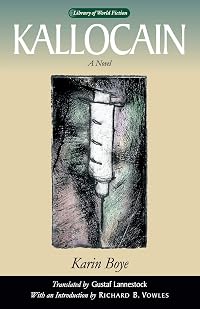
Kallocain
by Karin Boye
On This Page
Description
A pioneering work of dystopian fiction from one of Sweden's most acclaimed writers Written midway between Brave New World and Nineteen Eighty-Four, as the terrible events of the Second World War were unfolding, Kallocain depicts a totalitarian 'World State' which seeks to crush the individual entirely. In this desolate, paranoid landscape of 'police eyes' and 'police ears', the obedient citizen and middle-ranking scientist Leo Kall discovers a drug that will force anyone who takes it to tell show more the truth. But can private thought really be obliterated? Karin Boye's chilling novel of creeping alienation shows the dangers of acquiescence and the power of resistance, no matter how futile. Translated with an introduction by David McDuff show lessTags
Recommendations
















Member Recommendations
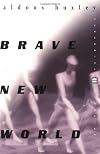
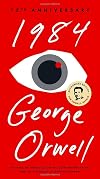
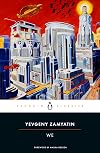

Member Reviews
I’m not a big fan of dystopian fiction, mostly because it all seems so obvious. Oh noes, things are bad, this is what they will look like if they carry on in the same vein… Which , of course, they rarely do. And there’s no real evidence dystopian fiction helps prevent what it describes - if anything, it’s the reverse, as pointed out by the oft-repeated meme about a Torment Nexus…
Of course, dystopia is in the eye of the beholder - or rather, the politics of one era define that era’s dystopia but may not hold true a decade or a generation later. (On a side-note, I find dystopias where the citizens have been programmed - chemically, technologically, or neuro-surgically - to be happy with their lot fascinating; Alastair Reynolds show more describes one such in one of his Glitter Band novels, John Varley has written something similar.)
Boye, a Swede who lived in Nazi Germany, wrote Kallocain in 1940, and it was very much a response to her experiences living there. In the world of Kallocain, there is a World State. But it has enemies. And a border. Which means it’s not a world state. But that’s just a name. Leo Kall is a chemist in a Chemistry City (which sounds very Soviet). He discovers a new truth serum, which he names after himself and for which the book is named. It allows the authorities to interrogate people while they are only thinking about crimes - pre-crime, as Philip Dick has it.
Kall uses his discovery to better his situation, and to destroy his superior, who he believes (wrongly) is having an affair with his wife. What follows is pretty much inevitable. There are hints the leaders live lives of luxury and freedom, which reads as a direct dig at the Nazi leadership. The general air of paranoia and deprivation echo both the USSR and the final years of the Nazi regime.
If you’ve read Orwell’s Nineteen Eighty-four or Zamyatin’s We, there’s little here that’s different, although Kallocain is less brutal than the former and less science-fictional than the latter. It should by rights be held in as high regard as those two novels, but it wasn’t translated into English until 1966 and, of course, its author is female. A good historical dystopian novel that stands alongside better-known examples. show less
Of course, dystopia is in the eye of the beholder - or rather, the politics of one era define that era’s dystopia but may not hold true a decade or a generation later. (On a side-note, I find dystopias where the citizens have been programmed - chemically, technologically, or neuro-surgically - to be happy with their lot fascinating; Alastair Reynolds show more describes one such in one of his Glitter Band novels, John Varley has written something similar.)
Boye, a Swede who lived in Nazi Germany, wrote Kallocain in 1940, and it was very much a response to her experiences living there. In the world of Kallocain, there is a World State. But it has enemies. And a border. Which means it’s not a world state. But that’s just a name. Leo Kall is a chemist in a Chemistry City (which sounds very Soviet). He discovers a new truth serum, which he names after himself and for which the book is named. It allows the authorities to interrogate people while they are only thinking about crimes - pre-crime, as Philip Dick has it.
Kall uses his discovery to better his situation, and to destroy his superior, who he believes (wrongly) is having an affair with his wife. What follows is pretty much inevitable. There are hints the leaders live lives of luxury and freedom, which reads as a direct dig at the Nazi leadership. The general air of paranoia and deprivation echo both the USSR and the final years of the Nazi regime.
If you’ve read Orwell’s Nineteen Eighty-four or Zamyatin’s We, there’s little here that’s different, although Kallocain is less brutal than the former and less science-fictional than the latter. It should by rights be held in as high regard as those two novels, but it wasn’t translated into English until 1966 and, of course, its author is female. A good historical dystopian novel that stands alongside better-known examples. show less
Political dystopias found their form in the first half of the 20th century, with books like Zamyatin's We, Huxley's Brave New World and Orwell's Nineteen Eighty-Four as the big three. Karin Boye's Kallocain (1940) deserves to be mentioned in the same context. It's certainly at least as good, and its central message - that fear, hatred and paranoia demands a conscious effort, which cannot be sustained forever - certainly more hopeful, as bleak as the novel and its author's untimely end is.
The setting will be familiar to anyone who's read either of the others; a totalitarian state (officially named The World State, even though there are hints that there are other states and occasional wars), "sometime in the 21st century", where the show more government controls everything. Children are raised by the state and separated from their parents for good when they hit puberty, every aspect of life is rationalised, standardised and specialised with no free will at all, everyone is taught that they exist solely to serve the state, and it goes without saying that the police have spy cameras and microphones everywhere.
Except in people's minds, obviously.
That is, until the chemist Leo Kall stumbles across a new chemical compound, which he names after himself and which proves to be a perfect truth serum. Kallocain works a little like alcohol, he speculates (alcohol, of course, was banned several generations ago); rather than force people to tell the truth, it simply makes them want to stop lying. Shoot them up and they relax, smile and tell you everything that they've been trying to keep hidden. Perfect for convicting criminals, he thinks - except pretty soon it becomes obvious that it can do so much more. Suddenly the state can prosecute people for their thoughts, and Kall is expected to help - but what if it turns out that the worst threat to a totalitarian government isn't a few isolated pockets of convinced political dissidents, but simply people being people, telling stories and listening to music you can't even march to? And what does it mean for his own marriage to a wife he can't help but suspect of being disloyal to him (in itself of course a crime, since they're both supposed to be loyal only to the state)? What is this word "soul" he keeps hearing the suspects mention, which doesn't seem to serve any purpose at all...?
Kallocain clearly owes a lot to Huxley (it predates Orwell's book by several years), but in a way, it's a very different animal. Boye was first and foremost a poet and that sensibility shows in her SF writing even though the narrator Kall is a pretty cold fish at first. She largely stays away from the big political questions; they're there, definitely, and we find out enough about the world Kall lives in to understand it, but the focus is still on personal politics; about what living under constant pressure to be quiet, lie and serve others does to people. It's tempting, of course, to read it not only in a 1940s context - trapped in a world of totalitarian thinking that created both Stalin and Hitler and the people fighting them, and the big war just starting to gather steam - but also in relation to Boye's personal life; as a lesbian, she faced a very real risk of getting thrown in jail simply for existing, and it's quite likely that that pressure led to her suicide a year after Kallocain came out. But even so, 70 years later, there's something in Kallocain that manages to make it positively uplifting. Because what the smiles on the faces of the victims say as they incriminate themselves is "this is not us. We are human beings, we are fucked up and not always good, but as long as it takes a conscious effort to suppress ourselves, we can never be automatons in the long run."
ETA 160625: Det finns en strålande anpassning för radioteater från 1966 på Sveriges Radios sida. Gunnar Björnstrand! Erland Josephson! show less
The setting will be familiar to anyone who's read either of the others; a totalitarian state (officially named The World State, even though there are hints that there are other states and occasional wars), "sometime in the 21st century", where the show more government controls everything. Children are raised by the state and separated from their parents for good when they hit puberty, every aspect of life is rationalised, standardised and specialised with no free will at all, everyone is taught that they exist solely to serve the state, and it goes without saying that the police have spy cameras and microphones everywhere.
Except in people's minds, obviously.
That is, until the chemist Leo Kall stumbles across a new chemical compound, which he names after himself and which proves to be a perfect truth serum. Kallocain works a little like alcohol, he speculates (alcohol, of course, was banned several generations ago); rather than force people to tell the truth, it simply makes them want to stop lying. Shoot them up and they relax, smile and tell you everything that they've been trying to keep hidden. Perfect for convicting criminals, he thinks - except pretty soon it becomes obvious that it can do so much more. Suddenly the state can prosecute people for their thoughts, and Kall is expected to help - but what if it turns out that the worst threat to a totalitarian government isn't a few isolated pockets of convinced political dissidents, but simply people being people, telling stories and listening to music you can't even march to? And what does it mean for his own marriage to a wife he can't help but suspect of being disloyal to him (in itself of course a crime, since they're both supposed to be loyal only to the state)? What is this word "soul" he keeps hearing the suspects mention, which doesn't seem to serve any purpose at all...?
Kallocain clearly owes a lot to Huxley (it predates Orwell's book by several years), but in a way, it's a very different animal. Boye was first and foremost a poet and that sensibility shows in her SF writing even though the narrator Kall is a pretty cold fish at first. She largely stays away from the big political questions; they're there, definitely, and we find out enough about the world Kall lives in to understand it, but the focus is still on personal politics; about what living under constant pressure to be quiet, lie and serve others does to people. It's tempting, of course, to read it not only in a 1940s context - trapped in a world of totalitarian thinking that created both Stalin and Hitler and the people fighting them, and the big war just starting to gather steam - but also in relation to Boye's personal life; as a lesbian, she faced a very real risk of getting thrown in jail simply for existing, and it's quite likely that that pressure led to her suicide a year after Kallocain came out. But even so, 70 years later, there's something in Kallocain that manages to make it positively uplifting. Because what the smiles on the faces of the victims say as they incriminate themselves is "this is not us. We are human beings, we are fucked up and not always good, but as long as it takes a conscious effort to suppress ourselves, we can never be automatons in the long run."
ETA 160625: Det finns en strålande anpassning för radioteater från 1966 på Sveriges Radios sida. Gunnar Björnstrand! Erland Josephson! show less
I wouldn't call it "hilarious",* for sure, but I definitely agree that Karin Boye has done us a great service in writing this book. Reminiscent of 1984 and also of Yvgeny Zamyatin's WE, KALLOCAIN is actually more frightening than either of those. The mind of the "collaborator," the willing citizen of a totalitarian state, is laid bare; his rationales and fears are thus universalized, and one sees the tyrant in all of us ...
* This review was responding in part to another review on Amazon.com, titled, "Hilarious futuristic vision."
* This review was responding in part to another review on Amazon.com, titled, "Hilarious futuristic vision."
Leo Kall är en kemist i Kemistaden 4 som arbetar för att förbättra effektiveten när det gäller att hitta och sålla ut Världstatens illojala eller fientliga invånare. Han har skapat en sanningsdrog som tvingar personen att säga precis som det är; utan några lögner eller hemligheter.
Men samtidigt som framgångarna är stora när det gäller sanningsdrogen börjar Leo Kall sakta men säkert inse att det är många som har önskningar och begär bortom Världstatens hårda, känslolösa styre – och snart finner han sig själv i en kamp mellan vad huvud anser vara rätt och vad hjärtat vill.
Kallocain är ett bra exempel på den sorts berättelse jag direkt tänker på när jag hör ordet 'dystopi'. Den liknar 1984 på show more många sätt – vilket faller mig precis i smaken. Det är en bok där Världstaten härskar. Det talas om platser bortom Världstaten; men de är bara myter, ungefär som när vi berättar om Atlantis och Eldorado för våra barn.
Man förväntas att endast föröka sig för statens bästa; men att knyta sig an sina barn på riktigt är inte ens att tänka på. Sådana känslor är ingen nytta för staten och därför bör de inte finnas. Alla existerar för staten. Men trots det så finns det något i de flesta hjärtan som vill ha mer, som har svårt att inte älska, som drömmer sig bort till värld där staten existerar för invånarna.
Det är en vacker men delvis lite långtråkig bok då den inte håller så mycket action; utan det handlar mer om att tänka till och fundera. Däremot så känns det som det saknas något; jag saknar anknytningar till dagens samhälle, vilket gör det svårt att tänka över budskapet i boken mer än flyktigt. I Fahrenheit 451 handlar det om teknologi och i 1984 är övervakning och fullständig kontroll i centrum. Men jag tycker att det är svårt att riktigt förstå Kallocains centrala problem. Möjligtvis en berättelse om att oavsett miljö så är vi mänskliga – och att vara mänsklig är att ha känslor för både saker och andra människor. Det var åtminstone ett ämne jag tänkte på mycket under min läsning. show less
Men samtidigt som framgångarna är stora när det gäller sanningsdrogen börjar Leo Kall sakta men säkert inse att det är många som har önskningar och begär bortom Världstatens hårda, känslolösa styre – och snart finner han sig själv i en kamp mellan vad huvud anser vara rätt och vad hjärtat vill.
Kallocain är ett bra exempel på den sorts berättelse jag direkt tänker på när jag hör ordet 'dystopi'. Den liknar 1984 på show more många sätt – vilket faller mig precis i smaken. Det är en bok där Världstaten härskar. Det talas om platser bortom Världstaten; men de är bara myter, ungefär som när vi berättar om Atlantis och Eldorado för våra barn.
Man förväntas att endast föröka sig för statens bästa; men att knyta sig an sina barn på riktigt är inte ens att tänka på. Sådana känslor är ingen nytta för staten och därför bör de inte finnas. Alla existerar för staten. Men trots det så finns det något i de flesta hjärtan som vill ha mer, som har svårt att inte älska, som drömmer sig bort till värld där staten existerar för invånarna.
Det är en vacker men delvis lite långtråkig bok då den inte håller så mycket action; utan det handlar mer om att tänka till och fundera. Däremot så känns det som det saknas något; jag saknar anknytningar till dagens samhälle, vilket gör det svårt att tänka över budskapet i boken mer än flyktigt. I Fahrenheit 451 handlar det om teknologi och i 1984 är övervakning och fullständig kontroll i centrum. Men jag tycker att det är svårt att riktigt förstå Kallocains centrala problem. Möjligtvis en berättelse om att oavsett miljö så är vi mänskliga – och att vara mänsklig är att ha känslor för både saker och andra människor. Det var åtminstone ett ämne jag tänkte på mycket under min läsning. show less
Karin Boye’s dystopian novel from 1940 is a modern classic in Sweden, and considering my taste for the genre it’s really quite strange I haven’t read it before. Boye’s vision of a nightmarish police state, where regulations, paranoia and propaganda rule people’s life, is pretty reminiscent of Orwell’s 1984. In Boye’s version of totalitarianism, children are taken from their parents and put in training camps at the age of seven, whole cities are devoted to producing specific items (our hero Leo Kall lives in Chemistry City 4), and every word you speak, both in public and in private is being judged.
Leo Kall is a chemist and a loyal servant of the World State, and with his invention Kallocain – a dead-sure truth serum, show more leaving no permanent damage in the subject – he provides the government with a powerful instrument of control. For the first time it’s possible not only to focus on acts, but on intentions and innermost thoughts in the citizens. It’s possible to find out who is really loyal to the core. And who is a doubter, a dreamer, a poser, a traitor. Kallocain is a huge success, and a law that criminalizes thoughts is passed. But Leo is beginning to doubt, especially in the light of the confessions he hears from people under the influence of the drug. Is there such a thing as a mind pure enough to pass the test?
Some of the best parts of this book are the confessions made under the influence of Kallocain that Leo hears while administering the syringe. They feel personal and fresh and offer a clever way of telling more about this society from a human perspective. Like the woman who is married to a state traitor but in her confession is focusing on the amazing thing that he loved and trusted her enough to tell her. Or the members of a strange little cult who show just how small an act of rebellion can be and still bring hope.
Kallocain is clearly written as a warning against Stalinism, and comes across a little dated. But Boye’s dry, Kafkaesque style is still very readable. And a lot of the situations put forth in this slender book are fresh takes on the old “free thinker in an oppressive society” theme that at least I have never read before. I recommend it to any fan of dystopian literature. show less
Leo Kall is a chemist and a loyal servant of the World State, and with his invention Kallocain – a dead-sure truth serum, show more leaving no permanent damage in the subject – he provides the government with a powerful instrument of control. For the first time it’s possible not only to focus on acts, but on intentions and innermost thoughts in the citizens. It’s possible to find out who is really loyal to the core. And who is a doubter, a dreamer, a poser, a traitor. Kallocain is a huge success, and a law that criminalizes thoughts is passed. But Leo is beginning to doubt, especially in the light of the confessions he hears from people under the influence of the drug. Is there such a thing as a mind pure enough to pass the test?
Some of the best parts of this book are the confessions made under the influence of Kallocain that Leo hears while administering the syringe. They feel personal and fresh and offer a clever way of telling more about this society from a human perspective. Like the woman who is married to a state traitor but in her confession is focusing on the amazing thing that he loved and trusted her enough to tell her. Or the members of a strange little cult who show just how small an act of rebellion can be and still bring hope.
Kallocain is clearly written as a warning against Stalinism, and comes across a little dated. But Boye’s dry, Kafkaesque style is still very readable. And a lot of the situations put forth in this slender book are fresh takes on the old “free thinker in an oppressive society” theme that at least I have never read before. I recommend it to any fan of dystopian literature. show less
Der Chemiker Leo Kall blickt zurück auf die Zeit vor seiner Verhaftung und will nun endlich nach unzähligen Jahren berichten, was damals geschah. In der Chemiestadt Nr. 4 arbeitete er in einem Labor und es gelang ihm ein sagenhaftes Medikament zu erfinden, das seinen Namen tragen sollte: Kallocain. Die Wahrheitsdroge führte dazu, dass die Versuchspersonen ihre Geheimnisse preisgaben und dem totalitären Staat ihre intimsten Gedanken verrieten. Schnell wird man auf ihn aufmerksam und lädt in gemeinsam mit seinem Vorgesetzten in die Hauptstadt ein, um der Staatsführung sein Experiment vorzuführen. Doch all der Erfolg kann Leo Kall nicht vor seinen Ängsten und Unsicherheiten schützen. Sein ganzes Leben lang wird er von Alpträumen show more geplagt und die für ihn nach all den Ehejahren immer noch offene Frage, ob ihn seine Frau Linda überhaupt jemals geliebt hat, lässt ihn eine Entscheidung mit schwerwiegenden Folgen treffen.
Karin Boyes Roman aus dem Jahre 1940 gilt als eines der wichtigsten schwedischen Romane des 20. Jahrhunderts. Ihr letztes Werk, bevor sie sich das Leben nahm, blickt in eine düstere Zukunft und ist stark beeinflusst von den Zeichen der Zeit. Die deutschen Vorfahren der Autorin haben sie immer wieder gen Süden blicken und beobachten lassen, was sich dort in den 1930er Jahren abspielte und wohin sich die Welt bewegte.
Leo Kall lebt im sogenannten Weltstaat, der mit seiner Überwachung und starren Struktur sowohl an die Ideen Hitlers anknüpfte wie auch an die stalinistische Sowjetunion erinnert. Ersteres kommt vor allem auch in der nur am Rande angerissenen Rassentheorie zum Ausdruck, der zufolge die Menschen im Weltstaat sich genetisch stark von jenen im verfeindeten Universaalstaat unterscheiden. Das Leben wird von Geburt an vom Staat bestimmt und gelenkt und spielt sich weitgehen unter der Erde ab, es bedarf einer Sondergenehmigung, um an die Oberfläche zu kommen. Die Gesellschaft ist stark kommunistisch ohne große Hierarchien geprägt, gleichzeitig durchdringt sie aber auch eine militärische Struktur, die sich beispielsweise in der Anrede als „Mitsoldat“ niederschlägt.
Interessant ist einerseits natürlich Kalls Erfindung namens „Kallocain“, die Wahrheitsdroge, die staatsfeindliche Gedanken aufdeckt und somit eine schnelle Reaktion auf konterrevolutionäre Strömungen erlaubt. Viel spannender fand ich jedoch den Charakter Kalls selbst, der fortwährend von Unsicherheit und Zweifel geplagt wird, der gefallen will und doch beinahe durchgängig starken Ängsten ausgeliefert ist. Letztlich ist das Gefängnis für ihn ein Ort der Befreiung, denn er ist die ihn beängstigende Freiheit im Staat losgeworden und die engen Mauern bieten ihm den Schutz vor sich selbst und seinen Gedanken, den er zuvor schmerzlich vermisst hat.
Boyes Roman steht in einer Reihe mit Dystopien wie „Schöne neue Welt“ oder „1984“, die in dieselbe Entstehungszeit fallen. Gerade weil Roman und Autorin einen starken Bezug zu Deutschland haben, ist mir unverständlich, weshalb er nicht weitaus bekannter bei uns ist. Vielleicht mag die Neuübersetzung daran etwas zu ändern, in der aktuellen Zeit kann es gar nicht genug erfolgreiche Literatur, die die Folgen extremer politischer Entwicklungen aufzeigt, geben. show less
Karin Boyes Roman aus dem Jahre 1940 gilt als eines der wichtigsten schwedischen Romane des 20. Jahrhunderts. Ihr letztes Werk, bevor sie sich das Leben nahm, blickt in eine düstere Zukunft und ist stark beeinflusst von den Zeichen der Zeit. Die deutschen Vorfahren der Autorin haben sie immer wieder gen Süden blicken und beobachten lassen, was sich dort in den 1930er Jahren abspielte und wohin sich die Welt bewegte.
Leo Kall lebt im sogenannten Weltstaat, der mit seiner Überwachung und starren Struktur sowohl an die Ideen Hitlers anknüpfte wie auch an die stalinistische Sowjetunion erinnert. Ersteres kommt vor allem auch in der nur am Rande angerissenen Rassentheorie zum Ausdruck, der zufolge die Menschen im Weltstaat sich genetisch stark von jenen im verfeindeten Universaalstaat unterscheiden. Das Leben wird von Geburt an vom Staat bestimmt und gelenkt und spielt sich weitgehen unter der Erde ab, es bedarf einer Sondergenehmigung, um an die Oberfläche zu kommen. Die Gesellschaft ist stark kommunistisch ohne große Hierarchien geprägt, gleichzeitig durchdringt sie aber auch eine militärische Struktur, die sich beispielsweise in der Anrede als „Mitsoldat“ niederschlägt.
Interessant ist einerseits natürlich Kalls Erfindung namens „Kallocain“, die Wahrheitsdroge, die staatsfeindliche Gedanken aufdeckt und somit eine schnelle Reaktion auf konterrevolutionäre Strömungen erlaubt. Viel spannender fand ich jedoch den Charakter Kalls selbst, der fortwährend von Unsicherheit und Zweifel geplagt wird, der gefallen will und doch beinahe durchgängig starken Ängsten ausgeliefert ist. Letztlich ist das Gefängnis für ihn ein Ort der Befreiung, denn er ist die ihn beängstigende Freiheit im Staat losgeworden und die engen Mauern bieten ihm den Schutz vor sich selbst und seinen Gedanken, den er zuvor schmerzlich vermisst hat.
Boyes Roman steht in einer Reihe mit Dystopien wie „Schöne neue Welt“ oder „1984“, die in dieselbe Entstehungszeit fallen. Gerade weil Roman und Autorin einen starken Bezug zu Deutschland haben, ist mir unverständlich, weshalb er nicht weitaus bekannter bei uns ist. Vielleicht mag die Neuübersetzung daran etwas zu ändern, in der aktuellen Zeit kann es gar nicht genug erfolgreiche Literatur, die die Folgen extremer politischer Entwicklungen aufzeigt, geben. show less
So this is a philosophical dystopia kinda half-way between [b:We|76171|We|Yevgeny Zamyatin|https://i.gr-assets.com/images/S/compressed.photo.goodreads.com/books/1421883730i/76171._SY75_.jpg|2144026] and 1984. Maybe a little of the dryness of [b:Meccania, the Super-State|7894479|Meccania, the Super-State|Owen Gregory|https://i.gr-assets.com/images/S/compressed.photo.goodreads.com/books/1347444556i/7894479._SY75_.jpg|11130675].
Its main character is a strange sort of combination of the protagonists of We and 1984, in that like the guy from We he's quite happy as part of a dystopia but also like Winston Smith he's terrified of everything. This cognitive dissonance is just one of the confused or complex elements of the story.
Its quite a show more complicated tale and maybe a little is being lost in translation at times as some elements can be hard to follow. The ending made little sense to me given the character development but perhaps there was a point in that.
Lot of things to think about, lot of angles. Certainly worth a look for We/1984 fans.
One of the ideas that struck deepest for me is how increased state security doesn't make people feel safer or bring them together but rather increases their fear and separates them by making them fear each other. show less
Its main character is a strange sort of combination of the protagonists of We and 1984, in that like the guy from We he's quite happy as part of a dystopia but also like Winston Smith he's terrified of everything. This cognitive dissonance is just one of the confused or complex elements of the story.
Its quite a show more complicated tale and maybe a little is being lost in translation at times as some elements can be hard to follow. The ending made little sense to me given the character development but perhaps there was a point in that.
Lot of things to think about, lot of angles. Certainly worth a look for We/1984 fans.
One of the ideas that struck deepest for me is how increased state security doesn't make people feel safer or bring them together but rather increases their fear and separates them by making them fear each other. show less
Members
- Recently Added By
Published Reviews
ThingScore 100
Boye schrijft niet over deze tijd, maar veel uit Kallocaïne is wel toepasbaar op deze tijd. Ik snap hoe voor de collega de verleiding groot is om in toevalligheden te denken. Maar het is wel degelijk een kwaliteit van Kallocaïne en van de schrijfkunst van Karin Boye. Iedereen kan een nachtmerrie verzinnen. Maar een mogelijke nachtmerrie is nog iets anders. De schrijfster van Kallocaïne had show more goed gekeken naar de spoken van haar tijd; spoken die klaarblijkelijk zo onuitroeibaar zijn dat ze ook in andere tijden -in een andere gedaante- weer op konden duiken…lees verder > show less
added by Jordaan
Lists

Best Dystopias
280 works; 277 members

Best Science Fiction Novels
816 works; 430 members

Best Science Fiction Originally Published in a Language Other Than English
449 works; 34 members

Favorite Science Fiction by Women Authors
741 works; 203 members
SF & Fantasy in Translation
95 works; 18 members
Recommended Speculative Fiction by Women and People of Color
298 works; 45 members

1940s
221 works; 25 members

Books Read in 2013
1,630 works; 51 members

Books written in uncommon languages
97 works; 8 members

Books Read in 2016
4,666 works; 199 members

Speculative Fiction from around the World
610 works; 18 members
Reading LIst
648 works; 1 member
Author Information

61+ Works 1,605 Members
Some Editions
Awards and Honors
Awards
Series
Belongs to Publisher Series
Work Relationships
Is contained in
Common Knowledge
- Canonical title
- Kallocain
- Original title
- Kallocain
- Original publication date
- 1940
- People/Characters
- Linda Kall; Leo Kall; Edo Rissen; Karrek
- Important places
- Worldstate; Chemistry City No. 4
- First words
- The book I now sit down to write must seem pointless to many—if indeed I dare imagine "many" will have the opportunity to read it—since of my own volition, without anyone's request, I undertake such a work, and since I my... (show all)self am not quite clear as to the purpose.
- Last words
- (Click to show. Warning: May contain spoilers.)Our admonition to custodians of this manuscript is to use the greatest caution, and we recommend to perusers utmost discrimination as well as strong confidence in the far better and happier conditions in the Universal State.
- Original language
- Swedish
Classifications
- Genres
- Fiction and Literature, Science Fiction
- DDC/MDS
- 839.7372 — Literature & rhetoric German & related literatures Other Germanic literatures Swedish literature Swedish fiction 1900-1999 1900-1945
- LCC
- PT9875 .B69 .K313 — Language and Literature German, Dutch and Scandinavian literatures Swedish literature Individual authors or works 1900-1960
- BISAC
Statistics
- Members
- 1,004
- Popularity
- 26,096
- Reviews
- 27
- Rating
- (3.79)
- Languages
- 16 — Czech, Danish, Dutch, English, Estonian, Finnish, French, German, Hungarian, Italian, Norwegian (Bokmål), Norwegian, Portuguese, Spanish, Swedish, Turkish
- Media
- Paper, Audiobook, Ebook
- ISBNs
- 73
- ASINs
- 12