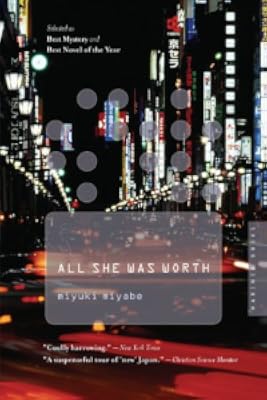
All She Was Worth
by Miyuki Miyabe
On This Page
Description
Here is a deftly written thriller that is also a "deep and moody" (New York Times Book Review) journey through the dark side of Japan's consumer-crazed society. Ordinary people plunge into insurmountable, personal debt and fall prey to dangerous webs of underground creditors -- so dangerous, in fact, that murder may be the only way out. A beautiful young woman vanishes, and the detective quickly finds she is not whom she claimed to be. Is she a victim, a killer, or both? In a country that show more tracks its citizens at every turn, how can two women claim the same identity and then disappear without a trace? show lessTags
Recommendations
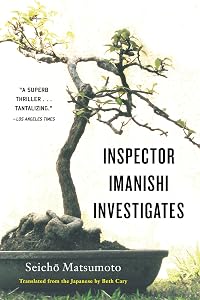
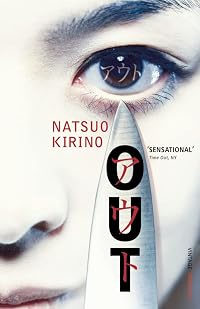
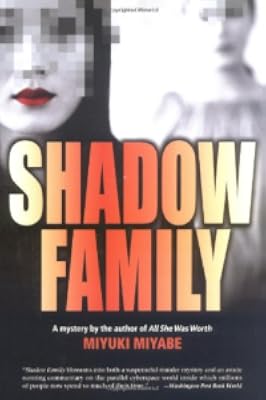
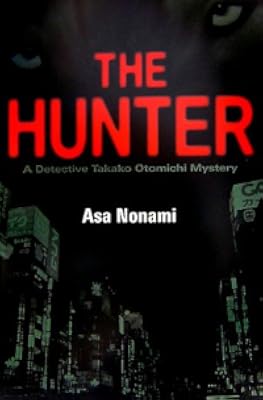
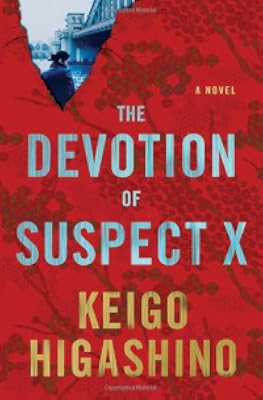


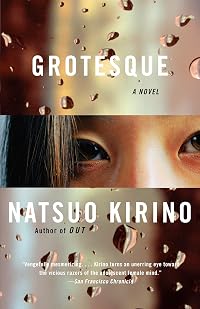
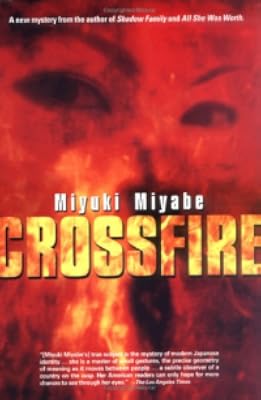
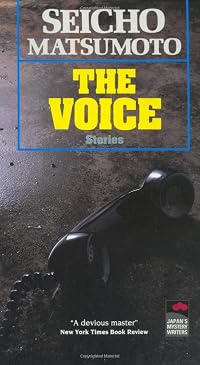
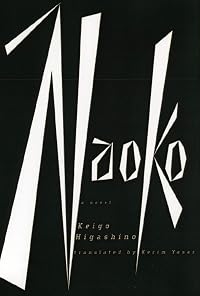
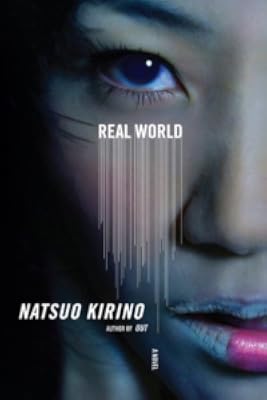
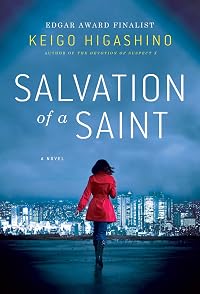
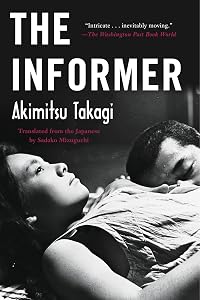
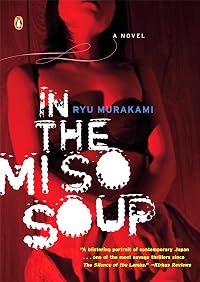
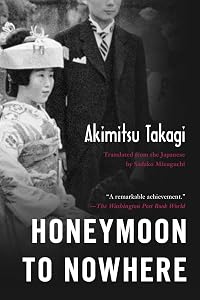
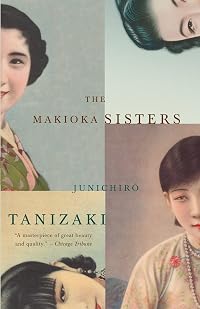
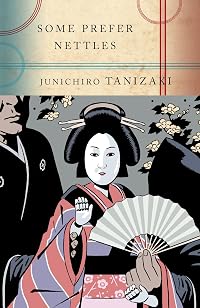
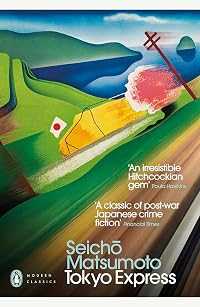


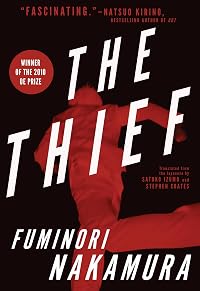

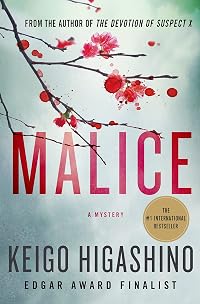
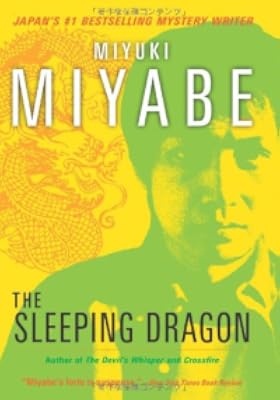










Member Recommendations

Member Reviews
I liked this book, but "thriller" is a misleading description: this is a quiet, sort of cerebral, mystery. Police detective Shunsuke Honma, semi-recently widowed and on medical leave, is trying to find the fiancée of his wife's cousin, who disappeared after the cousin learned of her bankruptcy. All violence takes place off-stage, and the story mainly focuses on Honma's efforts to untangle the paper trail leading to the missing woman.
All She Was Worth is set in the early 1990's. It'd be easy to get lost in the setting or have cultural references go sailing over the reader's head, but Miyabe included exposition about Japanese consumer credit, family registers, and so on. I don't know if Japanese readers found it useful or boring, but show more reading an English translation 25 years later, I thought it was helpful (although the explanation of credit could've been shorter!). It's also nice to read a Japanese story that has nothing to do with anime, manga, or high school (Honma is middle-aged, with a young son). This wouldn't be a good mystery for people who like a lot of action or a hero in danger, but those who like mystery novels that give you a peek into other cultures might enjoy this one. show less
All She Was Worth is set in the early 1990's. It'd be easy to get lost in the setting or have cultural references go sailing over the reader's head, but Miyabe included exposition about Japanese consumer credit, family registers, and so on. I don't know if Japanese readers found it useful or boring, but show more reading an English translation 25 years later, I thought it was helpful (although the explanation of credit could've been shorter!). It's also nice to read a Japanese story that has nothing to do with anime, manga, or high school (Honma is middle-aged, with a young son). This wouldn't be a good mystery for people who like a lot of action or a hero in danger, but those who like mystery novels that give you a peek into other cultures might enjoy this one. show less
The way the investigator's boy partially knows, comes to know, and yet can't fully know the motives of the adult characters perfectly evokes the way no person can truly know another's inner world.
Inside this milieux we explore the way debt and credit create another layer of personae and motive - for people to tend, investigate, punish and escape in their encounters with one another.
A world where a person can exhibit fastidious personal habits, love and be loved, while at the same time live duplicitously and in fear because of a ruined financial reputation. This world is the world we've created and the place our children will have to navigate as they search for love, home, security, community - the author leaves us wondering if anyone show more can truly connect with another in this place or reconcile past with present . show less
Inside this milieux we explore the way debt and credit create another layer of personae and motive - for people to tend, investigate, punish and escape in their encounters with one another.
A world where a person can exhibit fastidious personal habits, love and be loved, while at the same time live duplicitously and in fear because of a ruined financial reputation. This world is the world we've created and the place our children will have to navigate as they search for love, home, security, community - the author leaves us wondering if anyone show more can truly connect with another in this place or reconcile past with present . show less
This is quite readable, though I'm not entirely sure why. I found the characterisations quite distant (possibly because of the translation), the mystery not terribly mysterious (mostly focused on finding out how the crime was achieved, not why or by whom), and the ending quite abrupt. Yet some of the book's central themes—the dangers of materialism, of the credit system and how people get caught up in it—are sadly just as relevant now as they were when this book was written in the early 90s. My favourite aspect of the novel, and certainly the one which kept me reading, was Miyabe's description of Japanese society. The description of the family registers used as forms of personal identification were fascinating to me, as were the show more various social norms and pressures which conditioned and restricted character actions. show less
Miyuki Miyabe fleshes out a sordidly suspenseful web of lies that start from a simple case of one woman's stolen identity. Shunsuke Honma, a middle-aged Tokyo police inspector with a 10-year-old son, takes on a private detective case a la Vertigo while on disability leave when a nephew asks for his help in finding his missing fiancée.
Who is at the bottom of this brutal crime, and what motives led to the murder of the real woman, Shoko Sekine? This is an absorbing novel that not only presents a pithy mystery but also shows an insider's look into Japan's uniquely complex address registration and census system, as well as an anecdote that illustrates how the bursting of Japan's bubble economy led much of its middle-class to fall into a show more cycle of lending and debt. show less
Who is at the bottom of this brutal crime, and what motives led to the murder of the real woman, Shoko Sekine? This is an absorbing novel that not only presents a pithy mystery but also shows an insider's look into Japan's uniquely complex address registration and census system, as well as an anecdote that illustrates how the bursting of Japan's bubble economy led much of its middle-class to fall into a show more cycle of lending and debt. show less
A well paced mystery in which a young woman goes missing and the harsh realities of life as an independent young woman in late 20th century Japan are encountered repeatedly as the facts behind who is missing and why are extracted by a police detective on leave and the people and resources he musters, including his own considerable intellect and flexibility.
Two women disappear, one of them seems to have taken the identity of the other in this Japanese mystery centered on personal credit card debt. A good glimpse of Japanese society c. 1999.
A tight, thrilling picture of Japan after the economic bubble. A thriller that manages to captivate without gore, violence, or physical crime. This is a great fictional look at the Japan of the late 90's. Solid writing is backed-up but solid translation.
Members
- Recently Added By
Lists

#JustTheFacts2020Silver
48 works; 1 member
#MysteryBingo2020Silver(Original)
36 works; 1 member
#MysteryBingo2020Silver(Revised)
36 works; 1 member

#ReadingBingo2020
25 works; 1 member

Books We'd Want on a Desert Island
204 works; 133 members
Author Information

158+ Works 3,185 Members
Some Editions
Awards and Honors
Awards
Distinctions
Series
Belongs to Publisher Series
Common Knowledge
- Canonical title
- All She Was Worth
- Original title
- 火車 (Kasha) (Kasha)
- Original publication date
- 1992 (original Japanese) (original Japanese); 1996 (English translation) (English translation)
- People/Characters
- Shunsuke Honma
- Important places
- Tokyo, Honshū, Japan; Japan
- Related movies
- Helpless (2012 | IMDb)
- First words
- The rain started just as the train pulled out of Ayase Station.
- Last words
- (Click to show. Warning: May contain spoilers.)Starting from now, as Tamotsu's hand comes to rest on your shoulder.
- Publisher's editor
- Floyd, Elizabeth (english translation editor)
- Original language
- Japanese
- Disambiguation notice
- Originally published in Japan under the title Kasha.
Classifications
- Genre
- Fiction and Literature
- DDC/MDS
- 362.198920096 — Society, government, & culture Social problems and social services Social Welfare People with physical illnesses Services to people with specific conditions Gynecology and Pediatrics
- LCC
- PL856 .I856 .K3713 — Language and Literature Languages and literatures of Eastern Asia, Africa, Oceania Languages of Eastern Asia, Africa, Oceania Japanese language and literature Japanese literature Individual authors and works
- BISAC
Statistics
- Members
- 627
- Popularity
- 46,576
- Reviews
- 27
- Rating
- (3.60)
- Languages
- 10 — Chinese, traditional, Dutch, English, French, German, Greek, Italian, Japanese, Spanish, Vietnamese
- Media
- Paper
- ISBNs
- 18
- UPCs
- 1
- ASINs
- 3