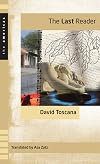
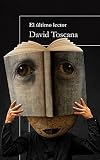
The Last Reader
by David Toscana
On This Page
Description
"A small town in the Mexican desert has a library where few are interested in books. The only reader is the librarian who sees everything through the lens of literature. When a girl is found dead in the librarian's well, he uses novels to lead police directly to the murderer"--Provided by publisher.Tags
Recommendations


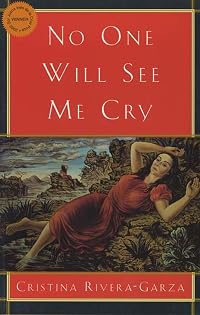
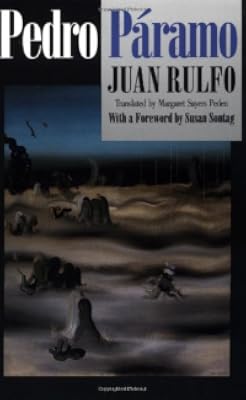


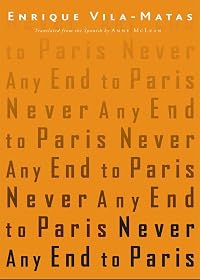
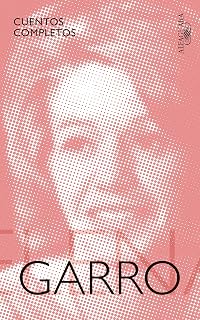



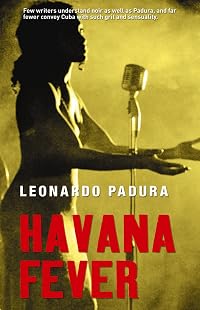
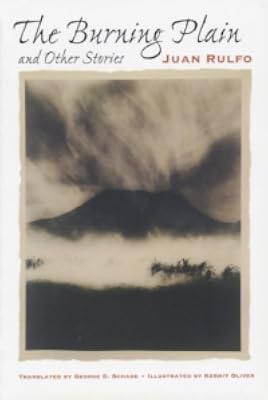
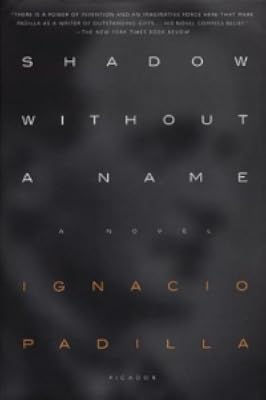
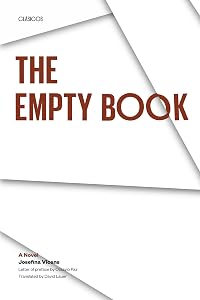









Member Recommendations

Member Reviews
No stars. This is a negative-star review since I have no clue what I just read. This book belongs in Lucio's own cockroach-infested book room, to be devoured by them, and turned into cockroach poop. There will be many braver, more intelligent readers than I who will praise this to the heavens. I advise you now to check their reality barometer, and rush them to the nearest mental health facility. Do not dawdle.
This is yet-another one of those books where nothing but a lyrical review will suffice. All Along The Watchtower seemed to offer some hope of zooming in on my despair:
There must be some kind of way outta here
Said the joker to the thief
There's too much confusion
I can't get no relief
But that is Dylan at his lucid best, so it is an show more unfair comparison, albeit an apt descriptor of my feelings, as I did hum his song intermittently while I tried to make sense of Toscana's world.
It was Ballad of a Thin Man rather that lodged itself into my mind, ultimately, and has become a code word for The Last Reader. I am, indeed, Mr. Jones.
You walk into the room with your pencil in your hand
You see somebody naked and you say, "Who is that man?"
You try so hard but you don't understand
Just what you will say when you get home
Because something is happening here but you don't know what it is
Do you, Mr. Jones?
You raise up your head and you ask, "Is this where it is?"
And somebody points to you and says, "It's his"
And you say, "What's mine?" and somebody else says, "Well, what is?"
And you say, "Oh my God, am I here all alone?"
But something is happening and you don't know what it is
Do you, Mr. Jones?
You hand in your ticket and you go watch the geek
Who immediately walks up to you when he hears you speak
And says, "How does it feel to be such a freak?"
And you say, "Impossible!" as he hands you a bone
And something is happening here but you don't know what it is
Do you, Mr. Jones?
You have many contacts among the lumberjacks
To get you facts when someone attacks your imagination
But nobody has any respect, anyway they already expect you to all give a check
To tax-deductible charity organizations
Ah, you've been with the professors and they've all liked your looks
With great lawyers you have discussed lepers and crooks
You've been through all of F. Scott Fitzgerald's books
You're very well-read, it's well-known
But something is happening here and you don't know what it is
Do you, Mr. Jones?
Well, the sword swallower, he comes up to you and then he kneels
He crosses himself and then he clicks his high heels
And without further notice, he asks you how it feels
And he says, "Here is your throat back, thanks for the loan"
And you know something is happening but you don't know what it is
Do you, Mr. Jones?
Now, you see this one-eyed midget shouting the word "Now"
And you say, "For what reason?" and he says, "How"
And you say, "What does this mean?" and he screams back, "You're a cow!
Give me some milk or else go home"
And you know something's happening but you don't know what it is
Do you, Mr. Jones?
Well, you walk into the room like a camel, and then you frown
You put your eyes in your pocket and your nose on the ground
There ought to be a law against you comin' around
You should be made to wear earphones
'Cause something is happening and you don't know what it is
Do you, Mr. Jones?
There have been as many attempts at code-breaking this song as there have been of Toscana's book, and all are equally absurd. When no one knows what it is, or what it means, they invent the most ludicrous explanations they can muster, each trying to outdo the other. As for that thin guy Dylan himself admitted to it being all a bit of nonsense. He was annoyed with the world when he wrote it (quelle surprise!) and so spewed out a bit of jibber-jabber that would confound all those who were annoying him. It worked. Fifty years later, people are still offering analysis on Mr. Jones.
Which brings me back to Mr. Toscana. Fifty years from now, he will still be praised for disorienting an entire generation of readers who praised him simply because they didn't understand a word he said. (This book has won more awards than there are cockroaches in the world.)
If you intend on sending a message to the world, does it really need to be so obscure that no one understands it? What is the point of your message? And to whom are you addressing it, if everyone misses the point?
This is magical realism on acid. I guess I just didn't drink (enough of) the Kool-Aid. TM
No spoilers here because I can't be bothered reliving the insanity of this particular rabbit hole into which I tumbled.
This is the kind of book that tells me I don't belong in the 21st century world of books, if this is the new direction. I grew up in a world where Joyce and Woolf ... and Pynchon where the height of obscurity. They read like clever little nursery rhymes in the face of Toscana.
I adore the beauty of his words, and the suppleness of his mind, but I simply do not understand him.
I'm going back to Henry James, where even The Turn of The Screw makes delightful sense.
As the thin guy says, "Oh my God, am I here all alone?" show less
This is yet-another one of those books where nothing but a lyrical review will suffice. All Along The Watchtower seemed to offer some hope of zooming in on my despair:
There must be some kind of way outta here
Said the joker to the thief
There's too much confusion
I can't get no relief
But that is Dylan at his lucid best, so it is an show more unfair comparison, albeit an apt descriptor of my feelings, as I did hum his song intermittently while I tried to make sense of Toscana's world.
It was Ballad of a Thin Man rather that lodged itself into my mind, ultimately, and has become a code word for The Last Reader. I am, indeed, Mr. Jones.
You walk into the room with your pencil in your hand
You see somebody naked and you say, "Who is that man?"
You try so hard but you don't understand
Just what you will say when you get home
Because something is happening here but you don't know what it is
Do you, Mr. Jones?
You raise up your head and you ask, "Is this where it is?"
And somebody points to you and says, "It's his"
And you say, "What's mine?" and somebody else says, "Well, what is?"
And you say, "Oh my God, am I here all alone?"
But something is happening and you don't know what it is
Do you, Mr. Jones?
You hand in your ticket and you go watch the geek
Who immediately walks up to you when he hears you speak
And says, "How does it feel to be such a freak?"
And you say, "Impossible!" as he hands you a bone
And something is happening here but you don't know what it is
Do you, Mr. Jones?
You have many contacts among the lumberjacks
To get you facts when someone attacks your imagination
But nobody has any respect, anyway they already expect you to all give a check
To tax-deductible charity organizations
Ah, you've been with the professors and they've all liked your looks
With great lawyers you have discussed lepers and crooks
You've been through all of F. Scott Fitzgerald's books
You're very well-read, it's well-known
But something is happening here and you don't know what it is
Do you, Mr. Jones?
Well, the sword swallower, he comes up to you and then he kneels
He crosses himself and then he clicks his high heels
And without further notice, he asks you how it feels
And he says, "Here is your throat back, thanks for the loan"
And you know something is happening but you don't know what it is
Do you, Mr. Jones?
Now, you see this one-eyed midget shouting the word "Now"
And you say, "For what reason?" and he says, "How"
And you say, "What does this mean?" and he screams back, "You're a cow!
Give me some milk or else go home"
And you know something's happening but you don't know what it is
Do you, Mr. Jones?
Well, you walk into the room like a camel, and then you frown
You put your eyes in your pocket and your nose on the ground
There ought to be a law against you comin' around
You should be made to wear earphones
'Cause something is happening and you don't know what it is
Do you, Mr. Jones?
There have been as many attempts at code-breaking this song as there have been of Toscana's book, and all are equally absurd. When no one knows what it is, or what it means, they invent the most ludicrous explanations they can muster, each trying to outdo the other. As for that thin guy Dylan himself admitted to it being all a bit of nonsense. He was annoyed with the world when he wrote it (quelle surprise!) and so spewed out a bit of jibber-jabber that would confound all those who were annoying him. It worked. Fifty years later, people are still offering analysis on Mr. Jones.
Which brings me back to Mr. Toscana. Fifty years from now, he will still be praised for disorienting an entire generation of readers who praised him simply because they didn't understand a word he said. (This book has won more awards than there are cockroaches in the world.)
If you intend on sending a message to the world, does it really need to be so obscure that no one understands it? What is the point of your message? And to whom are you addressing it, if everyone misses the point?
This is magical realism on acid. I guess I just didn't drink (enough of) the Kool-Aid. TM
No spoilers here because I can't be bothered reliving the insanity of this particular rabbit hole into which I tumbled.
This is the kind of book that tells me I don't belong in the 21st century world of books, if this is the new direction. I grew up in a world where Joyce and Woolf ... and Pynchon where the height of obscurity. They read like clever little nursery rhymes in the face of Toscana.
I adore the beauty of his words, and the suppleness of his mind, but I simply do not understand him.
I'm going back to Henry James, where even The Turn of The Screw makes delightful sense.
As the thin guy says, "Oh my God, am I here all alone?" show less
Brilliant work. Imaginative, with style.
Still need to gain maturity to make words and sentences even more compelling than what they are at this point. The book could be somehow shorter with the same impact.
Still need to gain maturity to make words and sentences even more compelling than what they are at this point. The book could be somehow shorter with the same impact.
Reviewed in LJ
Une lecture inattendue dans laquelle se confondent réalité et fiction. Un vieux bibliothécaire utilise sa connaissance des livres pour expliquer son monde. Très vite ce sont les livres qui façonnent sa réalité - il y puise les fins qu'il aurait aimé voir se concrétiser. Malgré quelques longueurs, il faut persévérer pour se laisser imbiber du décor, lui-même un personnage.
Originale, humoristique mais aussi parfois dure et tendre, cette histoire jette un regard neuf sur la littérature. La fin est particulièrement sublime et fait réfléchir - une parfaite synthèse à la réflexion posée.
Originale, humoristique mais aussi parfois dure et tendre, cette histoire jette un regard neuf sur la littérature. La fin est particulièrement sublime et fait réfléchir - une parfaite synthèse à la réflexion posée.
Jul 11, 2009French
Lucio est un Don Quichotte mexicain et immobile, son fils (assassin plus que probable) Remigio est un sancho pensa dépressif, Imacole est la Mancha de cette improbable duo se redécouvrant grâce au corps d'une fillette (Babette/anamaria). Un étrange roman fait de bribes de textes dans la tête de nos étranges héros.
Une intéressante réflexion sur la force de la littérature, un hommage aux lectures de l'auteur, Cervantés évident, Borges pour la construction de l'histoire et sa manipulation, des russes pour la métaphysique et d'autres que je ne connais pas.
L'auteur a du talent aucun doute pour arriver à nous tenir sur cette histoire totalement folle.
Une intéressante réflexion sur la force de la littérature, un hommage aux lectures de l'auteur, Cervantés évident, Borges pour la construction de l'histoire et sa manipulation, des russes pour la métaphysique et d'autres que je ne connais pas.
L'auteur a du talent aucun doute pour arriver à nous tenir sur cette histoire totalement folle.
Mar 1, 2015French
David Toscanas Den sista läsaren är en mycket underlig bok. Den handlar om Lucio, bibliotekarie i den lilla mexikanska byn Icamole, och dennes son Remigio, som en dag hittar en död flicka i sin brunn, och eftersom Mexiko inte direkt är rättssäkerhetens stamort på jorden så frågar han först sin far vad han skall göra. Varför är oförklarligt; Lucio skildras som en halvt förryckt person, som läst så mycket att han har svårt att hålla isär bok och verklighet. Han råder också Remigio att gräva ner liket under hans avokadoträd.
Nu är väl Remigio heller inte helt vid sina sunda vätskor (det råder för övrigt allmän brist på sådana: byn har drabbats av svår torka), så han lyder sin far, men verkar också gå och show more förälska sig i liket. Lucio lyckas istället få polisen att arrestera den gamle Melquisedec, som just nu hankar sig fram på att hämta vatten från den med rikligare nederbörd begåvade grannbyn.
Förutom sammanblandningen av dikt och verklighet så är Lucios inställning till böcker osund i det att han tagit på sig att kontrolläsa alla böcker som skall upp i hans bibliotek, och kasta de som inte finner nåd inför hans ögon i vad han kallar »helvetet«, ett avstängt rum där kackerlackorna fritt kan frossa på de mindervärdiga böckerna. Att göra något sådant skulle väl normalt leda till problem, både med att få tid och med biblioteksnyttjarna, men här undviks detta av två skäl: för det första vill aldrig någon låna böcker (Lucio är således inte bara den siste läsaren, han är den ende), och för det andra kommer det ändå inte några nya. Biblioteket är nämligen nedlagt, just eftersom ingen i byn använde det.
Största behållningen av boken är väl Lucios inställning till och uttalande om litteratur. Handling skall man inte läsa den för; den som av omslaget förväntar sig något slags deckare eller ens vettigt svar på gåtan med liket kommer bli besviken. Trött blir man dessutom på greppet att undvika sådant som citatmarkörer: detta gör någon gång att man blir undrande över vem som säger något eller vad tusan som pågår, men när man fått ordning på saker och ting upptäcker man att det mest varit ett billigt trick.
En underlig bok, läsbar, men knappast någon favorit. show less
Nu är väl Remigio heller inte helt vid sina sunda vätskor (det råder för övrigt allmän brist på sådana: byn har drabbats av svår torka), så han lyder sin far, men verkar också gå och show more förälska sig i liket. Lucio lyckas istället få polisen att arrestera den gamle Melquisedec, som just nu hankar sig fram på att hämta vatten från den med rikligare nederbörd begåvade grannbyn.
Förutom sammanblandningen av dikt och verklighet så är Lucios inställning till böcker osund i det att han tagit på sig att kontrolläsa alla böcker som skall upp i hans bibliotek, och kasta de som inte finner nåd inför hans ögon i vad han kallar »helvetet«, ett avstängt rum där kackerlackorna fritt kan frossa på de mindervärdiga böckerna. Att göra något sådant skulle väl normalt leda till problem, både med att få tid och med biblioteksnyttjarna, men här undviks detta av två skäl: för det första vill aldrig någon låna böcker (Lucio är således inte bara den siste läsaren, han är den ende), och för det andra kommer det ändå inte några nya. Biblioteket är nämligen nedlagt, just eftersom ingen i byn använde det.
Största behållningen av boken är väl Lucios inställning till och uttalande om litteratur. Handling skall man inte läsa den för; den som av omslaget förväntar sig något slags deckare eller ens vettigt svar på gåtan med liket kommer bli besviken. Trött blir man dessutom på greppet att undvika sådant som citatmarkörer: detta gör någon gång att man blir undrande över vem som säger något eller vad tusan som pågår, men när man fått ordning på saker och ting upptäcker man att det mest varit ett billigt trick.
En underlig bok, läsbar, men knappast någon favorit. show less
Nov 30, 2009Swedish
Pourquoi ce livre?
Mon regard s'est d'abord porté sur ce livre en raison de sa couverture et de son format qui annonçaient distinctement sa provenance. La maison d'édition Zulma ne m'a jusqu'à présent jamais déçue puisque les sujets comme le style de leurs auteurs se révèlent bien souvent très intéressants. J'en ai fait l'acquisition il y a quelques mois, mais ne l'ai commencé qu'après avoir lu le protocole du présent travail. Le titre « le dernier lecteur » m'a semblé approprié considérant le contexte du cours, sans parler du fait que la profession qu'exerce le personnage principal, comme nous l'apprend la quatrième de couverture, est celle de bibliothécaire.
Un premier aspect qui m’a plu :
L'approche show more bibliothéconomique du personnage principal, Lucio, est assez inhabituelle, ce qui la rend très intéressante. Le bibliothécaire présente une approche complètement assumée de la censure et a pour objectif de lire chacun des ouvrages qui entrent dans sa bibliothèque pour ensuite les classer selon sa propre appréciation. Les livres ne répondant pas à ses critères de sélection sont passés par la trappe vers une pièce barricadée où leur seule utilité est de servir de nourriture aux cafards. D'un point de vue professionnel, mon expérience de lecture semble présenter une certaine ironie, mais encore une fois, tout n'est qu'une question de contexte.
Un second aspect qui m’a plu :
L'environnement dans lequel évoluent les personnages, de même que leur contexte sociocultuel, m'était jusqu'à présent pratiquement inconnu. Les descriptions du petit village désertique, établi sur un ancien fond marin, présentaient des éléments inédits dans mon expérience de lecture. Les nombreuses références aux événements historiques mexicains, quant à eux, représentaient un apport intéressant à ma culture générale. La littérature étant omniprésente dans l'œuvre, il est certain qu'elle m'a amenée à découvrir des titres et des extraits, provenant majoritairement de cultures hispanophones.
Un aspect qui m’a moins plu :
La mise en forme du texte apporte une certaine difficulté au lecteur, dans la mesure où il devient parfois difficile de suivre l'évolution du récit, particulièrement en ce qui a trait aux dialogues. En effet, le texte ne comporte aucune séparation visuelle des dialogues, des paroles rapportées. Ils sont simplement intégrés au fil du texte sans espacement ou signe de ponctuation. En outre, l'auteur a occulté toute incise du type « dit-untel » qui permet habituellement d'associer les paroles à un personnage.
L’objet livre :
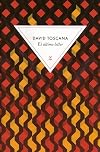
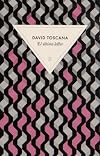
L'élément paratextuel le plus important dans le cas de cet ouvrage est certainement la couverture. Bien que le dicton dise le contraire, il est possible de déduire beaucoup de choses grâce à la couverture d'un livre, particulièrement dans le cas où la maison d'édition, comme dans ce cas-ci, propose une ligne d'édition où ses livres sont facilement reconnaissables. Cette similitude contribue à la familiarité du lecteur par rapport aux œuvres et peut favoriser ou même enclencher la poursuite de l'expérience de lecture. Le papier est un autre élément essentiel dans l'expérience de lecture puisqu'il sollicite les sens du lecteur et fait partie de son « habitus » (Desrochers, 2015). Il en va de même pour plusieurs des éléments paratextuels du livre imprimé. La page-titre, l'épigraphe, le résumé en quatrième de couverture sont autant d'éléments qui sont commun à une majorité de la production littéraire à laquelle sont exposés les lecteurs. On peut donc penser qu'il est confortant pour le lecteur de retrouver ces éléments à la place qu'il juge « normal ». En somme, il apparaît que les attributs de l'objet livre contribuent à l'expérience de lecture, non seulement dans ces aspects consensuels d'édition, mais aussi par des éléments qui peuvent sembler anodins. Une encre de mauvaise qualité qui tache les doigts et les pages peut nuire; alors qu'un papier plus épais, d'un couleur crème plutôt que blanche ou encore des illustrations artistiques aux couleurs étincelantes peuvent grandement contribuer au plaisir de lire.
Source :
Desrochers, N. (2015). Lecture et appartenance. [Cours en ligne]. Repéré dans l'environnement StudiUM: https://studium.umontreal.ca/ show less
Mon regard s'est d'abord porté sur ce livre en raison de sa couverture et de son format qui annonçaient distinctement sa provenance. La maison d'édition Zulma ne m'a jusqu'à présent jamais déçue puisque les sujets comme le style de leurs auteurs se révèlent bien souvent très intéressants. J'en ai fait l'acquisition il y a quelques mois, mais ne l'ai commencé qu'après avoir lu le protocole du présent travail. Le titre « le dernier lecteur » m'a semblé approprié considérant le contexte du cours, sans parler du fait que la profession qu'exerce le personnage principal, comme nous l'apprend la quatrième de couverture, est celle de bibliothécaire.
Un premier aspect qui m’a plu :
L'approche show more bibliothéconomique du personnage principal, Lucio, est assez inhabituelle, ce qui la rend très intéressante. Le bibliothécaire présente une approche complètement assumée de la censure et a pour objectif de lire chacun des ouvrages qui entrent dans sa bibliothèque pour ensuite les classer selon sa propre appréciation. Les livres ne répondant pas à ses critères de sélection sont passés par la trappe vers une pièce barricadée où leur seule utilité est de servir de nourriture aux cafards. D'un point de vue professionnel, mon expérience de lecture semble présenter une certaine ironie, mais encore une fois, tout n'est qu'une question de contexte.
Un second aspect qui m’a plu :
L'environnement dans lequel évoluent les personnages, de même que leur contexte sociocultuel, m'était jusqu'à présent pratiquement inconnu. Les descriptions du petit village désertique, établi sur un ancien fond marin, présentaient des éléments inédits dans mon expérience de lecture. Les nombreuses références aux événements historiques mexicains, quant à eux, représentaient un apport intéressant à ma culture générale. La littérature étant omniprésente dans l'œuvre, il est certain qu'elle m'a amenée à découvrir des titres et des extraits, provenant majoritairement de cultures hispanophones.
Un aspect qui m’a moins plu :
La mise en forme du texte apporte une certaine difficulté au lecteur, dans la mesure où il devient parfois difficile de suivre l'évolution du récit, particulièrement en ce qui a trait aux dialogues. En effet, le texte ne comporte aucune séparation visuelle des dialogues, des paroles rapportées. Ils sont simplement intégrés au fil du texte sans espacement ou signe de ponctuation. En outre, l'auteur a occulté toute incise du type « dit-untel » qui permet habituellement d'associer les paroles à un personnage.
L’objet livre :
L'élément paratextuel le plus important dans le cas de cet ouvrage est certainement la couverture. Bien que le dicton dise le contraire, il est possible de déduire beaucoup de choses grâce à la couverture d'un livre, particulièrement dans le cas où la maison d'édition, comme dans ce cas-ci, propose une ligne d'édition où ses livres sont facilement reconnaissables. Cette similitude contribue à la familiarité du lecteur par rapport aux œuvres et peut favoriser ou même enclencher la poursuite de l'expérience de lecture. Le papier est un autre élément essentiel dans l'expérience de lecture puisqu'il sollicite les sens du lecteur et fait partie de son « habitus » (Desrochers, 2015). Il en va de même pour plusieurs des éléments paratextuels du livre imprimé. La page-titre, l'épigraphe, le résumé en quatrième de couverture sont autant d'éléments qui sont commun à une majorité de la production littéraire à laquelle sont exposés les lecteurs. On peut donc penser qu'il est confortant pour le lecteur de retrouver ces éléments à la place qu'il juge « normal ». En somme, il apparaît que les attributs de l'objet livre contribuent à l'expérience de lecture, non seulement dans ces aspects consensuels d'édition, mais aussi par des éléments qui peuvent sembler anodins. Une encre de mauvaise qualité qui tache les doigts et les pages peut nuire; alors qu'un papier plus épais, d'un couleur crème plutôt que blanche ou encore des illustrations artistiques aux couleurs étincelantes peuvent grandement contribuer au plaisir de lire.
Source :
Desrochers, N. (2015). Lecture et appartenance. [Cours en ligne]. Repéré dans l'environnement StudiUM: https://studium.umontreal.ca/ show less
Oct 14, 2015French
Members
- Recently Added By
Published Reviews
ThingScore 88
Toscanas roman är gripande och har stänk av humor. Samtidigt genomsyras den av en oförbehållsam grymhet och låter dödsnärheten vara närmast fysisk påtaglig
added by andejons
"Den siste läsaren" är litterärt finsnickeri i mästarklass. Och en lovsång till fiktionens förmåga att vara om inte större så en fullt levande, alternativ, rentav samtidig version av livet.
added by andejons
Jag imponeras av textens eleganta konstruktion men längtar efter en berättelse som berör.
added by andejons
Lists

Best Books about Readers
23 works; 14 members
Author Information

Some Editions
Awards and Honors
Common Knowledge
- Canonical title
- The Last Reader
- Original title
- El último lector
Classifications
- Genres
- Fiction and Literature, General Fiction, Fantasy
- DDC/MDS
- 863.64 — Literature & rhetoric Spanish Literature Spanish fiction 20th Century 1945-2000
- LCC
- PQ7298.3 .O78 .U4813 — Language and Literature French, Italian, Spanish and Portuguese literatures Spanish literature Provincial, local, colonial, etc. Spanish America
- BISAC
Statistics
- Members
- 107
- Popularity
- 304,178
- Reviews
- 10
- Rating
- (3.50)
- Languages
- 6 — English, French, Polish, Portuguese, Spanish, Swedish
- Media
- Paper, Audiobook
- ISBNs
- 12
- ASINs
- 1