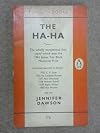
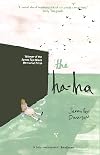
The Ha-Ha
by Jennifer Dawson
On This Page
Description
"At a tea party at Oxford University in the 1950s, earnest undergraduates in floral dresses clink cups, discussing their studies, sports, and summer balls. But to one student, Josephine, they are grotesquely transformed: she is sitting among ominous armadillos. Then, the laughter comes. As she is engulfed in mirthless hysterics, her college has no choice but to send her away. Since her mother's death, Josephine's reality seems a badly painted canvas, viewed through the wrong end of a show more telescope. It is a relief to find a sense of belonging, for once, within the mental institution where she is confined. But, eventually, she must reintegrate with society. Through a transformative encounter with a fellow patient, a return to real life seems possible"-- show lessTags
Recommendations




















Member Reviews
‘They were all very kind at Oxford,’ I assured her, for she had seemed to think they were not. ‘No one shunned me or ripped my stockings or took my bicycle on “loan”.’
‘So,’ said the Sister nodding as she slid the enormous bundle of silver keys into her pocket. ‘So. That was good.’
So starts Jennifer Dawson’s 1961 novel The Ha-Ha, her first novel; which won the 1962 James Tait Black memorial award for fiction. It tells the story of a young woman’s stay in a psychiatric hospital; the author had worked as a social worker in a similar place.
Our narrator; Josephine, a fragile, clever young woman, with an unspecified mental illness (possibly schizophrenia) has been carefully taken away from college life, when show more Josephine’s imagined private world begins to overtake her in public. Committed to hospital, Josephine is coaxed gradually toward returning to ‘normal life’ by a German sister. As Josephine begins to recover, her mind returns to the time before her hospitalisation, when she was still living with her mother, who disapproved of her daughter’s eccentricities and called her ‘the giggly one’.
“I thought of Mother reading her nightly portion, ‘stoking up’ as she would say, digesting a biscuit, or copulating, grey and withered, with Father, while round her raced the arthropods, the pigs, the hippopotami, the even-toed ungulates and ruminants (rumini?). They pranced and they danced, and I laughed and laughed. I had not laughed so loudly, so coarsely, since the Principal’s tea-party. Mother came rushing up flushed and anxious.
‘Josephine, my dear Josephine,’ she looked severe, but sad too. ‘Try to pull yourself together; I have not seen the giggly one for such a long time! What has happened to our good resolutions?”
Josephine’s mother we discover is now dead, an accident with an electric blanket – and Josephine has been left to exist in a world her imagination fills with animals. As the novel begins and Josephine is asked if the animals have retreated, her affirmative reply seeming to point to her recovery. Josephine is to be prepared for release, and in a bid to help rehabilitate her to regular life, she is given a job in the town, cataloguing a library for a Colonel and his wife. The society of people out in the so called normal world is one strewn with hazards for Josephine, interacting with people again can feel stressful, she doesn’t always understand the rules. One day she bumps into Helena an old college friend, a friend with no knowledge of Josephine’s illness and hospitalisation, Helena invites Josephine to a party, and Josephine is torn about whether to attend.
In the afternoons after she finishes her work, Josephine walks back to the hospital, stopping to sit for a while in a ha-ha on the edge of the hospital grounds. Here she meets Alasdair – a patient from the male side of the hospital. Alasdair is rather casual about the hospital rules and routines; his laid back air of world weary experience is instantly attractive to Josephine. Josephine talks to Alasdair about her work, the party that she does attend and which is not a success, and he regales her with tales from the men’s ward.
“The next day the world filled slowly with rain. It was the first for nearly two months, and everything was wrapped in a film of grey-green. It hung there like a screen before the summer world, and I wanted to run behind it and regain the dry landscape where I had been happy. I wanted to run behind it and hide from the Sister’s cries that followed me everywhere that Saturday:
‘Josephine, Josephine, was it a good party? Was Waterminster Place a happy place, dearie?”
Josephine begins a relationship with Alasdair – the first such relationship she has had. Alasdair takes Josephine on day out to the other side of the hill they see from the ha-ha. This day out is such a happy one for Josephine, but she is still fragile, and not really ready for the new world that Alasdair has opened up to her. When Alasdair leaves the hospital, it sparks a crisis for Josephine.
“I will swim back silently,” I thought, “as though I had never been absent.”
Josephine’s voice throughout this novel rings clear, funny, bright but vulnerable, Dawson’s narrative is both engaging and perceptive. Aside from the story of Josephine, Dawson’s novel also acts as a protest against many of the practices in such institutions at this time, as Dawson herself explains in her Afterword to my edition.
It would seem that Jennifer Dawson’s six novels are all out of print – and I would so like to read more of her work, show less
‘So,’ said the Sister nodding as she slid the enormous bundle of silver keys into her pocket. ‘So. That was good.’
So starts Jennifer Dawson’s 1961 novel The Ha-Ha, her first novel; which won the 1962 James Tait Black memorial award for fiction. It tells the story of a young woman’s stay in a psychiatric hospital; the author had worked as a social worker in a similar place.
Our narrator; Josephine, a fragile, clever young woman, with an unspecified mental illness (possibly schizophrenia) has been carefully taken away from college life, when show more Josephine’s imagined private world begins to overtake her in public. Committed to hospital, Josephine is coaxed gradually toward returning to ‘normal life’ by a German sister. As Josephine begins to recover, her mind returns to the time before her hospitalisation, when she was still living with her mother, who disapproved of her daughter’s eccentricities and called her ‘the giggly one’.
“I thought of Mother reading her nightly portion, ‘stoking up’ as she would say, digesting a biscuit, or copulating, grey and withered, with Father, while round her raced the arthropods, the pigs, the hippopotami, the even-toed ungulates and ruminants (rumini?). They pranced and they danced, and I laughed and laughed. I had not laughed so loudly, so coarsely, since the Principal’s tea-party. Mother came rushing up flushed and anxious.
‘Josephine, my dear Josephine,’ she looked severe, but sad too. ‘Try to pull yourself together; I have not seen the giggly one for such a long time! What has happened to our good resolutions?”
Josephine’s mother we discover is now dead, an accident with an electric blanket – and Josephine has been left to exist in a world her imagination fills with animals. As the novel begins and Josephine is asked if the animals have retreated, her affirmative reply seeming to point to her recovery. Josephine is to be prepared for release, and in a bid to help rehabilitate her to regular life, she is given a job in the town, cataloguing a library for a Colonel and his wife. The society of people out in the so called normal world is one strewn with hazards for Josephine, interacting with people again can feel stressful, she doesn’t always understand the rules. One day she bumps into Helena an old college friend, a friend with no knowledge of Josephine’s illness and hospitalisation, Helena invites Josephine to a party, and Josephine is torn about whether to attend.
In the afternoons after she finishes her work, Josephine walks back to the hospital, stopping to sit for a while in a ha-ha on the edge of the hospital grounds. Here she meets Alasdair – a patient from the male side of the hospital. Alasdair is rather casual about the hospital rules and routines; his laid back air of world weary experience is instantly attractive to Josephine. Josephine talks to Alasdair about her work, the party that she does attend and which is not a success, and he regales her with tales from the men’s ward.
“The next day the world filled slowly with rain. It was the first for nearly two months, and everything was wrapped in a film of grey-green. It hung there like a screen before the summer world, and I wanted to run behind it and regain the dry landscape where I had been happy. I wanted to run behind it and hide from the Sister’s cries that followed me everywhere that Saturday:
‘Josephine, Josephine, was it a good party? Was Waterminster Place a happy place, dearie?”
Josephine begins a relationship with Alasdair – the first such relationship she has had. Alasdair takes Josephine on day out to the other side of the hill they see from the ha-ha. This day out is such a happy one for Josephine, but she is still fragile, and not really ready for the new world that Alasdair has opened up to her. When Alasdair leaves the hospital, it sparks a crisis for Josephine.
“I will swim back silently,” I thought, “as though I had never been absent.”
Josephine’s voice throughout this novel rings clear, funny, bright but vulnerable, Dawson’s narrative is both engaging and perceptive. Aside from the story of Josephine, Dawson’s novel also acts as a protest against many of the practices in such institutions at this time, as Dawson herself explains in her Afterword to my edition.
It would seem that Jennifer Dawson’s six novels are all out of print – and I would so like to read more of her work, show less
I have re-read this novel which I can see I bought back in 1964.
The story is told by a young woman called Josephine who is incarcerated in a mental hospital. We´re not informed exactly how she ended there but she has had some sort of psychological crisis following the death of her mother.
Josephine had been a student at Oxford, is apparently exceedingly clever and specialized in Anglo-Saxon.
We are introduced to her on her first day in a new ward. A kindly and motherly German sister attends to her and talks with her. Josephine is to be “re-graded” and returned to the “real world”.
Josephine had been alone with her mother and Mother had called her “her giggly girl”, The two were “good friends”, went to the theatre together show more and shopped together. Mother was the one organizing these activities; Jo felt she did not have the “knack of existing” – she did not know the rules of life.
At the hospital Jo becomes friendly with another patient Alasdair whom she often meets at the ha-ha. Before reading this book I didn´t know what a ha-ha was but found out in Wikipedia it was “a recessed landscape design element that creates a vertical barrier while preserving an uninterrupted view of the landscape beyond” (whatever that means!).
Alasdair talks about the “schizies” he has encountered in the hospital, and Jo understands that she may be one of them.
The book is well-written and Jo´s state of mind is described very subtly. She wondered “what words were ´the words´, the things that carried, the words that counted, and qualified you for the world of other people.”
Jo feels a strange lightness as though she did not really exist, “There was nothing, nothing to tell me that I existed.”
She becomes involved with Alisdair and he tells her that she is the first person he has met who does not play a game with herself and with other people, She is real, she is serious.
It is because she is real that “society” doesn´t appeal to her much.
Jo undergoes a process of development and realizes she wants to live, and to feel, She was born for joy.
Alasdair leaves the hospital suddenly without saying good-bye, which is upsetting to Jo.
Jo asks the doctor about the outcome of schizophrenia. He answers, “if you stabilize by the time you are thirty …”.
I found the book to be insightful and Jo´s state of mind and experiences sublimely delineated. I highly recommend the book. show less
The story is told by a young woman called Josephine who is incarcerated in a mental hospital. We´re not informed exactly how she ended there but she has had some sort of psychological crisis following the death of her mother.
Josephine had been a student at Oxford, is apparently exceedingly clever and specialized in Anglo-Saxon.
We are introduced to her on her first day in a new ward. A kindly and motherly German sister attends to her and talks with her. Josephine is to be “re-graded” and returned to the “real world”.
Josephine had been alone with her mother and Mother had called her “her giggly girl”, The two were “good friends”, went to the theatre together show more and shopped together. Mother was the one organizing these activities; Jo felt she did not have the “knack of existing” – she did not know the rules of life.
At the hospital Jo becomes friendly with another patient Alasdair whom she often meets at the ha-ha. Before reading this book I didn´t know what a ha-ha was but found out in Wikipedia it was “a recessed landscape design element that creates a vertical barrier while preserving an uninterrupted view of the landscape beyond” (whatever that means!).
Alasdair talks about the “schizies” he has encountered in the hospital, and Jo understands that she may be one of them.
The book is well-written and Jo´s state of mind is described very subtly. She wondered “what words were ´the words´, the things that carried, the words that counted, and qualified you for the world of other people.”
Jo feels a strange lightness as though she did not really exist, “There was nothing, nothing to tell me that I existed.”
She becomes involved with Alisdair and he tells her that she is the first person he has met who does not play a game with herself and with other people, She is real, she is serious.
It is because she is real that “society” doesn´t appeal to her much.
Jo undergoes a process of development and realizes she wants to live, and to feel, She was born for joy.
Alasdair leaves the hospital suddenly without saying good-bye, which is upsetting to Jo.
Jo asks the doctor about the outcome of schizophrenia. He answers, “if you stabilize by the time you are thirty …”.
I found the book to be insightful and Jo´s state of mind and experiences sublimely delineated. I highly recommend the book. show less
It astonishes me that The Ha-ha is out of print, because it's a beautifully written exploration of what it's like being a perpetual outsider, and won the James Tait Black Memorial prize in1962. (Despite the title, it is not a work of humor; a ha-ha is a concealed ditch or trench designed to keep animals from wandering where they are not wanted.) Neither is it a fictionalized "memoir of madness". Although voiced by a young woman in a mental hospital, diagnosed as a schizophrenic, it has none of the drama of hallucinatory psychosis. These days Jacqueline would be called autistic.
Jacqueline functioned well enough to weather a couple of terms at Oxford University, but when we meet her she is trying to recover from a breakdown. He inner show more life has points of commonality with the "real" world, but she is completely mystified by the incomprehensible rules of ordinary conversation. She is most at home in her inner world of animals--it is unclear whether she thinks they are real or simply likes to imagine them--but the presence of the animals signals her detachment from the rest of the world.
As part of her recuperation, Jacqueline has a job cataloging a private library. She is content until confronted with the inevitable polite queries and invitations to take a break for tea. One day, walking back to the asylum, she runs into an old classmate, an au courant Oxonian who later invites her to a party. The small details of these events serve to delineate Jacqueline's othernesses in class, self-presentation, and perceptions, as well as her wrestlings with the rules of social engagement.
Meanwhile, Jacqueline meets another patient, Alasdair, and the two have a short affair. Alasdair's abrupt departure impels Jacqueline to run away from the asylum, spending about a week hitching rides with lorry drivers and taking up with traveling salesmen. Picked up by the police and returned the asylum, Jacqueline retraces her steps toward rehabilitation. Yet this time there is a difference. Jacqueline, having unconsciously absorbed some of Alasdair's self-direction and lack of deference to psychiatric authority, sets out on a different course. show less
Jacqueline functioned well enough to weather a couple of terms at Oxford University, but when we meet her she is trying to recover from a breakdown. He inner show more life has points of commonality with the "real" world, but she is completely mystified by the incomprehensible rules of ordinary conversation. She is most at home in her inner world of animals--it is unclear whether she thinks they are real or simply likes to imagine them--but the presence of the animals signals her detachment from the rest of the world.
As part of her recuperation, Jacqueline has a job cataloging a private library. She is content until confronted with the inevitable polite queries and invitations to take a break for tea. One day, walking back to the asylum, she runs into an old classmate, an au courant Oxonian who later invites her to a party. The small details of these events serve to delineate Jacqueline's othernesses in class, self-presentation, and perceptions, as well as her wrestlings with the rules of social engagement.
Meanwhile, Jacqueline meets another patient, Alasdair, and the two have a short affair. Alasdair's abrupt departure impels Jacqueline to run away from the asylum, spending about a week hitching rides with lorry drivers and taking up with traveling salesmen. Picked up by the police and returned the asylum, Jacqueline retraces her steps toward rehabilitation. Yet this time there is a difference. Jacqueline, having unconsciously absorbed some of Alasdair's self-direction and lack of deference to psychiatric authority, sets out on a different course. show less
An autobiographical novel; it's 1960, and former Oxford student, Josephine, finds herself an inmate of a mental hospital. The author does a good job portraying the feelings- partly ones we can identify with (feeling "other" at a party ) and part that will elude many of us...
Ratings
Members
- Recently Added By
Author Information

8 Works 223 Members
Some Editions
Awards and Honors
Awards
Series
Belongs to Publisher Series
Work Relationships
Is contained in
Common Knowledge
- Canonical title
- The Ha-Ha
- Original publication date
- 1961
- Related movies
- ITV Playhouse: The Ha-Ha (1969 | TV episode | IMDb)
- First words
- 'They were all very kind at Oxford,' I assured her, for she had seemed to think they were not.
- Quotations
- Little Fly
Thy summer's play
My thoughtless hand
Has brush'd away.
Am I not a fly like thee?
Or art thou not a man like me?
BLAKE - Last words
- (Click to show. Warning: May contain spoilers.)If you could stay away for fourteen days, I remembered Alasdair had told me, they could not reclaim you, so I climbed over the pile of rubble that had been my wall and had enclosed my world, said good-bye to the hill, and ran and ran until I knew for certain that I had not after all been extinguished, and that my existence had been saved.
Classifications
Statistics
- Members
- 175
- Popularity
- 186,491
- Reviews
- 4
- Rating
- (3.63)
- Languages
- English, French
- Media
- Paper, Audiobook, Ebook
- ISBNs
- 7
- ASINs
- 5