
Mrs Harter is set in rural Devon in the mid 1920s. Mrs Harter, daughter of the local plumber and who has the brilliant first name of Diamond, returns to the village of Cross Loman following a stint in The East with a husband who does not return to England with her. The events following her return are narrated by Sir Miles Flower, a crippled local resident (WW1 injury) who is married to the volatile and high-maintenance Claire. Sir Miles is part of a small circle of upper middle- and lower upper-class residents and through him we see how the different members of this circle have very specific reactions to Mrs Harter and the dramatic conclusion to her situation.
It's a classic set up of a stranger coming into a tightknit group and disturbing the status quo but the author handles it well. She lets the reader come to their own conclusions about the veracity of Sir Miles' reporting of events and people's characters, for example. The climax of the novel does feel a little contrived to create the most tension possible but, as one of the characters points out, there was probably no other way for Mrs Harter's story to conclude.
E. M. Delafield is great at poking fun at the English middle/upper classes (see Diary of a Provincial Lady), a literary tradition that includes Anthony Trollope and E. F. Benson. She deftly shows us, through Sir Miles' observations, their prejudices about class and acceptable behaviour, their suspicion of emotion and reactionary opinions.
I love this genre show more and chuckled out loud several times on public transport . Here's one particular gem:
"Her husband is a solicitor in Singapore, I'm told," said the Rector.
"Oh I see!" said Mumma, so emphatically that it seemed quite a visual achievement. "I see. We had some dear friends in India, who went to Singapore, once, and they liked it very much. The wife, I'm sorry to say, was drowned in a boating accident there. That rather spoiled their stay." show less
It's a classic set up of a stranger coming into a tightknit group and disturbing the status quo but the author handles it well. She lets the reader come to their own conclusions about the veracity of Sir Miles' reporting of events and people's characters, for example. The climax of the novel does feel a little contrived to create the most tension possible but, as one of the characters points out, there was probably no other way for Mrs Harter's story to conclude.
E. M. Delafield is great at poking fun at the English middle/upper classes (see Diary of a Provincial Lady), a literary tradition that includes Anthony Trollope and E. F. Benson. She deftly shows us, through Sir Miles' observations, their prejudices about class and acceptable behaviour, their suspicion of emotion and reactionary opinions.
I love this genre show more and chuckled out loud several times on public transport . Here's one particular gem:
"Her husband is a solicitor in Singapore, I'm told," said the Rector.
"Oh I see!" said Mumma, so emphatically that it seemed quite a visual achievement. "I see. We had some dear friends in India, who went to Singapore, once, and they liked it very much. The wife, I'm sorry to say, was drowned in a boating accident there. That rather spoiled their stay." show less
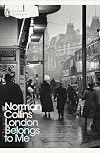
London Belongs To Me begins in Christmas 1938 and follows the lives of the inhabitants of 10 Dulcimer Street, a large house in south London, over a year. The house is owned by the widowed Mrs Vizzard who lets out rooms to a number of people; she's keen to ensure that her residents are the right kind of people, no riff-raff. Despite her best efforts they're a mixed bunch, including a single gentleman who likes his food, an ageing nightclub hostess, a mother deeply devoted to her only son in the most difficult of circumstances. While not hiding their faults and foibles and often poking gentle fun at them, Collins clearly has affection for his characters. The nightclub hostess, Connie, for example, is horribly nosy and pushes her way into situations where she's not wanted but we also see how deeply lonely she is and the precariousness of her livelihood. After 700+ pages I was sad to leave them all, even the wrong 'uns.
The other character in the book is London. The city that Collins describes isn't Buckingham Palace and St Paul's Cathedral. It's the London of commuters from the suburbs and the streets of what is essentially a series of villages that all link together. On the surface these streets are quiet but there are all sorts of things happening behind closed doors. I live in London and love London, so this kind of story always appeals to me. It feels very familiar and reminds me of my grandparents' stories of growing up in the East End of the city. There also something show more very English about this novel. It's really hard to explain what I mean by that because of course it's going to feel English. One of the residents, Mrs Josser, can't get over the fact that her son has married a woman who was a cinema usherette who's 'no better than she should be'. Perhaps it's this kind of petty snobbery that feels so specific to this country!
As the book is set in 1938, the impending war is a constant backdrop and unsurprisingly comes to have a profound impact on many characters' lives. The novel was published in 1945 and there is a immediacy to this aspect of the story conveyed in the details of how war affects 'the little people', rather than the Churchills of that time. show less
The other character in the book is London. The city that Collins describes isn't Buckingham Palace and St Paul's Cathedral. It's the London of commuters from the suburbs and the streets of what is essentially a series of villages that all link together. On the surface these streets are quiet but there are all sorts of things happening behind closed doors. I live in London and love London, so this kind of story always appeals to me. It feels very familiar and reminds me of my grandparents' stories of growing up in the East End of the city. There also something show more very English about this novel. It's really hard to explain what I mean by that because of course it's going to feel English. One of the residents, Mrs Josser, can't get over the fact that her son has married a woman who was a cinema usherette who's 'no better than she should be'. Perhaps it's this kind of petty snobbery that feels so specific to this country!
As the book is set in 1938, the impending war is a constant backdrop and unsurprisingly comes to have a profound impact on many characters' lives. The novel was published in 1945 and there is a immediacy to this aspect of the story conveyed in the details of how war affects 'the little people', rather than the Churchills of that time. show less
I requested this book because I'm interested by Iran and wanted to learn more about its history and politics. Which I kind of did from this book, but it was a slog.
Dabashi's rejects the portrayal of Iranian history as a series of unconnected phases, instead linking the rise of the civil rights (Green) movement in 2009 with the protests that in 1906 led to the founding of an Iranian parliament. I would have liked to know much more about how the Green movement started and spread , who is involved and where it is now, but Dabashi assumes an amount of knowledge about this that I don't have.
Perhaps the target audience is 'Middle East watchers' and those who have a deeper knowledge of political theory and philosophy. Much of the book was lost on me as Dabashi discusses 'anarchic versus erotic bodies' (in reference to public, openly loving letters that women write to their jailed husbands) and 'presumed mimetic absolutism'.
In the end this felt like an unnecessarily extended essay in which what could have been interesting ended up being inaccessible to a casual reader.
Dabashi's rejects the portrayal of Iranian history as a series of unconnected phases, instead linking the rise of the civil rights (Green) movement in 2009 with the protests that in 1906 led to the founding of an Iranian parliament. I would have liked to know much more about how the Green movement started and spread , who is involved and where it is now, but Dabashi assumes an amount of knowledge about this that I don't have.
Perhaps the target audience is 'Middle East watchers' and those who have a deeper knowledge of political theory and philosophy. Much of the book was lost on me as Dabashi discusses 'anarchic versus erotic bodies' (in reference to public, openly loving letters that women write to their jailed husbands) and 'presumed mimetic absolutism'.
In the end this felt like an unnecessarily extended essay in which what could have been interesting ended up being inaccessible to a casual reader.
 This review was written for LibraryThing Early Reviewers.
My heart sank when The Grass is Singing was chosen for my next book group meeting. I've read two Lessings and have really struggled to find anything I like about her writing. But who am I to argue with the Nobel Prize Committee? I guess her writing just goes over my head. Anyway, I tried to approach this book with an open mind.
The story focuses on Mary, a South African townie who marries Dick, a Rhodesian farmer. Mary has gone through her childhood and twenties doing all the things that were expected - she does her work competently, she socialises - but at a kind of distance. No one ever touched her heart. One day she overhears people talking about her and pitying her; her life changes, her emotional balance is shattered. When Dick comes along she agrees to marry him, I think because she doesn't know what else to do with herself.
It's not a wise decision. Dick is a failed farmer, prone to jump from one grand scheme to another, always in debt and living in little more than an isolated shack. Mary has a shock when she understands what she has let herself in for; she wasn't made to be a farmer's wife. She slides into a deep depression which causes and is exacerbated by her fraught relationships with the 'natives' that work the farm. She despises them but also fears them deeply. Mary's marriage and sanity disintegrate over the years as the poverty, heat, fear and hatred become inescapable. She becomes entangled in a bizarre relationship with Moses, the black cook, in which the show more usual power structures are confused and corrupted. It doesn't end it well.
Dick and Mary are presented as universal figures (perhaps that's why they have common, plain names); they are products of the white community of Lessing's Rhodesian childhood. The black characters are sketchy, reflecting the fact that white people knew little of the lives of their servants and had no interest in wanting to know about them. The book was published in 1950 and I can imagine that such a stark exposure of the psychology of white power and the fragility of that power must have provoked comment. I certainly found it thought-provoking and am very glad I read it. show less
The story focuses on Mary, a South African townie who marries Dick, a Rhodesian farmer. Mary has gone through her childhood and twenties doing all the things that were expected - she does her work competently, she socialises - but at a kind of distance. No one ever touched her heart. One day she overhears people talking about her and pitying her; her life changes, her emotional balance is shattered. When Dick comes along she agrees to marry him, I think because she doesn't know what else to do with herself.
It's not a wise decision. Dick is a failed farmer, prone to jump from one grand scheme to another, always in debt and living in little more than an isolated shack. Mary has a shock when she understands what she has let herself in for; she wasn't made to be a farmer's wife. She slides into a deep depression which causes and is exacerbated by her fraught relationships with the 'natives' that work the farm. She despises them but also fears them deeply. Mary's marriage and sanity disintegrate over the years as the poverty, heat, fear and hatred become inescapable. She becomes entangled in a bizarre relationship with Moses, the black cook, in which the show more usual power structures are confused and corrupted. It doesn't end it well.
Dick and Mary are presented as universal figures (perhaps that's why they have common, plain names); they are products of the white community of Lessing's Rhodesian childhood. The black characters are sketchy, reflecting the fact that white people knew little of the lives of their servants and had no interest in wanting to know about them. The book was published in 1950 and I can imagine that such a stark exposure of the psychology of white power and the fragility of that power must have provoked comment. I certainly found it thought-provoking and am very glad I read it. show less
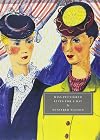
Miss Pettigrew is frumpy and middle-aged and finding it harder and harder to gain employment as a governess in 1930s London. One morning she is mistakenly sent to a potential job at the flat of Miss Delysia La Fosse (real name Sarah Grubb), a nightclub singer and 'it girl' who has a very complicated love life. Miss Pettigrew is immediately drawn into Delysia's affairs, preventing one boyfriend from finding out about his rivals and earning the younger woman's eternal gratitude. For the next 24 hours Miss Pettigrew leaves her drab life behind and is caught up in a whirl of the high life.
Although well-written, there is no depth to any of the characters save for our eponymous heroine. The story is carried through dialogue and action, not thought and reflection. Which is fine, but wasn't quite enough for me. I wanted to know more about how Delysia got to where she did and whether she was actually as feather-brained as she seemed. So a pleasant read, but probably not something I will go back to.
Although well-written, there is no depth to any of the characters save for our eponymous heroine. The story is carried through dialogue and action, not thought and reflection. Which is fine, but wasn't quite enough for me. I wanted to know more about how Delysia got to where she did and whether she was actually as feather-brained as she seemed. So a pleasant read, but probably not something I will go back to.

Blindness is a disturbing, distressing, fantastic book. The story opens with a man driving in his car. He stops at the traffic light blinks and is suddenly blind. It's an odd kind of blindness - an unwavering bright white light rather than the all-encompassing darkness that might be expected.
As the story unfolds those people who come into contact with this man also fal blind - his wife, his opthalmologist, even the kind citizen who drives the blind man home...then steals his car. As this odd epidemic takes wider hold, the government acts to quarantine those 'infected' and those at risk of infection. We follow what happens to those who are incarcerated into a disused asylum, including those people just mentioned.
What happens next is the breakdown of all social nicieties and human dignity. The asylum inmates commit and are subjected to humiliating and nauseating acts. There's one particular scene that nearly brought me to tears. Then there is a fire and the blind escape from the asylum into the outside world.
The story is narrated by friendly, sympathetic unknown person (although towards the end of the book there is a hint about who this might be). This person is telling us about horrific things, but kind of calms you by saying 'It's OK, that's the way people are, what are you going to do?'. I felt at times like I was watching a film or a play, engrossed in the action but always aware at some level that I was an observer, drawn away slightly by the narrator's comments. I show more actually liked this - I don't know if I could have finished the story without these brief respites from the grip of the action.
I also really enjoying the very vivid and smelly reality that Saramago describes. There is excrement, rotting corpses, vomit, blood. It is very very grim. It's so unlike the very clean 'end of the world' scenarios that Hollywood presents to us. Am I the only one who, when watching 'The Day After Tomorrow', wondered where people would go to the toilet if trapped in one room for days on end?? show less
As the story unfolds those people who come into contact with this man also fal blind - his wife, his opthalmologist, even the kind citizen who drives the blind man home...then steals his car. As this odd epidemic takes wider hold, the government acts to quarantine those 'infected' and those at risk of infection. We follow what happens to those who are incarcerated into a disused asylum, including those people just mentioned.
What happens next is the breakdown of all social nicieties and human dignity. The asylum inmates commit and are subjected to humiliating and nauseating acts. There's one particular scene that nearly brought me to tears. Then there is a fire and the blind escape from the asylum into the outside world.
The story is narrated by friendly, sympathetic unknown person (although towards the end of the book there is a hint about who this might be). This person is telling us about horrific things, but kind of calms you by saying 'It's OK, that's the way people are, what are you going to do?'. I felt at times like I was watching a film or a play, engrossed in the action but always aware at some level that I was an observer, drawn away slightly by the narrator's comments. I show more actually liked this - I don't know if I could have finished the story without these brief respites from the grip of the action.
I also really enjoying the very vivid and smelly reality that Saramago describes. There is excrement, rotting corpses, vomit, blood. It is very very grim. It's so unlike the very clean 'end of the world' scenarios that Hollywood presents to us. Am I the only one who, when watching 'The Day After Tomorrow', wondered where people would go to the toilet if trapped in one room for days on end?? show less
Unity Dow is Botswana's first female High Court Judge and in this book she has stuck closely to the profession she knows.
Naledi Chaba is a lawyer working for a children's centre, dealing with cases of divorce, rape and domestic violence. A single woman in a man's world, she struggles against the prejudices of the patriarchal, European-influenced legal code that is often in conflict with the customs of the country and which seems to always work in favour of men.
This could have been a good read except that Dow's writing is really heavy-handed and clunky. In the first two pages we know pretty much all there is to know about the story. Naledi obviously CARES, otherwise why hasn't she taken some high-flying legal job? And we know straight away that she's trying to balance being a serious career woman with wanting to wear high heels and paint her nails. Everything is heavily signposted, leaving nothing for the reader to find out about Naledi. And the only mystery of the book isn't actually very mysterious or interesting!
It doesn't help that much of the story is Naledi telling us about case after case that she has worked on to illustrate how women are treated in Botswana and the inequalities that exist. Valid issues, of course, but most of the book feels like reading a series of case studies from Dow's career. Which possibly would be more interesting than reading about Naledi's life.
Naledi Chaba is a lawyer working for a children's centre, dealing with cases of divorce, rape and domestic violence. A single woman in a man's world, she struggles against the prejudices of the patriarchal, European-influenced legal code that is often in conflict with the customs of the country and which seems to always work in favour of men.
This could have been a good read except that Dow's writing is really heavy-handed and clunky. In the first two pages we know pretty much all there is to know about the story. Naledi obviously CARES, otherwise why hasn't she taken some high-flying legal job? And we know straight away that she's trying to balance being a serious career woman with wanting to wear high heels and paint her nails. Everything is heavily signposted, leaving nothing for the reader to find out about Naledi. And the only mystery of the book isn't actually very mysterious or interesting!
It doesn't help that much of the story is Naledi telling us about case after case that she has worked on to illustrate how women are treated in Botswana and the inequalities that exist. Valid issues, of course, but most of the book feels like reading a series of case studies from Dow's career. Which possibly would be more interesting than reading about Naledi's life.
This is a collection of the essays, article, speeches, drama, fiction and poetry of the Egyptian feminist writer Nawal el Saadawi. She is a passionate and courageous advocate of women's rights, having been imprisoned, threatened with death and taken to court numerous times on charges of apostasy as a result of her writing on Islam and Egyptian society.
El Saadawi's main contention is that the oppression of women in the Arab world isn't just a religious issue - the global capitalist system and the neo-colonialism of the 'West', particuarly the United States, both play an important part in ensuring that women are continually subjected to economic and political repression. That's not to say that that she isn't critical of Islam or, rather, interpretations of Islam, but el Saadawi wants people to understand that they can't just dismiss what happens in North Africa and the Middle East as an Islamic problem.
The patriarchal oppression of women is a theme that flows through all the forms of el Saadawi's writing contained in this collection. Motherhood is also important. While she acknowledges the role of mothers in perpetuating this oppression (through the practice of female genital mutilation, for example), el Saadawi is keen to reclaim motherhood from the male-dominated Egyptian culture. She and her daughter have both faced charges in court because they wanted children to be able to take their mother's name not just their father's.
As always with this kind of book, I do wonder show more who el Saadawi intends her audience to be. Of course her writing appeals to me, I'm a left-wing feminist. But how does she reach women in a rural Egyptian village like the one she grew up in? How does her writing influence these women's lives?
Despite these reservations, I'd definitely recommend people to read this collection and any writing by Nawal el Saadawi. Her work is intellectual and always passionate. She's an important force for change. show less
El Saadawi's main contention is that the oppression of women in the Arab world isn't just a religious issue - the global capitalist system and the neo-colonialism of the 'West', particuarly the United States, both play an important part in ensuring that women are continually subjected to economic and political repression. That's not to say that that she isn't critical of Islam or, rather, interpretations of Islam, but el Saadawi wants people to understand that they can't just dismiss what happens in North Africa and the Middle East as an Islamic problem.
The patriarchal oppression of women is a theme that flows through all the forms of el Saadawi's writing contained in this collection. Motherhood is also important. While she acknowledges the role of mothers in perpetuating this oppression (through the practice of female genital mutilation, for example), el Saadawi is keen to reclaim motherhood from the male-dominated Egyptian culture. She and her daughter have both faced charges in court because they wanted children to be able to take their mother's name not just their father's.
As always with this kind of book, I do wonder show more who el Saadawi intends her audience to be. Of course her writing appeals to me, I'm a left-wing feminist. But how does she reach women in a rural Egyptian village like the one she grew up in? How does her writing influence these women's lives?
Despite these reservations, I'd definitely recommend people to read this collection and any writing by Nawal el Saadawi. Her work is intellectual and always passionate. She's an important force for change. show less
This review was written for LibraryThing Early Reviewers.
The characters in a comic strip she has written for more than 20 years, Alison Bechdel's Dykes to Watch Out For are complicated women. They are political, gay, loving, selfish, funny, hurtful, seriously intelligent, sexual, sexy, annoying, bi, good parents, not so good parents, drag kings and above all friends.
Bechdel's portrayal of the east coast, left-wing, lentil eating lesbian community is always funny and often sad as the main characters grow from their politically feisty young selves into adulthood and the opportunities and responsibilities that presents.
I can't believe how much I grew to love these women (and their associated men friends, children, and parents), considering they actually say and think in much fewer words than characters in a novel. Having finished this book this afternoon I feel a bit bereft.
Bechdel's portrayal of the east coast, left-wing, lentil eating lesbian community is always funny and often sad as the main characters grow from their politically feisty young selves into adulthood and the opportunities and responsibilities that presents.
I can't believe how much I grew to love these women (and their associated men friends, children, and parents), considering they actually say and think in much fewer words than characters in a novel. Having finished this book this afternoon I feel a bit bereft.
Harare North, aka London, is the new home of an unnamed young man from Zimbabwe. Escaping the trouble he's got into because of his activities as a member of Mugabe's youth militia, the man intends to stay in the UK long enough to earn the £5,000 he needs to pay back people at home. He claims asylum on arrival, gets taken to a detention centre and is later released into the care of his cousin with a few pounds in his pocket. It's immediately clear that he is not welcome in his cousin's house so he hooks up with his childhood friend Shingi who has been is living in a squat in Brixton, south London.
Harare North is the story of this young man and his journey through the underbelly of London life. The young man is an unreliable and unlikeable narrator but he is fascinating. The observations about British life as seen by a new arrival, which have been tackled by many other writers, feel fresh, interesting and funny. For example, the narrator believes that pubs with names like The Queen's Head and The Kings Arms are commemorations of a British propensity for dismembering royalty!
This is also a domestic story; much of the action plays out in houses, perhaps a nod to the fact that the lives of people awaiting asylum approval are circumscribed by the prohibition on them seeking work. And food is really important from the very first page with the description of the 'white ice-cold sun hanging in the sky like frozen pizza base'. Family also feature prominently, particularly those show more left behind who send requests for money and gifts in the belief that their son must be making his fortune in Harare North.
It's a great debut novel - I can't wait to read what Chikwava writes next. show less
Harare North is the story of this young man and his journey through the underbelly of London life. The young man is an unreliable and unlikeable narrator but he is fascinating. The observations about British life as seen by a new arrival, which have been tackled by many other writers, feel fresh, interesting and funny. For example, the narrator believes that pubs with names like The Queen's Head and The Kings Arms are commemorations of a British propensity for dismembering royalty!
This is also a domestic story; much of the action plays out in houses, perhaps a nod to the fact that the lives of people awaiting asylum approval are circumscribed by the prohibition on them seeking work. And food is really important from the very first page with the description of the 'white ice-cold sun hanging in the sky like frozen pizza base'. Family also feature prominently, particularly those show more left behind who send requests for money and gifts in the belief that their son must be making his fortune in Harare North.
It's a great debut novel - I can't wait to read what Chikwava writes next. show less
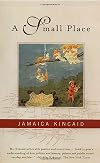
A Small Place is a frank and often scathing collection of essays that analyse the impact of British rule, American influence and tourism on the island of Antigua, Jamaica Kincaid's birthplace.
The first essay is addressed directly to those who visit the island for a holiday. It's sarcastic and has a sly wit, talking directly to the tourist, reassuring them that it's OK if you don't think too deeply about the problems you can see in Antigua, you're on holiday after all. Through this conversational reassurance, she shines a light on the social and political issues of the island, the continuing neagtive impact of colonialism and the ineptitudes of the governments that have followed the granting of self-rule - exactly the things that a thoughful visitor should take notice of. It's a clever way of making this white British reader laugh at the studipity of other Western travellers who don't notice the reality behind the facade of a sun-drenched paradise, but then fill me with guilt that although I think I'm a responsible, politically-conscious backpacker I probably look exactly these ignorant travellers to the people whose country I'm visiting.
Kincaid then goes on to write about the Antigua she grew up in, with its streets named after English 'maritime criminals' such as Horatio Nelson and the branch of Barclays Bank (founded by slave-traders), and the casual racism and cultural oppression of the British - making Queen Victoria's birthday an official holiday, for example. But show more she isn't afraid of criticising her fellow country people: 'We didn't say to ourselves, Hasn't this extremely unappealing person been dead for years and years? Instead, we were happy for a holiday.'
In the third essay, Kincaid sharpens this focus on the Antiguans themselves, asking 'Is the Antigua I see before me, self-ruled, a worse place than when it was dominated by the bad-minded English?'. She uses the image of her local library, damaged in an earthquake in 1974 and still left unrepaired at the time of writing in 1988, as a symbol of the political indifference and wekaness.
A Small Place was an uncomfortable read - exactly what Kincaid must have set out to achieve - but it isn't preachy or boring. It's the kind of book that a large part of the British and American populations (especially politicians) should be made to read. show less
The first essay is addressed directly to those who visit the island for a holiday. It's sarcastic and has a sly wit, talking directly to the tourist, reassuring them that it's OK if you don't think too deeply about the problems you can see in Antigua, you're on holiday after all. Through this conversational reassurance, she shines a light on the social and political issues of the island, the continuing neagtive impact of colonialism and the ineptitudes of the governments that have followed the granting of self-rule - exactly the things that a thoughful visitor should take notice of. It's a clever way of making this white British reader laugh at the studipity of other Western travellers who don't notice the reality behind the facade of a sun-drenched paradise, but then fill me with guilt that although I think I'm a responsible, politically-conscious backpacker I probably look exactly these ignorant travellers to the people whose country I'm visiting.
Kincaid then goes on to write about the Antigua she grew up in, with its streets named after English 'maritime criminals' such as Horatio Nelson and the branch of Barclays Bank (founded by slave-traders), and the casual racism and cultural oppression of the British - making Queen Victoria's birthday an official holiday, for example. But show more she isn't afraid of criticising her fellow country people: 'We didn't say to ourselves, Hasn't this extremely unappealing person been dead for years and years? Instead, we were happy for a holiday.'
In the third essay, Kincaid sharpens this focus on the Antiguans themselves, asking 'Is the Antigua I see before me, self-ruled, a worse place than when it was dominated by the bad-minded English?'. She uses the image of her local library, damaged in an earthquake in 1974 and still left unrepaired at the time of writing in 1988, as a symbol of the political indifference and wekaness.
A Small Place was an uncomfortable read - exactly what Kincaid must have set out to achieve - but it isn't preachy or boring. It's the kind of book that a large part of the British and American populations (especially politicians) should be made to read. show less
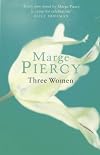
As the title suggests, this book revolves around three women. Suzanne is a lawyer and academic whose very neatly organised life that fits around her career. She has two grown up children: Rachel is training to be a rabbi; Elena...well Elena has always been a troublesome child. She gets sacked and has to move back in with Suzanne, disturbing her mother's peaceful home. The reader is soon told that Elena has been involved in a harrible, tragic event when she was growing up. While Suzanne has to adapt to having her child at home agaian, her mother, Beverly, suffers a stroke. Beverly, in her 70s, is a fierce political activist but now is a prisoner in her own body, forced to move in with her daughter while she tries to re-learn the skills she has known since childhood.
Through exploring these women's lives and their often fraught relationships, Piercy explores a number of issues including caring for the elderly and the American healthcare system. I think the main point though is her focus on gender relationships; through these three women, plus Rachel and Suzanne's friend Marta, Piercy is asking a series of questions. To what extent a woman should compromise her needs for a man? Do we use relationships to disguise what is wrong in our lives? And at the end of the day, do sexual relationships mean anything? Beverly has great sex over the years but it is still the women in her life, her family, who care for her right to the end.
I find Piercy's work a bit hit and miss and Three show more Women isn't my all-time favourite by her but it was a book that gave me pause for thought. show less
Through exploring these women's lives and their often fraught relationships, Piercy explores a number of issues including caring for the elderly and the American healthcare system. I think the main point though is her focus on gender relationships; through these three women, plus Rachel and Suzanne's friend Marta, Piercy is asking a series of questions. To what extent a woman should compromise her needs for a man? Do we use relationships to disguise what is wrong in our lives? And at the end of the day, do sexual relationships mean anything? Beverly has great sex over the years but it is still the women in her life, her family, who care for her right to the end.
I find Piercy's work a bit hit and miss and Three show more Women isn't my all-time favourite by her but it was a book that gave me pause for thought. show less

Smile or Die is Ehrenreich's analysis of the positive thinking industry in America, inspired by the attitudes she encountered while she underwent treatment for breast cancer. When looking at internet support groups and the like and talking to others with the disease she found that there was an overwhelming belief in that a positive mental attitude is the only way that the cancer can be beaten - smile or die.
From there Ehrenreich looks at the huge money-spinning industry that has grown up around positive thinking, the reason this has developed (a reaction to Calvinism), the links to evangelical Christianity and how corporations have bought into the positive thinking mantras. She feels that the recent economic crisis came about because of collective positive thinking that did not allow anyone to point out the dangers of the misplaced optimism that fuelled, for example, the sub prime mortgage market.
If ever a book was written to reinforce the prejudices about America that some over this side of the pond have, this is it. Americans come off as really quite stupid and unable to think for themselves. And to be honest it feels like Ehrenreich feels that way herself for a lot of the time!
Seriously though, it was an interesting read and really quite scary at points.
As always with these kind of books I question who Ehrenreich thinks her audience is. People involved in the positive-thinking industry? Probably not. Ordinary people who might get caught up in, and lose their show more livelihoods as a result of, the positive thinking ethos? Maybe. American left-wingers and smug Europeans who laugh at the naive optimism of those over the pond? Most definitely! show less
From there Ehrenreich looks at the huge money-spinning industry that has grown up around positive thinking, the reason this has developed (a reaction to Calvinism), the links to evangelical Christianity and how corporations have bought into the positive thinking mantras. She feels that the recent economic crisis came about because of collective positive thinking that did not allow anyone to point out the dangers of the misplaced optimism that fuelled, for example, the sub prime mortgage market.
If ever a book was written to reinforce the prejudices about America that some over this side of the pond have, this is it. Americans come off as really quite stupid and unable to think for themselves. And to be honest it feels like Ehrenreich feels that way herself for a lot of the time!
Seriously though, it was an interesting read and really quite scary at points.
As always with these kind of books I question who Ehrenreich thinks her audience is. People involved in the positive-thinking industry? Probably not. Ordinary people who might get caught up in, and lose their show more livelihoods as a result of, the positive thinking ethos? Maybe. American left-wingers and smug Europeans who laugh at the naive optimism of those over the pond? Most definitely! show less

Cry Wolf opens with Curie, a M-other and guru to a group of human-like creatures, seemingly innocent and in need of protection from the horrors of the world as it was before. During a class one of Curie's pupils suddenly displays a previously hidden intelligence and begins to ask questions about Curie's life. Curie resists giving this knowledge but finally relents and tells her story.
She begins with the four women she lived with. Together they decide, taking inspiration from Scheherazade, to stop the coming day of impending world destruction by working their way into nuclear bunkers and distracting the men there by telling them tales that will stop them pressing the red button. The next section of the book is each of their tales, each of which ends as lights start to flash and sirens start to sound.
Curie then goes back further in time to tell the story of her two mothers, Bee who is shot on the fences of Greenham Common and Lily Ghost who becomes her surrogate mother.
Finally we return to Curie and her friends who are seized by the military and shipped off to a desolate location and left to perish. There they meet the creatures who become Curie's disciples.
Hopefully with that synopsis I've saved you from having to read the book yourself. While there are interesting themes of story-telling, truth and deception I struggled with most of this book. The sudden relevation of her pupil's intelligence and Curie's decision to tell her story just seemed too contrived.
Also, as show more urania1 has noted in another Club Read thread, Curie's attitude to her charges in the first part of the book is really patronising, not what you'd expect from a feminist work. And I found the writing style too laboured. The blurb on the back describes La Tourette as having remarkable story-telling gifts, but for me it felt like she was trying too hard to create a sense of mystery and otherworldliness, particularly in the first part when a ritual festival/shag-fest takes place that I just couldn't engage with at all.
I've considered whether this like my usual reaction to anything mystical or magical realist, but I don't think so. I enjoyed couple of the women's stories (particularly the one where a girl has a large red tail), I just like any other parts!
I think my lasting impression is of a writer who was trying to write a book that would be remembered as a feminist classics of the 1980s. I'm sure I'm doing La Tourette a dis-service with that statement, but there you are. show less
She begins with the four women she lived with. Together they decide, taking inspiration from Scheherazade, to stop the coming day of impending world destruction by working their way into nuclear bunkers and distracting the men there by telling them tales that will stop them pressing the red button. The next section of the book is each of their tales, each of which ends as lights start to flash and sirens start to sound.
Curie then goes back further in time to tell the story of her two mothers, Bee who is shot on the fences of Greenham Common and Lily Ghost who becomes her surrogate mother.
Finally we return to Curie and her friends who are seized by the military and shipped off to a desolate location and left to perish. There they meet the creatures who become Curie's disciples.
Hopefully with that synopsis I've saved you from having to read the book yourself. While there are interesting themes of story-telling, truth and deception I struggled with most of this book. The sudden relevation of her pupil's intelligence and Curie's decision to tell her story just seemed too contrived.
Also, as show more urania1 has noted in another Club Read thread, Curie's attitude to her charges in the first part of the book is really patronising, not what you'd expect from a feminist work. And I found the writing style too laboured. The blurb on the back describes La Tourette as having remarkable story-telling gifts, but for me it felt like she was trying too hard to create a sense of mystery and otherworldliness, particularly in the first part when a ritual festival/shag-fest takes place that I just couldn't engage with at all.
I've considered whether this like my usual reaction to anything mystical or magical realist, but I don't think so. I enjoyed couple of the women's stories (particularly the one where a girl has a large red tail), I just like any other parts!
I think my lasting impression is of a writer who was trying to write a book that would be remembered as a feminist classics of the 1980s. I'm sure I'm doing La Tourette a dis-service with that statement, but there you are. show less
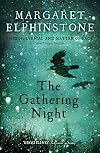
The Gathering Night is set in the Mesolithic period in Scotland. It tells the story of the Auk people and the events that follow when a member of the Lynx people joins their tribe.
The story is enjoyable and the way Elphinstone tackles the language and culture of the period is interesting. The tale is told by the main characters as they sit around the fire of the Gathering Camp with their tribe and I think this helps keep a tight narrative; there aren't overly long descriptions of landscape of hunting scenes which would have turned me off. The gender aspects can feel a bit clunky, there are a lot of statements like 'women are always listening to what doesn't concern them' to ram home the idea to the reader that stereotypes might have been part of that society. But who I am to say that Mesolithic people didn't speak or think that way??
Overall I enjoyed reading it and I would suggest it to others but it doesn't need to be a permanent fixture on my shelf unlike other Elphinstone books such as Voyageurs or The Sea Road.
The story is enjoyable and the way Elphinstone tackles the language and culture of the period is interesting. The tale is told by the main characters as they sit around the fire of the Gathering Camp with their tribe and I think this helps keep a tight narrative; there aren't overly long descriptions of landscape of hunting scenes which would have turned me off. The gender aspects can feel a bit clunky, there are a lot of statements like 'women are always listening to what doesn't concern them' to ram home the idea to the reader that stereotypes might have been part of that society. But who I am to say that Mesolithic people didn't speak or think that way??
Overall I enjoyed reading it and I would suggest it to others but it doesn't need to be a permanent fixture on my shelf unlike other Elphinstone books such as Voyageurs or The Sea Road.
This review was written for LibraryThing Early Reviewers.
It Shouldn't Happen To A Vet is Herriot's memoir of his time as a young vet working in the Yorkshire Dales during the 1930s. It's really just a series of anecdotes about being a vet (I now know more about bovine uterine prolapses than I ever thought possible) and about the hardiness and plain-speaking attitude of the bluff Yorkshire men who Herriot met through his work. There is some love interest as he has a series of unsuccessful dates with a local woman. I didn't object to reading this but I found it a bit repetitive and boring.

As a Booker Prize winner, Wolf Hall has received hundreds and hundreds of reviews and much praise. I came to it feeling a little sceptical that a book could deserve such lavish plaudits and having not really enjoyed Beyond Black, the only other Mantel I have read.
I was very pleasantly surprised! Wolf Hall is one of the best books I've read for a long time. It follows the story of Thomas Cromwell, a blacksmith's son who raises to the highest position of power in the English Tudor court just below that of king. Cromwell becomes a vital advisor to Henry VIII during his separation from Catherine of Aragon, marriage to Anne Boleyn and break from the Roman Catholic church.
While the story is 650 pages long and is told from Cromwell's point of view, although in the third not the first person, I feel like I know very little about his character. To his contemporaries he is a mysterious man and to the reader he is equally inscrutable. A hard-headed man, not afraid to wield his power and able to bear a grudge for a long time, we catch brief glimpses of his grief at the death of his wife and daughters and his loyalty to his mentor Cardinal Wolsey. He also inspires great loyalty in his supporters. But at a time when strongly-held principles and beliefs were of vital importance (often leading to death or great power), Cromwell is strangely apolitical. (For Brits reading this, he feels a bit like a Tudor Peter Mandelson!). Mantel's skill as a writer is that although Cromwell manoevures show more himself into advantageous positions and is often brutal to his enemies, he is not unlikable. show less
I was very pleasantly surprised! Wolf Hall is one of the best books I've read for a long time. It follows the story of Thomas Cromwell, a blacksmith's son who raises to the highest position of power in the English Tudor court just below that of king. Cromwell becomes a vital advisor to Henry VIII during his separation from Catherine of Aragon, marriage to Anne Boleyn and break from the Roman Catholic church.
While the story is 650 pages long and is told from Cromwell's point of view, although in the third not the first person, I feel like I know very little about his character. To his contemporaries he is a mysterious man and to the reader he is equally inscrutable. A hard-headed man, not afraid to wield his power and able to bear a grudge for a long time, we catch brief glimpses of his grief at the death of his wife and daughters and his loyalty to his mentor Cardinal Wolsey. He also inspires great loyalty in his supporters. But at a time when strongly-held principles and beliefs were of vital importance (often leading to death or great power), Cromwell is strangely apolitical. (For Brits reading this, he feels a bit like a Tudor Peter Mandelson!). Mantel's skill as a writer is that although Cromwell manoevures show more himself into advantageous positions and is often brutal to his enemies, he is not unlikable. show less

Charlie and Bedelia, an American couple living in the early 1900s, have a seemingly perfect life. After a whirlwind romance and marriage they have settled down into Charlie's large family home. He works hard to provide his gorgeous new wife with all the comforts she needs. Bedelia plays her part by keeping a beautiful, tasteful home.
However it's not long before dark shadows start to inflitrate this idyll. Bedelia gets caught out in telling some white lies. Then Charlie is struck down with what appears to be food poisoning but could be something more sinister...
...as this is a thriller I won't give any more away. Caspary's writing is engaging and I had trouble putting the book down. She gives the story a bit of a twist by introducing the character of Ellen, a journalist who is in love with but was rejected by Charlie. Ellen enables Caspary to consider other ways of living for women beyond marriage and motherhood which I think takes Bedelia beyond other femme fatale thrillers.
Bedelia is the second book I've read from the Feminist Press's Femmes Fatales series of re-issued pulp fiction written by women. I'll definitely be buying more in the series.
However it's not long before dark shadows start to inflitrate this idyll. Bedelia gets caught out in telling some white lies. Then Charlie is struck down with what appears to be food poisoning but could be something more sinister...
...as this is a thriller I won't give any more away. Caspary's writing is engaging and I had trouble putting the book down. She gives the story a bit of a twist by introducing the character of Ellen, a journalist who is in love with but was rejected by Charlie. Ellen enables Caspary to consider other ways of living for women beyond marriage and motherhood which I think takes Bedelia beyond other femme fatale thrillers.
Bedelia is the second book I've read from the Feminist Press's Femmes Fatales series of re-issued pulp fiction written by women. I'll definitely be buying more in the series.
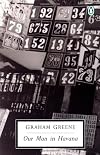
An enjoyable re-read. Wormold, a British ex-pat living in Havana, runs a branch of a vacuum cleaner supplier, has drinks every day with his only friend Dr Hasselbacher and worries that he doesn't have the money to give his attractive young daughter the future she deserves. One day a British gentleman appears in Havana and offers Wormold the chance to become a spy for Her Majesty's Government. What follows is farcical, absurd and very funny as Wormold becomes embroiled in what turns out to be a very dangerous situation.
The close connections between the British Secret Service and writers of fiction in real life (Ian Fleming for example) sharpen the satire and make me think that Wormold's experiences might not be that far away from the reality of the spying network in the mid-20th century!
Wormold himself is an interesting character, a passive man who just seems to take everything that's thrown at him and ends up in a much better position than before. But there's also a lot of unknowns about him. How did he end up in Cuba? What happened between him and his wife to make her run off?
The close connections between the British Secret Service and writers of fiction in real life (Ian Fleming for example) sharpen the satire and make me think that Wormold's experiences might not be that far away from the reality of the spying network in the mid-20th century!
Wormold himself is an interesting character, a passive man who just seems to take everything that's thrown at him and ends up in a much better position than before. But there's also a lot of unknowns about him. How did he end up in Cuba? What happened between him and his wife to make her run off?

While not set in her usual milieu of the New York upper class, Ethan Frome is a familiar Wharton story of love frustrated by the strictures of society. Farmer Ethan Frome falls for his wife's cousin who lives with them in rural New England. Mattie is young and fresh and lovely; his wife Zeena is constantly ill and demanding; Ethan is lonely, unloved and unappreciated. In this novella we join their story as this situation reaches it's sad conclusion.
I think the novella format didn't really work for me. I needed to follow the development of Ethan and Mattie's relationship over a longer period to buy into the idea of them throwing away everything on what felt to me like a whim. I guess I'm just not a romantic!
I think the novella format didn't really work for me. I needed to follow the development of Ethan and Mattie's relationship over a longer period to buy into the idea of them throwing away everything on what felt to me like a whim. I guess I'm just not a romantic!

Priory Dean is a small village, near to London. It is essentially rural but near enough to the city to start to be attractive for people who want to commute into the city. These people are not the kind that those who live in the Priory Hill area of the village would welcome. Priory Hill is where the better people live, those of the upper-middle class. They aren't necessarily wealthy, indeed some of them are in dire financial straits, but they consider themselves to be the moral leaders of the village. Unlike the working-class people who live down at Staion Road and how are mainly beyond the notice of the Priory Hill set.
The Village opens on the night that victory is declared in Europe in 1945. Wendy (from Priory Hill) and Edith (Station Road resident) meet up for their final night of duty at the Red Cross post. The war has brought these two very different women together across the class divide but the end of war leads to the resumption of their proper places - socially important woman and her 'char'.
The story continues and shows up the English class hypocrisies and the real nastiness of people concerned with retaining their place in society. The introduction of an American who doesn't understand the subtleties of this life emphasises these very English characteristics. Many of the characters are deeply unplesant, Wendy in particular, and Marghanita Laski does have some fun at their expense. This isn't a complex portrayal of the English rural middle classes in the show more immediate post-war years, but it feels very authentic! show less
The Village opens on the night that victory is declared in Europe in 1945. Wendy (from Priory Hill) and Edith (Station Road resident) meet up for their final night of duty at the Red Cross post. The war has brought these two very different women together across the class divide but the end of war leads to the resumption of their proper places - socially important woman and her 'char'.
The story continues and shows up the English class hypocrisies and the real nastiness of people concerned with retaining their place in society. The introduction of an American who doesn't understand the subtleties of this life emphasises these very English characteristics. Many of the characters are deeply unplesant, Wendy in particular, and Marghanita Laski does have some fun at their expense. This isn't a complex portrayal of the English rural middle classes in the show more immediate post-war years, but it feels very authentic! show less
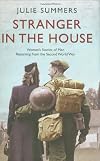
This book is exactly what it says in the title - women's stories of what happened when their men returned from the war, told from the point of view of mothers, wives and daughters. There are some heart-warming stories, tales of love surviving years of separation and trauma. There are also some very moving histories, particularly those about the long-lasting impact that imprisonment in Japanese prison of war camps had on men and repercussions for their families.
Not only did women have to cope with the physical and mental effects of the war on their partners, but very often they had to restrict their own lives and the independence they may have experienced during the war to care for these damaged men. Every story told by those interviewed by Summers involves a wife getting on with the lot she has been given whatever that means for the rest of her life. However, many of the men seem not to have realised what sacrifices were made for them or the difficult lives that women experienced while they were away at war. I suppose neither person could truly understand the other's experiences.
Summers also highlights the plight of women caught up in extramarital affairs during the war, how they could be ostracised and how men dealt with their wife's infidelity.
Summers writes with obvious warmth for the women who have told her their stories. It's an interesting and sometimes moving read. My only criticism is that I would have liked a bit more context about how society in general was show more coming to terms with the end of the war alongside the personal stories. She mentions the shockingly small pensions that war widows received and that a support group for these women wasn't formed until the 1970s, but I think I needed a bit more about the immediate post-war years, a time I know little about. show less
Not only did women have to cope with the physical and mental effects of the war on their partners, but very often they had to restrict their own lives and the independence they may have experienced during the war to care for these damaged men. Every story told by those interviewed by Summers involves a wife getting on with the lot she has been given whatever that means for the rest of her life. However, many of the men seem not to have realised what sacrifices were made for them or the difficult lives that women experienced while they were away at war. I suppose neither person could truly understand the other's experiences.
Summers also highlights the plight of women caught up in extramarital affairs during the war, how they could be ostracised and how men dealt with their wife's infidelity.
Summers writes with obvious warmth for the women who have told her their stories. It's an interesting and sometimes moving read. My only criticism is that I would have liked a bit more context about how society in general was show more coming to terms with the end of the war alongside the personal stories. She mentions the shockingly small pensions that war widows received and that a support group for these women wasn't formed until the 1970s, but I think I needed a bit more about the immediate post-war years, a time I know little about. show less

Derek Jarman's garden is beautiful and odd. In the mid-1980s he bought a fisherman's cottage on Dungeness, a bleak expanse of shingle on the English south coast with views of the sea, a lighthouse and a massive nuclear power station. I visited Dungeness as a child and was fascinated by how desolate and strange the place is.
A few years ago, I visited Dungeness again with friends and we included a trip to see Derek Jarman's garden. Jarman, a painter and film director who died in the 90s, created a garden of stones, native plants and sculptures of wood and metal. It fits the landscape perfectly.
This book contains Jarman's writing about his garden right up to the last year of his life, accompanied by pictures taken by a friend of Jarman and the garden. It gave me a real sense of him as a person and increased my enjoyment of seeing the garden in real life.
A few years ago, I visited Dungeness again with friends and we included a trip to see Derek Jarman's garden. Jarman, a painter and film director who died in the 90s, created a garden of stones, native plants and sculptures of wood and metal. It fits the landscape perfectly.
This book contains Jarman's writing about his garden right up to the last year of his life, accompanied by pictures taken by a friend of Jarman and the garden. It gave me a real sense of him as a person and increased my enjoyment of seeing the garden in real life.
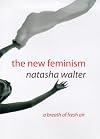
Published in 1998 as Britain came out of the long, dark years of Thatcherism, The New Feminism was written to reclaim feminism and show women that it was relevant to their lives and not just about man-hating lesbians.
Walter clearly had a bad experience in which she felt she was pushed away from feminism because she enjoyed sex with men and this colours her approach to the subject. She's very keen to rebut claims made by some of the more radical 1970s feminists like Germaine Greer and Gloria Steinem like the infamous 'all men are rapists'. Walter is vehement in her view that feminism should keep its nose out of people's bedrooms. Which would be fine if sex and sexuality weren't the very areas where misogyny and inequality continue to exist. I think she's right to point out that radical anti-male statements aren't helpful in engaging people in the feminist cause, but she doesn't explore the media's role in promoting this as the single narrative about a movement that was/is incredibly diverse.
The book is also very much a product of its time, not just because the Spice Girls' statements about girl power are often referenced! The focus is on material needs and wants which feels like a product of the individualistic materialistic 1980s and early 90s.
I have to admit that my hackles were raised for much of this book. I have marked numerous pages where Walter's statements provoked me, none more so than when she claims that Margaret Thatcher was an unsung feminist icon who did a show more lot to advance the cause of women. Really?? I don't remember universal free child care being introduced during her rule. I don't remember sexual violence against women disappearing between 1979 and 1990. show less
Walter clearly had a bad experience in which she felt she was pushed away from feminism because she enjoyed sex with men and this colours her approach to the subject. She's very keen to rebut claims made by some of the more radical 1970s feminists like Germaine Greer and Gloria Steinem like the infamous 'all men are rapists'. Walter is vehement in her view that feminism should keep its nose out of people's bedrooms. Which would be fine if sex and sexuality weren't the very areas where misogyny and inequality continue to exist. I think she's right to point out that radical anti-male statements aren't helpful in engaging people in the feminist cause, but she doesn't explore the media's role in promoting this as the single narrative about a movement that was/is incredibly diverse.
The book is also very much a product of its time, not just because the Spice Girls' statements about girl power are often referenced! The focus is on material needs and wants which feels like a product of the individualistic materialistic 1980s and early 90s.
I have to admit that my hackles were raised for much of this book. I have marked numerous pages where Walter's statements provoked me, none more so than when she claims that Margaret Thatcher was an unsung feminist icon who did a show more lot to advance the cause of women. Really?? I don't remember universal free child care being introduced during her rule. I don't remember sexual violence against women disappearing between 1979 and 1990. show less

The Holiday is set in England in 1949 and tells the story of Celia who works in a government Ministry. She and her cousin, who she's secretly in love with, go to stay with their Uncle Heber for a holiday. And that's it really. The story's a bit slow for me and I drifted off during some of the long conversations between Celia and her cousin, but I did enjoy the discussions about what victory means for a country. There was a real sense that after the intense experience of the Second World War and the excitement of victory, it's not clear what remains, apart from some very damaged people.
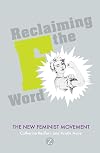
Reclaiming the F-Word has three purposes. The first is to provoke women like me, armchair feminists, into taking action about the issues that concern them. The second is to make more young women aware that feminism isn't a dead issue, it is vital to today's world. And finally the authors want to remind second-wave feminists (those active in the 70s) that the activism of today isn't less valid than their struggles just because it seems less militant.
In the 1970s the women's liberation movement had a list of seven demands starting with equal pay now and ending with the right to freedom from violence and sexual coercion. Redfern and Aune put forward a new list of what feminists want. Depressingly, this list isn't that much different from that put together 40 years ago. Sexual freedom, an end to violence against women, equality at work and an end to cultural sexism are still relevant today. The point is made that while gains may have been made in terms of legislation, society still hasn't embraced feminism and gender equality.
As I said, I'm an armchair feminist. I have no hesitation in describing myself as a feminist but I don't take part in any activism. So how did this book affect me? It made me bloody angry at the injustices and discrimination that women are still subjected to. How can we accept that 80,000 rapes take place in the UK each year? Why do young women want to be a footballer's wife when they want to grow up? The authors helpfully provide examples of activism show more and what action women can take and I need to think about what I intend to do about these subjects that I care about deeply.
Having said that, I don't think this book is entirely successful. Each section feels a bit light, as if the authors didn't want to get bogged down in detail in case they frighten away newcomers to feminism. I also think that while the examples of activism are helpful, the successes of some of these activities aren't emphasised enough. It feels like there's a lot of blog-writing, facebook campaigns etc with little actually being changed.
I'd be really interested to know whether the people who read this book already consider themselves to be feminists. Are Redfern and Aune finding a new audience or are they just preaching to the converted? show less
In the 1970s the women's liberation movement had a list of seven demands starting with equal pay now and ending with the right to freedom from violence and sexual coercion. Redfern and Aune put forward a new list of what feminists want. Depressingly, this list isn't that much different from that put together 40 years ago. Sexual freedom, an end to violence against women, equality at work and an end to cultural sexism are still relevant today. The point is made that while gains may have been made in terms of legislation, society still hasn't embraced feminism and gender equality.
As I said, I'm an armchair feminist. I have no hesitation in describing myself as a feminist but I don't take part in any activism. So how did this book affect me? It made me bloody angry at the injustices and discrimination that women are still subjected to. How can we accept that 80,000 rapes take place in the UK each year? Why do young women want to be a footballer's wife when they want to grow up? The authors helpfully provide examples of activism show more and what action women can take and I need to think about what I intend to do about these subjects that I care about deeply.
Having said that, I don't think this book is entirely successful. Each section feels a bit light, as if the authors didn't want to get bogged down in detail in case they frighten away newcomers to feminism. I also think that while the examples of activism are helpful, the successes of some of these activities aren't emphasised enough. It feels like there's a lot of blog-writing, facebook campaigns etc with little actually being changed.
I'd be really interested to know whether the people who read this book already consider themselves to be feminists. Are Redfern and Aune finding a new audience or are they just preaching to the converted? show less
This review was written for LibraryThing Early Reviewers.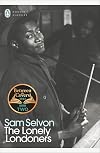
The Lonely Londoners tells the stories of men who arrived in London from the West Indies in the 1950s. They encounter overt and covert racism and end up in crappy jobs struggling to make ends meet, but they play hard often with the white women who seem to be particularly attracted to these exotic men.
I really enjoyed this book. It's a love story, about the love between Trinidadian Moses Aloetta and the city he has lived in for ten years. It's not always a happy relationship - the city is cold, unfriendly. As Moses points out, 'Nobody in London does really accept you. They tolerate you, yes, but you can't go in their house and eat or sit down and talk'. It's still like this and I don't think it will change. In my street there are people from the West Indies, Asia, Eastern Europe, Africa, but do we mix? Not really, beyond a quick chat on the doorstep. It can be the loneliest place.
But it can also be the most wonderful place too. Moses asks: "What is it that a city have, that any place in the world have, that you get so much to like it you wouldn't leave it for anywhere else?". There are moments when being in London is spiritually uplifting.
There is much that doesn't change about London. One of the characters moans about the tube not running all night, something we still complain about! Immigrants still come to the city seeking out friends of friends who can help them start a new life, like Moses helps out numerous people from the islands. People settle here and add to the show more city's life, and others don't like that they come here at all. The media still plays on these fears as do the newspapers in Sam Selvon's story. show less
I really enjoyed this book. It's a love story, about the love between Trinidadian Moses Aloetta and the city he has lived in for ten years. It's not always a happy relationship - the city is cold, unfriendly. As Moses points out, 'Nobody in London does really accept you. They tolerate you, yes, but you can't go in their house and eat or sit down and talk'. It's still like this and I don't think it will change. In my street there are people from the West Indies, Asia, Eastern Europe, Africa, but do we mix? Not really, beyond a quick chat on the doorstep. It can be the loneliest place.
But it can also be the most wonderful place too. Moses asks: "What is it that a city have, that any place in the world have, that you get so much to like it you wouldn't leave it for anywhere else?". There are moments when being in London is spiritually uplifting.
There is much that doesn't change about London. One of the characters moans about the tube not running all night, something we still complain about! Immigrants still come to the city seeking out friends of friends who can help them start a new life, like Moses helps out numerous people from the islands. People settle here and add to the show more city's life, and others don't like that they come here at all. The media still plays on these fears as do the newspapers in Sam Selvon's story. show less
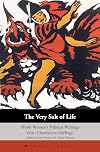
This book is exactly what it says in the title - a collection of writings (in English and Welsh, with translations) by Welsh women starting in the 1830s when women a large number of British women started to become publically politically active to the winning of the vote on equal terms with men in 1928.
It's a fascinating read for a number of reasons. It provides a context for the relationship between the Welsh and the English, which can still be difficult. In 1847 the British Government published a report about the state of education in Wales, a document that was overwhelmingly negative (if not outright racist) about the Welsh, the Welsh language and their nonconformist religious traditions. One of the first article in this book is a strident rebuttal to this report written by Jane Williams. She put forward a detailed analysis of the report highlighting the failings of the evidence it was based on. Her intelligent arguments and obvious idignation at this insult to her country are compelling.
This book also shows that while women were keen to have their voices heard and were becoming ever more confident about being politically active in public, their self-proclaimed reasons for doing this were couched in the accepted thought of the Victorian age. They colluded with the notion of women being the moral guardians of the nation and explained that the motivations for their activism were based in their natural womanly responsibilities. One writer notes 'it is your womanly duty to show more minister to the sick, therefore it is also your duty to raise your voice on behalf of the important Land Laws, Rural Reforms, and other Liberal measures that will prevent overcrowding, bad sanitation and consequent disease. It is your womanly duty to rescue the tempted and comfort the sorrow stricken...' The implication is that men did not have these duties so it was up to women to take on these issues, the argument that was often used to overcome protest from men (and from other women who believed that the woman's place was in the home). I can see why this method was useful but it I would have loved to see women talking about wanting power to make decisions rather than the flowery discussions of using their influence, based on female feelings, to change male decision-making.
The personal stories that appear later in the book are also very interesting, particularly those of women who participated in the Suffrage Pilgrimage, marching from various parts of Wales to London in 1913 to meet up with women from all over the country. show less
It's a fascinating read for a number of reasons. It provides a context for the relationship between the Welsh and the English, which can still be difficult. In 1847 the British Government published a report about the state of education in Wales, a document that was overwhelmingly negative (if not outright racist) about the Welsh, the Welsh language and their nonconformist religious traditions. One of the first article in this book is a strident rebuttal to this report written by Jane Williams. She put forward a detailed analysis of the report highlighting the failings of the evidence it was based on. Her intelligent arguments and obvious idignation at this insult to her country are compelling.
This book also shows that while women were keen to have their voices heard and were becoming ever more confident about being politically active in public, their self-proclaimed reasons for doing this were couched in the accepted thought of the Victorian age. They colluded with the notion of women being the moral guardians of the nation and explained that the motivations for their activism were based in their natural womanly responsibilities. One writer notes 'it is your womanly duty to show more minister to the sick, therefore it is also your duty to raise your voice on behalf of the important Land Laws, Rural Reforms, and other Liberal measures that will prevent overcrowding, bad sanitation and consequent disease. It is your womanly duty to rescue the tempted and comfort the sorrow stricken...' The implication is that men did not have these duties so it was up to women to take on these issues, the argument that was often used to overcome protest from men (and from other women who believed that the woman's place was in the home). I can see why this method was useful but it I would have loved to see women talking about wanting power to make decisions rather than the flowery discussions of using their influence, based on female feelings, to change male decision-making.
The personal stories that appear later in the book are also very interesting, particularly those of women who participated in the Suffrage Pilgrimage, marching from various parts of Wales to London in 1913 to meet up with women from all over the country. show less

Women of the West tells the stories of women who travelled across America in the 1800s to new lives in the West. This is a great book. I think what I like most about it is the breadth of experience that Luchetti has included - white women, black women, Indian women, European women, rich women, poor women, mothers, educators, business women, religious women. The sources used are mainly diaries, memoirs and letters which give vivid, personal accounts of the terrible hardships that many of these women experienced, the monotony of rural life, the strength they drew from their beliefs and the opportunitites that some of them were able to take.
The writings are accompanied by some wonderful photographs, not only of the writers themselves but also of the landscapes and communities of the West.
The writings are accompanied by some wonderful photographs, not only of the writers themselves but also of the landscapes and communities of the West.

On 7 April 1926, Violet Gibson attempted to assassinate Mussolini. Violet was a member of the Anglo-Irish upper class and a Catholic, who believed that she had to kill him to save the people of Italy. Despite attempts to link her actions to a wider conspiracy to destroy Il Duce Violet was eventually determined to be mad, was shipped back to Britain and spent the rest of her life shut away in an asylum for the well to do.
It's a fascinating story. However I found the first part of the book (about Violet's early life and the build up to the shooting) to be really weak and this coloured my enjoyment of the whole work. There's obviously a lack of primary source evidence about Violet, her life (we don't even know the name of her fiance) and the development of her mental health problems, so Stonor Saunders chooses to tell her story within the wider context of the early twentieth century, particularly instances of famous cases of mental illness and the struggle for Irish independence that Violet supported. Stonor Saunders goes to great lengths to name check people like Virgina Woolf, Zelda Fitzgerald, T S Eliot, Man Ray, Florence Nightingale, the Pankhursts, James Joyce and his mad daughter Lucia. But she doesn't then provide an analysis of these people's lives or explain how these have helped her achieve any understanding of Violet. I don't mind coming to my own conclusions but am also interested in how Stonor Saunders has come to hers.
Ultimately the constant quoting of other show more people's writing or lives made me feel distant from Violet as if I couldn't get to her through the crowd, which is probably similar to how Stonor Saunders felt. Violet didn't leave much evidence behind (unlike the writings of Woolf etc) and much of her story, and the woman herself, is unreachable. While I found the second part of the book, which deals with events after the shooting, interesting, that sense of distance from Violet remained and I came away feeling unsatisfied. show less
It's a fascinating story. However I found the first part of the book (about Violet's early life and the build up to the shooting) to be really weak and this coloured my enjoyment of the whole work. There's obviously a lack of primary source evidence about Violet, her life (we don't even know the name of her fiance) and the development of her mental health problems, so Stonor Saunders chooses to tell her story within the wider context of the early twentieth century, particularly instances of famous cases of mental illness and the struggle for Irish independence that Violet supported. Stonor Saunders goes to great lengths to name check people like Virgina Woolf, Zelda Fitzgerald, T S Eliot, Man Ray, Florence Nightingale, the Pankhursts, James Joyce and his mad daughter Lucia. But she doesn't then provide an analysis of these people's lives or explain how these have helped her achieve any understanding of Violet. I don't mind coming to my own conclusions but am also interested in how Stonor Saunders has come to hers.
Ultimately the constant quoting of other show more people's writing or lives made me feel distant from Violet as if I couldn't get to her through the crowd, which is probably similar to how Stonor Saunders felt. Violet didn't leave much evidence behind (unlike the writings of Woolf etc) and much of her story, and the woman herself, is unreachable. While I found the second part of the book, which deals with events after the shooting, interesting, that sense of distance from Violet remained and I came away feeling unsatisfied. show less
This review was written for LibraryThing Early Reviewers.