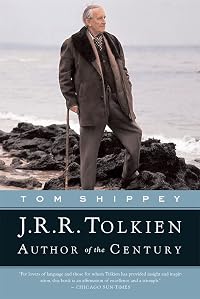
J.R.R. Tolkien: Author of the Century
by Tom Shippey
On This Page
Description
Analyzes Tolkien's "The Hobbit," "The Lord of the Rings," "The Silmarillion," and his lesser works, and explains how his works tie into storytelling tradition dating back to Grimms' fairy tales and "Beowulf."Tags
Recommendations
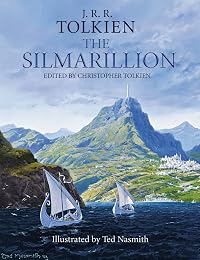
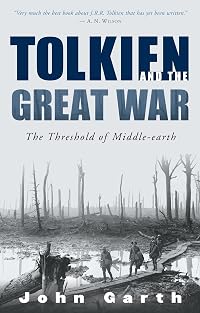

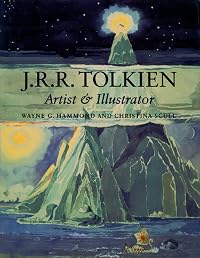









Member Recommendations
Member Reviews
Extraordinary reading. Shippey is demonstrating on how many levels this Old-English-scholar-turned-first-time-novelist succeeded in creating an epic for the modern age. Even though it is not set in the modern age. Because it is not set there. A modern mythology could not draw all its images from modern times, because mythology must answer the needs of the time, not simply reflect those needs back. Our lives are now surrounded by the inventions of humankind, and our great existential doubt is whether those tools will save us, harm us, change us, destroy us, turn us into monsters, or some combination of all of these outcomes. The answer to that fear is in the ancient naturalistic strands of tradition: pastoral life, woods, journeys in the show more wilderness, and appeals to heroic struggle.
First, the language. How is it that Tolkien can create such a complex, meaningful story simply by pursuing the implications of etymology? Again and again it seems he invents some facet of Middle-Earth in order to explain the existence of a word. Tolkien himself is quoted saying, "The 'stories' were made rather to provide a world for the languages than the reverse. To me a name comes first and the story follows." It is that cultural depth, buried in our own language, that gives The Lord of the Rings such a resonance. Maybe words become shadows and distortions of the things they represent, but the histories of words and the relationships they imply can infuse those things with even more meaning.
I love the analysis of The Silmarillion. This was the source, the wellspring of Tolkien's inspiration, and it evokes such a sense of high destiny, as if we are witnessing the fate of worlds unfold from the perspective of ages. At the same time, it feels immediate and present, like we are participating in the stories ourselves, through the constant themes of choice, error, doom, love, and betrayal. This is the experience of myth that Karen Armstrong describes. Perhaps most readers find these stories hard to penetrate. I do not. I wish in some way to make them more accessible, to retell the stories to an audience so that they feel the impact of them. show less
First, the language. How is it that Tolkien can create such a complex, meaningful story simply by pursuing the implications of etymology? Again and again it seems he invents some facet of Middle-Earth in order to explain the existence of a word. Tolkien himself is quoted saying, "The 'stories' were made rather to provide a world for the languages than the reverse. To me a name comes first and the story follows." It is that cultural depth, buried in our own language, that gives The Lord of the Rings such a resonance. Maybe words become shadows and distortions of the things they represent, but the histories of words and the relationships they imply can infuse those things with even more meaning.
I love the analysis of The Silmarillion. This was the source, the wellspring of Tolkien's inspiration, and it evokes such a sense of high destiny, as if we are witnessing the fate of worlds unfold from the perspective of ages. At the same time, it feels immediate and present, like we are participating in the stories ourselves, through the constant themes of choice, error, doom, love, and betrayal. This is the experience of myth that Karen Armstrong describes. Perhaps most readers find these stories hard to penetrate. I do not. I wish in some way to make them more accessible, to retell the stories to an audience so that they feel the impact of them. show less
I can't remember now if I'd read this one in its entirety before or not. (I have read Shippey's [Road to Middle -Earth], and I think a few points may show up in both of them, so my occasional recognition of bits of Author of the Century may have stemmed from remembering Road to Middle-Earth.) In any case, this is a wonderful piece of accessible but still generally rigorous Tolkien scholarship. Shippey points out and defends Tolkien's place within the literary framework of the 20th century (or what JRRT's place ought to be recognized to be and still (disgracefully) isn't) and discusses each of Tolkien's major works and several of the minor works. Shippey is best in his extensive consideration of The Lord of the Rings, where he spends a show more lot of time on LotR's linguistic origins, its intricate plot structure and its presentation of good and evil (a point about which many past critics have completely missed the boat). Fascinating reading which does important work in illustrating the value and quality of Tolkien's work while successfully and appropriately defending it against detractors. A must read for LotR devotees interested in litcrit as well as for anyone fascinated by [Beowulf] (the Beowulf discussions are always in service of the explication of LotR, but should be interesting in their own right to anyone taken with that poem as well). show less
http://nhw.livejournal.com/148170.html
this is a very good book, well worth the investment. Shippey argues strongly that Tolkien wanted to achieve the same for the relationship of England with the history of English that Lönnrot did with the Kalevala for Finnish, or that the Grimm brothers (philologists as well as compilers of fairy-tales) did for German. He argues even more strongly, backed by empirical evidence of opinion polls and popular votes (and this was before the BBC Big Read) that Tolkien succeeded as well as any author of the 20th century could do.
Middle Earth, according to Shippey, is an attempt to re-create the mythic background of the English language. Where other writers are content to note that Tolkien nicked the names show more of the dwarves in The Hobbit from the Elder Edda, Shippey believes that Tolkien is trying to get at the nature of dwarves, elves, etc and to bring back a better understanding of their lost history, which the compilers of the Elder Edda may have known but its readers have certainly forgotten. And he succeeded.
He also argues for a central moral message in the Lord of the Rings, that it is worth trying to do good even if you don't know if you will succeed. Very interesting reflections on the question of whether evil is something that people do (a la Boethius) or has an external objective reality (Manichaeism), which he thinks LOTR debates but leaves unanswered.
There's a lot of other good stuff here, but the most effective for me was a moving look at Tolkien's (non-Middle Earth) short story Leaf by Niggle as autobiography. Niggle is "the sort of painter who can paint leaves better than trees", who is obsessed by the idea of painting one big Tree, so much so that other smaller works get tacked onto the edges of the bigger picture, and he neglects to do the necessary routine work on his own house and garden. It's straightforward enough to read Niggle as Everyman, but Shippey shows quite convincingly that he is also Tolkien.
Strongly recommended. show less
this is a very good book, well worth the investment. Shippey argues strongly that Tolkien wanted to achieve the same for the relationship of England with the history of English that Lönnrot did with the Kalevala for Finnish, or that the Grimm brothers (philologists as well as compilers of fairy-tales) did for German. He argues even more strongly, backed by empirical evidence of opinion polls and popular votes (and this was before the BBC Big Read) that Tolkien succeeded as well as any author of the 20th century could do.
Middle Earth, according to Shippey, is an attempt to re-create the mythic background of the English language. Where other writers are content to note that Tolkien nicked the names show more of the dwarves in The Hobbit from the Elder Edda, Shippey believes that Tolkien is trying to get at the nature of dwarves, elves, etc and to bring back a better understanding of their lost history, which the compilers of the Elder Edda may have known but its readers have certainly forgotten. And he succeeded.
He also argues for a central moral message in the Lord of the Rings, that it is worth trying to do good even if you don't know if you will succeed. Very interesting reflections on the question of whether evil is something that people do (a la Boethius) or has an external objective reality (Manichaeism), which he thinks LOTR debates but leaves unanswered.
There's a lot of other good stuff here, but the most effective for me was a moving look at Tolkien's (non-Middle Earth) short story Leaf by Niggle as autobiography. Niggle is "the sort of painter who can paint leaves better than trees", who is obsessed by the idea of painting one big Tree, so much so that other smaller works get tacked onto the edges of the bigger picture, and he neglects to do the necessary routine work on his own house and garden. It's straightforward enough to read Niggle as Everyman, but Shippey shows quite convincingly that he is also Tolkien.
Strongly recommended. show less
A great analysis, discussion, and defense of Tolkien's books. It's good for both Tolkien super-geeks like me or just general fans: Shippey explains everything you need to know to enjoy the book, and get a lot more out of Tolkien. A lot of what he focuses on are different sources for the works, such as words since Tolkien was a super-philologist, themes of the books, and arguments against Tolkien which Shippy defends against.
A great analysis, discussion, and defense of Tolkien's books. It's good for both Tolkien super-geeks like me or just general fans: Shippey explains everything you need to know to enjoy the book, and get a lot more out of Tolkien. A lot of what he focuses on are different sources for the works, such as words since Tolkien was a super-philologist, themes of the books, and arguments against Tolkien which Shippy defends against.
Many years after The Road to Middle-Earth, Shippey brings us a new volume full of new insights from the man that currently holds the Oxford chair once occupied by Tolkien. His analysis in this book certainly supports his claim to it.
There are things in here that even the most die-hard Tolkien fans wouldn't know. The structure of the story itself in terms of flow and symmetry that often go unnoticed are dissected and examined to appreciate their full effect. Tolkien's knowledge of Old English is examined in the context of The Lord of the Rings, with particular examples such as "emnet" which appears in Rohan and which was an Old English word discovered by Tolkien himself ("emnet", by the way, means "plain", which Tolkien never liked as a show more word because it was taken from the French word "plaines").
If you enjoy Tolkien's work, you will love this book. show less
There are things in here that even the most die-hard Tolkien fans wouldn't know. The structure of the story itself in terms of flow and symmetry that often go unnoticed are dissected and examined to appreciate their full effect. Tolkien's knowledge of Old English is examined in the context of The Lord of the Rings, with particular examples such as "emnet" which appears in Rohan and which was an Old English word discovered by Tolkien himself ("emnet", by the way, means "plain", which Tolkien never liked as a show more word because it was taken from the French word "plaines").
If you enjoy Tolkien's work, you will love this book. show less
Shippey is a philogist much as Tolkien was, and in fact had JRR's job once the old don retired. So he's not exactly unbiased in his appraisal. The title itself is pretty darn argumentative, but kind of silly. Reminds me of childhood arguments over who has the "best" Beatle, and who was better, the Stones or the Beatles. He cites some pretty weak reasons for his claim (a survey of ten thousand people). But then he seems to forget about it and moves on to showing how EVERY plot element was determined by ancient works and words. This is downright weird, when you think about it. You claim Tolkien is the finest author of the 20th century, and then go on to argue that the man never had an original thought? The Ents, that's right, he thought show more up the Ents. Otherwise, nope, all based on Nordic tales, Beowulf, that sort of thing. Tolkien was simply resurrecting Lost Tales from the ancient past, claims Shippey. Then later, he changes thesis yet again, to claim that Tolkien wrote LOTR as a story for his languages and history to live in. Now, that I can buy, and has been told elsewhere. There are some interesting nuggets here, but he spends far too much time getting into the little niggling bits of the history and heritage of words. Three pages, for instance, on the roots of the Wild Men of the Woods, who only get a brief mention in Tolkien. To be fair, there are some good arguments here for why LOTR is so special, and if you're a fan, you'll enjoy those parts. When the runic words show up, you may want to just to skip ahead. Unless Old Norse is your bailiwick. show less
Members
- Recently Added By
Published Reviews
"Shippey's witty, combative book is illuminating…the central chapters demonstrate the ingenious articulation of the trilogy, the profundity of its thought about suffering, and evil, both personal and institutional, cosmic and frankly devilish."
added by thebookpile
"Shippey succeeds brilliantly…[His] exploration of Tolkien's themes, especially the nature of evil, power, and what one character calls 'the long defeat,' is superb…Taking on the critics on their own ground, Shippey reveals Tolkien's use of a complex narrative structure and the flexibility with which he moved between different literary modes."
added by thebookpile
"An invaluable study...It illuminates the text and enables the reader to better appreciate the works under discussion."
added by thebookpile
Lists

Books about Books
149 works; 24 members

Books tagged favorites
390 works; 29 members

Tolkien Studies
9 works; 1 member

Books Read in 2022
5,168 works; 114 members

Books Read in 2025
4,091 works; 97 members
Author Information

34+ Works 4,190 Members
Tom Shippey taught at Oxford University at the same time as J. R. R. Tolkien & with the same syllabus, which gives him an intimate familiarity with the works that fueled Tolkien's imagination. He subsequently held the chair of English language & medieval literature at Leeds University that Tolkien had previously held. He currently holds the Walter show more J. Ong Chair of Humanities at St. Louis University in Missouri. (Bowker Author Biography) show less
Some Editions
Awards and Honors
Awards
Work Relationships
Is a commentary on the text of
Common Knowledge
- Canonical title*
- J. R. R. Tolkien : author of the century
- Original publication date
- 2000
- People/Characters
- J. R. R. Tolkien; C. S. Lewis
- Important places
- Anduin
- First words
- The story of how J.R.R. Tolkien came to be launched on his career, not as a writer of fiction—this had begun many years before—but as a writer of published fiction, is a familiar one.
- Quotations
- Tolkien by contrast was as well read as anyone and more so than most, and he alludes frequently to works of what he regarded as his own tradition, the 'Shire tradition' of native English poetry. It is absolutely characteristi... (show all)c of his uses of tradition, however, that the source of the allusions does not matter.
This is probably at the heart of the critical rage, and fear, which Tolkien immediately and ever after provoked. He threatened the authority of the arbiters of taste, the critics, the educationalists, the literati. He was as ... (show all)educated as they were, but in a different school. He would not sign the unwritten Articles of the Church of Literary English. His work was from the start appreciated by a mass market, unlike Ulysses, first printed in a limited number of copies designedly to be sold to the wealthy and cultivated alone. But it showed an improper ambition, as if it had ideas above the proper station of popular trash. It was the combination that could not be forgiven. - Last words
- (Click to show. Warning: May contain spoilers.)Whatever one calls it, to use the words of Holofernes, Shakespeare's pedant-poet in Love's Labour's Lost, if not in the way that Holofernes meant them: 'The gift is good in those in whom it is acute, and I am thankful for it.'
- Original language*
- English
*Some information comes from Common Knowledge in other languages. Click "Edit" for more information.
Classifications
- Genres
- Literature Studies and Criticism, Nonfiction, Biography & Memoir, Fantasy
- DDC/MDS
- 828.91209 — Literature & rhetoric English & Old English literatures English miscellaneous writings English miscellaneous writings 1900- English miscellaneous writings 1900-1999 English miscellaneous writings 1900-1945 Individual authors not limited to or chiefly identified with one specific form.
- LCC
- PR6039 .O32 .Z8238 — Language and Literature English English Literature 1900-1960
- BISAC
Statistics
- Members
- 1,297
- Popularity
- 18,736
- Reviews
- 10
- Rating
- (4.20)
- Languages
- 7 — English, Finnish, French, German, Italian, Polish, Spanish
- Media
- Paper, Audiobook, Ebook
- ISBNs
- 17
- UPCs
- 2
- ASINs
- 5