On This Page
Description
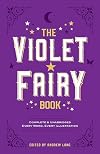
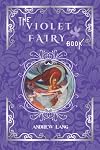
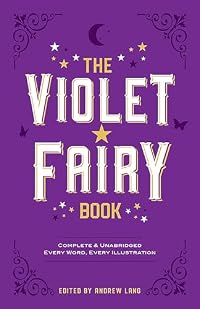
The Fairy Books, or "Coloured" Fairy Books is a collection of fairy tales divided into twelve books, each associated with a different colour. Collected together by Andrew Land they are sourced from a number of different countries and were translated by Lang's wife and other translators who also retold many of the tales. The collection has been incalculably important and, although he did not source the stories himself direct from the oral tradition he can make claim to the first English show more translation of many.First published in 1901, The Violet Fairy Bookis the 7th volume in this series.
. show less
Tags
Recommendations




















Member Reviews
''Stories that have been inherited by our earliest civilised ancestors, who really believed that beasts and trees and stones can talk if they choose, and behave kindly or unkindly. The stories are full of the oldest ideas of ages when science did not exist and magic took the place of science.''
My first experience with Andrew Lang's writing took place at university via a very interesting bibliography on Folklore. I hadn't had the chance to read a volume of the Fairy Books series until I discovered the entire collection in my favourite bookshop. I decided to start with The Violet Fairy Book that includes 25 tales from Serbia, Estonia, Lithuania, Russia, Japan, Africa, Romania, Portugal, Italy, Sweden and Germany.
''Yes, forwards', answered show more the horse, 'but you must tell me, my lord, at what speed you wish to go. Like the wind? Like thought? Like desire? Or like a curse?''
(The Fairy of the Dawn, Romania)
Brave princesses who fight for their destiny, princes and young peasants who are tested in all sorts of ways, kings who are deceived by evil queens, daughters who take up arms to protect their families, wise women with their spells and curses, animals that accompany the heroines and heroes, dragons, dwarves, bewitched children, fairies and giants. And even if certain tales may seem dated and old-fashioned, we need to remember that forced modern values and political correctness are of no use here. Tales and fables are what they are, born out of their era and particular social circumstances. Anything else is one more chance for ridiculous discussion on social media.
'' 'Between Christmas and the New Year', said he, 'I often amuse myself by wandering about the earth watching the doings of men and learning something about them. But as far as I have seen and heard I cannot speak well of them. The greatest part of them are always quarreling and complaining of each other's faults, while nobody thinks of his own.''
My favourite tales in the volume are A Tale of the Tontlawald from Estonia, The Three Princes and their Beasts from Lithuania, The Goat's Ears of the Emperor Trojan, The Nine- Pea Hens and the Golden Apples from Serbia, The Lute Player from Russia, The Child Who Came From An Egg from Estonia, The Two Frogs from Japan, The Underground Dwarves from Estonia, The Boys With the Golden Stars from Romania, and The Frog, an Italian version of the Russian tale of The Frog Princess.
''I sing of blooming flowers
Made sweet by sun and rain;
Of all the bliss of love's first kiss,
And parting's cruel pain.
'Of the sad captive's longing
Within his prison wall,
Of hearts that sigh when none are nigh
To answer to their call.''
'' 'Warriors', he told her, 'only rest when they have won the victory. You have still another battle to fight, and it is the hardest of all.''
My reviews can also be found on https://theopinionatedreaderblog.wordpress.com/ show less
My first experience with Andrew Lang's writing took place at university via a very interesting bibliography on Folklore. I hadn't had the chance to read a volume of the Fairy Books series until I discovered the entire collection in my favourite bookshop. I decided to start with The Violet Fairy Book that includes 25 tales from Serbia, Estonia, Lithuania, Russia, Japan, Africa, Romania, Portugal, Italy, Sweden and Germany.
''Yes, forwards', answered show more the horse, 'but you must tell me, my lord, at what speed you wish to go. Like the wind? Like thought? Like desire? Or like a curse?''
(The Fairy of the Dawn, Romania)
Brave princesses who fight for their destiny, princes and young peasants who are tested in all sorts of ways, kings who are deceived by evil queens, daughters who take up arms to protect their families, wise women with their spells and curses, animals that accompany the heroines and heroes, dragons, dwarves, bewitched children, fairies and giants. And even if certain tales may seem dated and old-fashioned, we need to remember that forced modern values and political correctness are of no use here. Tales and fables are what they are, born out of their era and particular social circumstances. Anything else is one more chance for ridiculous discussion on social media.
'' 'Between Christmas and the New Year', said he, 'I often amuse myself by wandering about the earth watching the doings of men and learning something about them. But as far as I have seen and heard I cannot speak well of them. The greatest part of them are always quarreling and complaining of each other's faults, while nobody thinks of his own.''
My favourite tales in the volume are A Tale of the Tontlawald from Estonia, The Three Princes and their Beasts from Lithuania, The Goat's Ears of the Emperor Trojan, The Nine- Pea Hens and the Golden Apples from Serbia, The Lute Player from Russia, The Child Who Came From An Egg from Estonia, The Two Frogs from Japan, The Underground Dwarves from Estonia, The Boys With the Golden Stars from Romania, and The Frog, an Italian version of the Russian tale of The Frog Princess.
''I sing of blooming flowers
Made sweet by sun and rain;
Of all the bliss of love's first kiss,
And parting's cruel pain.
'Of the sad captive's longing
Within his prison wall,
Of hearts that sigh when none are nigh
To answer to their call.''
'' 'Warriors', he told her, 'only rest when they have won the victory. You have still another battle to fight, and it is the hardest of all.''
My reviews can also be found on https://theopinionatedreaderblog.wordpress.com/ show less
A collection of fairy tales from around the world, this is interesting, if a bit redundant. I became a bit tired of the "boy meets girl, they fall in love, one of them becomes enchanted by and evil something or other and the other saves them" routine. However, I was surprised at how often it was the girl who saved the boy. I enjoyed the tales which were offbeat, like the Korean frogs who decided to travel or the man who had so many children he didn't know what to do. A couple of the stories were downright gruesome with murder and mayhem. I loved the ending of one, "and they lived happily until they died."
This was the first anthology by Andrew Lang I read, and after doing so I was hooked. I marvelled at how uniquely told all of the tales within this collection are, some are known and others much more obscure. I find this more of an adult fascination that arose in me for the need that was hardly taken care of in children's fantasy literature, which Lang takes care of. I realize that some of the stories are much more gruesomely told even more so, than Grimm's depiction of other similar tales. I loved the artwork and I now wish to read through all of the collection of his anthology I now own, hunting for my favorite illustration and blow it up, and put it in my room.
Somehow, I noticed it was quite easier for me to get drawn in and read the show more Violet Fairy Book without having to work at it, than it was for me to really get into the Red and I wonder if that had anything to do with when the works were written? Because I know Lang compiled the Red as his second collection, which came following the Blue, and within a span of time later on, did the Violet. show less
Somehow, I noticed it was quite easier for me to get drawn in and read the show more Violet Fairy Book without having to work at it, than it was for me to really get into the Red and I wonder if that had anything to do with when the works were written? Because I know Lang compiled the Red as his second collection, which came following the Blue, and within a span of time later on, did the Violet. show less
"The Finest Liar in the World" ***** One of the best stories I've come across so far in the Fairy Books. The story's quite entertaining and well-told, with delightful contradictions like 'i was sinking in the ground so i went to my house and got my shovel and dug myself out'
"The Goat's Ears of the Emperor Trojan" *** Quite reminiscent of the King Midas tale. Not much point to this tale.
"The Grateful Prince" ***** One of these stories that starts with the (initial) main character being made to promise to give his savior the first thing that comes out when he gets home. I'm sure you can figure out by the title what that thing was. In an desperate attempt to save his son, the king swaps him with that of a peasant girl. At least the show more good-hearted prince saves her when he becomes old enough.
"The Child who came from an Egg" ** the fuck, bro. Confusing and at the same time bland.
"Stan Bolovan" ***** BE CAREFUL WHAT YOU WISH FOR, MOTHERFUCKER LOLOLOLOLOLOL. Dude wants children. He ends up with 100 of them! At least in the end the children save him from a dragon so... all's well that ends well, I guess.
"The Two Frogs" **** This is one of these stories that feels like it would fit well into Aesop's Fables, even though this story is Japanese in origin. Moral is... i guess it's good to try to expand your worldview, but take caution how you do it.
"The Story of a Gazelle" ***** Quite reminiscient of Puss in Boots, right down to the ungrateful master. However, this time the master pays a dear price for his ingratitude. Good fucking riddance.
"How a Fish swam in the Air and a Hare in the Water" **** A pointed lesson to nagging wives. That might sound sexist in context and I suppose it is, but the lesson could be applied to anyone who likes to nag and gossip.
"The Envious Neighbour" **** yep, envy can make people do really stupid things. But you'd think the old man would have learned after the first time to not trust his neighbor. Alas.
"The Fairy of the Dawn" *** Somewhat long-winded, with some wicked brothers and one good boy.
"Jesper Who Herded the Hares" ***** One of these stories where the kindness that the main character shows various animals etc does him much good when he's faced with challenges. Hardly a new trope, but it's not a bad lesson to teach kindness.
"The Underground Workers" **** A delightful tale, I found it quite refreshing.
"The Nunda, Eater of People" *** The Sultan's an asshole (to the point where he is directly responsible for the creation of Nunda) at least his youngest son is much nicer.
"The Monkey and the Jelly-fish" *** Poor jellyfish, though I can't blame the monkey for what he did. Just a shitty situation all around :(
"The Headless Dwarfs" **** Not a bad story, but Hans makes use of malicious compliance (the wisdom of which is questionable in this case) but a stroke of luck makes it work out in the end.
"The Frog" ** Meh. A young man is tasked with finding a bride for himself, and ends up with a frog. Having read so many tales in Lang's collection, it was not hard to figure out what would become of the frog.
"The Girl Who Pretended to be a Boy" ** Meh, I was hoping for something better from the title alone.
"The Story of Halfman" *** Somewhat convoluted. Not very memorable.
"The Prince Who Wanted to See the World" *** That prince really was a naive dumbass, wasn't he? No wonder his dad didn't want to let him out of the house. But things worked out for him in the end nonetheless.
"Mogarzea and his Son" ** I was rooting for the young man in this tale until he captured a fairy and forced her to become his wife.
_____
"A Tale Of the Tontlawald"
"The Finest Liar in the World"
"The Story of Three Wonderful Beggars"
"Schippeitaro"
"The Three Princes and their Beasts"
"The Goat's Ears of the Emperor Trojan"
"The Nine Pea-hens and the Golden Apples"
"The Lute Player"
"The Grateful Prince"
"The Child who came from an Egg"
"Stan Bolovan"
"The Two Frogs"
"The Story of a Gazelle"
"How a Fish swam in the Air and a Hare in the Water"
"Two in a Sack"
"The Envious Neighbour"
"The Fairy of the Dawn"
"The Enchanted Knife"
"Jesper Who Herded the Hares"
"The Underground Workers"
"The History of Dwarf Long Nose"
"The Nunda, Eater of People"
"The Story of Hassebu"
"The Maiden with the Wooden Helmet"
"The Monkey and the Jelly-fish"
"The Headless Dwarfs"
"The Young Man Who Would Have His Eyes Opened"
"The Boys with the Golden Stars"
"The Frog"
"The Princess Who Was Hidden Underground"
"The Girl Who Pretended to be a Boy"
"The Story of Halfman"
"The Prince Who Wanted to See the World"
"Virgilius the Sorcerer"
"Mogarzea and his Son" show less
"The Goat's Ears of the Emperor Trojan" *** Quite reminiscent of the King Midas tale. Not much point to this tale.
"The Grateful Prince" ***** One of these stories that starts with the (initial) main character being made to promise to give his savior the first thing that comes out when he gets home. I'm sure you can figure out by the title what that thing was. In an desperate attempt to save his son, the king swaps him with that of a peasant girl. At least the show more good-hearted prince saves her when he becomes old enough.
"The Child who came from an Egg" ** the fuck, bro. Confusing and at the same time bland.
"Stan Bolovan" ***** BE CAREFUL WHAT YOU WISH FOR, MOTHERFUCKER LOLOLOLOLOLOL. Dude wants children. He ends up with 100 of them! At least in the end the children save him from a dragon so... all's well that ends well, I guess.
"The Two Frogs" **** This is one of these stories that feels like it would fit well into Aesop's Fables, even though this story is Japanese in origin. Moral is... i guess it's good to try to expand your worldview, but take caution how you do it.
"The Story of a Gazelle" ***** Quite reminiscient of Puss in Boots, right down to the ungrateful master. However, this time the master pays a dear price for his ingratitude. Good fucking riddance.
"How a Fish swam in the Air and a Hare in the Water" **** A pointed lesson to nagging wives. That might sound sexist in context and I suppose it is, but the lesson could be applied to anyone who likes to nag and gossip.
"The Envious Neighbour" **** yep, envy can make people do really stupid things. But you'd think the old man would have learned after the first time to not trust his neighbor. Alas.
"The Fairy of the Dawn" *** Somewhat long-winded, with some wicked brothers and one good boy.
"Jesper Who Herded the Hares" ***** One of these stories where the kindness that the main character shows various animals etc does him much good when he's faced with challenges. Hardly a new trope, but it's not a bad lesson to teach kindness.
"The Underground Workers" **** A delightful tale, I found it quite refreshing.
"The Nunda, Eater of People" *** The Sultan's an asshole (to the point where he is directly responsible for the creation of Nunda) at least his youngest son is much nicer.
"The Monkey and the Jelly-fish" *** Poor jellyfish, though I can't blame the monkey for what he did. Just a shitty situation all around :(
"The Headless Dwarfs" **** Not a bad story, but Hans makes use of malicious compliance (the wisdom of which is questionable in this case) but a stroke of luck makes it work out in the end.
"The Frog" ** Meh. A young man is tasked with finding a bride for himself, and ends up with a frog. Having read so many tales in Lang's collection, it was not hard to figure out what would become of the frog.
"The Girl Who Pretended to be a Boy" ** Meh, I was hoping for something better from the title alone.
"The Story of Halfman" *** Somewhat convoluted. Not very memorable.
"The Prince Who Wanted to See the World" *** That prince really was a naive dumbass, wasn't he? No wonder his dad didn't want to let him out of the house. But things worked out for him in the end nonetheless.
"Mogarzea and his Son" ** I was rooting for the young man in this tale until he captured a fairy and forced her to become his wife.
_____
"A Tale Of the Tontlawald"
"The Finest Liar in the World"
"The Story of Three Wonderful Beggars"
"Schippeitaro"
"The Three Princes and their Beasts"
"The Goat's Ears of the Emperor Trojan"
"The Nine Pea-hens and the Golden Apples"
"The Lute Player"
"The Grateful Prince"
"The Child who came from an Egg"
"Stan Bolovan"
"The Two Frogs"
"The Story of a Gazelle"
"How a Fish swam in the Air and a Hare in the Water"
"Two in a Sack"
"The Envious Neighbour"
"The Fairy of the Dawn"
"The Enchanted Knife"
"Jesper Who Herded the Hares"
"The Underground Workers"
"The History of Dwarf Long Nose"
"The Nunda, Eater of People"
"The Story of Hassebu"
"The Maiden with the Wooden Helmet"
"The Monkey and the Jelly-fish"
"The Headless Dwarfs"
"The Young Man Who Would Have His Eyes Opened"
"The Boys with the Golden Stars"
"The Frog"
"The Princess Who Was Hidden Underground"
"The Girl Who Pretended to be a Boy"
"The Story of Halfman"
"The Prince Who Wanted to See the World"
"Virgilius the Sorcerer"
"Mogarzea and his Son" show less
Didn't recognize any of these. I especially liked the narrator doing the voices for 'The Grateful Prince'.
Overall, it's a good compilation. I read all but a little bit of one story (the near-end of that one didn't set well with me). It has quite a few stories. It seemed a good overview of this sort of fairy tale. I'm not sure which regions these ones were from.
To avoid overabundance of information re persons responsible for translations and/or adaptation, please refer to Lang's Preface.
Unabridged Replication of Longman & Green's 1901 edition.
Contents: "A Tale Of the Tontlawald", "The Child who came from an Egg", "Stan Bolovan",
"The Two Frogs", "The Story of a Gazelle", "How a Fish swam in the Air and a Hare in the Water", "Two in a Sack", "The Envious Neighbour", "The Fairy of the Dawn", "The Enchanted Knife", "Jesper Who Herded the Hares", "The Underground Workers", "The History of Dwarf Long Nose", "The Nunda, Eater of People", "The Story of Hassebu", "The Maiden with the Wooden Helmet", "The Monkey and the Jelly-fish", "The Headless Dwarfs", "The Young Man Who Would Have His Eyes Opened", show more "The Boys with the Golden Stars", "The Frog", "The Princess Who Was Hidden Underground", "The Girl Who Pretended to be a Boy", "The Story of Halfman", "The Prince Who Wanted to See the World"
"Virgilius the Sorcerer"
"Mogarzea and his Son" show less
Unabridged Replication of Longman & Green's 1901 edition.
Contents: "A Tale Of the Tontlawald", "The Child who came from an Egg", "Stan Bolovan",
"The Two Frogs", "The Story of a Gazelle", "How a Fish swam in the Air and a Hare in the Water", "Two in a Sack", "The Envious Neighbour", "The Fairy of the Dawn", "The Enchanted Knife", "Jesper Who Herded the Hares", "The Underground Workers", "The History of Dwarf Long Nose", "The Nunda, Eater of People", "The Story of Hassebu", "The Maiden with the Wooden Helmet", "The Monkey and the Jelly-fish", "The Headless Dwarfs", "The Young Man Who Would Have His Eyes Opened", show more "The Boys with the Golden Stars", "The Frog", "The Princess Who Was Hidden Underground", "The Girl Who Pretended to be a Boy", "The Story of Halfman", "The Prince Who Wanted to See the World"
"Virgilius the Sorcerer"
"Mogarzea and his Son" show less
Members
- Recently Added By
Lists

Folio Society
831 works; 53 members

Children's Literature 1900 - 1950 in order
413 works; 8 members
Author Information

392+ Works 24,465 Members
Andrew Lang was born at Selkirk in Scotland on March 31, 1844. He was a historian, poet, novelist, journalist, translator, and anthropologist, in connection with his work on literary texts. He was educated at Edinburgh Academy, St. Andrews University, and Balliol College, Oxford University, becoming a fellow at Merton College. His poetry includes show more Ballads and Lyrics of Old France (1872), Ballades in Blue China (1880--81), and Grass of Parnassus (1888--92). His anthropology and his defense of the value of folklore as the basis of religion is expressed in his works Custom and Myth (1884), Myth, Ritual and Religion (1887), and The Making of Religion (1898). He also translated Homer and critiqued James G. Frazer's views of mythology as expressed in The Golden Bough. He was considered a good historian, with a readable narrative style and knowledge of the original sources including his works A History of Scotland (1900-7), James VI and the Gowrie Mystery (1902), and Sir George Mackenzie (1909). He was one of the most important collectors of folk and fairy tales. His collections of Fairy books, including The Blue Fairy Book, preserved and handed down many of the better-known folk tales from the time. He died of angina pectoris on July 20, 1912. (Bowker Author Biography) show less
Some Editions
Series

Belongs to Publisher Series
Work Relationships
Is contained in
Contains
Common Knowledge
- Original publication date
- 1901
- Dedication
- To Violet Myers is dedicated the Violet Fairy Book
- First words
- Long, long ago there stood in the midst of a country covered with lakes a vast stretch of moorland called the Tontlawald, on which no man ever dared set foot.
- Last words
- (Click to show. Warning: May contain spoilers.)But every May they returned to the Mill Lake, they and their children, and bathed in its waters.
Classifications
- Genres
- Fiction and Literature, Children's Books
- DDC/MDS
- 398.2 — Society, Government, and Culture Customs, etiquette & folklore Folklore & Folktales Folk literature
- LCC
- PZ8 .L15 .V10 — Language and Literature Fiction and juvenile belles lettres Fiction and juvenile belles lettres Juvenile belles lettres
- BISAC
Statistics
- Members
- 939
- Popularity
- 28,172
- Reviews
- 10
- Rating
- (4.07)
- Languages
- English, Swedish
- Media
- Paper, Ebook
- ISBNs
- 70
- UPCs
- 1
- ASINs
- 35