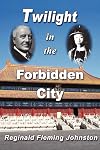
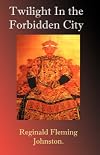
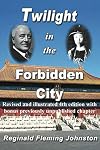
Twilight in the Forbidden City
by Reginald F. Johnston
On This Page
Description
British academic and diplomat Reginald Fleming Johnston (1874-1938) published Twilight in the Forbidden City in 1934. The work is a memoir of Johnston's time in Beijing between 1919 and 1924, at the court of the Qing Dynasty, where he served as tutor to Aisin-Gioro Puyi (1906-1967), last emperor of China. Johnston was one of only two foreigners who were permitted to enter the imperial palace, and so his account provides a unique Western perspective on the epochal events of the period. The show more work has a preface by the emperor Puyi and includes detailed descriptions of palace rituals, including Puyi's wedding ceremony; translations of key documents; Johnston's perspective on the revolution of 1911 and the 1917 restoration; his observations on Chinese society as a whole; and eye-witness accounts of the political intrigues of the palace. The memoir was dramatised in Bernardo Bertolucci's cinematic masterpiece, The Last Emperor. show lessTags
Recommendations





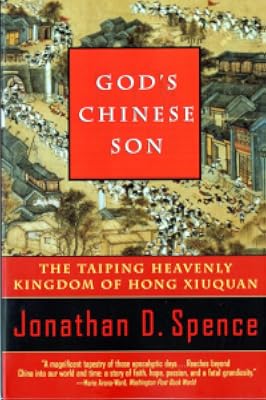
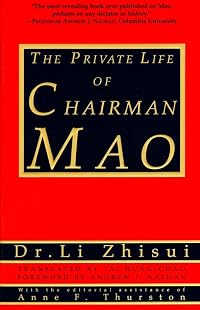
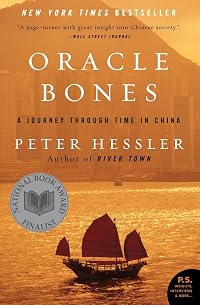
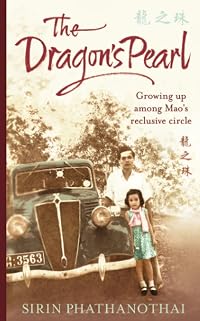









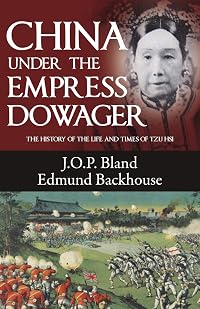
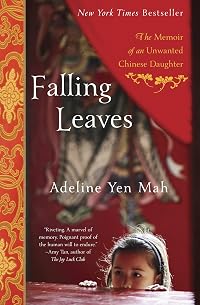

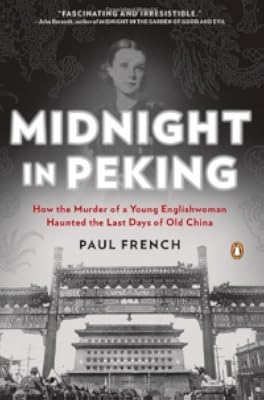
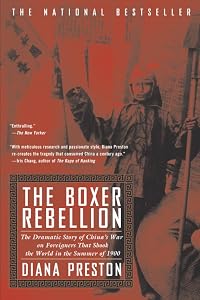
Member Recommendations

edwinbcn Pu Yi did not particularly like Johnston, so Johnston is all but omitted from the autobiography. However, Johnston's books gives a lot of insight into the historical and technical backgrounds of the Forbidden City Household.
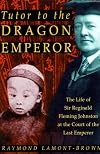
Tutor to the Dragon Emperor: The Life of Sir Reginald Fleming Johnston at the Court of the Last Emperor of China by Raymond Lamont-Brown
edwinbcn "Tutor to the Dragon Emperor" is the only, not very inspired, biography of Sir Reginald Fleming Johnston.
Member Reviews
This is a fascinating view into a lifestyle and place that had once been forbidden to men such as the author. However, he was hired as a tutor to the boy emperor, to teach him English among other things.
This book is a bit dated. It was published in the 1930s, and there are a few typos as well as a couple of historical contradictions (due to what was known at the time) but it is still a valuable read. He observes the various corruptions of the Manchu court (not Puyi's fault) Some of it is comparable to imperial households in other countries, to be sure, but there are also cultural differences.
One thing that has stuck with me after I read this book is Sir Johnston's commentary on the abacus. It's a clever item to use for math and sums to show more be sure, and he witnessed bookkeepers skillfully using the abacus, moving the beads around rapidly. However, its flaw is that unlike paper and pen, there is no backward accounting, which the author states is one of the issues in Chinese education.
The author died in the late 1930s and I can not help but wonder what he would have thought of Puyi's eventual fate (the former emperor died in 1967 quite poor and in ill health at 61)
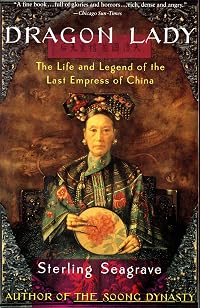
If you're interested in Chinese history of the last two centuries (late Qing/Communist) I also recommend two books by Sterling Seagrave, the Soong Dynasty and the Dragon Lady, and several books by Jung Chang - Wild Swans, Big Sister, Little Sister, Red Sister, and Empress Dowager Cixi: The Concubine who Launched Modern China.
I was torn between giving it 4 and 5 stars but ultimately decided on 5 because of this book's historical relevance.
I would one day like to read Puyi's own biography! show less
This book is a bit dated. It was published in the 1930s, and there are a few typos as well as a couple of historical contradictions (due to what was known at the time) but it is still a valuable read. He observes the various corruptions of the Manchu court (not Puyi's fault) Some of it is comparable to imperial households in other countries, to be sure, but there are also cultural differences.
One thing that has stuck with me after I read this book is Sir Johnston's commentary on the abacus. It's a clever item to use for math and sums to show more be sure, and he witnessed bookkeepers skillfully using the abacus, moving the beads around rapidly. However, its flaw is that unlike paper and pen, there is no backward accounting, which the author states is one of the issues in Chinese education.
The author died in the late 1930s and I can not help but wonder what he would have thought of Puyi's eventual fate (the former emperor died in 1967 quite poor and in ill health at 61)
If you're interested in Chinese history of the last two centuries (late Qing/Communist) I also recommend two books by Sterling Seagrave, the Soong Dynasty and the Dragon Lady, and several books by Jung Chang - Wild Swans, Big Sister, Little Sister, Red Sister, and Empress Dowager Cixi: The Concubine who Launched Modern China.
I was torn between giving it 4 and 5 stars but ultimately decided on 5 because of this book's historical relevance.
I would one day like to read Puyi's own biography! show less
Valuable historic document, but the Last Emperor's tutor's account of his time in China is not as interesting as many other Westerners' accounts (see John Blofeld, for instance), nor is he a particularly reliable narrator.
Reginald Johnston helps us to see the last emperor of China for the human he was; caught in a world not of his own making. Did Johnston fail the emperor on a personal level by not getting him out of China, say to Oxford, before he was married off?
The turbulent life of the Man who was both Emperor to China and it's not arrogant or prideful Citizen. Mao began the Cultural Revolution in 1966, and the youth militia known as the Red Guards.
Was courted by the Japanese who had acquired the former German concessions in Manchuria In order to bring the region under their control the Imperial Japanese Army for China's last emperor Puyi to live in as part of his role as Emperor of the Japanese
Was courted by the Japanese who had acquired the former German concessions in Manchuria In order to bring the region under their control the Imperial Japanese Army for China's last emperor Puyi to live in as part of his role as Emperor of the Japanese
Learned inside witness of the last court of China.
Ratings
Members
- Recently Added By
Author Information
6 Works 138 Members
Series
Belongs to Publisher Series
Work Relationships
Inspired
Common Knowledge
- People/Characters*
- Pu Yi; Reginald F. Johnston
- Important places*
- Forbidden City, Beijing, China
- Related movies*
- The Last Emperor (1987 | IMDb)
*Some information comes from Common Knowledge in other languages. Click "Edit" for more information.
Classifications
- Genres
- History, Nonfiction, Biography & Memoir, General Nonfiction, Travel
- DDC/MDS
- 951.156 — History & geography History of Asia East Asia: China, Taiwan, Hong Kong, Korea Northeast China Hebei, Tianjin, Beijing Beijing
- LCC
- DS795.8 .I46 — History of Europe, Asia, Africa and Oceania Asia History of Asia China Local history and description
- BISAC
Statistics
- Members
- 126
- Popularity
- 258,779
- Reviews
- 5
- Rating
- (3.98)
- Languages
- Chinese, English, French, Korean
- Media
- Paper, Ebook
- ISBNs
- 16
- ASINs
- 5