
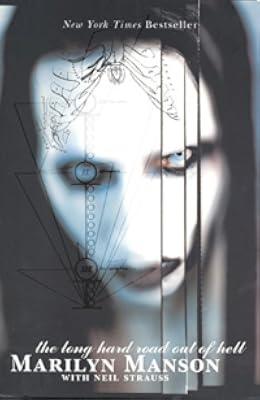
The Long Hard Road Out of Hell
by Marilyn Manson
On This Page
Description
When this bestselling autobiography was originally released, readers were shocked: The Long Hard Road Out of Hell was the darkest, funniest, most controversial, and best-selling rock book of its time and it became the template, both visually and narratively, for almost every rock book since. Marilyn Manson is not just a music icon, it turned out, but one of the best storytellers of his generation. Written with bestselling author Neil Strauss and modeled on Dante's Inferno, this edition of show more The Long Hard Road Out of Hell features a bonus chapter not in the original hardcover. In the shocking and candid memoir, Manson takes readers from backstage to emergency rooms to jail cells, from the pit of despair to the top of the charts, and recounts his metamorphosis from a frightened Christian schoolboy into the most feared and revered music superstar in the country. Along the way, you'll hear what happens to fans and celebrities who dare to venture backstage with the one of the world's most dangerous rock stars. show lessTags
Recommendations









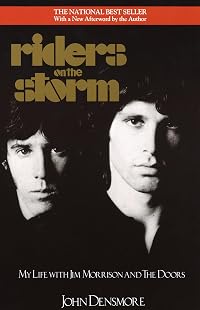
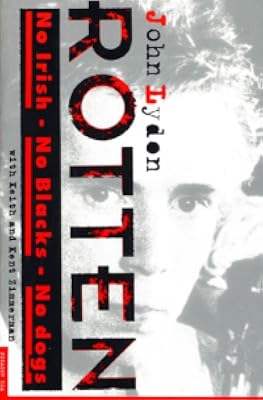
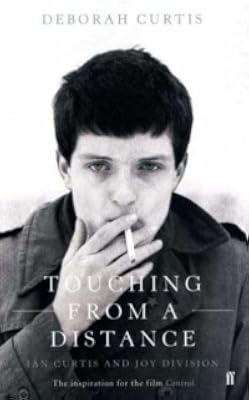
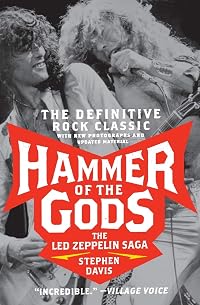

Member Recommendations
Member Reviews
Manson's autobiography that follows him from a thirteen year old sneaking into his grandparent's basement to uncover his grandfather's secrets, to his school years full of insecurities and petty theft, to starting a band that eventually became Marilyn Manson and the Spooky Kids.
I haven't read many autobiographies, but I think this one is unusual as it seems to intentionally work to keep the reader on Manson's side, and whether that's Manson's need to manipulate or Strauss' writing skill is anybody's guess. It begins with that opening tale of two cousins discovering how screwed up their grandfather is, then the weird boy next door and Manson's parents forcing him to attend a Christian school where he didn't fit in, and it creates a show more sympathetic and relateable picture. His teen years are difficult for no particular reason and he begins writing dark poems and stories about murder, and doing drugs. But it's the sections about music and fame, forcing his band mates to look and behave as he wants, claiming almost all the credit for their success, blaming failures on others, abusing groupies and talking about himself as a God that takes the reader to a level of narcissism that only happens in show business or politics. It's actually a well-written and very interesting book, and I think that much of the accessibility is due to the author always taking the reader into his confidence, like "these other people don't understand me, but let me explain it to you." But be warned that Manson admits to some really heinous things. show less
I haven't read many autobiographies, but I think this one is unusual as it seems to intentionally work to keep the reader on Manson's side, and whether that's Manson's need to manipulate or Strauss' writing skill is anybody's guess. It begins with that opening tale of two cousins discovering how screwed up their grandfather is, then the weird boy next door and Manson's parents forcing him to attend a Christian school where he didn't fit in, and it creates a show more sympathetic and relateable picture. His teen years are difficult for no particular reason and he begins writing dark poems and stories about murder, and doing drugs. But it's the sections about music and fame, forcing his band mates to look and behave as he wants, claiming almost all the credit for their success, blaming failures on others, abusing groupies and talking about himself as a God that takes the reader to a level of narcissism that only happens in show business or politics. It's actually a well-written and very interesting book, and I think that much of the accessibility is due to the author always taking the reader into his confidence, like "these other people don't understand me, but let me explain it to you." But be warned that Manson admits to some really heinous things. show less
I first saw Marilyn Manson when he opened for Nine Inch Nails on the Downward Spiral tour. He made essentially no impression on me. When he came to fame a couple years later, I couldn’t stand him – he was just another shock rocker, a dime a dozen, juvenile and desperate. Granted, he took his music and his shows farther than most, but I have no respect for grown men who seriously espouse the philosophy of a pissed off teenager. Grow up.
It’s not that I disagree with the goals of shock rock; but I find it intellectually lightweight, simplistic and jarringly naïve. The worldview that drives shock-for-shock’s sake offers easy, obvious, small answers to big, complicated issues. Frankly, from what I’ve seen – shock rock acts are show more usually the least effective way to achieve their own goals. It’s such a waste of effort.
Given my lack of respect for him, I can’t tell you why I read Manson’s autobiography, The Long, Hard Road Out of Hell, when it first hit shelves in 1998. (It was probably the reference to Dante.) It deeply impressed me at the time. He showed himself to be very intelligent, and admirably self-aware. His act, his music, his philosophy had far more thought and intention behind it than I had ever credited.
In the intervening years, I've become a Marilyn Manson fan. He outgrew his shock-for-shock’s sake beginning and evolved into a performer who is far more musically sophisticated, much more entertaining, and more purely theatrical. I still despise his first three albums, but Mechanical Animals is one of the best rock albums to come out of the late ‘90s; his cover of "Tainted Love" is brilliant! Looking back on it, I think that reading The Long, Hard Road Out of Hell is what started my conversion into fandom.
In the years since I first read it, I’ve wondered if the book was really as good as I remembered, or if my good impression was simply the result of extremely low expectations.
Having re-read it now, I can say that it’s a bit of both.
Manson is pretentious, arrogant, immature, pathetic. His governing philosophy is pedestrian pissed-off-teenage-boy solipsism and nothing more. It’s actually embarrassing how seriously he takes it!
But his great intelligence is still obvious. His self-awareness is far deeper than one can expect from a run-of-the-mill self-professed nihilist, and the degree to which he controlled his own persona is impressive. He’s very honest – as harshly as he judges and hates the world around him, he’s completely open about hating and judging himself first. He spends pages ridiculing modern culture – and then throws in one sentence where he admits that he’s a hypocrite. He talks candidly about wanting to hurt and destroy others – and then tells us that he knows he’s a horrible person. He knows exactly what kind of monster he made himself.
What’s most important, though, is that by the end of the book, what he wants more than anything is to find his own humanity again.
What makes this book interesting to me now is where it fits in Manson’s timeline. Antichrist Superstar – what I consider the last of his juvenile shock-rock albums – came out in 1996 and he wrote Long, Hard Road in the aftermath of that tour. 1998, the same year the book was published, saw the release of Mechanical Animals – the album that marks the beginning of his evolution out of his juvenile phase, into a more sophisticated and interesting performer.
This book, therefore, is a part of his transformation. This is him assessing everything he’d done to date and trying to learn from it.
We know now what the transformation yielded. We know what it taught him.
He grew up. Which is a far greater accomplishment than many shock-rockers achieve. show less
It’s not that I disagree with the goals of shock rock; but I find it intellectually lightweight, simplistic and jarringly naïve. The worldview that drives shock-for-shock’s sake offers easy, obvious, small answers to big, complicated issues. Frankly, from what I’ve seen – shock rock acts are show more usually the least effective way to achieve their own goals. It’s such a waste of effort.
Given my lack of respect for him, I can’t tell you why I read Manson’s autobiography, The Long, Hard Road Out of Hell, when it first hit shelves in 1998. (It was probably the reference to Dante.) It deeply impressed me at the time. He showed himself to be very intelligent, and admirably self-aware. His act, his music, his philosophy had far more thought and intention behind it than I had ever credited.
In the intervening years, I've become a Marilyn Manson fan. He outgrew his shock-for-shock’s sake beginning and evolved into a performer who is far more musically sophisticated, much more entertaining, and more purely theatrical. I still despise his first three albums, but Mechanical Animals is one of the best rock albums to come out of the late ‘90s; his cover of "Tainted Love" is brilliant! Looking back on it, I think that reading The Long, Hard Road Out of Hell is what started my conversion into fandom.
In the years since I first read it, I’ve wondered if the book was really as good as I remembered, or if my good impression was simply the result of extremely low expectations.
Having re-read it now, I can say that it’s a bit of both.
Manson is pretentious, arrogant, immature, pathetic. His governing philosophy is pedestrian pissed-off-teenage-boy solipsism and nothing more. It’s actually embarrassing how seriously he takes it!
But his great intelligence is still obvious. His self-awareness is far deeper than one can expect from a run-of-the-mill self-professed nihilist, and the degree to which he controlled his own persona is impressive. He’s very honest – as harshly as he judges and hates the world around him, he’s completely open about hating and judging himself first. He spends pages ridiculing modern culture – and then throws in one sentence where he admits that he’s a hypocrite. He talks candidly about wanting to hurt and destroy others – and then tells us that he knows he’s a horrible person. He knows exactly what kind of monster he made himself.
What’s most important, though, is that by the end of the book, what he wants more than anything is to find his own humanity again.
What makes this book interesting to me now is where it fits in Manson’s timeline. Antichrist Superstar – what I consider the last of his juvenile shock-rock albums – came out in 1996 and he wrote Long, Hard Road in the aftermath of that tour. 1998, the same year the book was published, saw the release of Mechanical Animals – the album that marks the beginning of his evolution out of his juvenile phase, into a more sophisticated and interesting performer.
This book, therefore, is a part of his transformation. This is him assessing everything he’d done to date and trying to learn from it.
We know now what the transformation yielded. We know what it taught him.
He grew up. Which is a far greater accomplishment than many shock-rockers achieve. show less
Marilyn Manson in his own words.
The book is surprising. More than a traditional autobiography, he uses here writing as an outlet to complement his music. He is indeed not telling his life chronologically, but, open himself up about his past only to better shed light on how he became what he is. In a word, he reveals himself like one would reveal a unsettling piece of art; in his case, a self-analysis all at once sickening, violent, reflecting a man confessing being 'ravaged by drugs, tiredness, paranoia and depression', but displaying his failure and weaknesses in such a theatrical manner that he manages to turn it all into a fascinating show.
The whole is shocking, annoying, repulsive, exposing sickening behaviours at times; but among show more this drugged narrative are also nice pearls of wit showing Marilyn Manson for what he is: a pure product of a certain America -conservative, bigot, hypocrite, violent. I for one in any case, who love his music but dislike the man (for being a drug addict with no restraint), found the book interesting enough to be a nice curiosity.
Interspersed with crucial encounters with Trent Reznor and Anton Lavey, this journey through Hell (ending with the coming out of the 'Antichrist Superstar' album) will, I think, please the fans while showing others that beyond Satanism and drugs Manson remains a clever guy who knows exactly how to push where America hurts the most. I like his music (I was a big fan when I was a teen, I confess having outgrown him a bit...) but the guy disgusted me so much at times (some of his fans have serious issues, and he shows himself using and abusing them mercilessly backstage -it's crass!) that I can't give this more than such a low rating. If you dare... show less
The book is surprising. More than a traditional autobiography, he uses here writing as an outlet to complement his music. He is indeed not telling his life chronologically, but, open himself up about his past only to better shed light on how he became what he is. In a word, he reveals himself like one would reveal a unsettling piece of art; in his case, a self-analysis all at once sickening, violent, reflecting a man confessing being 'ravaged by drugs, tiredness, paranoia and depression', but displaying his failure and weaknesses in such a theatrical manner that he manages to turn it all into a fascinating show.
The whole is shocking, annoying, repulsive, exposing sickening behaviours at times; but among show more this drugged narrative are also nice pearls of wit showing Marilyn Manson for what he is: a pure product of a certain America -conservative, bigot, hypocrite, violent. I for one in any case, who love his music but dislike the man (for being a drug addict with no restraint), found the book interesting enough to be a nice curiosity.
Interspersed with crucial encounters with Trent Reznor and Anton Lavey, this journey through Hell (ending with the coming out of the 'Antichrist Superstar' album) will, I think, please the fans while showing others that beyond Satanism and drugs Manson remains a clever guy who knows exactly how to push where America hurts the most. I like his music (I was a big fan when I was a teen, I confess having outgrown him a bit...) but the guy disgusted me so much at times (some of his fans have serious issues, and he shows himself using and abusing them mercilessly backstage -it's crass!) that I can't give this more than such a low rating. If you dare... show less
En estos momentos y cuando logro escaparme de esta cochinada adictiva, estoy leyendo "El largo y duro camino de salida del Infierno", escrito por uno de mis ídolos musicales, el Reverendo Marilyn Manson.
Y yo sé que muchos pensarán "Puta ,un libro escrito por Marilyn Manson? y es que escribe?, ha de hablar de puras drogas, satanismo y cosas asi!" Pues es cierto. La autobiografía de Marilyn Manson habla de drogas, satanismo, sexo, rebeldía y rock and roll. ¿De qué otra cosa podría hablar? Ahhh, pues mire uste que cosas, habla también de amor, de sentirse vulnerable, del largo y duro camino que debe seguir una persona para encontrarse a sí mismo y a aquello que quiere representar.
El libro narra la vida del Reverendo (para show more aquellos que no lo sepan, Manson fue nombrado reverendo de la iglesia de satán por su fundador Anton LaVey, no es para que le pongan un altar, nada más para que lo sepan y tengan algo de cultura) desde los inicios de su adolescencia hasta la gira promocional del disco que lo lanzó a la fama mundial, el Antichrist Superstar (aquél que cumplío 10 años éste 8 de octubre pasado).
Manson es una de las personas más inteligentes que he tenido la oportunidad de leer. Es un hombre que sabe exactamente lo que quiere y cómo conseguirlo. Sin embargo, no siempre fue así, un aspecto interesante del libro es ir descubriendo cómo se convirtió en lo que hoy es... y créanme que no tiene nada que ver con que su abuelo hubiese abusado sexualmente de él, con que se haya quitado dos costillas y su baterista las utilice en cada concierto, con que haya sido Paul en Los Años Maravillosos... Todos ésos son sólo rumores.
¿Quieren conocer la verdad contada por el hombre que la vivió? ¿Quieren divertirse un rato leyendo algo que no pretende ser serio en ningún momento? ¿Quieren aprender algo de ustedes mismos? ¿Quieren saber las reglas que les indicarán si son drogadictos? ¿Quieren conocer un aspecto más de un hombre que ha hecho de su vida una obra de arte? Éste es el libro que deben leer entonces.es un libro que me encanta, es muy entretenido, no te aburre y no se queda fijo en una sola cosa.
Para terminar, una cita del libro que les permitirá ver más claramente la forma en la que su autor se expresa:
"People don't keep journals for themselves. They keep them for other people, like a secret they don't want to tell but they want everyone to know. The only safe place for your thoughts is your memory, which people can't take and read when you're not looking -at least not yet. I'm starting to think that if the Internet is the CB radio of the nineties, then the home computer is the trailer park of the soul, a dangerous tool in the hands of idiots. Eventually self-impossed fascism will destroy man as he convinces himself he doesn't have to think anymore."
(Para los de escuela de gobierno la cita dice: " La gente no guarda un diario para elos, los hacen para otras personas, como un secreto que no quieren contar pero que quieren que todos sepan. El único lugar seguro para tus pensamientos, es tu memoria. donde la gente no puede leerlo mientras no ests viendo.Al menos, todavía no. Estoy empezando a creer que el internet es la radio de onda corta de los 90's, por lo que las computadoras son los parques de estacionamiento de l alma. Una herramienta muy peligrosa, en manos de los idiotas. Eventualmente el fascismo auto impuesto, destruirá al hombre, mientras este se convence a si mismo, que ya no tiene que pensar.") show less
Y yo sé que muchos pensarán "Puta ,un libro escrito por Marilyn Manson? y es que escribe?, ha de hablar de puras drogas, satanismo y cosas asi!" Pues es cierto. La autobiografía de Marilyn Manson habla de drogas, satanismo, sexo, rebeldía y rock and roll. ¿De qué otra cosa podría hablar? Ahhh, pues mire uste que cosas, habla también de amor, de sentirse vulnerable, del largo y duro camino que debe seguir una persona para encontrarse a sí mismo y a aquello que quiere representar.
El libro narra la vida del Reverendo (para show more aquellos que no lo sepan, Manson fue nombrado reverendo de la iglesia de satán por su fundador Anton LaVey, no es para que le pongan un altar, nada más para que lo sepan y tengan algo de cultura) desde los inicios de su adolescencia hasta la gira promocional del disco que lo lanzó a la fama mundial, el Antichrist Superstar (aquél que cumplío 10 años éste 8 de octubre pasado).
Manson es una de las personas más inteligentes que he tenido la oportunidad de leer. Es un hombre que sabe exactamente lo que quiere y cómo conseguirlo. Sin embargo, no siempre fue así, un aspecto interesante del libro es ir descubriendo cómo se convirtió en lo que hoy es... y créanme que no tiene nada que ver con que su abuelo hubiese abusado sexualmente de él, con que se haya quitado dos costillas y su baterista las utilice en cada concierto, con que haya sido Paul en Los Años Maravillosos... Todos ésos son sólo rumores.
¿Quieren conocer la verdad contada por el hombre que la vivió? ¿Quieren divertirse un rato leyendo algo que no pretende ser serio en ningún momento? ¿Quieren aprender algo de ustedes mismos? ¿Quieren saber las reglas que les indicarán si son drogadictos? ¿Quieren conocer un aspecto más de un hombre que ha hecho de su vida una obra de arte? Éste es el libro que deben leer entonces.es un libro que me encanta, es muy entretenido, no te aburre y no se queda fijo en una sola cosa.
Para terminar, una cita del libro que les permitirá ver más claramente la forma en la que su autor se expresa:
"People don't keep journals for themselves. They keep them for other people, like a secret they don't want to tell but they want everyone to know. The only safe place for your thoughts is your memory, which people can't take and read when you're not looking -at least not yet. I'm starting to think that if the Internet is the CB radio of the nineties, then the home computer is the trailer park of the soul, a dangerous tool in the hands of idiots. Eventually self-impossed fascism will destroy man as he convinces himself he doesn't have to think anymore."
(Para los de escuela de gobierno la cita dice: " La gente no guarda un diario para elos, los hacen para otras personas, como un secreto que no quieren contar pero que quieren que todos sepan. El único lugar seguro para tus pensamientos, es tu memoria. donde la gente no puede leerlo mientras no ests viendo.Al menos, todavía no. Estoy empezando a creer que el internet es la radio de onda corta de los 90's, por lo que las computadoras son los parques de estacionamiento de l alma. Una herramienta muy peligrosa, en manos de los idiotas. Eventualmente el fascismo auto impuesto, destruirá al hombre, mientras este se convence a si mismo, que ya no tiene que pensar.") show less
Just to be clear, this is a terrible terrible book. If you are a reasonable adult person with who thinks responsibly about life, it will piss you off.
If you think that Marilyn Manson is anything other than a total geek with a politically problematic (read: asshole) past, you probably won't want to read this. Unless, that is, you enjoy having your fankid illusions shattered. He is also clearly aware, though, and it's both in part because of and in part in spite of this that makes the book relatable. Yes, relatable, because if you don't identify with anything here, you probably either led a very sheltered life, or you're in denial.
I'd really love to read about the years since this was written (1999) when, by all accounts, he's changed show more quite a lot. show less
If you think that Marilyn Manson is anything other than a total geek with a politically problematic (read: asshole) past, you probably won't want to read this. Unless, that is, you enjoy having your fankid illusions shattered. He is also clearly aware, though, and it's both in part because of and in part in spite of this that makes the book relatable. Yes, relatable, because if you don't identify with anything here, you probably either led a very sheltered life, or you're in denial.
I'd really love to read about the years since this was written (1999) when, by all accounts, he's changed show more quite a lot. show less
Intentionally provocative, and darkly humorous. Pretty quick read. Sometimes he seems to have a huge ego, but at other times he is self-deprecating. Simultaneously builds up the myth of Marilyn Manson and shows some of who Brian Warner was. I got the feeling that there were a lot more stories he could have told if he had wanted to burn bridges.
Besides the slightly repetitious cycle of "I had an idea - we did a lot of drugs - nothing got done - I hated myself/everyone - we did more drugs" this was really cool. As someone who has lived a "straight edge" lifestyle my entire life it's hard to relate to people that constantly try to destroy their bodies/minds with random chemicals. But there were some funny stories, some horrifying stories and some great quotes.
There were also some hilarious lists like "How to tell if you're gay" and "How to tell when your addicted to drugs". The "gay" list actually allows you to remain straight while peforming oral sex on others of the same sex as long as you don't get excited while you're doing it.
There's a chapter on the christian anti-Manson show more campaigns with these ridiculous claims that Manson's security guards always kept the cops out of his shows so that's why he was never arrested for these things that "happened" at his shows. Supposably his female bass player always played in the nude and young kids have orgies the audience, free drugs are distributed, cute furry animals are torn apart etc...
I guess the coolest part is that he actually succeeded. He made a great concept album that was dramatic, theatrical, and controversial. It either entertained and/or made people think - which to me defines great art. show less
There were also some hilarious lists like "How to tell if you're gay" and "How to tell when your addicted to drugs". The "gay" list actually allows you to remain straight while peforming oral sex on others of the same sex as long as you don't get excited while you're doing it.
There's a chapter on the christian anti-Manson show more campaigns with these ridiculous claims that Manson's security guards always kept the cops out of his shows so that's why he was never arrested for these things that "happened" at his shows. Supposably his female bass player always played in the nude and young kids have orgies the audience, free drugs are distributed, cute furry animals are torn apart etc...
I guess the coolest part is that he actually succeeded. He made a great concept album that was dramatic, theatrical, and controversial. It either entertained and/or made people think - which to me defines great art. show less
Members
- Recently Added By
Lists

Rock Bios
50 works; 3 members

KayStJ's to-read list
1,616 works; 11 members
Author Information

5+ Works 1,425 Members
All Editions
Some Editions
Awards and Honors
Distinctions
Common Knowledge
- Canonical title*
- The long hard road out of hell
- Original publication date
- 1998
- People/Characters
- Marilyn Manson
*Some information comes from Common Knowledge in other languages. Click "Edit" for more information.
Classifications
- Genres
- Music, Biography & Memoir, Nonfiction, General Nonfiction
- DDC/MDS
- 782.42166092 — Arts & recreation Music Vocal Music, Singing Secular forms of vocal music Songs General principles and musical forms Traditions of secular songs {genres} Rock songs modified standard subdivisions History, geographic treatment, biography Biography
- LCC
- ML420 .M233 .A3 — Music Literature on music Literature on music History and criticism Biography
- BISAC
Statistics
- Members
- 1,427
- Popularity
- 16,475
- Reviews
- 29
- Rating
- (3.73)
- Languages
- 9 — Czech, English, Finnish, French, German, Hungarian, Italian, Spanish, Swedish
- Media
- Paper, Audiobook, Ebook
- ISBNs
- 22
- ASINs
- 11