
On This Page
Description
In December 1975, the Lutz family moved into their new home on suburban Long Island. George and Kathleen Lutz knew that, one year earlier, Ronald DeFeo had murdered his parents, brothers, and sisters in that house. But the propertycomplete with boathouse and swimming pooland the price were too good to pass up.Twenty-eight days later, the entire Lutz family fled in terror.
This is the spellbinding, best-selling true story that gripped the nation, the story of a house possessed by evil show more spirits, haunted by psychic phenomena almost too terrible to describe.
. show less
Tags
Recommendations

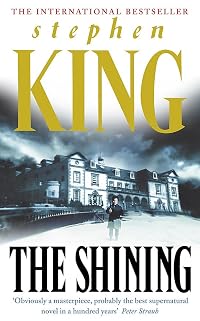


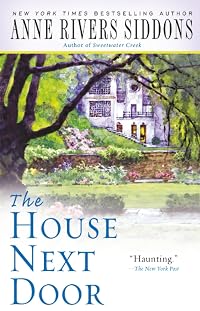
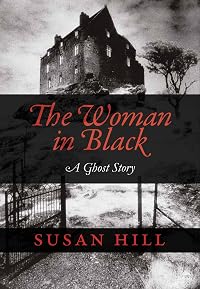
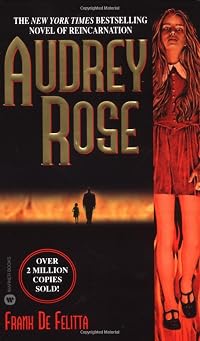





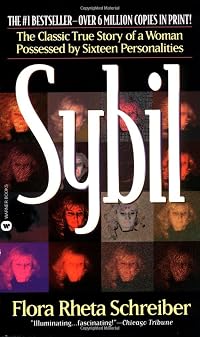
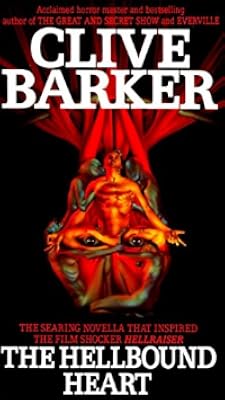

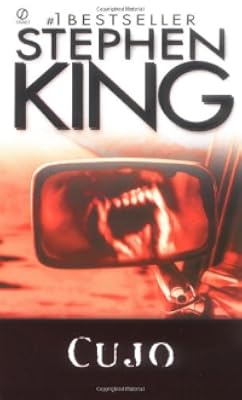
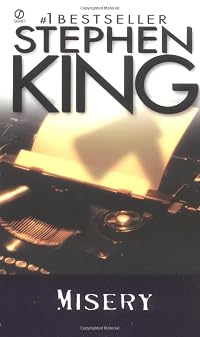


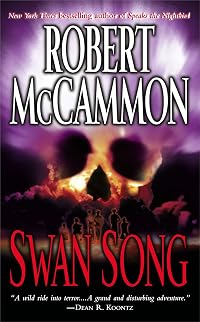
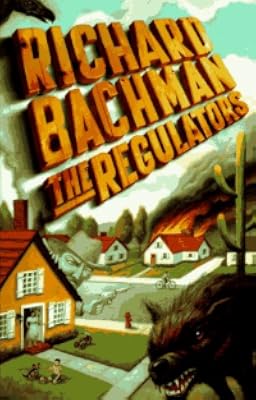

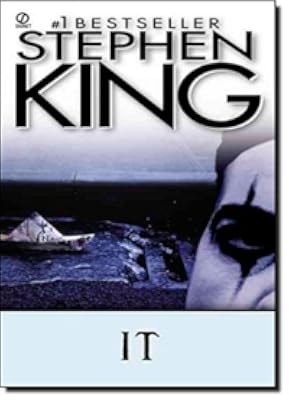
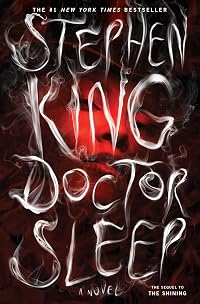
Member Recommendations

jseger9000 Another highly fictionalized account of a purportedly true haunting.
61
Member Reviews
I thought I would start October with a 'horror' story, but this was just ridiculous. Based on a true story - well, the murders were real, I couldn't swear by George and Kathy Lutz's cliched 'haunting' - the Amityville urban legend has spawned a whole vault of terrible films, cashing in on the tragic fate of a whole family and 'excusing' the killer through tales of soured land and demonic possession.
What. Bollocks.
Here's what I think: the Lutz family bought a murder house for a song but found themselves in financial trouble and tried to make the most of a bad situation by claiming that they were living in a Hammer House of Horrors. I mean, every single 'incident' reported in this book is a tired old trope - the cold spots, the smell of show more blood, the slime oozing down the walls, the unseen forces, the levitating! Poltergeist did all this schtick with style. And why, if the reader actually believes any of this happened, did the family stay there for so long? Why the dependency on the family priest to fight the 'evil' - I though the story was set in 1976 not 1776? And why, most critically, has no other resident of the house, which is still standing and still lived in, reported any further supernatural shenanigans?
Look, this is a great story for a horror film, don't get me wrong, but I hate that the violent deaths of six people have been used to generate a mediocre horror franchise. show less
What. Bollocks.
Here's what I think: the Lutz family bought a murder house for a song but found themselves in financial trouble and tried to make the most of a bad situation by claiming that they were living in a Hammer House of Horrors. I mean, every single 'incident' reported in this book is a tired old trope - the cold spots, the smell of show more blood, the slime oozing down the walls, the unseen forces, the levitating! Poltergeist did all this schtick with style. And why, if the reader actually believes any of this happened, did the family stay there for so long? Why the dependency on the family priest to fight the 'evil' - I though the story was set in 1976 not 1776? And why, most critically, has no other resident of the house, which is still standing and still lived in, reported any further supernatural shenanigans?
Look, this is a great story for a horror film, don't get me wrong, but I hate that the violent deaths of six people have been used to generate a mediocre horror franchise. show less
I read this a couple of weeks ago and forgot it ever existed. It's not a figure of speech. I literally forgot about this book and then randomy saw it on my selves and had some seconds of deep confusion before I remembered I read it as part of my horror book binge 12 days ago.
So, what was the problem with it? Mainly that it was very boring. Why was that? Well, it tried to pass off the described events as real, at every turn Anson took the opportunity to remind us that these are facts that as far as he knows are true.
Now I don't care if he actually believed in all of this, or he did it to add flavor to the book. Point is, I love paranormal horror, and religious horror, exactly because I'm unable to believe in any of it. Ghosts, demons, show more witches, souls, spirits, devils, gods, energies, etc, I truly and deeply believe in none of it. It is therefore purely make-believe for me, and this makes me able to imerse myself in the stories without having to worry that my entertainment is someone else's literal, horific experience.
So when you try to convince me there's undeniable truth in something I know is fiction, two things happen. Firstly, I feel the pressure one feels when someone pressures them into reading their palm for a few coins. Like watching an ad for call lines of astrologists and tarot card readers, where you call and are charged by the minute for someone to tell you your future. Pressured to give into a scam. And second, I feel immense pity. Because there are people who belive in all of this and are being exploited, or terrorized - it's always one or the other.
So, when you try to convince me that hauntings are real, it always ends up making me really sad, and I quickly lose my interest.
To all of this, add that Anson isn't a hidden gem of a writer, that he hasn't tried to do much more than narrate what he tries to sell as facts, and the story becomes boring. If you must write about a haunting based on actual events of people deluding themselves of paranormal sightings, then at least try to make it as fictitious as possible, give it some excitement, something. Otherwise we just read about charlatans and delusional people. And that's not what I signed up for. show less
So, what was the problem with it? Mainly that it was very boring. Why was that? Well, it tried to pass off the described events as real, at every turn Anson took the opportunity to remind us that these are facts that as far as he knows are true.
Now I don't care if he actually believed in all of this, or he did it to add flavor to the book. Point is, I love paranormal horror, and religious horror, exactly because I'm unable to believe in any of it. Ghosts, demons, show more witches, souls, spirits, devils, gods, energies, etc, I truly and deeply believe in none of it. It is therefore purely make-believe for me, and this makes me able to imerse myself in the stories without having to worry that my entertainment is someone else's literal, horific experience.
So when you try to convince me there's undeniable truth in something I know is fiction, two things happen. Firstly, I feel the pressure one feels when someone pressures them into reading their palm for a few coins. Like watching an ad for call lines of astrologists and tarot card readers, where you call and are charged by the minute for someone to tell you your future. Pressured to give into a scam. And second, I feel immense pity. Because there are people who belive in all of this and are being exploited, or terrorized - it's always one or the other.
So, when you try to convince me that hauntings are real, it always ends up making me really sad, and I quickly lose my interest.
To all of this, add that Anson isn't a hidden gem of a writer, that he hasn't tried to do much more than narrate what he tries to sell as facts, and the story becomes boring. If you must write about a haunting based on actual events of people deluding themselves of paranormal sightings, then at least try to make it as fictitious as possible, give it some excitement, something. Otherwise we just read about charlatans and delusional people. And that's not what I signed up for. show less
Really? This is it? The great book that spawned a movie franchise and endless ripoffs?
A family out of their depth financially have a stressful move to a crappy new house with poor insulation and some bad smells. The house was sold cheap because someone got murdered there. They stay there for about a month before having worked themselves up in a lather about the place being haunted.
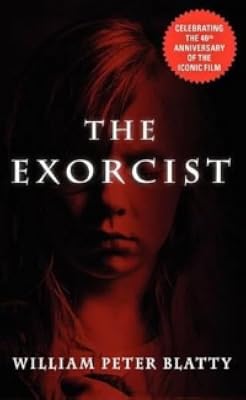
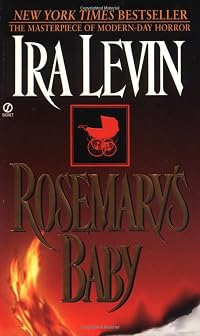
The author keeps insisting these are normal and skeptical people. Within that single month they have contacted a priest to do a blessing of the house, they've had a medium there to talk to the spirits, they've gone around the place trying to "bless" the house by randomly chanting the Lord's Prayer because that's how they imagined it should be done. They're show more talking about exorcisms. These are some amazingly credulous people, despite the author's insistence. Their 'encounters' often come in the form of dreams that bear a striking resemblance to books and movies like The Exorcist (book 1971, movie 1973) with floating off the bed, or Rosemary's Baby (book 1967, movie 1968) with hidden rooms and some mumbo jumbo about satanists. These events supposedly take place in 1975 which gives everyone plenty of time to know exactly what to expect from a spooky house from some of the most successful (and infinitely better) horror stories of that time.
If they aren't just lying outright, everyone involved is going hysterical and expressing what they've been programmed to see by popular media. It's also a product of its time, like the aforementioned books, in that it treats parapsychology as science, along with ESP and other spooky goodness. That didn't age very well, and neither did this book.
If anything it actually gets worse if you take it seriously. The suggestion is made repeatedly that this is the work of the devil and/or some demons and apparently can, from a phone line, slap a priest around with its evil power (apparently working for God gave him no power to even resist let alone fight this demonic force) but by the end of the book we find out these hauntings can be defeated by a new family moving in and rearranging furniture (as to explain nobody else ever having experienced anything from this same house). Oh sure. The devil haunts a fireplace but is ill equipped to handle a new set of chairs. show less
A family out of their depth financially have a stressful move to a crappy new house with poor insulation and some bad smells. The house was sold cheap because someone got murdered there. They stay there for about a month before having worked themselves up in a lather about the place being haunted.
The author keeps insisting these are normal and skeptical people. Within that single month they have contacted a priest to do a blessing of the house, they've had a medium there to talk to the spirits, they've gone around the place trying to "bless" the house by randomly chanting the Lord's Prayer because that's how they imagined it should be done. They're show more talking about exorcisms. These are some amazingly credulous people, despite the author's insistence. Their 'encounters' often come in the form of dreams that bear a striking resemblance to books and movies like The Exorcist (book 1971, movie 1973) with floating off the bed, or Rosemary's Baby (book 1967, movie 1968) with hidden rooms and some mumbo jumbo about satanists. These events supposedly take place in 1975 which gives everyone plenty of time to know exactly what to expect from a spooky house from some of the most successful (and infinitely better) horror stories of that time.
If they aren't just lying outright, everyone involved is going hysterical and expressing what they've been programmed to see by popular media. It's also a product of its time, like the aforementioned books, in that it treats parapsychology as science, along with ESP and other spooky goodness. That didn't age very well, and neither did this book.
If anything it actually gets worse if you take it seriously. The suggestion is made repeatedly that this is the work of the devil and/or some demons and apparently can, from a phone line, slap a priest around with its evil power (apparently working for God gave him no power to even resist let alone fight this demonic force) but by the end of the book we find out these hauntings can be defeated by a new family moving in and rearranging furniture (as to explain nobody else ever having experienced anything from this same house). Oh sure. The devil haunts a fireplace but is ill equipped to handle a new set of chairs. show less
I was on the fence about whether or not to read this book after I found out (perhaps I am the last person to know this?) that the events were probably fabricated. But I ended up deciding that a fiction book posing as non-fiction horror might give some great insight about what we, as humans, find scary. I ended up loving the journalistic tone and the mix of very ordinary life (Kathy needed to put her groceries away) and the supernatural (the marching band playing on the first floor!). Eventually, the horror started to repeat itself (the marching band is less scary the second and the third time around) but I suppose hauntings might by their nature be repetitive
I've been reading a bit of horror lately and found this book to have held up show more pretty well (compared with, say, Hell House, which let's just say did not age well). show less
I've been reading a bit of horror lately and found this book to have held up show more pretty well (compared with, say, Hell House, which let's just say did not age well). show less
Focused on what may be the most famous haunting episode in American history or culture, this book serves as the original definitive account of what happened to and in the Lutz home at 112 Ocean Avenue in Long Island in the mid-1970s.
Written as a journalistic account, the book is surprisingly creepy--more so, in fact, for this stylistic choice. Written objectively, the events and dialogues within the book are both frighteningly believable and horrific, carefully documenting the 28 days in which the Lutz family lived--or attempted to live--at 112 Ocean Avenue.
Readers familiar with tales of horror or haunting will still be chilled by this work--Anson's journalistic focus in documenting the events gives each page the feeling of documentary show more fact instead of narrative, and the details are impressive.
In the end, whether you're looking for fact or fiction of this nature, you'll find this work worth picking up. It's a fast and entertaining read...and a scary one, as well.
Recommended. show less
Written as a journalistic account, the book is surprisingly creepy--more so, in fact, for this stylistic choice. Written objectively, the events and dialogues within the book are both frighteningly believable and horrific, carefully documenting the 28 days in which the Lutz family lived--or attempted to live--at 112 Ocean Avenue.
Readers familiar with tales of horror or haunting will still be chilled by this work--Anson's journalistic focus in documenting the events gives each page the feeling of documentary show more fact instead of narrative, and the details are impressive.
In the end, whether you're looking for fact or fiction of this nature, you'll find this work worth picking up. It's a fast and entertaining read...and a scary one, as well.
Recommended. show less
In 1974, Ronald "Butch" DeFeo Jr. murdered his entire family as they slept in their home in Amityville, New York. A short year later, the Lutz family moves into the home and begins to experience unusual occurrences. The family claimed to experience cold spots, unexpected noises, and pig faces in windows. The Lutz family lasted 28 days in their house of horrors before they walked away.
There were aspects of the story that were frightening, such as the touches with no one there and the way the priest suffered after blessing the home but there were far too many strange parts to allow anyone to think this was based on a true story. I have never heard of another haunting that included a marching band and a pig-faced entity named Jodie who show more spoke to a child but didn't scare her. If this has been marketed as fiction, it may have been considered a better read. show less
There were aspects of the story that were frightening, such as the touches with no one there and the way the priest suffered after blessing the home but there were far too many strange parts to allow anyone to think this was based on a true story. I have never heard of another haunting that included a marching band and a pig-faced entity named Jodie who show more spoke to a child but didn't scare her. If this has been marketed as fiction, it may have been considered a better read. show less
I first read this book in my childhood, snatching it from my sister's shelves when I was seven or so; I remember finding it interesting, but not particularly moving. I came back to it again when I was sixteen, hoping that age and experience would prove illuminating to the parts I hadn't understood previously... and was again disappointed. Now, at the positively decrepit age of thirty-three, I've come back a third time, partly as research and partly in an attempt to answer the question that's been with me for twenty-five years.
How in the world did anyone find this scary, find it interesting or entertaining to read and - most importantly - believable?
Some people, knowing me, might find it odd that I find the account of this book show more laughable. As the Cowardly Lion once said "I do believe in spooks, I do believe in spooks!" I do. I believe in ghosts, spirits, witches and even - though with a rather different definition than most folks seem to use - demons. But I don't believe in this. Lorraine Warren and her friends can tell me all day that 112 Ocean Avenue is the den of sin itself, and I'd still gleefully laugh in their faces and volunteer to sit in the so-called "Red Room" all night.
The premise is simple enough, and likely one nearly every literate person above the age of twenty five or so knows; the Lutz family buys a beautiful house at bargain basement rates due to the previous inhabitants all being murdered there. 28 days later, they pack up and ship out for points west, leaving behind a ruined home, all their belongings and a pile of debt and ill will large enough to last the ages. The book recounts the supposedly "true" happenings that occurred during their time in the house.
Fair enough. I'll bite. The first problem, however, comes from the prose itself. It's terribly written. The author can't seem to decide on a tense or perspective, often flitting between past and present multiple times in a single sentence. Perspective shifts are also common, again often within the same sentence. I accept people's right to use third-person omniscient; I loathe it, but I accept some people will do it. But for God's sake, people... one should at least attempt to complete a thought from the head of one character before shifting to another, don't you think? Then there's the exclamation points. There isn't a magical rule that says there has to be at least three on every page; if there is, nobody bothered to tell me about it. Yet Anson tosses them about as though he gets paid extra for each one he sneaks in. "George walked to the garage. It was empty!" "Kathy felt a presence!" "The dog howled!"
And then, of course, are the continuity problems. These would be bad enough if the work was fiction; they show sloppiness and a lack of proper review and editing. But to be so lax in a work that is supposedly true is utterly unforgivable. For example: The first page of my edition (oh, did I not mention that it's been reprinted several times, each time being edited so the facts change again? Yeah. That's a sure sign they're being factual, right?) claims they moved in on December 23rd. Once the real story starts, they move in on the 18th. This is after a lengthy discussion of the legal mess regarding actual ownership and deeds of the house, which supposedly took forever... but the Lutzes supposedly put their down payment on the house in late November. Already the timeline is borked, and we're only 10 pages in.
Then there's the matter of the price of the house. Again, according to the first page, "The house must be within the $30,000 to $50,000 range." The real estate agent, upon showing them the house, informs them the cost is $90,000. No haggling is mentioned; George just says "We'll take it!" Then, during the legalese portion of the proceedings, the price is mentioned as being $80,000.
Or how about the IRS agent who's pestering George at his business - which he's been "borrowing" money from to finance the house, his brother-in-law's wedding, and pad his personal bank accounts, mind. The agent schedules an appointment to meet with George and his accountant on January 7th. Then shows up on the 5th, angry because George isn't there, so they reschedule again. I'm sorry, pretty sure the IRS can keep dates straight (mostly) even if the author can't.
For the final quibbles: Making things seem important and dramatic, sure signs of demon infestation... when they're really not. Even better is just inventing things to claim as part of the tale that are easily debunked. From the former category, it's mentioned several times how the family dog, Harry, "howls like a wolf" at something or other, thus setting everyone on edge. "He's never done THIS before!" they say. The dog is part Malamute. They have him tethered outside in a rural area. If any of you have ever owned a Malamute, Husky, Samoyed or other Arctic breed (or cross involving one), you know well that such behavior is just what they do. They're sometimes called "singing dogs" because of that behavior. Put them outside, that behavior is going to increase. It's not a sign of demonic possession... it means the dog is smelling something on the breeze, looking at the moon, or is just saying "Hey, it's cold and smelly out here, let me back in the house, dad!"
In the latter category is the weather - which is another one of those things that kept getting altered between reprints of the book - which has NEVER meshed with actual meteorological society reports of the weather in the area on the dates listed. My personal favorite, however, is the bar. Supposedly located a few blocks away from the house, according to the book the bar is called The Witches' Brew. Now, there is a bar near the house in question. But it's called Harry's Bar, and has been called Harry's Bar for just about forever. Further, anyone claiming George Lutz (who, in case you've not seen him or only have the image of Brolin or Reynolds from the film versions in your heads, is a short, stout, dark blondish man with a ruddy complexion) looks "just like" Ronnie DeFeo, Jr. (who at the time was a lanky, pale young man with black hair) should probably be scheduled for new glasses.
All in all, after my third trip to Ocean Avenue, I think I've had enough. I am still left wondering how this was considered important reading, or why anyone at all would believe a single word in this book... but I've satisfied myself that I will likely never know the answer. Save yourself the trouble. show less
How in the world did anyone find this scary, find it interesting or entertaining to read and - most importantly - believable?
Some people, knowing me, might find it odd that I find the account of this book show more laughable. As the Cowardly Lion once said "I do believe in spooks, I do believe in spooks!" I do. I believe in ghosts, spirits, witches and even - though with a rather different definition than most folks seem to use - demons. But I don't believe in this. Lorraine Warren and her friends can tell me all day that 112 Ocean Avenue is the den of sin itself, and I'd still gleefully laugh in their faces and volunteer to sit in the so-called "Red Room" all night.
The premise is simple enough, and likely one nearly every literate person above the age of twenty five or so knows; the Lutz family buys a beautiful house at bargain basement rates due to the previous inhabitants all being murdered there. 28 days later, they pack up and ship out for points west, leaving behind a ruined home, all their belongings and a pile of debt and ill will large enough to last the ages. The book recounts the supposedly "true" happenings that occurred during their time in the house.
Fair enough. I'll bite. The first problem, however, comes from the prose itself. It's terribly written. The author can't seem to decide on a tense or perspective, often flitting between past and present multiple times in a single sentence. Perspective shifts are also common, again often within the same sentence. I accept people's right to use third-person omniscient; I loathe it, but I accept some people will do it. But for God's sake, people... one should at least attempt to complete a thought from the head of one character before shifting to another, don't you think? Then there's the exclamation points. There isn't a magical rule that says there has to be at least three on every page; if there is, nobody bothered to tell me about it. Yet Anson tosses them about as though he gets paid extra for each one he sneaks in. "George walked to the garage. It was empty!" "Kathy felt a presence!" "The dog howled!"
And then, of course, are the continuity problems. These would be bad enough if the work was fiction; they show sloppiness and a lack of proper review and editing. But to be so lax in a work that is supposedly true is utterly unforgivable. For example: The first page of my edition (oh, did I not mention that it's been reprinted several times, each time being edited so the facts change again? Yeah. That's a sure sign they're being factual, right?) claims they moved in on December 23rd. Once the real story starts, they move in on the 18th. This is after a lengthy discussion of the legal mess regarding actual ownership and deeds of the house, which supposedly took forever... but the Lutzes supposedly put their down payment on the house in late November. Already the timeline is borked, and we're only 10 pages in.
Then there's the matter of the price of the house. Again, according to the first page, "The house must be within the $30,000 to $50,000 range." The real estate agent, upon showing them the house, informs them the cost is $90,000. No haggling is mentioned; George just says "We'll take it!" Then, during the legalese portion of the proceedings, the price is mentioned as being $80,000.
Or how about the IRS agent who's pestering George at his business - which he's been "borrowing" money from to finance the house, his brother-in-law's wedding, and pad his personal bank accounts, mind. The agent schedules an appointment to meet with George and his accountant on January 7th. Then shows up on the 5th, angry because George isn't there, so they reschedule again. I'm sorry, pretty sure the IRS can keep dates straight (mostly) even if the author can't.
For the final quibbles: Making things seem important and dramatic, sure signs of demon infestation... when they're really not. Even better is just inventing things to claim as part of the tale that are easily debunked. From the former category, it's mentioned several times how the family dog, Harry, "howls like a wolf" at something or other, thus setting everyone on edge. "He's never done THIS before!" they say. The dog is part Malamute. They have him tethered outside in a rural area. If any of you have ever owned a Malamute, Husky, Samoyed or other Arctic breed (or cross involving one), you know well that such behavior is just what they do. They're sometimes called "singing dogs" because of that behavior. Put them outside, that behavior is going to increase. It's not a sign of demonic possession... it means the dog is smelling something on the breeze, looking at the moon, or is just saying "Hey, it's cold and smelly out here, let me back in the house, dad!"
In the latter category is the weather - which is another one of those things that kept getting altered between reprints of the book - which has NEVER meshed with actual meteorological society reports of the weather in the area on the dates listed. My personal favorite, however, is the bar. Supposedly located a few blocks away from the house, according to the book the bar is called The Witches' Brew. Now, there is a bar near the house in question. But it's called Harry's Bar, and has been called Harry's Bar for just about forever. Further, anyone claiming George Lutz (who, in case you've not seen him or only have the image of Brolin or Reynolds from the film versions in your heads, is a short, stout, dark blondish man with a ruddy complexion) looks "just like" Ronnie DeFeo, Jr. (who at the time was a lanky, pale young man with black hair) should probably be scheduled for new glasses.
All in all, after my third trip to Ocean Avenue, I think I've had enough. I am still left wondering how this was considered important reading, or why anyone at all would believe a single word in this book... but I've satisfied myself that I will likely never know the answer. Save yourself the trouble. show less
Members
- Recently Added By
Lists

Best Horror Books
281 works; 85 members

Scary Stories for the Season
160 works; 94 members

Read the book and saw the movie
1,170 works; 195 members

Reader's Digest 50 Best Horror Books to Read
50 works; 3 members

Houses and Buildings as Characters in Fiction
182 works; 29 members

DELETE
48 works; 1 member

Books Read in 2025
4,128 works; 98 members

Weirdo Nonfiction
138 works; 3 members
Books in Riverdale
123 works; 3 members

Gen X Library
245 works; 4 members
Kate & Cheyanne's Horror Extravaganza
144 works; 6 members

Books Read in 2022
5,226 works; 112 members

To Read - Horror
137 works; 14 members

1970s
657 works; 23 members

GR: 16 Books That Will Give You Nightmares
6 works; 1 member
1970s Horror
28 works; 8 members

Overdue Podcast
808 works; 9 members

Ghosts
278 works; 18 members

Swinging Seventies
255 works; 18 members
BlackDog's Complete Paperbacks From Hell List
639 works; 3 members
Author Information

Some Editions
Awards and Honors
Awards
Distinctions
Notable Lists
Series

Work Relationships
Has the adaptation
Common Knowledge
- Canonical title
- The Amityville Horror: A True Story
- Original publication date
- 1977
- People/Characters
- George Lutz; Kathy Lutz; Danny Lutz; Christopher Lutz; Missy Lutz; Father Mancuso (show all 7); Ronald DeFeo, Jr.
- Important places
- Amityville, New York, USA
- Important events
- Murders of DeFeo Family (1974)
- Related movies
- The Amityville Horror (1979 | IMDb); Amityville II: The Possession (1982 | IMDb); Amityville 3D (1983 | IMDb); Amityville: The Evil Escapes (1989 | IMDb); The Amityville Curse (1990 | IMDb); Amityville: It's About Time (1992 | IMDb) (show all 10); Amityville: A New Generation (1993 | IMDb); Amityville Dollhouse (1996 | IMDb); The Amityville Horror (2005 | IMDb); Amityville: The Awakening (2017 | IMDb)
- First words
- George and Kathy Lutz moved into 112 Ocean Avenue on December 18.
- Last words
- (Click to show. Warning: May contain spoilers.)Whatever he had thought they had left forever back at 112 Ocean Avenue was following them -- wherever the Lutzes fled.
- Blurbers
- Kirsch, Robert
- Canonical DDC/MDS
- 133.42
- Canonical LCC
- BF1517.U6
Classifications
- Genres
- Horror, Fiction and Literature
- DDC/MDS
- 133.42 — Philosophy & psychology Parapsychology & occultism Specific topics in parapsychology and occultism Demonology and witchcraft Demonology
- LCC
- BF1517 .U6 — Philosophy, Psychology and Religion Psychology Occult sciences Demonology. Satanism. Possession
- BISAC
Statistics
- Members
- 3,133
- Popularity
- 5,617
- Reviews
- 97
- Rating
- (3.30)
- Languages
- 7 — Dutch, English, French, Farsi/Persian, Polish, Spanish, Portuguese (Portugal)
- Media
- Paper, Audiobook, Ebook
- ISBNs
- 35
- UPCs
- 2
- ASINs
- 33