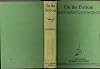
On the Bottom
by Edward Ellsberg
On This Page
Description
The man who led the salvage efforts to raise a sunken US Navy submarine recounts the mission in a tale "that will surely rank among the epics of the sea" (The Philadelphia Inquirer). The sinking of the submarine S-51 was one of the greatest tragedies in American naval history. Due to a miscommunication and subsequent collision between the sub and a passing steamship on a September night, the S-51, including thirty-three of its crew of thirty-six, sank to the ocean depths. The tragedy of the show more S-51 captivated the nation, and was a fixture in the pages of American newspapers. The story took on a whole new dimension when the navy decided to take over the salvage of the thousand-ton behemoth from a civilian company. Heading the crew tasked with this impossible feat was Edward Ellsberg, at the time a lieutenant commander. On the Bottom is Ellsberg's account of the successes and failures he and his men experienced as they attempted an astonishing feat of engineering and bravery: the first salvage of a submarine from the open ocean. show lessTags
Recommendations









































Member Reviews
On the Bottom is Ellsberg's first popular book, an account of the salvaging of submarine S-51 from 160 feet of water in 1926 by a team of US Navy divers. Compared to the other books I've read, it's more technical and has less human interests, this is after all a team of competent professionals without any of the cultural conflicts that make his other books so interesting.
The story of men against the sea has enough drama. Deep sea diving is one of the most hazardous and extreme activities people do, and crude technology of 1926 meant that everything had to be done by hand in the dark and cold, where divers survived in a precarious equilibrium and a single mistake could prove fatal.
Mark V Standard Diving Dress, of the kind used by show more Ellsberg. From Will Kutscher
Perhaps the most terrifying way to die was a squeeze, where air pressure in the suit dropped below the water pressure and the diver was compressed into the helmet. Conversely, if air pressure built up too high, the suit would blow up, forcing the diver spread eagle and unable to operate their relief valves as they shot to the surface. Ascend too quickly and the diver would be crippled or killed by the bends. At depth, oxygen itself had an intoxicating effect, so try thinking while five drinks drunks, and moving while carrying hundreds of pounds of extra weight. Visibility at the bottom was between feet and nil, with much work having to be done by feel. One diver got helplessly loss for a half-hour in a 15 foot triangle between the sunken submarine and a house-sized pontoon. A narrow lifeline connected the diver to the surface, carrying air and a balky telephone, and if that line got snarled or the diver got stuck, there was little chance of help. Suits leaked, dives and decompression sequences took hours, and their were ordinary risks of exhaustion and pneumonia.
The plan to raise S-51 was complex. First the remaining good compartments of the damaged submarine would have to be made watertight and pumped full of air. Divers practiced on the sistership S-50 until they could turn the necessary valves blindfolded, and then did the same same thing on the bottom, in a listing wreck full of corpses. Repairs and special hatches had to be installed to keep the pressurized air in, which was literally backbreaking labor.
Next, a cradle of chains had to be laid around and under submarine. The bow and stern rose above the bottom, making this easy, but the two middle cables had to be passed through tunnels dug undersea. These were dug with water-pressure, leading to one of the more incredible feats of bravery I've read, where Diver Smith was in a 20' long tunnel that caved in on him. He managed to get the hose turned around and held it between lead-booted feet to dig himself out. Then he caught his breath and went back into the hole, a calm and cold-blooded heroism under literal and metaphorical pressure to get the job done.
After that, pontoons had to be submerged and laid alongside the submarine, a process Ellsberg compares to lowering a train car into place from the top of a 16 story building in a midnight gale. And once all this was done, there were the sundry matters of accidentally raising the submarine before a storm and having to sink and untangle the entire mess to do it again, running the wreck around in the East River and having to salvage it a third time in shifting tides, and finally bringing the ship and the men home.
As a first book, Ellsberg's writing is a hair weaker, and salvage doesn't have the same historical weight as World War 2. Yet for a certain type of nautical geek, this is a fantastic yarn and well worth the read. show less
The story of men against the sea has enough drama. Deep sea diving is one of the most hazardous and extreme activities people do, and crude technology of 1926 meant that everything had to be done by hand in the dark and cold, where divers survived in a precarious equilibrium and a single mistake could prove fatal.
Mark V Standard Diving Dress, of the kind used by show more Ellsberg. From Will Kutscher
Perhaps the most terrifying way to die was a squeeze, where air pressure in the suit dropped below the water pressure and the diver was compressed into the helmet. Conversely, if air pressure built up too high, the suit would blow up, forcing the diver spread eagle and unable to operate their relief valves as they shot to the surface. Ascend too quickly and the diver would be crippled or killed by the bends. At depth, oxygen itself had an intoxicating effect, so try thinking while five drinks drunks, and moving while carrying hundreds of pounds of extra weight. Visibility at the bottom was between feet and nil, with much work having to be done by feel. One diver got helplessly loss for a half-hour in a 15 foot triangle between the sunken submarine and a house-sized pontoon. A narrow lifeline connected the diver to the surface, carrying air and a balky telephone, and if that line got snarled or the diver got stuck, there was little chance of help. Suits leaked, dives and decompression sequences took hours, and their were ordinary risks of exhaustion and pneumonia.
The plan to raise S-51 was complex. First the remaining good compartments of the damaged submarine would have to be made watertight and pumped full of air. Divers practiced on the sistership S-50 until they could turn the necessary valves blindfolded, and then did the same same thing on the bottom, in a listing wreck full of corpses. Repairs and special hatches had to be installed to keep the pressurized air in, which was literally backbreaking labor.
Next, a cradle of chains had to be laid around and under submarine. The bow and stern rose above the bottom, making this easy, but the two middle cables had to be passed through tunnels dug undersea. These were dug with water-pressure, leading to one of the more incredible feats of bravery I've read, where Diver Smith was in a 20' long tunnel that caved in on him. He managed to get the hose turned around and held it between lead-booted feet to dig himself out. Then he caught his breath and went back into the hole, a calm and cold-blooded heroism under literal and metaphorical pressure to get the job done.
After that, pontoons had to be submerged and laid alongside the submarine, a process Ellsberg compares to lowering a train car into place from the top of a 16 story building in a midnight gale. And once all this was done, there were the sundry matters of accidentally raising the submarine before a storm and having to sink and untangle the entire mess to do it again, running the wreck around in the East River and having to salvage it a third time in shifting tides, and finally bringing the ship and the men home.
As a first book, Ellsberg's writing is a hair weaker, and salvage doesn't have the same historical weight as World War 2. Yet for a certain type of nautical geek, this is a fantastic yarn and well worth the read. show less
Written over 90 years ago, the volume I checked out from the library is 89 years old, torn, stained, missing picture, rebound at least a couple of times and sporting 5 punctures that go 40 pages in from the title page. This doesn't read quite like fiction, as it really isn't, but is sort of an incident by incident short story retelling of how the S-51 submarine was raised from 160+ feet of water in stormy seas. What is mostly absent in this narrative is anything above the level of what was going on at the scene. Since the impetus for this mission was almost entirely political and the initial urge was to contract out the inevitable failure, there must have been a fair deal of second guessing going on when the winter called a halt and new show more divers had to be trained, not to mention when a storm wrecked the first effort at raising the S-51. Clearly, the S-51 was raised, and much was learned and new technologies established. show less
Ratings
Members
- Recently Added By
Author Information

18+ Works 517 Members
Some Editions
Common Knowledge
- Canonical title*
- S-51 par le fond
- Original title
- On the bottom
- Important places
- Atlantic Ocean; North Atlantic Ocean
*Some information comes from Common Knowledge in other languages. Click "Edit" for more information.
Classifications
Statistics
- Members
- 94
- Popularity
- 343,354
- Reviews
- 2
- Rating
- (3.80)
- Languages
- English, French
- Media
- Paper, Ebook
- ISBNs
- 5
- ASINs
- 6