The Absent City
by Ricardo Piglia
On This Page
Description
English translation of 1992 best-selling fiction novel that explores the nature of totalitarian regimes and life in the aftermath of a long dictatorship.Tags
Recommendations
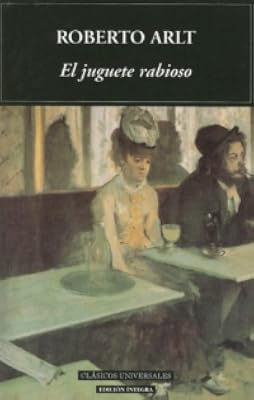

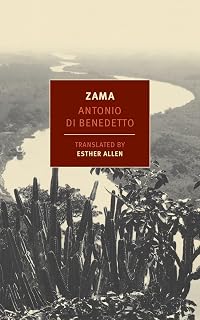
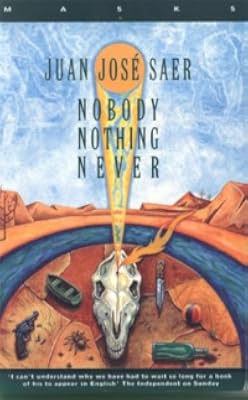

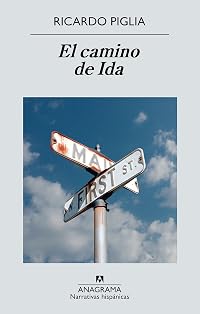














Member Recommendations

Member Reviews
La città assente non è il genere di romanzo da leggere mentre si trasloca e la mente è tutta presa dallo scoprire che la doccia non produce acqua calda, dal ricordarti dove hai messo cosa e dal cercare di capire perché all’improvviso il frigorifero avesse preso a lanciare lamenti non appena lo aprivo. Potrà sembrare un libriccino innocuo, ma La città assente è denso quanto l’osmio e in poco più di cento pagine contiene una quantità di tematiche e sperimentazioni narrative che ha dell’incredibile.
Come ci fa notare Tommaso Pincio nell’introduzione, è un romanzo che, senza scendere troppo nei dettagli, si può leggere in quattro modi diversi: come la storia di una macchina, come un romanzo che è una macchina di storie, show more come un mix delle due tipologie precedenti e come se fossimo davanti a una macchina che parla di una macchina per produrre macchine. Confusə? Lo so, ecco perché ho esordito raccomandandovi di non seguire il mio esempio e leggerlo con la mente pronta a concentrarsi sulla lettura.
È difficile dare un’idea di cosa sia La città assente: la sua struttura – sempre che la si possa definire così – è tanto frammentata da dare l’idea che sia un mosaico di cui ci vengono consegnate le tessere in un sacchetto anonimo, senza un’immagine di riferimento finale. Arrovesciando il sacchetto e cominciando a guardare le tessere possiamo ipotizzare dei disegni: un cielo stellato, un mare in tempesta, un sontuoso vestito tempestato di gemme… qual era l’immagine pensata da chi aveva preparato proprio quelle tessere?
Ecco, La città assente genere questo tipo di confusione. È una strana storia – o una storia di storie, o una storia che racconta di una storia che produce storie – una di quelle che sembrano assolutamente refrattarie a essere accomodanti con ə loro lettorə. Peccato averlo letto quando nemmeno la mia attenzione era troppo accomodante… show less
Come ci fa notare Tommaso Pincio nell’introduzione, è un romanzo che, senza scendere troppo nei dettagli, si può leggere in quattro modi diversi: come la storia di una macchina, come un romanzo che è una macchina di storie, show more come un mix delle due tipologie precedenti e come se fossimo davanti a una macchina che parla di una macchina per produrre macchine. Confusə? Lo so, ecco perché ho esordito raccomandandovi di non seguire il mio esempio e leggerlo con la mente pronta a concentrarsi sulla lettura.
È difficile dare un’idea di cosa sia La città assente: la sua struttura – sempre che la si possa definire così – è tanto frammentata da dare l’idea che sia un mosaico di cui ci vengono consegnate le tessere in un sacchetto anonimo, senza un’immagine di riferimento finale. Arrovesciando il sacchetto e cominciando a guardare le tessere possiamo ipotizzare dei disegni: un cielo stellato, un mare in tempesta, un sontuoso vestito tempestato di gemme… qual era l’immagine pensata da chi aveva preparato proprio quelle tessere?
Ecco, La città assente genere questo tipo di confusione. È una strana storia – o una storia di storie, o una storia che racconta di una storia che produce storie – una di quelle che sembrano assolutamente refrattarie a essere accomodanti con ə loro lettorə. Peccato averlo letto quando nemmeno la mia attenzione era troppo accomodante… show less
Es uno de esos libros que se disfrutan mucho más cuando leíste muchos libros. En especial nacionales. Un rasgo muy de los 90' en Argentina, cuando pululaban autores como Fogwill o Forn, y una fascinación mítica por Borges que está muy bien plasmada en la historia, no tanto por una alusión directa a sus textos, sino más bien cuando hace referencia a obras que a Borges lo fascinaban. También contiene muchísimo contenido emocional ligado a la historia argentina del siglo XX, esa que para 1992 estaba tan vacía que el lenguaje podía crear cualquier cosa. Más allá del fin de la historia, claro.
Entiendo por qué puede no gustarle a mucha gente. No es pecado. Tiene un corte medio academicista que, en lo personal, habiendo cursado show more dos niveles de semiótica en la facultad (uno de ellos anual), me saturó un toque. Pero no está mal. Sobrevive muy bien a su tiempo. Y no es ni de cerca tan complejo como parece de buenas a primeras.
Recomendado para, quizá, aquellos que estén entrando en las complejidades de los experimentos literarios. Es una buena puerta de transición. Berreta para los editores snobs que critican a Piglia en twitter (perdón, capo, no somos dignos), insoportable para los que todavía no consiguieron superar tres páginas de El ruido y la furia. show less
Entiendo por qué puede no gustarle a mucha gente. No es pecado. Tiene un corte medio academicista que, en lo personal, habiendo cursado show more dos niveles de semiótica en la facultad (uno de ellos anual), me saturó un toque. Pero no está mal. Sobrevive muy bien a su tiempo. Y no es ni de cerca tan complejo como parece de buenas a primeras.
Recomendado para, quizá, aquellos que estén entrando en las complejidades de los experimentos literarios. Es una buena puerta de transición. Berreta para los editores snobs que critican a Piglia en twitter (perdón, capo, no somos dignos), insoportable para los que todavía no consiguieron superar tres páginas de El ruido y la furia. show less
Que tristeza la de cerrar un libro, tras haber leído todas y cada una de sus páginas, y tener la sensación de no haber entendido nada. Ni siquiera de haber sido capaz de sobreinterpretar o idear un simulacro, pese a que jamás hubiese estado en la mente del autor, a partir de la lectura.
Así “La ciudad ausente” de Ricardo Piglia. La desazón de enfrentarse a un arcano misterioso y la frustrante incapacidad de desentrañarlo. Los deseos de abandonar la lectura, el acicate de una historia curiosa, de una propuesta interesante, pero al final el páramo, casi el desierto.
Ahí quedan las elaboradas teorías sobre el lenguaje, la máquina pergeñadora de historias, el juego del tiempo y las posibilidades frente al espacio y las show more certidumbres,…
Nada. Ni todos los libros son para todos los lectores, ni cualquier libro es para un lector en cualquier momento. Quizá en un futuro y con otra disposición de ánimo “La ciudad ausente” se desvele en su sentido y profundidad. Hasta entonces... show less
Así “La ciudad ausente” de Ricardo Piglia. La desazón de enfrentarse a un arcano misterioso y la frustrante incapacidad de desentrañarlo. Los deseos de abandonar la lectura, el acicate de una historia curiosa, de una propuesta interesante, pero al final el páramo, casi el desierto.
Ahí quedan las elaboradas teorías sobre el lenguaje, la máquina pergeñadora de historias, el juego del tiempo y las posibilidades frente al espacio y las show more certidumbres,…
Nada. Ni todos los libros son para todos los lectores, ni cualquier libro es para un lector en cualquier momento. Quizá en un futuro y con otra disposición de ánimo “La ciudad ausente” se desvele en su sentido y profundidad. Hasta entonces... show less
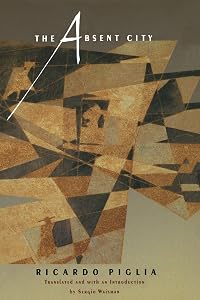
THE ABSENT CITY by Ricardo Piglia
Now that I have finished Piglia’ s masterpiece I am astounded how dense and powerful this book can be; In just 139 pages he tells a tale covering journalism, loss, memory, authoritarian rule and imagination.
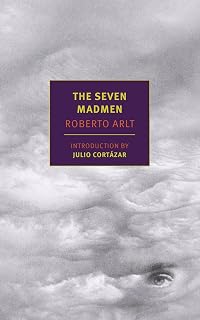
Inspired by the works of Borges, Roberto Arlt and Macedonio Fernandez 3 giants of Argentinian literature Piglia establishes himself as an equal in importance and inventiveness.
Published in the year 2000 Piglia intuits the coming internet age, data collection and total surveillance. Like other great artists he foresaw what was to come, the future, the breakdown of personal freedoms when we are subjects, cameras and giant servers collecting our images and movements yet “they only see my body, no one show more can get inside me, the brain’s loneliness is immune to electronic surveillance”. Here he holds out hope that our ideas and thoughts will always serve as barricade against the torrents of totalitarian rulers.
Having recently finished Don DeLillo’s ZERO K, I imagine DeLillo having been familiar with Piglia’s work and vice versa.
I highly recommend this unique tale. show less
Now that I have finished Piglia’ s masterpiece I am astounded how dense and powerful this book can be; In just 139 pages he tells a tale covering journalism, loss, memory, authoritarian rule and imagination.
Inspired by the works of Borges, Roberto Arlt and Macedonio Fernandez 3 giants of Argentinian literature Piglia establishes himself as an equal in importance and inventiveness.
Published in the year 2000 Piglia intuits the coming internet age, data collection and total surveillance. Like other great artists he foresaw what was to come, the future, the breakdown of personal freedoms when we are subjects, cameras and giant servers collecting our images and movements yet “they only see my body, no one show more can get inside me, the brain’s loneliness is immune to electronic surveillance”. Here he holds out hope that our ideas and thoughts will always serve as barricade against the torrents of totalitarian rulers.
Having recently finished Don DeLillo’s ZERO K, I imagine DeLillo having been familiar with Piglia’s work and vice versa.
I highly recommend this unique tale. show less
A linguagem mata. Viva Lucía Joyce.
Em uma Buenos Aires do futuro, é inventada uma máquina de traduzir. Com a primeira tentativa, William Wilson de Poe, descobre-se que a máquina não faz traduções, mas paráfrases, a primeira das quais se chama Stephen Stephenson. E mais: a máquina aprende, lembra o que já escreveu, uma novela se infiltra na outra, seus temas e sua linguagem se tornam mais complexos.
A máquina, descobrimos, foi inventada por Macedonio Fernandez em uma tentativa de salva a mulher doente, e é responsável até mesmo pelos contos de Borges.
A máquina se torna, em um estado totalitário, a única capaz de enganar a censura, levando a uma reflexão sobre as complicadas transições das ditaduras para a democracia.
O show more final do livro, um monólogo que lembra o de Molly Bloom, é uma incursão ao cérebro da própria máquina, com suas convicções e dúvidas. show less
Em uma Buenos Aires do futuro, é inventada uma máquina de traduzir. Com a primeira tentativa, William Wilson de Poe, descobre-se que a máquina não faz traduções, mas paráfrases, a primeira das quais se chama Stephen Stephenson. E mais: a máquina aprende, lembra o que já escreveu, uma novela se infiltra na outra, seus temas e sua linguagem se tornam mais complexos.
A máquina, descobrimos, foi inventada por Macedonio Fernandez em uma tentativa de salva a mulher doente, e é responsável até mesmo pelos contos de Borges.
A máquina se torna, em um estado totalitário, a única capaz de enganar a censura, levando a uma reflexão sobre as complicadas transições das ditaduras para a democracia.
O show more final do livro, um monólogo que lembra o de Molly Bloom, é uma incursão ao cérebro da própria máquina, com suas convicções e dúvidas. show less
A newspaper reporter named Junior is given a lead on a story and goes to visit a man named Fuyita. When he locates the apartment where he is supposed to find Fuyita, he finds a badly-bruised woman who begs him to go and buy her some gin as she takes swigs from a bottle of eau de cologne (a reference to La Queca from Onetti's La vida breve?). She also tells him to head on down to the Museum, where there is a Machine that spits out a string of stories related to other stories that have already been told. The first link in the string of altered stories is Poe's William Wilson, which becomes Steven Stevenson after the Machine has processed it. For a while, the reader wanders around some of the altered stories, which are derived from show more Argentine classics (I don't have the book with me, but I remember a reference to Remo Erdosain on the train at the end of Los lanzallamas). Junior's investigation also takes him in search of a foreign-born scientist, who aided in the creation of this machine, and who also worked on a strange mechanical bird. The Machine in the Museum reminded me a bit of Morel's invention in Adolfo Bioy Cásares's novel, in the way that it takes a reality, a story in this case and the lives of a group of people in Cásares's book, and perpetuates it, allowing it to live on in a simulation of its former self. There's also a portion of the book that takes place on an island where the spoken language shifts every so often, without rhyme or reason, and Finnegans Wake is a celebrated work. The persecution of clandestine political dissidents is a constant focus as well, with many of the characters (including Junior himself, as well as a woman who points him toward a foreign-born scientist) being monitored and often hassled by the police. The police also want to shut down or marginalize the machine, stopping the flow of stories that it emits.
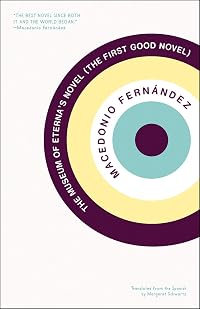
In a book filled with references to literature, my limited familiarity with the work of Macedonio Fernández held me back. He is often cited as a major influence on Jorge Luis Borges and a number of other Argentine and Latin American authors, and there's an interesting entry on his Wikipedia page (http://en.wikipedia.org/wiki/Macedonio_Fernandez) concerning his relationship with Borges. He wrote a book called Museo de la novela de la eterna (The Museum of Eterna's Novel (The First Good Novel)), which, as I understand it, investigates possibilities of literary creation, and how people and characters exist in life and literature. The Machine in the Museum of Piglia's book, which is a device that perpetuates stories that were once given life by their creators, is Macedonio's invention, and Junior's investigations introduce him to people who worked with Macedonio in building it. Macedonio, as I understand, was completely devastated by the death of his wife Elena. He wrote a poem (a favorite of mine) entitled Elena Bellamuerte, which is a dialogue with his late wife and expresses the grief that he felt at her loss. Piglia's Machine is named Elena, and I would like to know more about her story, and the way that Macedonio works from her death in his own book about a museum; unfotunately, while I checked out Museo de la novela de la eterna a few weeks before I checked out La ciudad ausente, I chose to read Piglia's book first. I felt pretty lost. I was able to grasp at some of the connections that I felt most strongly (especially those moments in Piglia's book that reminded me of Elena Bellamuerte), but I wished I knew a lot more about Macedonio Fernández.
I found a link that gives a taste of Macedonio's writing, with a few exerpts from his Museum, which helped me a bit in understanding Piglia's book: http://www.pen.org/viewmedia.php/prmMID/4629/prmID/1502.
This book was similar to another book I recently read, Severo Sarduy's De donde son los cantantes. Both books bring together a web of influences in creating works that are new, yet reference bits and pieces of the literary traditions that the authors are part of. The more the reader knows about certain subjects (in this case Argentine literature, police/detective novels, the history of political repression in Argentina, and Finnegans Wake, among others), the more accessible the story is to him or her. I have enjoyed these books, which require a great deal of personal, intellectual connection between author and reader. In the areas of shared interest between the authors and myself, I thought they were a lot of fun. In the case of Sarduy's book, I was fortunate enough to have an annotated edition with an introduction that explained a lot of the bits and pieces that came together in his book; here, I felt a bit more lost, and might have appreciated some help. I don't really know much about police/detective novels, and I don't know too much about the history of political repression in Argentina. I do read a lot of books from Argentina, and I was most drawn to the aspects of this book that relate to various classics of Argentine literature. Perhaps most importantly, this book inspired me to investigate the writings of Macedonio Fernández, a man whose work I have overlooked for far too long. show less
In a book filled with references to literature, my limited familiarity with the work of Macedonio Fernández held me back. He is often cited as a major influence on Jorge Luis Borges and a number of other Argentine and Latin American authors, and there's an interesting entry on his Wikipedia page (http://en.wikipedia.org/wiki/Macedonio_Fernandez) concerning his relationship with Borges. He wrote a book called Museo de la novela de la eterna (The Museum of Eterna's Novel (The First Good Novel)), which, as I understand it, investigates possibilities of literary creation, and how people and characters exist in life and literature. The Machine in the Museum of Piglia's book, which is a device that perpetuates stories that were once given life by their creators, is Macedonio's invention, and Junior's investigations introduce him to people who worked with Macedonio in building it. Macedonio, as I understand, was completely devastated by the death of his wife Elena. He wrote a poem (a favorite of mine) entitled Elena Bellamuerte, which is a dialogue with his late wife and expresses the grief that he felt at her loss. Piglia's Machine is named Elena, and I would like to know more about her story, and the way that Macedonio works from her death in his own book about a museum; unfotunately, while I checked out Museo de la novela de la eterna a few weeks before I checked out La ciudad ausente, I chose to read Piglia's book first. I felt pretty lost. I was able to grasp at some of the connections that I felt most strongly (especially those moments in Piglia's book that reminded me of Elena Bellamuerte), but I wished I knew a lot more about Macedonio Fernández.
I found a link that gives a taste of Macedonio's writing, with a few exerpts from his Museum, which helped me a bit in understanding Piglia's book: http://www.pen.org/viewmedia.php/prmMID/4629/prmID/1502.
This book was similar to another book I recently read, Severo Sarduy's De donde son los cantantes. Both books bring together a web of influences in creating works that are new, yet reference bits and pieces of the literary traditions that the authors are part of. The more the reader knows about certain subjects (in this case Argentine literature, police/detective novels, the history of political repression in Argentina, and Finnegans Wake, among others), the more accessible the story is to him or her. I have enjoyed these books, which require a great deal of personal, intellectual connection between author and reader. In the areas of shared interest between the authors and myself, I thought they were a lot of fun. In the case of Sarduy's book, I was fortunate enough to have an annotated edition with an introduction that explained a lot of the bits and pieces that came together in his book; here, I felt a bit more lost, and might have appreciated some help. I don't really know much about police/detective novels, and I don't know too much about the history of political repression in Argentina. I do read a lot of books from Argentina, and I was most drawn to the aspects of this book that relate to various classics of Argentine literature. Perhaps most importantly, this book inspired me to investigate the writings of Macedonio Fernández, a man whose work I have overlooked for far too long. show less
Junior le reporter reçoit un beau jour un tuyau, l'enjoignant de se soustraire à la surveillance constante du gouvernement pour aller voir un certain Fuyita. Celui-ci est gardien de musée et semble affecté à la surveillance de la Machine, une étrange construction mi-femme mi-automate, dont le but premier était de traduire les récits d'une langue à l'autre avant que l'on ne remarque qu'elle modifiait imperceptiblement la trame des histoires que l'on lui a confiées. La piste de Junior se brouille rapidement, tout comme le fil du récit, emmêlé dans les innombrables histoires fabriquées par la Machine, où réapparaissent certains personnages et où tout sens du réel finit par se dissoudre. Là où Junior a trouvé le courage show more de continuer son enquête, j'ai moi-même perdu patience dans l'univers de plus en plus absurde du récit, mêlant éléments historiques et pur onirisme. Sans doute les connaisseurs de littérature sud-américaine apprécieront les allusions réparties à travers le récit, les autres en seront rapidement découragés... show less
Sep 11, 2012French
Members
- Recently Added By
Author Information

70+ Works 2,037 Members
Awards and Honors
Common Knowledge
- Original title
- La Ciudad Ausente
- Original publication date
- 1997
- People/Characters
- Junior; Elena; Macedonio
- First words
- Junior always said the he liked to live in hotels because his parents were English.
- Last words
- (Click to show. Warning: May contain spoilers.)Endless, I create memories, but nothing else, I am full of stories, I cannot stop, the patrol cars control the city and the locales below Av. Nueve de Julio have been abandoned, we have to get out, go across, find Grete Muller, who is looking at the enlarged photographs of the shapes etched on the shells of the turtles, I have seen them and now they emanate from me, I pull events out of live memories, the light of the real quivers, weakly, I am the singer, the one who sings, I am on the sand, near the bay, I can still remember the old lost voices where the water laps ashore, I am alone in the sun, no one comes near me, no one comes, but I will go on, the desert is before me, the stones calcined by the sun, sometimes I have to drag myself, but I will go on, to the edge of the water, I will, yes.
Classifications
- Genres
- Fiction and Literature, General Fiction, Graphic Novels & Comics
- DDC/MDS
- 863.64 — Literature & rhetoric Spanish Literature Spanish fiction 20th Century 1945-2000
- LCC
- PQ7798.26 .I4 .C5813 — Language and Literature French, Italian, Spanish and Portuguese literatures Spanish literature Provincial, local, colonial, etc. Spanish America
- BISAC
Statistics
- Members
- 182
- Popularity
- 180,318
- Reviews
- 8
- Rating
- (3.72)
- Languages
- 5 — English, French, Italian, Portuguese, Spanish
- Media
- Paper, Ebook
- ISBNs
- 20
- ASINs
- 2