The Figaro Trilogy: The Barber of Seville, The Marriage of Figaro, The Guilty Mother
by Pierre-Augustin Caron de Beaumarchais
Figaro Trilogy (Collections and Selections — 1-3)
On This Page
Description
The Barber of Seville, The Marriage of Figaro and The Guilty Mother were the first plays to use a set of recurring characters who develop over time. They chronicle the slide of the ancien regime into revolution and Figaro was seen as a threat to the establishment.Tags
Recommendations



















Member Reviews
Before they became the well known operas by Rossini and Mozart, the two Figaro stories were plays (and had a third companion to close the story line). As Arizona Opera was staging "The Barber of Seville" this season, I figured it is time to look at the original stories.
The first two plays were exactly what I expected, having seen the operas before - they are funny (they are actually even funnier in places than the later operas) and they lean hard into the comical. The third one, despite continuing the same storyline, is anything but comic - it is a rework of the Tartuffe story and is a drama with almost no comical elements and without the sparkle of the first two. Taken together they chronicle the story of the French citizens of the show more time - both the aristocracy and their servants in the later years of the ancien régime.
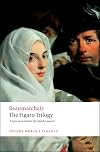
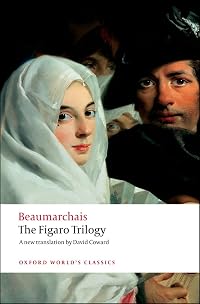
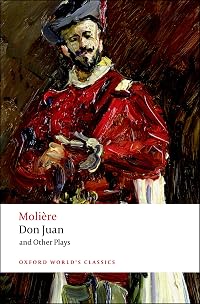
In the edition I read (the Oxford World's Classics one), David Coward provides not only the translation (which I cannot judge as I do not read French) but also an Introduction (which is very good and full of spoilers so better to be read after the plays although there are parts in it which make the reading of the plays better and easier) and Notes (both on the translation and on certain elements of the times and common knowledge at the time which are now obscure). The plays do not sounds too dated - their subject is of course but they still work.
I did not expect the sad tone of the last play - even if the first 2 contain some not so comical elements, they follow the proper pattern for a comedy and you know they will end well. Not so much for the third - it is not designed or created as a comedy piece so there is no assurance of a happy ending.
If you like the operas, these plays add another layer to their stories. If you do not like opera, read them as what they are - part of the history of French (and world) drama. show less
The first two plays were exactly what I expected, having seen the operas before - they are funny (they are actually even funnier in places than the later operas) and they lean hard into the comical. The third one, despite continuing the same storyline, is anything but comic - it is a rework of the Tartuffe story and is a drama with almost no comical elements and without the sparkle of the first two. Taken together they chronicle the story of the French citizens of the show more time - both the aristocracy and their servants in the later years of the ancien régime.
In the edition I read (the Oxford World's Classics one), David Coward provides not only the translation (which I cannot judge as I do not read French) but also an Introduction (which is very good and full of spoilers so better to be read after the plays although there are parts in it which make the reading of the plays better and easier) and Notes (both on the translation and on certain elements of the times and common knowledge at the time which are now obscure). The plays do not sounds too dated - their subject is of course but they still work.
I did not expect the sad tone of the last play - even if the first 2 contain some not so comical elements, they follow the proper pattern for a comedy and you know they will end well. Not so much for the third - it is not designed or created as a comedy piece so there is no assurance of a happy ending.
If you like the operas, these plays add another layer to their stories. If you do not like opera, read them as what they are - part of the history of French (and world) drama. show less
Figaro is a well-known and beloved figure from the operas of Rossini and Mozart. The origin of the stories for these operas were the three plays from Beaumarchais. This translation of the plays from David Coward for the Oxford World Classic series reveals how witty and clever the original plays were. This edition also has an appropriate level of annotations to explain the more obscure references.
The first two plays follow the story of the operas closely. The third play, however, is not a comedy. It is, instead, a drama with an Iago-style villain who Figaro needs to outwit. This book is strongly recommended especially for fans of the Figaro operas.
The first two plays follow the story of the operas closely. The third play, however, is not a comedy. It is, instead, a drama with an Iago-style villain who Figaro needs to outwit. This book is strongly recommended especially for fans of the Figaro operas.
Charming pieces from the Renaissance period, these three plays trace the beginning of two marriages, that of Count Almaviva and of his valet, Figaro. Each marriage is beset with difficulty in the outset, and once they get their beloved to the altar, the marriages themselves turn out to have some pretty rocky moments. The final of the three is the author's reworking of the Tartuffe story to fit into his tale of the unconstant lovers. Unlike many of the Renaissance plays, these could still be performed on the modern stage, though I have no doubt that a modern director would cut some of the longer speeches and excise some of the exposition. Easy to read and light enough to bring a smile now and then to the face of someone who has had a show more rough day. show less
Beaumarchais, doué d'une vitalité peu commune, mena de front les affaires et la littérature, au cours d'une carrière fertile en intrigues et en procès. La représentation du Barbier de Séville, en 1775, puis celle du Mariage de Figaro, en 1784, encadrent la période la plus brillante de son activité. Dans ces deux comédies, il a combiné des intrigues d'une rare ingéniosité et donné à la satire des institutions et des moeurs, grâce à un esprit endiablé, une virulence jamais encore atteinte.
Dec 28, 2011French
El libro de Bruguera constituye una buena edición crítica de tres de las más famosas obras teatrales del autor, que dieron origen a varias óperas de compositores tan importantes como Mozart, Rossini o Darius Milhaud. Lástima que estas ediciones hayan desaparecido de la circulación.
Sep 29, 2022Spanish
Ratings
Members
- Recently Added By
Lists

2023 Christmas Gifts
39 works; 11 members
Author Information

66+ Works 2,560 Members
Some Editions
Awards and Honors
Series

Belongs to Publisher Series
Work Relationships
Is contained in
Contains
Common Knowledge
- Canonical title
- The Figaro Trilogy: The Barber of Seville, The Marriage of Figaro, The Guilty Mother
- Original title
- Le barbier de Séville ; Le mariage de Figaro ; La mère coupable; Beaumarchais : Théâtre
- Original publication date
- 2009-12-03
- People/Characters
- Figaro; Suzanne; Count Almaviva
Classifications
Statistics
- Members
- 336
- Popularity
- 94,139
- Reviews
- 6
- Rating
- (3.79)
- Languages
- 6 — English, French, German, Italian, Russian, Spanish
- Media
- Paper, Ebook
- ISBNs
- 21
- ASINs
- 14