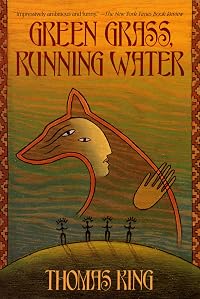
Green Grass, Running Water
by Thomas King
On This Page
Description
A magical realism novel by Cherokee author Thomas King in which four Indian elders and the trickster Coyote change the lives of several individuals who come to the Blackfoot reservation for the Sun Dance.Tags
Recommendations
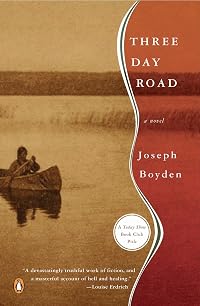
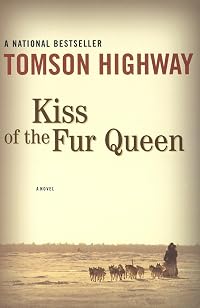

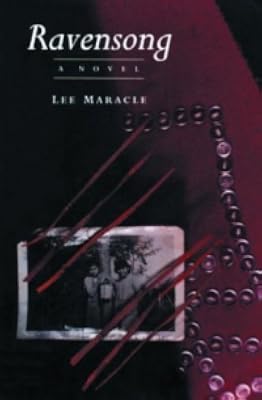
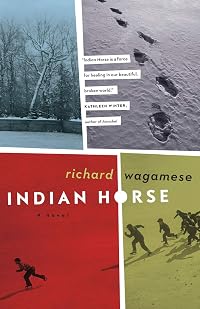


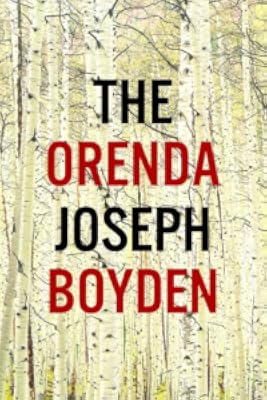
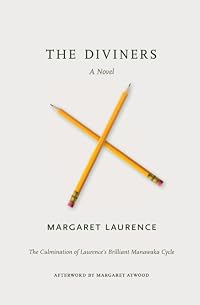
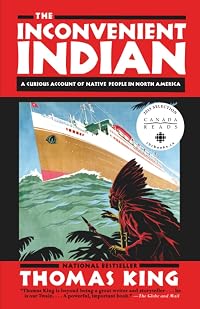
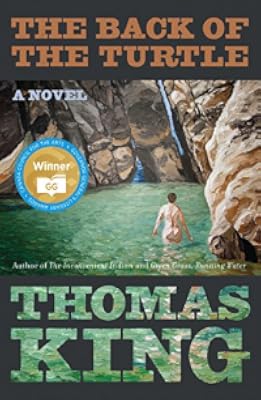


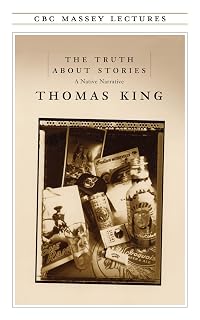

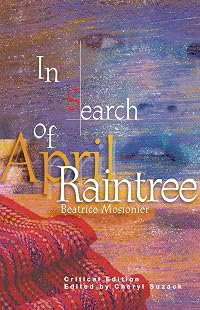
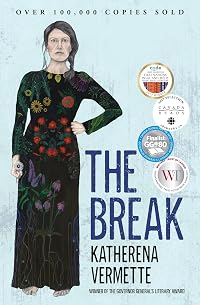

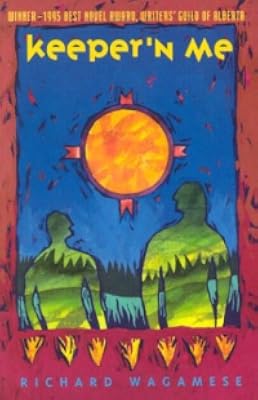
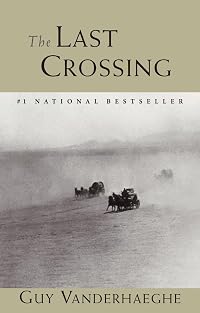


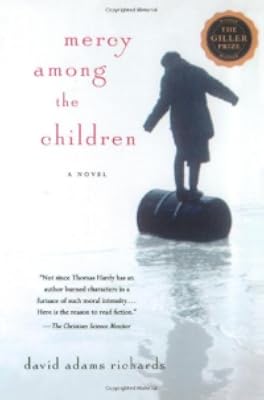
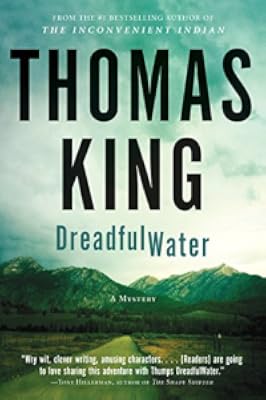
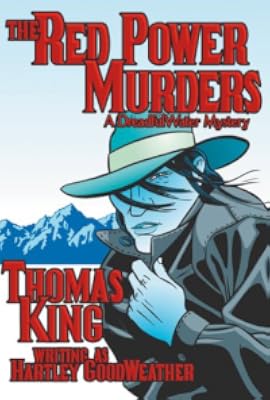

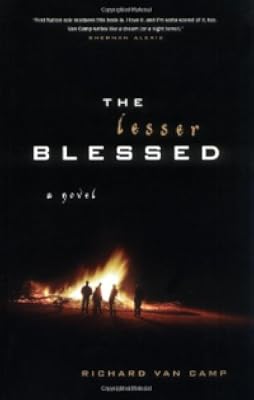
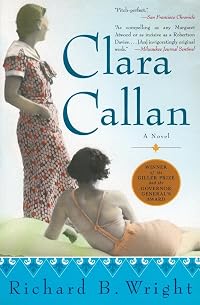

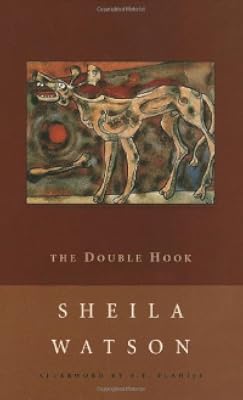
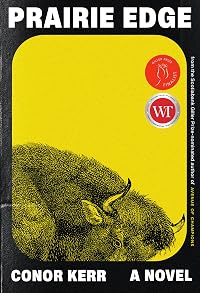
Member Recommendations

unlucky Both stories engage with mythology in interesting and novel ways to make philosophical points and both share a similar sense humour
Member Reviews
I loved this mix of Indigenous and Christian lore, merging origin stories and traditions which create a rich tapestry. The structure of the story is also brilliant, from haphazard curious events to a steady culmination that becomes obvious as the story progresses. Finally, the moving stories of the human characters also show the plight of Indigenous people, preserving their culture, overcoming prejudice and reconciling with the pressures of the modern world.
A masterful book, clever, rebellious, joyful and mischievous.
A masterful book, clever, rebellious, joyful and mischievous.
Without doubt Thomas King is the secret and wickedly clever twin of Salman Rushdie. Green Grass, Running Water is my introduction to this master of magic realism, and what an introduction it has been.
In the first third of the novel I realized bedtime reading this novel should not be (echoes of Yoda there), because the narrative, weighted heavily toward sharp, incisive dialogue, required a reader fully awake, engaged and firing on all cylinders. (Warp 9, Number One!)
By the second third I realized I needed to rein in the rapid-fire narrative and set about reading as though I were a beginner, pausing on each word, each phrase, because without that sort of careful consideration I would be sure to lose the avalanche of nuance Thomas King show more wields with careless, effortless abandon.
Dear god I wish I could write like that!
The novel abounds with metaphor, both subtle and sledge-hammer: the four elders who are escapees from a home for the mentally challenged, who assume the identities of Ishmael, Robinson Crusoe, The Lone Ranger and Hawkeye. There are the derelict cars Nissan and Pinto, one red, one blue; the puddle become lake that follows both vehicles; the lone cabin at the bottom of a dam which is known to be flawed and has yet to work; a woman seeking motherhood but not a husband; an appliance salesman seeking freedom; Coyote and Old Coyote attempting to narrate the genesis story.... I could go on. But the mind stutters and pauses and seeks breath. And even with all these seemingly disparate stories, King weaves the threads together into a lustrous cloth.
This is a rich, lavish, humorous and irreverent novel that will change the way you think about story-telling and the world in general.
Highly recommended. But read when you're completely awake! show less
In the first third of the novel I realized bedtime reading this novel should not be (echoes of Yoda there), because the narrative, weighted heavily toward sharp, incisive dialogue, required a reader fully awake, engaged and firing on all cylinders. (Warp 9, Number One!)
By the second third I realized I needed to rein in the rapid-fire narrative and set about reading as though I were a beginner, pausing on each word, each phrase, because without that sort of careful consideration I would be sure to lose the avalanche of nuance Thomas King show more wields with careless, effortless abandon.
Dear god I wish I could write like that!
The novel abounds with metaphor, both subtle and sledge-hammer: the four elders who are escapees from a home for the mentally challenged, who assume the identities of Ishmael, Robinson Crusoe, The Lone Ranger and Hawkeye. There are the derelict cars Nissan and Pinto, one red, one blue; the puddle become lake that follows both vehicles; the lone cabin at the bottom of a dam which is known to be flawed and has yet to work; a woman seeking motherhood but not a husband; an appliance salesman seeking freedom; Coyote and Old Coyote attempting to narrate the genesis story.... I could go on. But the mind stutters and pauses and seeks breath. And even with all these seemingly disparate stories, King weaves the threads together into a lustrous cloth.
This is a rich, lavish, humorous and irreverent novel that will change the way you think about story-telling and the world in general.
Highly recommended. But read when you're completely awake! show less
This book has been in my orbit for a while; it was one book on "Canada Reads" the year Blue Rodeo co-frontman Jim Cuddy was championing Guy Vanderhaeghe's The Last Crossing, and a friend of mine from trivia sang its praises after having read it in her World Lit class. I read it myself, then discovered to my delight that *my* iteration of the World Lit class would be studying it as well.
For you see, this book is an excellent one to study in an English class. It is about a group of Blackfoot Native people who live in or around the Native reserve in Blossom, Alberta. Their stories are intersected by the exploits of four old Native women and Coyote, the trickster god, who are trying to tell the story of Creation. However, this story is show more nothing like any creation story you've seen before -- a view of Christian traditions from the Aboriginal perspective, with all sorts of modern references thrown into the jumble. Everything flows together nicely, and the levels of symbolism and references that Thomas King uses can keep the English majors satisfied for ages.
The book is excellent, with well-rounded characters, wonderfully written Creation-story scenes, and laugh-out-loud humour. If you're a CanLit fan, you should pick this up. And if you're not a CanLit fan, well, perhaps this book will change your mind. show less
For you see, this book is an excellent one to study in an English class. It is about a group of Blackfoot Native people who live in or around the Native reserve in Blossom, Alberta. Their stories are intersected by the exploits of four old Native women and Coyote, the trickster god, who are trying to tell the story of Creation. However, this story is show more nothing like any creation story you've seen before -- a view of Christian traditions from the Aboriginal perspective, with all sorts of modern references thrown into the jumble. Everything flows together nicely, and the levels of symbolism and references that Thomas King uses can keep the English majors satisfied for ages.
The book is excellent, with well-rounded characters, wonderfully written Creation-story scenes, and laugh-out-loud humour. If you're a CanLit fan, you should pick this up. And if you're not a CanLit fan, well, perhaps this book will change your mind. show less
I loved this book. It will definitely show up on my list of top reads for the year. It was fun, it was intelligent, it was sophisticated, it was literary, it was interesting . . . what more could you want? I have to add that I tend to be adverse to folklore and myth, and this book has a lot of it . . . but it's done in great fun, and is important to the stories about the "real" people. I tended to read those sections pretty quickly, and I wish there was a bit fewer of them. Also, there are bits of magic realism throughout the book, which I loved, but I know some readers just don't do magic realism.
One of the themes I really enjoyed was "selling-out" . . . what is selling-out, what is not? Where is the line? The best thing I learned from show more this novel is that Aboriginal fiction does not have to be grim or depressing. This is an intelligent, well-written book that isn't a downer. How refreshing.
I don't use the "favourite" status at LT very often, but Thomas King will join my favourites list today. show less
One of the themes I really enjoyed was "selling-out" . . . what is selling-out, what is not? Where is the line? The best thing I learned from show more this novel is that Aboriginal fiction does not have to be grim or depressing. This is an intelligent, well-written book that isn't a downer. How refreshing.
I don't use the "favourite" status at LT very often, but Thomas King will join my favourites list today. show less
This book was difficult to follow, but I had no trouble finishing it, and strangely liked it. Seemed to me that King was having fun, and I did too, in a weird kind of way.
Green Grass, Running Water is a post-modernist novel that deconstructs the typical master narrative structure, because it includes stories of minority experience. The events that occur within the novel seem random and unconnected, but they are all retellings of the same story—a shared experience described from various points of view. Throughout the novel, Coyote and the narrator work to reconstruct the creation stories that try to supplant minority narratives. The creation stories are meant to force minorities to follow “Christian rules” and become characters already written into the master narrative. Coyote even asks the narrator if one of the creation stories about Changing Woman is a “contrary dream from the garden story” show more (162), to which the narrator replies, “it’s all the same story” (163). No real communication occurs within the conversations between the characters in the novel, because everyone is concerned with ensuring that their own stories are told, and so they allow their own narratives to supplant those of others. No one wants to have their experiences erased or ignored, and so the conversations in the novel reveal the competing stories that try to dominate one another.
Female experience is either ignored or ridiculed by an authority that wants women to become characters in its own narrative—Alberta struggles to assert her desire for motherhood and disgust for relationships, but her narrative is not taken very seriously; Latisha is forced to listen to George belittle her culture in an effort to make himself feel superior; and Babo is treated as though she does not exist, as though her voice has no real, substantial place within the narrative. Coyote and the narrator tell different creation stories that offer women—First Woman, Changing Woman, Thought Woman—alternatives, different worlds for them to enter and establish their own narratives. In the garden story, First Woman decides she does not wish to be subject to a “stingy God,” so she leaves the garden to find a new world, a new story, to live in. While these variations of the creation story are all competing to be told, while Alberta and Latisha and Babo seem to be caught between two worlds and find it difficult to construct a narrative that will unite them, there is still only one story about one world, but it is meant to include the experience and creation of everything. show less
Female experience is either ignored or ridiculed by an authority that wants women to become characters in its own narrative—Alberta struggles to assert her desire for motherhood and disgust for relationships, but her narrative is not taken very seriously; Latisha is forced to listen to George belittle her culture in an effort to make himself feel superior; and Babo is treated as though she does not exist, as though her voice has no real, substantial place within the narrative. Coyote and the narrator tell different creation stories that offer women—First Woman, Changing Woman, Thought Woman—alternatives, different worlds for them to enter and establish their own narratives. In the garden story, First Woman decides she does not wish to be subject to a “stingy God,” so she leaves the garden to find a new world, a new story, to live in. While these variations of the creation story are all competing to be told, while Alberta and Latisha and Babo seem to be caught between two worlds and find it difficult to construct a narrative that will unite them, there is still only one story about one world, but it is meant to include the experience and creation of everything. show less
Four very old (ancient) Indian women want to fix the world - and realizing the limitations of old age, they go about it a little at a time. They are confined to a mental hospital until they need to go to work. Then, they inexplicably "escape" and go about their business.
The focus is on the value of Native American culture, wacky interpretations of the story of creation, and what is most important in life. There is humor, angst, and irony. It's a book of hope, frustration, and introspection. Fun and funny.
Can't say I understood all the symbolism. However, I doubt a second reading would remedy that. Even taken superficially with an appreciation of the beliefs and culture of others, this was a very enjoyable read. Recommended for show more something different! show less
The focus is on the value of Native American culture, wacky interpretations of the story of creation, and what is most important in life. There is humor, angst, and irony. It's a book of hope, frustration, and introspection. Fun and funny.
Can't say I understood all the symbolism. However, I doubt a second reading would remedy that. Even taken superficially with an appreciation of the beliefs and culture of others, this was a very enjoyable read. Recommended for show more something different! show less
Members
- Recently Added By
Lists

CBC Books - Canada's 100 (+ bonus 10): Which have you read?
110 works; 23 members

Native American / Indigenous Literature
172 works; 100 members

Pleasant Surprises: Books That Exceeded Our Expectations
418 works; 143 members

Magic Realism
371 works; 52 members

Books Set in Canada
80 works; 16 members

Canada Reads Winners and Nominees
129 works; 9 members

Myth (Reuse and Retelling)
188 works; 24 members
Author Information

Some Editions
Awards and Honors
Awards
Common Knowledge
- Canonical title
- Green Grass, Running Water
- Original publication date
- 1993
- People/Characters
- Coyote; Lone Ranger; Hawkeye; Robinson Crusoe; Ishmael; Lionel (show all 13); Alberta; Eli; Charlie; Latisha; Norma; Dr. Hovaugh; Babo
- Important places
- Blossom, Alberta, Canada; Alberta, Canada
- Dedication
- Just for Helen
who will not think less
of me for having written it - First words
- So. In the beginning, there was nothing.
- Last words
- (Click to show. Warning: May contain spoilers.)"And here's how it happened."
- Blurbers
- Hillerman, Tony; Rooke, Leon; Owens, Louis; Atwood, Margaret
Classifications
Statistics
- Members
- 1,261
- Popularity
- 19,444
- Reviews
- 29
- Rating
- (4.02)
- Languages
- English
- Media
- Paper, Audiobook, Ebook
- ISBNs
- 9
- ASINs
- 6