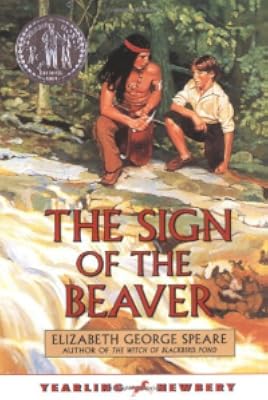
The Sign of the Beaver
by Elizabeth George Speare
On This Page
Description
Left alone to guard the family's wilderness home in eighteenth-century Maine, a boy is hard-pressed to survive until local Indians teach him their skills.Tags
Recommendations

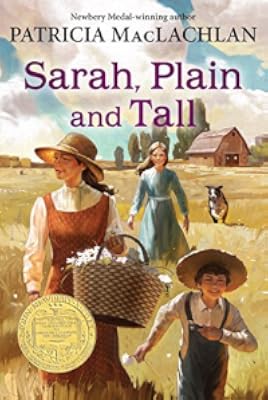
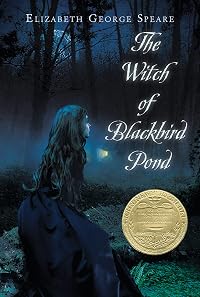
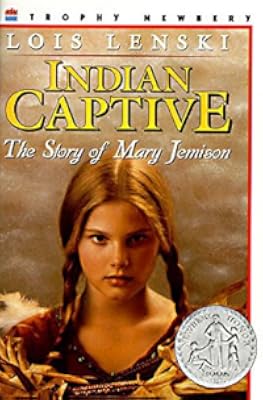
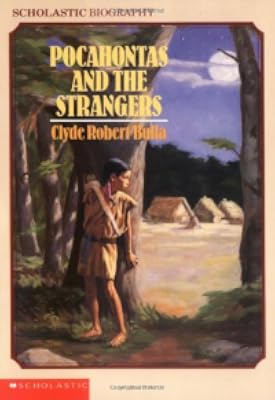



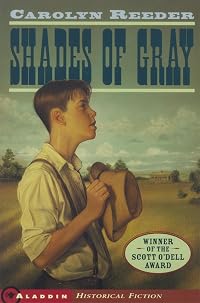
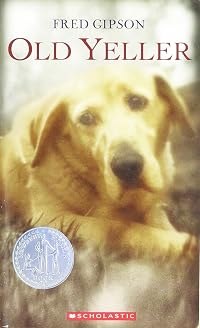
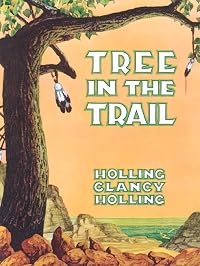
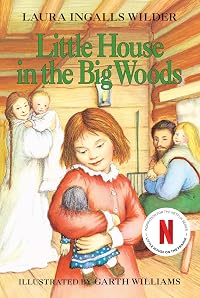

Member Recommendations
by anonymous user
Member Reviews
Excellent book, OK story. It's oddly split in my head. What actually happens is minor - boy stays alone on the new family homestead in early Maine, runs into trouble, is helped by local Indians, happy ending. What makes the book amazingly good is what it _doesn't_ do - it treats the natives (OK, it does call them Indians) neither as savages to be taught white-man's ways, nor as Noble Savages who are magically in tune with Nature etc. They're people; they know how to live in that place (the white boy is shown a lot of food, tools, and methods of hunting he doesn't know), but it's not some magical thing inherent in their race, it's just, well, they live there. The white boy (I've forgotten all the names already) is teaching the native boy show more to read, at his grandfather's request/order; in return, he's getting a lot of help surviving alone. By the end of the book they've earned each other's respect - again, not magical best friends forever, but "this is a person I respect and admire for who they are". When I finished the book, my first thought was "this is the way it's supposed to be written". I'm not certain I'll want to reread - again, the story itself is slight - but I don't want to lose track of it. show less
Although he faces responsibility bravely, thirteen-year-old Matt is more than a little apprehensive when his father leaves him alone to guard their new cabin in the wilderness. When a renegade white stranger steals his gun, Matt realizes he has no way to shoot game or to protect himself. When Matt meets Attean, a boy in the Beaver clan, he begins to better understand their way of life and their growing problem in adapting to the white man and the changing frontier.
Elizabeth George Speare's Newbery Honor-winning survival story is filled with wonderful detail about living in the wilderness and the relationships that formed between settlers and natives in the 1700s.
Elizabeth George Speare's Newbery Honor-winning survival story is filled with wonderful detail about living in the wilderness and the relationships that formed between settlers and natives in the 1700s.
What a beautiful book to read aloud, curled up on the couch with my daughter and a cat.
I love the slow growth of Matt's relationship with Attean, and how Speare doesn't shy away from writing about the serious problems between the native people and the European settlers. My daughter and I read about the French and Indian War recently, and this novel helped us better understand the tension between the two groups, and just how intractable the conflict between them was, even when connections were made between individuals.
In addition to the historical context, this novel presents a personal story of grown-up choices, the kind that have no right answer because no matter what you choose, you're giving up something else. Beyond all of this, show more though, it's just a wonderful story.
I feel like I ought to read Mary Rowlandson's captivity narrative again now. show less
I love the slow growth of Matt's relationship with Attean, and how Speare doesn't shy away from writing about the serious problems between the native people and the European settlers. My daughter and I read about the French and Indian War recently, and this novel helped us better understand the tension between the two groups, and just how intractable the conflict between them was, even when connections were made between individuals.
In addition to the historical context, this novel presents a personal story of grown-up choices, the kind that have no right answer because no matter what you choose, you're giving up something else. Beyond all of this, show more though, it's just a wonderful story.
I feel like I ought to read Mary Rowlandson's captivity narrative again now. show less
Matt and his father have been working hard to prepare their homestead in Maine for the arrival of Matt's mother and sister. Now, Matt's father must make the long journey back to Massachusetts to fetch them -- and Matt must stay and take care of the cabin and the crops. When Matt's gun is stolen by a sketchy trapper who happens by, he worries how he will get along without the ability to hunt. He sees a lot of fish in his future! When Matt gets into trouble with a swarm of angry bees, a Native American man Saknis and his grandson Attean come to Matt's rescue. In gratitude, Matt offers them one of his prized possessions: a copy of Robinson Crusoe -- but the Native Americans do not know how to read English. Matt agrees to teach Attean to show more read. At first, Matt and Attean do not get along very well, but over time they come to understand one another better. When winter comes and Matt's family has still not arrived, Matt must make a difficult decision: will he keep waiting at the cabin, or will he travel with Attean and his tribe? What if Matt's father never comes?
This is a gripping story, but it has many problematic aspects, particularly in its treatment of Native American culture. Some of the author's word choices are especially poor -- Attean and his grandfather tend to speak in "grunts," women are sometimes referred to as "squaws," and when Matt observes a ceremonial dance, he compares it mentally to a clowning routine. On the other hand, by the end of the novel, Matt has come to a greater appreciation of Native Americans, recognizing that they have taught him how to survive in the wild and have extended hospitality and friendship to him, and there is a sense that he regrets the fact that the Native American hunting grounds will soon be full of white settlers. Matt's nuanced character development is probably what earned this book its Newbery Honor, but it isn't enough to offset the problematic attitudes inherent in the book, and I'd have a hard time recommending this book to young readers of today.
I listened to the audiobook version, and was not particularly impressed. The author has a tendency to use too much emphasis, a delivery that comes across as forceful and distracting to me. show less
This is a gripping story, but it has many problematic aspects, particularly in its treatment of Native American culture. Some of the author's word choices are especially poor -- Attean and his grandfather tend to speak in "grunts," women are sometimes referred to as "squaws," and when Matt observes a ceremonial dance, he compares it mentally to a clowning routine. On the other hand, by the end of the novel, Matt has come to a greater appreciation of Native Americans, recognizing that they have taught him how to survive in the wild and have extended hospitality and friendship to him, and there is a sense that he regrets the fact that the Native American hunting grounds will soon be full of white settlers. Matt's nuanced character development is probably what earned this book its Newbery Honor, but it isn't enough to offset the problematic attitudes inherent in the book, and I'd have a hard time recommending this book to young readers of today.
I listened to the audiobook version, and was not particularly impressed. The author has a tendency to use too much emphasis, a delivery that comes across as forceful and distracting to me. show less
I had next to no memory of this book when I picked it up for the second time. I knew I had read it, the cover was burned into my mind. I remembered that I enjoyed it, but in a giggling sort of way. Reading it was something that jogged my memory far more thoroughly. The bear scene, in particular, was memorable - and I could recall the dearth of historical interest. It still amazes me now just how much could be done, how much knowledge shared between the Natives and settlers.
Matt is a twelve year old boy living alone in the Maine wilderness. His father has left him to watch the new cabin and land, and to protect it while he goes to bring his mother, sister, and newborn baby there to winter. Everything seems fine for Matt until his rifle show more is stolen, and he finds himself at a loss for how to survive. When his food supply is also destroyed by a bear, he knows he's in trouble. Luckily, the local tribe takes pity on him, and the grandson of the chief begins to teach him in exchange for learning how to read English. What follows is a story of friendship and survival.
The book was immensely readable. It was easy to breeze through - the action exciting, and the characters gripping. I found the friendship between Attean and Matt believable, and Matt's desire to prove himself one easy to relate to. This is a far better kid's book than I initially gave it credit for being, and I can understand why it's still taught in schools - or at least was taught when I was growing up. show less
Matt is a twelve year old boy living alone in the Maine wilderness. His father has left him to watch the new cabin and land, and to protect it while he goes to bring his mother, sister, and newborn baby there to winter. Everything seems fine for Matt until his rifle show more is stolen, and he finds himself at a loss for how to survive. When his food supply is also destroyed by a bear, he knows he's in trouble. Luckily, the local tribe takes pity on him, and the grandson of the chief begins to teach him in exchange for learning how to read English. What follows is a story of friendship and survival.
The book was immensely readable. It was easy to breeze through - the action exciting, and the characters gripping. I found the friendship between Attean and Matt believable, and Matt's desire to prove himself one easy to relate to. This is a far better kid's book than I initially gave it credit for being, and I can understand why it's still taught in schools - or at least was taught when I was growing up. show less
I read part of this to a third grade class, and of course, had to read the rest of it. Third graders in Colorado study Native Americans, and this is a perfect read aloud for them during this unit. 13 year-old Matt travels with his father from Massachusetts to Maine to build a small cabin on their claim. Father leaves Matt there to guard their cabin until he can return with the rest of the family -- six or seven weeks at most. Matt falls victim to an unscrupulous white trapper, to loneliness, and to his own clumsy and inadequate survival skills. There may also be Indians in the area, and Matt often has the feeling he is being watched. He is, and good thing, too, because the chief of the Beaver clan rescues and nurses him back to health show more after a foolish attempt to rob some bees. In exchange for helping him, the old chief wants Matt to teach his grandson Attean to read, so the tribes will be able to understand the treaties they sign with white men. Attean is a hostile and unwilling student, but is gradually hooked by the stories Matt reads to him from the only book he has: Robinson Crusoe. Experiencing the story through Attean's eyes, Matt comes to wince at the messages and white superiority asserted in the book -- Crusoe is also befriended by a native, but he is portrayed as bumbling and dependent on Crusoe to help him survive. While Attean learns never warms to reading, he becomes an invaluable teacher and friend to Matt. Matt continues to await his family, and as weeks stretch into months, is transformed by Attean into a self-reliant, independent young man with the tools and knowledge to survive alone when the Beaver clan moves on.
Curriculum: excellent companion book to Native American unit or unit on Colonial American settlers
Speare, E. (1984). The sign of the beaver. New York, N.Y: Dell. show less
Curriculum: excellent companion book to Native American unit or unit on Colonial American settlers
Speare, E. (1984). The sign of the beaver. New York, N.Y: Dell. show less
READING LEVEL: 4.9 AR POINTS: 5.0
(Ages 9-11, grades 5-7)
Newberry Honor Book
What a great story full of adventure and survival for any young boy to read. Thirteen year olds back in those days were very mature and independent because they had to be. Today, most thirteen year olds that I know are like spoiled little baby pigs...squealing and complaining, selfish, expectant, wasteful, know-it-all and giving their parents hell, and especially lazy. I should know...I raised three of them. Hell, I was a know-it-all thirteen year old, myself. You can't teach somebody something if they already know everything, right?
In 1768, Matt Hallowell was almost 13 years old when his father left him alone in the Maine woods to watch over their new log cabin show more they just built on their purchased land while he headed back to Quincy, Massachusetts, to fetch Matt’s mom, sister, and their newly born baby. He would be gone for 6 weeks.
When a white scallawag of a fur trapper came traveling through, Matt fed him and let him sleep in the cabin, but by morning the stranger had left and had left with Matt’s shotgun, his best chance for food and protection, which his father had left with him.
When Matt got himself into trouble climbing a tree, trying to steal honey from a beehive and was stung all over, he could have died had it not been for Attean and his grandfather, from the local Beaver tribe, who had been watching him from a distance and came to his rescue.
In return for saving Matt’s life, Matt would agree to try and teach Attean to read white man’s words from the Robinson Crusoe novel, and so the ensuing friendship began. The friendship would slowly develop as the trust between the two developed, bringing each other into the other’s world and culture. Matt learned from Attean and his people how to survive out in the woods alone. But, more importantly, he learned that they weren’t all savages. In return, Attean learned that not all white people were hard, ruthless and careless people, even though the whites had killed his mother.
This is a great little book for young people to learn that not all people in any one culture are cut from the same mold. In other words, don’t judge a whole race of people, no matter what race, by the bad behavior of a few. Take the time to learn from each other because there is always something to learn. show less
(Ages 9-11, grades 5-7)
Newberry Honor Book
What a great story full of adventure and survival for any young boy to read. Thirteen year olds back in those days were very mature and independent because they had to be. Today, most thirteen year olds that I know are like spoiled little baby pigs...squealing and complaining, selfish, expectant, wasteful, know-it-all and giving their parents hell, and especially lazy. I should know...I raised three of them. Hell, I was a know-it-all thirteen year old, myself. You can't teach somebody something if they already know everything, right?
In 1768, Matt Hallowell was almost 13 years old when his father left him alone in the Maine woods to watch over their new log cabin show more they just built on their purchased land while he headed back to Quincy, Massachusetts, to fetch Matt’s mom, sister, and their newly born baby. He would be gone for 6 weeks.
When a white scallawag of a fur trapper came traveling through, Matt fed him and let him sleep in the cabin, but by morning the stranger had left and had left with Matt’s shotgun, his best chance for food and protection, which his father had left with him.
When Matt got himself into trouble climbing a tree, trying to steal honey from a beehive and was stung all over, he could have died had it not been for Attean and his grandfather, from the local Beaver tribe, who had been watching him from a distance and came to his rescue.
In return for saving Matt’s life, Matt would agree to try and teach Attean to read white man’s words from the Robinson Crusoe novel, and so the ensuing friendship began. The friendship would slowly develop as the trust between the two developed, bringing each other into the other’s world and culture. Matt learned from Attean and his people how to survive out in the woods alone. But, more importantly, he learned that they weren’t all savages. In return, Attean learned that not all white people were hard, ruthless and careless people, even though the whites had killed his mother.
This is a great little book for young people to learn that not all people in any one culture are cut from the same mold. In other words, don’t judge a whole race of people, no matter what race, by the bad behavior of a few. Take the time to learn from each other because there is always something to learn. show less
Members
- Recently Added By
Published Reviews
ThingScore 13
The students ... were vocal and articulate in their responses to Speare's depiction of Attean's speech as grunts. I can still hear their voices, 18 years later, as they "talked back" to Speare.
added by private library
In this coming-of-age story set in 18th-century Maine, Matthew Hallowell, left alone to guard the family cabin, is befriended by local Indians (tribe not indicated)…. The Natives speak stereotypical "Hollywood Indian," and the story contains offensive terms such as "heathen," "squaw," and "savage." The story perpetuates the stereotype of the "vanishing Indian." While this book is popular and show more widely used in classrooms, it is offensive in its portrayal of American Indians. show less
added by CourtyardSchool
Melody A. Moxley (KLIATT Review, September 1998 (Vol. 32, No. 5))
Schaffert gives Speare's classic story of a 12-year-old boy facing the challenges of young manhood a straightforward yet spirited reading. Matt is left to take care of the pioneer home he and his father have built on the land they purchased in Maine when his father returns to Massachusetts to fetch Matt's mother and sister. Matt, show more in quest of honey when the molasses runs out, is badly stung, surviving only due to the assistance of Attean, a young Indian, and his grandfather, a chief. In repayment, Matt agrees -- at the grandfather's request -- to teach Attean to read. Matt is reluctant, due largely to Attean's seeming contempt for the activity. But as the boys get to know one another throughout the months ahead, both are surprised by the friendship that is forged. When Matt's father does not arrive and Matt realizes he must face the winter alone, he has to decide whether to go with the Indians as they move their village or stay at the homestead alone. A great choice for family listening, as the listener inevitably considers how s/he would have dealt with Matt's challenges. Schaffert imbues the story with Matt's courage, fear, and uncertainty as well as Attean's grudging friendship for a white boy. He conveys their youth without overstatement, a difficult task for some narrators. Highly recommended. Category: Fiction Audiobooks. KLIATT Codes: JS*--Exceptional book, recommended for junior and senior high school students. 1998 (orig. 1983), Ages 12 to 18. show less
Schaffert gives Speare's classic story of a 12-year-old boy facing the challenges of young manhood a straightforward yet spirited reading. Matt is left to take care of the pioneer home he and his father have built on the land they purchased in Maine when his father returns to Massachusetts to fetch Matt's mother and sister. Matt, show more in quest of honey when the molasses runs out, is badly stung, surviving only due to the assistance of Attean, a young Indian, and his grandfather, a chief. In repayment, Matt agrees -- at the grandfather's request -- to teach Attean to read. Matt is reluctant, due largely to Attean's seeming contempt for the activity. But as the boys get to know one another throughout the months ahead, both are surprised by the friendship that is forged. When Matt's father does not arrive and Matt realizes he must face the winter alone, he has to decide whether to go with the Indians as they move their village or stay at the homestead alone. A great choice for family listening, as the listener inevitably considers how s/he would have dealt with Matt's challenges. Schaffert imbues the story with Matt's courage, fear, and uncertainty as well as Attean's grudging friendship for a white boy. He conveys their youth without overstatement, a difficult task for some narrators. Highly recommended. Category: Fiction Audiobooks. KLIATT Codes: JS*--Exceptional book, recommended for junior and senior high school students. 1998 (orig. 1983), Ages 12 to 18. show less
added by kthomp25
Lists

Best Newbery Honor Books
241 works; 31 members

Must-Read Maine
146 works; 91 members

Kids' Tour of the US in Books
50 works; 5 members

CCE 1000 Good Books List
1,033 works; 12 members

Newbery Honor Books By year - II - 1981-2035
143 works; 4 members

Favorite Kids Books (chapter, middle grade)
168 works; 4 members

Ambleside Online Year 4
46 works; 1 member

Books Read in 2024
4,623 works; 126 members

The Story of the World: Activity Book Four: The Modern Age
333 works; 2 members

Recommended Reading List
219 works; 1 member

Books Read in 2022
5,168 works; 111 members

Classical Conversations Challenge I Exposition
20 works; 1 member

Read Alouds for CC Cycle 3
32 works; 1 member

Books discovered on LibraryThing
256 works; 36 members

Native American Heritage Month
17 works; 2 members

GCS 6th grade summer reading list
171 works; 4 members

al.vick-wishlist-YA
127 works; 3 members

Satori Smiles Children's Book List
262 works; 7 members

My Wishlist - YA
57 works; 2 members

The Playful Pioneers
166 works; 1 member

Sonlight Books
1,487 works; 25 members

Honey For a Child's Heart
1,152 works; 25 members
Ambleside Books
459 works; 18 members
Author Information

21+ Works 30,711 Members
Awards and Honors
Awards
Distinctions
Work Relationships
Is contained in
Has the adaptation
Has as a student's study guide
Has as a teacher's guide
Common Knowledge
- Canonical title
- The Sign of the Beaver
- Alternate titles
- The Sign of the Beaver
- Original publication date
- 1983
- People/Characters
- Matthew Hollowell; Attean; Saknis
- Important places
- Maine, USA
- Related movies
- Keeping the Promise (1997 | IMDb)
- Dedication
- To William and Michael
- First words
- Matt stood at the edge of the clearing for some time after his father had gone out of sight among the trees.
- Last words
- (Click to show. Warning: May contain spoilers.)Then he would tell them about Attean.
Classifications
Statistics
- Members
- 9,713
- Popularity
- 1,049
- Reviews
- 84
- Rating
- (3.79)
- Languages
- 9 — Chinese, Dutch, English, Finnish, German, Japanese, Farsi/Persian, Spanish, Swedish
- Media
- Paper, Audiobook, Ebook
- ISBNs
- 64
- UPCs
- 3
- ASINs
- 35