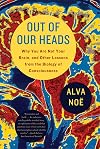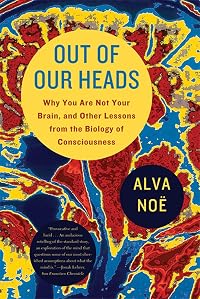
Out of Our Heads: Why You Are Not Your Brain, and Other Lessons from the Biology of Consciousness
by Alva Noë
On This Page
Description
Alva Noë is one of a new breed—part philosopher, part cognitive scientist, part neuroscientist—who are radically altering the study of consciousness by asking difficult questions and pointing out obvious flaws in the current science. In Out of Our Heads, he restates and reexamines the problem of consciousness, and then proposes a startling solution: Do away with the two hundred-year-old paradigm that places consciousness within the confines of the brain. Our culture is obsessed with show more the brain—how it perceives; how it remembers; how it determines our intelligence, our morality, our likes and our dislikes. It’s widely believed that consciousness itself, that Holy Grail of science and philosophy, will soon be given a neural explanation. And yet, after decades of research, only one proposition about how the brain makes us conscious—how it gives rise to sensation, feeling, and subjectivity—has emerged unchallenged: We don’t have a clue. In this inventive work, Noë suggests that rather than being something that happens inside us, consciousness is something we do. Debunking an outmoded philosophy that holds the scientific study of consciousness captive, Out of Our Heads is a fresh attempt at understanding our minds and how we interact with the world around us. show lessTags
Recommendations
Member Recommendations
Member Reviews
I'm not qualified to fully judge all the merits of his arguments, but it all seems to make sense. That there is no part of the brain that creates consciousness or that the brain itself is consciousness, but instead consciousness is how the brain interacts with the world. It would be good to read a couple times, and also some long reviews and some books he cites. The book is well-written and easy to understand.
I thought I'd like this much more, but I was disappointed. Noë's premise is a philosophical examination of the science of the mind and posits that we should no longer accept the belief that consciousness resides in the brain. Basically he's arguing the opposite of the Free Will chapter in 13 Things That Don't Make Sense. While it's an argument I'd like to accept, I feel that Noë never really shows evidence for his thesis and that a lot of the complex language he uses serves to obfuscate rather than illuminate. It's just as likely that most of this went over my head though, so maybe I'm not the best person to review this book.
Possibly the single worst book I have ever read. I only have myself to blame. I should have been more careful to investigate beyond the intriguing title and realized it was a philosophy book. On the bright side, maybe somebody will use it successfully as evidence to end the charlatanism of offering a degree in such a "discipline".
Wish I'd known about LT member WANACK's rule before reading this one. It had some interesting sections, and some that challenged me to re-read and understand, but overall it was not worth the time spent in reading it.
His arguments that consciousness doesn't reside in your brain just didn't convince me. I gave up on it after 50 pages.
Possibly the single worst book I have ever read. I only have myself to blame. I should have been more careful to investigate beyond the intriguing title and realized it was a philosophy book. On the bright side, maybe somebody will use it successfully as evidence to end the charlatanism of offering a degree in such a "discipline".
"Ich denke, also bin ich": schon Heidegger und Sartre haben diesen Satz von Descartes widerlegt, der lange Zeit wissenschaftliches Denken prägte. Heute wäre zu konstatieren: Ich denke und kann das Denken auch abstellen bzw. das dahinter liegende Bewusstsein erschafft im Dialog mit der Umwelt und anderen seelische Zustände, den Charakter eines Menschen.
Dieser Charakter ergibt sich also durch aktive Interaktion mit der Umwelt, mit anderen Menschen. Und das Werkzeug zur Interpretation dafür ist das Gehirn, nicht mehr und nicht weniger. Mit ihm kann ich Stille erleben, Ruhe, aber ebenso Hinwendung und Nachdenken, Vorplanung oder Gespräche. Eine der wesentlichen Funktionen des Menschseins ist es, die Gehirnfunktionen auszuschalten, Ruhe show more und Stille zu fühlen. Erst dadurch entsteht neues Denken.
Aktuelle Hirnforschung verkündet eine sensationelle Entdeckung nach der anderen, aber Denken erklären oder jene Ebenen herauskristallisieren, die das Bewusstsein oder unsere Seele ausmachen, das schafft sie nicht und wird es wohl auch nie erhellen können. Noe stellt fest, dass die Hirnforscher das Gehirn auf die Ebene der Verdauung pressen wollen, während es seiner Meinung nach ein Tanz bzw. ein mit der Welt verwobener Prozess ist.
Das Transzendente unseres Seins verhindert wissenschaftlich neurologische Präzisierungen, niemand kann erklären, wie Bewusstsein oder Wahrnehmung entstehen. Anschwellende Hirnforschung bringt uns nur zu der Einsicht, dass die Antworten komplizierter und keinesfalls monokausal sind. Eine Verortung bestimmter Denkleistungen oder Emotionen im Gehirn ist so sinnleer wie dem fallenden Sack Reis eine Weltbedeutung zuzumessen.
Alva Noë entblößt die Ergebnisse der Hirnforschung als Scharlatanerie. Der Mensch ist weit mehr als Groß- und Kleinhirn bzw. nicht von dort her determiniert. Die Seele erschaffen wir selbst. Ihre Kraft wächst jenseits von Schaltkreisen, die man vorab knüpfen und berechnen könnte bzw. die genhaft definiert wären. Eine Erklärung, was der Mensch sei und wie er zu sein hätte, benötigt das Philosophieren um Gut und Böse, um die ewigen Seinsfragen der Welt. Erst durch sie ensteht Ethik und die Frage danach, wie wir leben sollen.
Dieses Philosophieren lässt unser Bewusstsein wachsen, es formt leere Köpfe in deren Hinwendungsperspektiven auf die Welt, auf Kollegen, Freunde und Umgebung. Wir müssen uns von der Vorstellung verabschieden, dass unser Geist von unseren inneren Vorgängen erzeugt wird, er ist ein viel weiteres Feld der Interaktion und Verarbeitung von Prozessen, die uns im Austausch mit Natur und Menschen entstehen lässt.
Bewusstsein in diesem Sinne zeigt, dass wir nicht in unserem Kopf zuhause sind, sondern in der Welt. Dabei sind wir mehr als unser Gehirn, wir sind ein dialogisches, nicht determiniertes Wesen, das unterschiedliche Bewusstseinszustände und Erlebnisse erfasst, die permanent auf der Suche sind nach individueller und kollektiver Vervollkommnung, nach einem glückenden Seinszustand bzw. Leben. show less
Dieser Charakter ergibt sich also durch aktive Interaktion mit der Umwelt, mit anderen Menschen. Und das Werkzeug zur Interpretation dafür ist das Gehirn, nicht mehr und nicht weniger. Mit ihm kann ich Stille erleben, Ruhe, aber ebenso Hinwendung und Nachdenken, Vorplanung oder Gespräche. Eine der wesentlichen Funktionen des Menschseins ist es, die Gehirnfunktionen auszuschalten, Ruhe show more und Stille zu fühlen. Erst dadurch entsteht neues Denken.
Aktuelle Hirnforschung verkündet eine sensationelle Entdeckung nach der anderen, aber Denken erklären oder jene Ebenen herauskristallisieren, die das Bewusstsein oder unsere Seele ausmachen, das schafft sie nicht und wird es wohl auch nie erhellen können. Noe stellt fest, dass die Hirnforscher das Gehirn auf die Ebene der Verdauung pressen wollen, während es seiner Meinung nach ein Tanz bzw. ein mit der Welt verwobener Prozess ist.
Das Transzendente unseres Seins verhindert wissenschaftlich neurologische Präzisierungen, niemand kann erklären, wie Bewusstsein oder Wahrnehmung entstehen. Anschwellende Hirnforschung bringt uns nur zu der Einsicht, dass die Antworten komplizierter und keinesfalls monokausal sind. Eine Verortung bestimmter Denkleistungen oder Emotionen im Gehirn ist so sinnleer wie dem fallenden Sack Reis eine Weltbedeutung zuzumessen.
Alva Noë entblößt die Ergebnisse der Hirnforschung als Scharlatanerie. Der Mensch ist weit mehr als Groß- und Kleinhirn bzw. nicht von dort her determiniert. Die Seele erschaffen wir selbst. Ihre Kraft wächst jenseits von Schaltkreisen, die man vorab knüpfen und berechnen könnte bzw. die genhaft definiert wären. Eine Erklärung, was der Mensch sei und wie er zu sein hätte, benötigt das Philosophieren um Gut und Böse, um die ewigen Seinsfragen der Welt. Erst durch sie ensteht Ethik und die Frage danach, wie wir leben sollen.
Dieses Philosophieren lässt unser Bewusstsein wachsen, es formt leere Köpfe in deren Hinwendungsperspektiven auf die Welt, auf Kollegen, Freunde und Umgebung. Wir müssen uns von der Vorstellung verabschieden, dass unser Geist von unseren inneren Vorgängen erzeugt wird, er ist ein viel weiteres Feld der Interaktion und Verarbeitung von Prozessen, die uns im Austausch mit Natur und Menschen entstehen lässt.
Bewusstsein in diesem Sinne zeigt, dass wir nicht in unserem Kopf zuhause sind, sondern in der Welt. Dabei sind wir mehr als unser Gehirn, wir sind ein dialogisches, nicht determiniertes Wesen, das unterschiedliche Bewusstseinszustände und Erlebnisse erfasst, die permanent auf der Suche sind nach individueller und kollektiver Vervollkommnung, nach einem glückenden Seinszustand bzw. Leben. show less
Apr 5, 2023German
Members
- Recently Added By
Lists

Books Read in 2013
1,630 works; 51 members
Author Information

18+ Works 859 Members
Common Knowledge
- Original publication date
- 2009
- Dedication
- To the memory of Susan L. Hurley
- First words
- We live in a time of growing excitement about the brain.
- Last words
- (Click to show. Warning: May contain spoilers.)We are home sweet home.
Classifications
- Genres
- Science & Nature, Nonfiction, Philosophy, General Nonfiction
- DDC/MDS
- 612.8233 — Applied science & technology Medicine & health Human Body Systems Nervous system Central nervous system Weight and General Morphology of Brain
- LCC
- QP411 .N599 — Science Physiology Physiology Neurophysiology and neuropsychology
- BISAC
Statistics
- Members
- 315
- Popularity
- 101,117
- Reviews
- 7
- Rating
- (3.24)
- Languages
- 5 — Dutch, English, German, Italian, Spanish
- Media
- Paper, Audiobook, Ebook
- ISBNs
- 7
- ASINs
- 2