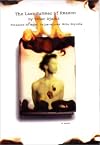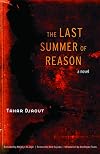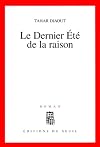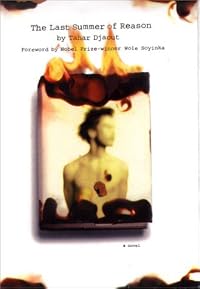
The Last Summer of Reason
by Tahar Djaout
On This Page
Description
This elegant, haunting novel takes us deep into the world of bookstore owner Boualem Yekker. He lives in a country being overtaken by the Vigilant Brothers, a radically conservative party that seeks to control every element of life according to the laws of their stringent moral theology: no work of beauty created by human hands should rival the wonders of their god. Once-treasured art and literature are now despised. nbsp; Silently holding his ground, Boualem withstands the new regime, using show more the shop and his personal history as weapons against puritanical forces. Readers are taken into the lush depths of the bookseller's dreams, the memories of his now-empty family life, his passion for literature, then yanked back into the terror and drudgery of his daily routine by the vandalism, assaults, and death warrants that afflict him. nbsp; From renowned Algerian author Tahar Djaout we inherit a brutal and startling story that reveals how far an ordinary human being will go to maintain hope. show lessTags
Recommendations





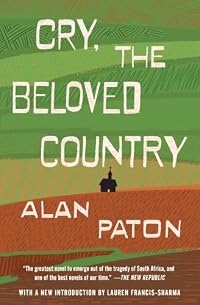
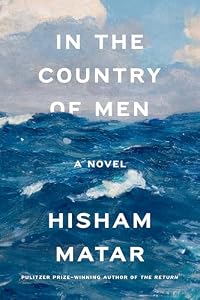
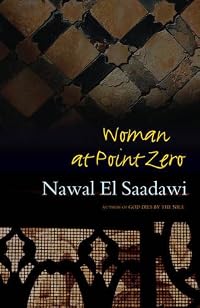

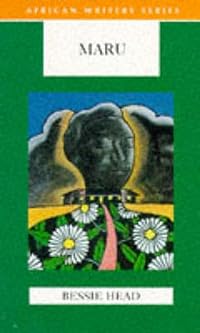
Member Recommendations
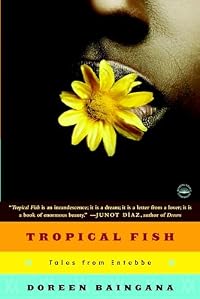
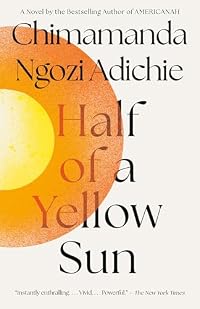
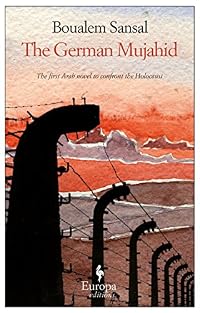
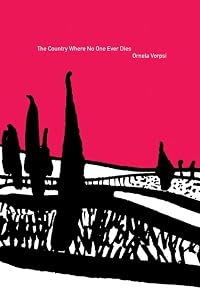
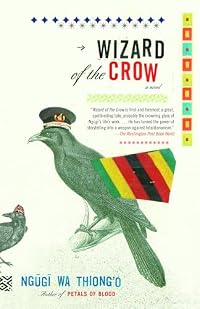
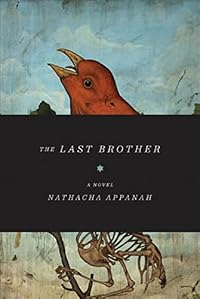
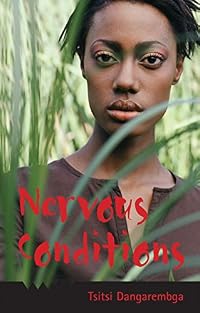
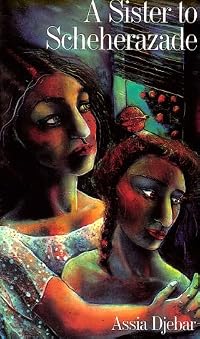
labfs39 Both are books about books and the people that risk their lives to save them and the ideas they represent.
Member Reviews
The Publisher Says: This elegant, haunting novel takes us deep into the world of bookstore owner Boualem Yekker. He lives in a country being overtaken by the Vigilant Brothers, a radically conservative party that seeks to control every element of life according to the laws of their stringent moral theology: no work of beauty created by human hands should rival the wonders of their god. Once-treasured art and literature are now despised.
Silently holding his ground, Boualem withstands the new regime, using the shop and his personal history as weapons against puritanical forces. Readers are taken into the lush depths of the bookseller's dreams, the memories of his now-empty family life, his passion for literature, then yanked back into the show more terror and drudgery of his daily routine by the vandalism, assaults, and death warrants that afflict him.
From renowned Algerian author Tahar Djaout we inherit a brutal and startling story that reveals how far an ordinary human being will go to maintain hope.
THIS WAS A BIRTHDAY GIFT (ALBEIT UNWITTING!) FROM A FRIEND. THANKS, YOUR KICKASSNESS!
My Review: First of all, let's clear up something that could cause a lot of people pleasure-robbing confusion: This is not a novel. It is a récit. The narrative is so limited in its focus that there is no sense of a world larger than itself, which makes the reader aware at all times that they are reading a narrative. This is not an insult or a criticism of the technique used, but of the marketing decision to call this a novel. It will disappoint novel-readers who buy it hoping for that immersive, multi-faceted experience of a story.
The Introduction by Toumi and the Foreword by Soyinka are essays fully worthy of reviews of their own. I will not be providing those reviews because I am not a scholar. The context they present is the infuriating context of the murdered Author Djaout's life and times. The facts of his all-too-brief life are on Wikipedia for monoglot English speakers. There is so much that US citizens have simply ignored or willfully shut out of their experience of the world, and as a result we seem to be willing to leap over high precipices to fall into fathomless oceans of rage and hatred, as Djaout warns his readers against. Boualem, his PoV character, is thrown over the edge willy-nilly, but he's got just enough time to form himself into an arrow.
The dive one takes while reading the book is deep, though, so don't think it's not profound and perception-altering to experience Boualem's deep dive into despair as his world, his entire life's work of defining and refining himself as a moral actor in that world, is fractured and flattened by a social earthquake. The depths of despair Boualem plumbs will be familiar to book-lovers watching the steady, pernicious, and malicious attacks on education, intelligence, and erudition we're seeing in the US.
I used up about half a can of Book Darts (may the goddesses please bless my kind friend Stephanie for gifting me this timely top-up of my supply for this past birthday!) marking beautiful passages to quote in my review. The lovely translation done by Translator de Jager is almost too rich a confection to be devoured in a sitting...but I did it. Yes, it was like a breakfast of rich brownies topped with lemon curd and served with a café viennoise, but it was also a heady experience of glorious phrase-making. I was Zooming with my Young Gentleman Caller while I was writing an earlier draft of this review. He said of my Book Darted copy, "I don't dare take it to the airport like that."
"Hmm?"
"It's got more hardware than a Goth biker."
Oh. Well, yes. Permaybehaps I'd better make the point sharper and more targeted:
That, my olds, is what's right and what's wrong with this récit. If you ran across the first two sentences in a novel, you'd think, "oo, that's pretty." Put the rest of the para behind it and you're in a récit not a novel, and one that needed a developmental editor's unkind attention. There is so very much of this sort of pretty, pretty phrasemaking that just goes on that little bit too long, that says what's already been said (“For books are more than books, they are the life, the very heart and core of ages past, the reason why men worked and died, the essence and quintessence of their lives.”–Cicero, b. 106BCE, and a famous enough quote that Author Djaout can reasonably be expected to have read it during his education) in a not hugely fresh way.
That said, one is disinclined to hammer the hell out of the book because it was incomplete and fished out of the author's drawers after his murder. I know, and I can't explain how, that this book would've been absolutely earth-shattering had he lived, and had the chance to work with an editor to bring its many stregths and beauties into a finer, sharper focus. There is about this read the ozone smell and static crackle of greatness. The sadness that follows reading it is rooted in the sense that this promise is undelivered, in fact undeliverable, because Author Tahar Djaout was murdered by the pro-ignorance, anti-beauty forces that ran roughshod over his country.
Do not think the same can not happen here, happen again, happen to the resisters and artists and truth-tellers you're ignoring, skimming, marginalizing today. Vote Blue in November 2020 and allow Author Tahar Djaout's sacrifice of his life to be worthy. show less
Silently holding his ground, Boualem withstands the new regime, using the shop and his personal history as weapons against puritanical forces. Readers are taken into the lush depths of the bookseller's dreams, the memories of his now-empty family life, his passion for literature, then yanked back into the show more terror and drudgery of his daily routine by the vandalism, assaults, and death warrants that afflict him.
From renowned Algerian author Tahar Djaout we inherit a brutal and startling story that reveals how far an ordinary human being will go to maintain hope.
THIS WAS A BIRTHDAY GIFT (ALBEIT UNWITTING!) FROM A FRIEND. THANKS, YOUR KICKASSNESS!
My Review: First of all, let's clear up something that could cause a lot of people pleasure-robbing confusion: This is not a novel. It is a récit. The narrative is so limited in its focus that there is no sense of a world larger than itself, which makes the reader aware at all times that they are reading a narrative. This is not an insult or a criticism of the technique used, but of the marketing decision to call this a novel. It will disappoint novel-readers who buy it hoping for that immersive, multi-faceted experience of a story.
The Introduction by Toumi and the Foreword by Soyinka are essays fully worthy of reviews of their own. I will not be providing those reviews because I am not a scholar. The context they present is the infuriating context of the murdered Author Djaout's life and times. The facts of his all-too-brief life are on Wikipedia for monoglot English speakers. There is so much that US citizens have simply ignored or willfully shut out of their experience of the world, and as a result we seem to be willing to leap over high precipices to fall into fathomless oceans of rage and hatred, as Djaout warns his readers against. Boualem, his PoV character, is thrown over the edge willy-nilly, but he's got just enough time to form himself into an arrow.
The dive one takes while reading the book is deep, though, so don't think it's not profound and perception-altering to experience Boualem's deep dive into despair as his world, his entire life's work of defining and refining himself as a moral actor in that world, is fractured and flattened by a social earthquake. The depths of despair Boualem plumbs will be familiar to book-lovers watching the steady, pernicious, and malicious attacks on education, intelligence, and erudition we're seeing in the US.
I used up about half a can of Book Darts (may the goddesses please bless my kind friend Stephanie for gifting me this timely top-up of my supply for this past birthday!) marking beautiful passages to quote in my review. The lovely translation done by Translator de Jager is almost too rich a confection to be devoured in a sitting...but I did it. Yes, it was like a breakfast of rich brownies topped with lemon curd and served with a café viennoise, but it was also a heady experience of glorious phrase-making. I was Zooming with my Young Gentleman Caller while I was writing an earlier draft of this review. He said of my Book Darted copy, "I don't dare take it to the airport like that."
"Hmm?"
"It's got more hardware than a Goth biker."
Oh. Well, yes. Permaybehaps I'd better make the point sharper and more targeted:
Books—the closeness of them, their contact, their smell, and their contents—constitute the safest refuge against this world of horror. They are the most pleasant and the most subtle means of traveling to a more compassionate planet. How will Boualem go on living now that they have separated him from his books, his most invigorating nourishment? He is like a plant that has been torn from the soil, separated from liquid and light, its two vital necessities. He has been excluded from the life of books. He has been exiled from all the landmarks of his childhood: values, trampled, symbols corrupted, spaces disfigured and wrecked.
That, my olds, is what's right and what's wrong with this récit. If you ran across the first two sentences in a novel, you'd think, "oo, that's pretty." Put the rest of the para behind it and you're in a récit not a novel, and one that needed a developmental editor's unkind attention. There is so very much of this sort of pretty, pretty phrasemaking that just goes on that little bit too long, that says what's already been said (“For books are more than books, they are the life, the very heart and core of ages past, the reason why men worked and died, the essence and quintessence of their lives.”–Cicero, b. 106BCE, and a famous enough quote that Author Djaout can reasonably be expected to have read it during his education) in a not hugely fresh way.
That said, one is disinclined to hammer the hell out of the book because it was incomplete and fished out of the author's drawers after his murder. I know, and I can't explain how, that this book would've been absolutely earth-shattering had he lived, and had the chance to work with an editor to bring its many stregths and beauties into a finer, sharper focus. There is about this read the ozone smell and static crackle of greatness. The sadness that follows reading it is rooted in the sense that this promise is undelivered, in fact undeliverable, because Author Tahar Djaout was murdered by the pro-ignorance, anti-beauty forces that ran roughshod over his country.
Do not think the same can not happen here, happen again, happen to the resisters and artists and truth-tellers you're ignoring, skimming, marginalizing today. Vote Blue in November 2020 and allow Author Tahar Djaout's sacrifice of his life to be worthy. show less
Bookstore owner, Boualem Yekker lives in a country taken over by a radical religious group, the Vigilant Brothers. At first he is left alone with his books and his memories but eventually the group’s followers come after him for even daring to have books. Stepping back from what is in the novel and concentrating more on how it came to be, it is valuable to note that its author, Tahar Djaout was persecuted and finally assassinated by those in his own country who had begun to target intellectuals. I can only imagine that Djaout himself was often left alone with his words, and it’s those words we read on the page of this book—and that I imagine to be written in the books Boualem Yekker sells.
The novel is lyrical, sometimes show more disjointed, and is less a cohesive story than a selection of prose and prose poems that are bound together by a common thread. The leaping back and forth from memory to sermon to dreams to actions in the present day accents the terror and confusion those living in that world—both the fictional Yekker and his author Djaout—must feel. The confusion of its presentation further blurs the lines between reader and writer, immerses us all in Yekker’s lonely and frightening world.
There is a beautiful section—The Binding Text—where Djaout writes about the beauty of language, of words, of the way even letters appear and flow across a page. He goes on to talk about learning to write, how “the child is crushed beneath the board” and “terrorized by the teacher” (69) as they constrain his natural impulses and make him conform. The child—Yekker, Djaout, all of us—wants to be free, but what stands between the child and that freedom is “all of society, blinded and fanaticized by the Text, a society tethered to a Word that pulverizes it” (72).
“Of what use are books when the Book exists to sate every curiosity and slake every thirst?” (4) an early chapter, The Sermon, asks. To Yekker, and to many of us, books are of every use. When his bookstore is closed, its property and wares confiscated by the government, Yekker is adrift. According to him, it was through books that “ideas germinated in him, that ideals took root” (119) and without them he feels as if he is surrounded by a wall, unable to look forward or back. The Vigilant Brothers seem to know this, and this is why they seek to control the books (and the words) and take the children in their childhood, before they can be infected by ideals that are not the Vigilant Brothers’ own.
Yekker’s distancing from this new, religious society of the Vigilant Brothers is gradual, almost lulling the reader into a false sense of security. He is lonely, yes, excrutiatingly so, having lost his family to these new attitudes, his books to those who believe they are a threat, and even his memories as they “go into a panic…faces, places, and objects go adrift…elements cancel each other out or merge” (11). He is taunted by children, lectured by youths full of passionate belief in their God’s Word, his shop is vandalized, he is attacked, but still he survives. His elation after receiving a clear death threat is curious but understandable, it’s the joy of a man who knows he has no part in his community and who no longer feels the desire to have one.
Boualem Yekker survives the last Summer of reason and wonders if there will be another Spring. Tahar Djaout did not; he was assassinated in 1993, one of many Algerian intellectuals to be killed that year. It is incredibly difficult to separate the life of Djaout from that of the fictional Yekker, especially when Yekker speaks of the power of words in the way a writer would: “They understand the danger in words, all the words they cannot manage to domesticate and anesthetize. For words, put end to end, bring doubt and change.” (143-4) Domesticated words are those that do their work for their proper masters. Like tamed animals, they function only to aid, never to harm, but the knowledge they could do harm is always there. It is the goal of the Vigilant Brothers, and of many fundamentalist religions to tame the writers of those words and if they cannot to destroy them entirely so their Word will not be cast into doubt. show less
The novel is lyrical, sometimes show more disjointed, and is less a cohesive story than a selection of prose and prose poems that are bound together by a common thread. The leaping back and forth from memory to sermon to dreams to actions in the present day accents the terror and confusion those living in that world—both the fictional Yekker and his author Djaout—must feel. The confusion of its presentation further blurs the lines between reader and writer, immerses us all in Yekker’s lonely and frightening world.
There is a beautiful section—The Binding Text—where Djaout writes about the beauty of language, of words, of the way even letters appear and flow across a page. He goes on to talk about learning to write, how “the child is crushed beneath the board” and “terrorized by the teacher” (69) as they constrain his natural impulses and make him conform. The child—Yekker, Djaout, all of us—wants to be free, but what stands between the child and that freedom is “all of society, blinded and fanaticized by the Text, a society tethered to a Word that pulverizes it” (72).
“Of what use are books when the Book exists to sate every curiosity and slake every thirst?” (4) an early chapter, The Sermon, asks. To Yekker, and to many of us, books are of every use. When his bookstore is closed, its property and wares confiscated by the government, Yekker is adrift. According to him, it was through books that “ideas germinated in him, that ideals took root” (119) and without them he feels as if he is surrounded by a wall, unable to look forward or back. The Vigilant Brothers seem to know this, and this is why they seek to control the books (and the words) and take the children in their childhood, before they can be infected by ideals that are not the Vigilant Brothers’ own.
Yekker’s distancing from this new, religious society of the Vigilant Brothers is gradual, almost lulling the reader into a false sense of security. He is lonely, yes, excrutiatingly so, having lost his family to these new attitudes, his books to those who believe they are a threat, and even his memories as they “go into a panic…faces, places, and objects go adrift…elements cancel each other out or merge” (11). He is taunted by children, lectured by youths full of passionate belief in their God’s Word, his shop is vandalized, he is attacked, but still he survives. His elation after receiving a clear death threat is curious but understandable, it’s the joy of a man who knows he has no part in his community and who no longer feels the desire to have one.
Boualem Yekker survives the last Summer of reason and wonders if there will be another Spring. Tahar Djaout did not; he was assassinated in 1993, one of many Algerian intellectuals to be killed that year. It is incredibly difficult to separate the life of Djaout from that of the fictional Yekker, especially when Yekker speaks of the power of words in the way a writer would: “They understand the danger in words, all the words they cannot manage to domesticate and anesthetize. For words, put end to end, bring doubt and change.” (143-4) Domesticated words are those that do their work for their proper masters. Like tamed animals, they function only to aid, never to harm, but the knowledge they could do harm is always there. It is the goal of the Vigilant Brothers, and of many fundamentalist religions to tame the writers of those words and if they cannot to destroy them entirely so their Word will not be cast into doubt. show less
The Last Summer of Reason is a dystopian novel set in a time when Islamic fundamentalists have taken over a country with Orwellian surveillance. The main character, Boualem, is a bookseller, an occupation doomed under the new regime, but one which Boualem cannot give up without losing his identity. Rather than try to describe the relationship between this man and his books, I am going to let the character speak for himself:
Boualem suddenly thinks of those distant relatives he would occasionally see in the country and who didn't have a single book in their home. Every time he visited, he used to wonder how those people could live, without the smell of paper, without turning pages in which metaphors, ideas, and adventures were rustling. show more Perhaps now, in the time remaining to him, he himself will be living the life of those people, knowing horizons such as theirs. (p. 118)
He has met so many characters in books, he has come into contact with so many unforgettable destinies that his own life would be nothing without them. It was a little through contact with life and a great deal through contact with books that ideas germinated in him, that ideals took root, that voluptuous feelings and waves of pleasure or anger ran through his trembling body, leaving lasting traces behind. It has happened to him, as to any persevering reader, that he could speak informally with the most prestigious characters, penetrate their intimacy, read their emotions and their thoughts as if through a glass door. (p. 119)
I loved the integrity of the character, and his refusal to let the written word, and memory, be lost to the insanity of fundamentalism (any type of fundamentalism). In this, I was reminded of one of my favorite books of all time, Too Loud a Solitude by Bohumil Hrabal. In Too Loud a Solitude, the evil being resisted is the Stalinesque paranoia of communism.
As regards authenticity, no author can be more so. Tahar Djaout was an Algerian author and journalist who was assassinated leaving his home in Algeria by Islamic fundamentalists. According to the book jacket, one of the assassins said that Djaout was murdered because he "wielded a fearsome pen that could have an effect on Islamic sectors." show less
Boualem suddenly thinks of those distant relatives he would occasionally see in the country and who didn't have a single book in their home. Every time he visited, he used to wonder how those people could live, without the smell of paper, without turning pages in which metaphors, ideas, and adventures were rustling. show more Perhaps now, in the time remaining to him, he himself will be living the life of those people, knowing horizons such as theirs. (p. 118)
He has met so many characters in books, he has come into contact with so many unforgettable destinies that his own life would be nothing without them. It was a little through contact with life and a great deal through contact with books that ideas germinated in him, that ideals took root, that voluptuous feelings and waves of pleasure or anger ran through his trembling body, leaving lasting traces behind. It has happened to him, as to any persevering reader, that he could speak informally with the most prestigious characters, penetrate their intimacy, read their emotions and their thoughts as if through a glass door. (p. 119)
I loved the integrity of the character, and his refusal to let the written word, and memory, be lost to the insanity of fundamentalism (any type of fundamentalism). In this, I was reminded of one of my favorite books of all time, Too Loud a Solitude by Bohumil Hrabal. In Too Loud a Solitude, the evil being resisted is the Stalinesque paranoia of communism.
As regards authenticity, no author can be more so. Tahar Djaout was an Algerian author and journalist who was assassinated leaving his home in Algeria by Islamic fundamentalists. According to the book jacket, one of the assassins said that Djaout was murdered because he "wielded a fearsome pen that could have an effect on Islamic sectors." show less
(review originally written for Bookslut)
Tahar Djaout was assassinated for writing books like The Last Summer of Reason. His words are disconcerting, discomforting, and it's not only the fundamentalist Islamic groups (who have been attributed the responsibility for his death) who should be uneasy, it should be all of us. This book is an elegant argument against the complacency of political correctness that excuses brutal repression in the name of cultural differences. As recent events have all too clearly illustrated, hate allowed to fester anywhere will eventually spill out of those boundaries we thought had contained it.
It's all too easy to let any discussion of this book spill over into politics, because this book is more than a show more novel. Hopefully someday people will be able to read this book purely for its simple poetic prose, appreciate it just for its finely crafted story. Right now, I find it hard to read it in any other way than as a window into the political climate of our times.
As such The Last Summer of Reason is brilliant and chilling. As I was reading it I kept trying to compare it to dystopian novels like 1984 and Brave New World in my head, but the comparisons didn't quite fit because this is not quite a dystopian novel. Instead of immersing the reader in a futuristic world in which personal freedoms are a thing of the past, it starts fairly innocuously, in a country run by religious fundamentalists, but in which one can still buy and sell controversial books, people could still resist.
What is fascinating about this book is the slow progression of intolerance. What is terrifying about this book is how rarely it is the authorities who enforce the new codes of behavior, but fellow citizens. In the beginning, it is the children, easily molded, who shame their parents into belief. Once the children have converted their parents, they start in on the neighborhood. Suddenly they are the authorities, and they throw rocks and break windows in order to punish those not living up to the image of the perfectly devout. Finally the adults join in, monitoring the behavior of their families, their neighbors, complete strangers.
It is a horrifying thing to watch, a horrifying thing to imagine happening to you, to people you love. It is terrifying to think that this base intolerance must lie in the hearts of all of us, sleeping, waiting for the right time to come out. Somewhere deep inside, are we all the gestapo? Do we all long to enforce our own moral codes onto others? Given someone else's moral codes, would we all just as happily press those onto everyone we know? How long would you resist, if your freedoms were being taken away millimeter by millimeter? How hard would you struggle, if they were not your freedoms being taken away, but your neighbor's? your enemy's?
The Last Summer of Reason is a great book not because it answers such big questions, but because it provokes them. This is a book of our times, and it is later than you think. show less
Tahar Djaout was assassinated for writing books like The Last Summer of Reason. His words are disconcerting, discomforting, and it's not only the fundamentalist Islamic groups (who have been attributed the responsibility for his death) who should be uneasy, it should be all of us. This book is an elegant argument against the complacency of political correctness that excuses brutal repression in the name of cultural differences. As recent events have all too clearly illustrated, hate allowed to fester anywhere will eventually spill out of those boundaries we thought had contained it.
It's all too easy to let any discussion of this book spill over into politics, because this book is more than a show more novel. Hopefully someday people will be able to read this book purely for its simple poetic prose, appreciate it just for its finely crafted story. Right now, I find it hard to read it in any other way than as a window into the political climate of our times.
As such The Last Summer of Reason is brilliant and chilling. As I was reading it I kept trying to compare it to dystopian novels like 1984 and Brave New World in my head, but the comparisons didn't quite fit because this is not quite a dystopian novel. Instead of immersing the reader in a futuristic world in which personal freedoms are a thing of the past, it starts fairly innocuously, in a country run by religious fundamentalists, but in which one can still buy and sell controversial books, people could still resist.
What is fascinating about this book is the slow progression of intolerance. What is terrifying about this book is how rarely it is the authorities who enforce the new codes of behavior, but fellow citizens. In the beginning, it is the children, easily molded, who shame their parents into belief. Once the children have converted their parents, they start in on the neighborhood. Suddenly they are the authorities, and they throw rocks and break windows in order to punish those not living up to the image of the perfectly devout. Finally the adults join in, monitoring the behavior of their families, their neighbors, complete strangers.
It is a horrifying thing to watch, a horrifying thing to imagine happening to you, to people you love. It is terrifying to think that this base intolerance must lie in the hearts of all of us, sleeping, waiting for the right time to come out. Somewhere deep inside, are we all the gestapo? Do we all long to enforce our own moral codes onto others? Given someone else's moral codes, would we all just as happily press those onto everyone we know? How long would you resist, if your freedoms were being taken away millimeter by millimeter? How hard would you struggle, if they were not your freedoms being taken away, but your neighbor's? your enemy's?
The Last Summer of Reason is a great book not because it answers such big questions, but because it provokes them. This is a book of our times, and it is later than you think. show less
This slender book recounts the loss of a man's family and country to the zeal of government thugs and Fundamentalists .Boualem is the owner of a small bookstore in Algeria. It has become dangerous for anyone to visit his store or even to be seen to be patronizing it. He has one customer who ventures into it and the two of them are afraid to even speak of the world that their country has become.
This is a harrowing tale that mourns the loss and suffocation of everything of beauty. A very moving story with exquisite language. I don't have a "don't miss" tag but if I did this would be on it.
This is a harrowing tale that mourns the loss and suffocation of everything of beauty. A very moving story with exquisite language. I don't have a "don't miss" tag but if I did this would be on it.
The Algerian author Tahar Djaout was :an outspoken critic of the extremism stirring his nation” and was assassinated in his country by Islamic fundamentalist group in 1993. This short novel was found among his papers.
The Last Summer of Reason tells the story of Boualem Yekker, a bookstore owner who holds out against the tide of religious extremism overrunning his community. What is valued in his community has now changed, and people no longer come to shop for literature. Boualem’s family has even left him. Still, Boualem carries on despite threats, taunts and vandalism but retreats further into his more pleasant memories to survive.
This is a deeply mournful book, the feeling of loss is palpable. We struggle with Boualem, and show more perhaps that is what is so affecting about this novel—because his fate becomes ours. show less
The Last Summer of Reason tells the story of Boualem Yekker, a bookstore owner who holds out against the tide of religious extremism overrunning his community. What is valued in his community has now changed, and people no longer come to shop for literature. Boualem’s family has even left him. Still, Boualem carries on despite threats, taunts and vandalism but retreats further into his more pleasant memories to survive.
This is a deeply mournful book, the feeling of loss is palpable. We struggle with Boualem, and show more perhaps that is what is so affecting about this novel—because his fate becomes ours. show less
Tahar Djaout was an Algerian novelist, poet and journalist and an outspoken critic of the extremism prevalent in his country during the 90s. He was murdered at the age of 39 by Islamist militants. This novel was found amongst his papers after his death.
This is a beautifully written and moving novel about a bookstore owner, Boualem Yekker, who experiences his country at the hands of the Vigilant Brothers, a presence seeking to control all aspects of life according its radical conservative theology.
Djaout observed the intimidation in his country and imagined a place where things were taken to the extreme. The result is a dystopian novel where militants reign, and day-to-day life is watered down to a set of rituals, lacking heart or show more soul.
Boualem observes as everyone, including his wife and children, succumbs to this new force and become almost robotic “perfect citizens”, without souls. He resists. He sees a city and its people stripped of their personalities and rich heritage. He yearns for times gone by, when he enjoyed the beautiful, rich ambience, where people sought out music, plays, books, and conversation, where education was valued, and people were joyful and compassionate.
Now everything is constrained: “This city, once beautiful and voluptuous in the amber aromas of the evening, has become unlivable. The birds that used to haunt the trees, have emigrated to more inhabitable skies.” He observes a, “City predisposed to joy but from which joy has been banned.”
Boualem is invigorated by books, and there are some amazing passages on books and booklovers. He wonders, for example, “How people could live, without the smell of paper, without turning pages in which metaphors, ideas, and adventures were rustling.”
This is an astonishing little book resonating with a deep sadness about the loss of a once beloved city and its people, to religious fanatics. There are endless quotable passages throughout the book, and the translation is outstanding. show less
This is a beautifully written and moving novel about a bookstore owner, Boualem Yekker, who experiences his country at the hands of the Vigilant Brothers, a presence seeking to control all aspects of life according its radical conservative theology.
Djaout observed the intimidation in his country and imagined a place where things were taken to the extreme. The result is a dystopian novel where militants reign, and day-to-day life is watered down to a set of rituals, lacking heart or show more soul.
Boualem observes as everyone, including his wife and children, succumbs to this new force and become almost robotic “perfect citizens”, without souls. He resists. He sees a city and its people stripped of their personalities and rich heritage. He yearns for times gone by, when he enjoyed the beautiful, rich ambience, where people sought out music, plays, books, and conversation, where education was valued, and people were joyful and compassionate.
Now everything is constrained: “This city, once beautiful and voluptuous in the amber aromas of the evening, has become unlivable. The birds that used to haunt the trees, have emigrated to more inhabitable skies.” He observes a, “City predisposed to joy but from which joy has been banned.”
Boualem is invigorated by books, and there are some amazing passages on books and booklovers. He wonders, for example, “How people could live, without the smell of paper, without turning pages in which metaphors, ideas, and adventures were rustling.”
This is an astonishing little book resonating with a deep sadness about the loss of a once beloved city and its people, to religious fanatics. There are endless quotable passages throughout the book, and the translation is outstanding. show less
Members
- Recently Added By
Lists

Best African and African diaspora books
111 works; 4 members

Vlogbrothers Book Recommendations
307 works; 4 members
Author Information

8 Works 322 Members
Some Editions
Awards and Honors
Distinctions
Common Knowledge
- Canonical title
- The Last Summer of Reason
- Original title
- Le dernier été de la raison
- Original publication date
- 1999 (original French) (original French); 2001 (English translation) (English translation)
- People/Characters
- Boualem Yekker; Ali Elbouliga
- Important places*
- Algerije
- First words
- The Omniscient Eye can light up at any moment to take your confusions and your little schemes by surprise or to tear you away from your shameful conspiracies.
- Quotations
- Boualem suddenly thinks of those distant relatives he would occasionally see in the country and who didn't have a single book in their home. Every time he visited, he used to wonder how those people could live, without the sm... (show all)ell of paper, without turning pages in which metaphors, ideas, and adventures were rustling. Perhaps now, in the time remaining to him, he himself will be living the life of those people, knowing horizons such as theirs. [p. 118]
He has met so many characters in books, he has come into contact with so many unforgettable destinies that his own life would be nothing without them. It was a little through contact with life and a great deal through contact... (show all) with books that ideas germinated in him, that ideals took root, that voluptuous feelings and waves of pleasure or anger ran through his trembling body, leaving lasting traces behind. It has happened to him, as to any persevering reader, that he could speak informally with the most prestigious characters, penetrate their intimacy, read their emotions and their thoughts as if through a glass door. [p. 119] - Last words
- (Click to show. Warning: May contain spoilers.)Will there be another spring?
- Blurbers
- Sabir, Abderrahim; Leedom-Ackerman, Joanne; Banks, Russell
- Original language
- French
- Disambiguation notice
- Original title: Le Dernier ete de la raison
*Some information comes from Common Knowledge in other languages. Click "Edit" for more information.
Classifications
- Genres
- Fiction and Literature, General Fiction, Science Fiction
- DDC/MDS
- 843.914 — Literature & rhetoric French & related literatures French fiction 1900- 20th Century 1945-1999
- LCC
- PQ3989.2 .D538 .D4713 — Language and Literature French, Italian, Spanish and Portuguese literatures French literature Provincial, local, colonial, etc.
- BISAC
Statistics
- Members
- 249
- Popularity
- 129,669
- Reviews
- 14
- Rating
- (3.82)
- Languages
- Dutch, English, French
- Media
- Paper
- ISBNs
- 6
- ASINs
- 2