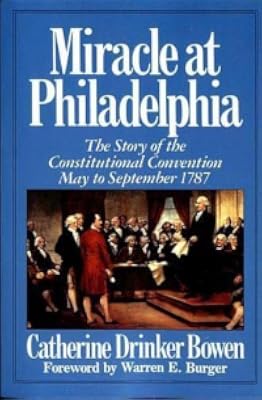
Miracle at Philadelphia: The Story of the Constitutional Convention, May to September 1787
by Catherine Drinker Bowen
On This Page
Description
A history of the Federal Convention at Philadelphia in 1787 that produced the Constitution of the U.S.Tags
Recommendations



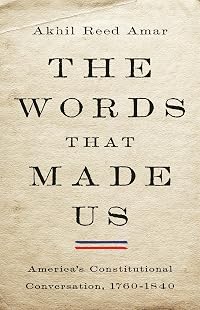

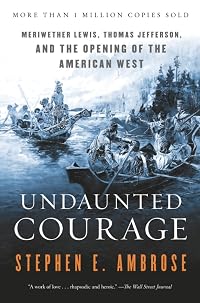
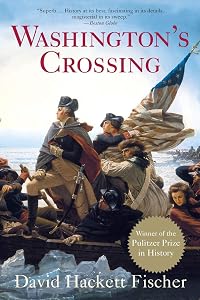
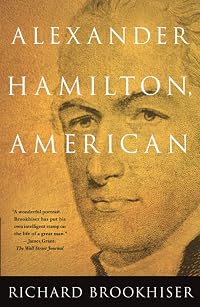

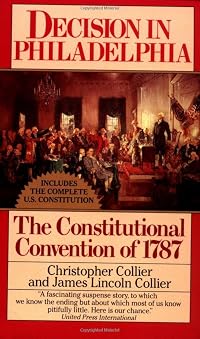
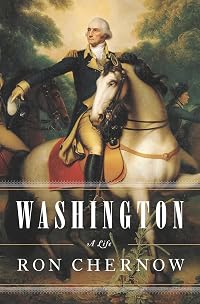
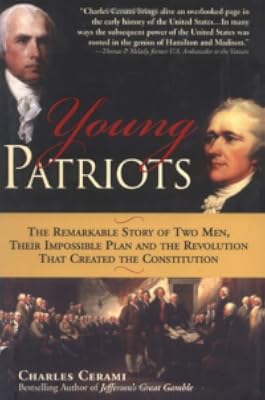
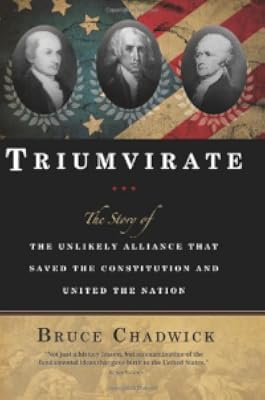
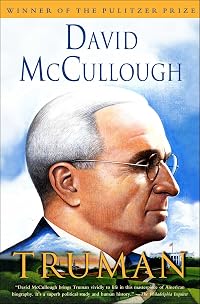
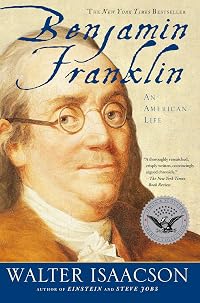
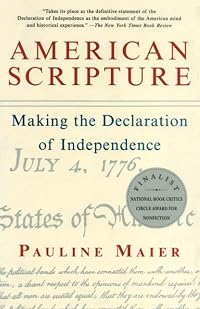
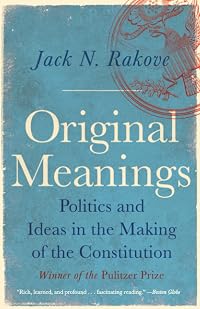




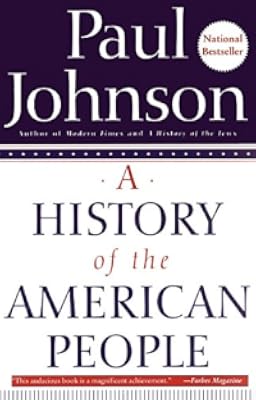


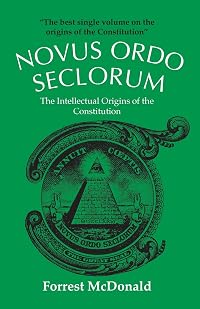
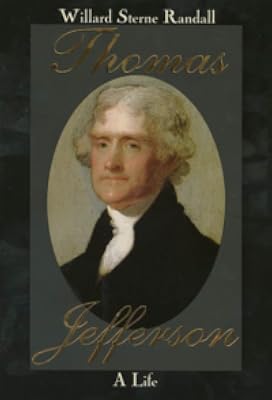
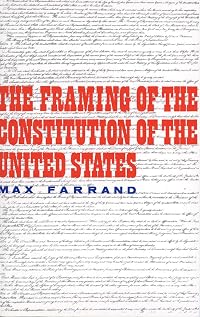
Member Recommendations
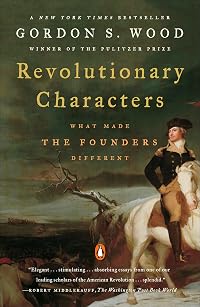
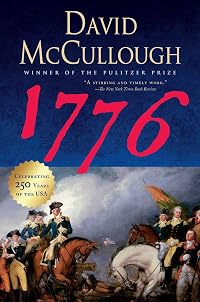
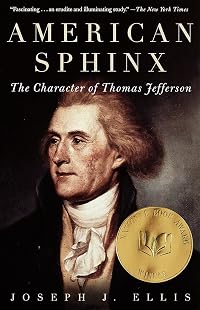
wildbill Published 2010, my favorite book to date on the topic

themulhern The same story. One is for adults, one for children. Both are kind of entertaining, in a mild way.
Member Reviews
Mrs. Bowen evokes the Philadelphia of 1787 beautifully during the Constitutional Convention and the gathering of such illustrious minds that went into the shaping of America. She has the touch of a master storyteller: every scene is vivid and real like reading the kind of novel that makes you feel like you are there. You can feel how humid it was that summer and how quiet it was at night. I could feel the presence of the watchman and could feel what it was like to go to sleep at night in those homes. Mrs. Bowen-a former musician turned self-taught historian- had really found her genius in writing history. I would love to read any book by her.
*Granted, some of the technical parts are "dry" but it's about the Constitution so some parts show more will be technical.* show less
*Granted, some of the technical parts are "dry" but it's about the Constitution so some parts show more will be technical.* show less
Miracle at Philadelphia is the summary of the Federal Convention meeting in the City of Brotherly Love in the summer of 1787. Of course, its output was the United States Constitution.
The story is told in three parts, which don't always flow together very well. The first third follows a fairly chronological arrangement, where we hear about each day's speeches. Bowen gives us brief descriptions of the men at the meeting, even including what they were likely wearing. She also gives brief biographies, giving us some indication as to their likely confederacies during the meeting.
About midway through the convention, Bowen suddenly stops and gives us a general overview about the "state of the union" in the 1780s. She talks about the various show more problems with the then-current "united" states, when states would work together only when it ultimately benefited them. This history would probably have worked better as a prologue, but she covers a lot of territory (both figuratively and literally) so it might have seemed like the convention would never get started if this part came first.
The final part is an odd conglomeration of ideas. One of the strangest rules during the convention was that any vote -- even unanimous ones -- could be brought up again for further discussion later in the proceedings. And this was not a group of men to let any idea go undiscussed! So many of the concepts that would later be written into the Constitution, including the separation of powers and the election of representatives, are debated over and over, so Bowen follows them to the end of each topic, rather than bounce back and forth chronologically.
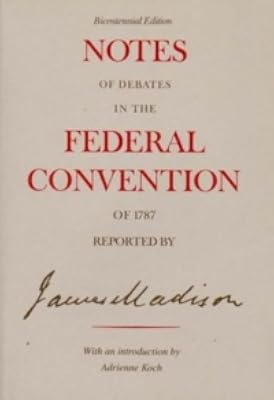
Even with this peculiar mix of telling the story, it's a very powerful tale. Each of the men that attended were patriots, each trying to figure out a way to make the country better. For every idea advanced, it seemed there was an equally-powerful opposing argument. The story doesn't skip over slavery, although her treatment does seem fairly perfunctory. And due to her type of storytelling, Bowen does not use footnotes or endnotes, but much of the story comes directly from Madison's notes.
True scholars will skip right ahead to the primary sources, but anyone else wanting a well-told history of a major world event should read this book. (I actually started the book on Constitution Day, September 17, which I thought was interesting timing.)
---------------------------------------------------
LT Haiku:
Constitutional
Formation in the very
Hot Philly summer. show less
The story is told in three parts, which don't always flow together very well. The first third follows a fairly chronological arrangement, where we hear about each day's speeches. Bowen gives us brief descriptions of the men at the meeting, even including what they were likely wearing. She also gives brief biographies, giving us some indication as to their likely confederacies during the meeting.
About midway through the convention, Bowen suddenly stops and gives us a general overview about the "state of the union" in the 1780s. She talks about the various show more problems with the then-current "united" states, when states would work together only when it ultimately benefited them. This history would probably have worked better as a prologue, but she covers a lot of territory (both figuratively and literally) so it might have seemed like the convention would never get started if this part came first.
The final part is an odd conglomeration of ideas. One of the strangest rules during the convention was that any vote -- even unanimous ones -- could be brought up again for further discussion later in the proceedings. And this was not a group of men to let any idea go undiscussed! So many of the concepts that would later be written into the Constitution, including the separation of powers and the election of representatives, are debated over and over, so Bowen follows them to the end of each topic, rather than bounce back and forth chronologically.
Even with this peculiar mix of telling the story, it's a very powerful tale. Each of the men that attended were patriots, each trying to figure out a way to make the country better. For every idea advanced, it seemed there was an equally-powerful opposing argument. The story doesn't skip over slavery, although her treatment does seem fairly perfunctory. And due to her type of storytelling, Bowen does not use footnotes or endnotes, but much of the story comes directly from Madison's notes.
True scholars will skip right ahead to the primary sources, but anyone else wanting a well-told history of a major world event should read this book. (I actually started the book on Constitution Day, September 17, which I thought was interesting timing.)
---------------------------------------------------
LT Haiku:
Constitutional
Formation in the very
Hot Philly summer. show less
Somewhat flowery narrative of the Constitutional Convention of 1787. Two chapters in the middle are devoted to a discussion of the condition of the states and peoples at that time. Describes the characters, their immediate concerns, their travels and the weather, reporting on the convention while it was being held, the international context in which the convention took place, as well as the disputes at the various ratification conventions.
It is not useful as an analysis of the US Constitution, or even of the other governments which inspired or informed those who attended the conventions, but excellent for historical context.
Especially interesting are the many suggestions that were put forward that did not make it into the Constitution, show more as, for example, that of a tripartite executive branch. show less
It is not useful as an analysis of the US Constitution, or even of the other governments which inspired or informed those who attended the conventions, but excellent for historical context.
Especially interesting are the many suggestions that were put forward that did not make it into the Constitution, show more as, for example, that of a tripartite executive branch. show less
This book has some great day-by-day information on those pivotal four months in the summer of 1787 when the US Constitution was being created and debated. But the author's style really threw me to the point where I nearly quit on this book several times. Some of the phrasing was confusing. I'm not sure if it's just her style or that was how academic writing was produced in the 1960s but it was annoying. I'm glad, however, I soldiered on as again, the information was interesting and well researched.
A nation new to its independence dealing with issues internally and external, it’s nascent future hanging by a thread all comes down to 55 men from across its length and breadth to come up with a solution. In her 1966 historical review of what became known as the Constitutional Convention, Catherine Drinker Bowen chronicles how the future of the young United States was saved by a Miracle at Philadelphia.
Though the majority of the book focuses on the four-month long Convention, Bowen begins by setting the stage for why and how the convention came about with the ineffectual government that was the Articles of Confederation and the movement to amend them, which was led by James Madison and endorsed by George Washington by his attendance show more in Philadelphia. For those like myself not really versed in nitty gritty details of Convention it was interesting to learn that most of the work was done in ‘Committee of the Whole’ in which Washington while President was seated among the other delegates. The familiar highlights of the Virginia Plan, New Jersey Plan, and the Great Compromise are covered but in the historical flow of the debates within the Convention and decisions in-between of important elements within the Constitution. Throughout the Bowen introduces important personages and how their views remained constant or changed throughout the Convention resulting reputations being made or destroyed during and after the process of ratification. Bowen ends the book with a look at the ratification process, in particular the debates in Massachusetts and Virginia.
Covering approximately 310 pages, the book is efficient in covering the events of the Convention overall. However Bowen completely missed how the Great Compromise was voted in the Constitution, she just mentioned it. Besides that big miss within the Convention, Bowen spends chuck of the middle of the book covering a “Journey in America” that had nothing to do with the Convention but was just giving a glimpse of the nascent country that felt like filler than anything else.
Miracle at Philadelphia is a very good historical review of the Constitutional Convention that does not analyze but just reports history. Catherine Drinker Bowen does a wonderful job in juggling the various accounts of the Convention by the delegates and the official record to create very readable narrative. I highly recommend this book for those interested in this closing piece of the American Revolution. show less
Though the majority of the book focuses on the four-month long Convention, Bowen begins by setting the stage for why and how the convention came about with the ineffectual government that was the Articles of Confederation and the movement to amend them, which was led by James Madison and endorsed by George Washington by his attendance show more in Philadelphia. For those like myself not really versed in nitty gritty details of Convention it was interesting to learn that most of the work was done in ‘Committee of the Whole’ in which Washington while President was seated among the other delegates. The familiar highlights of the Virginia Plan, New Jersey Plan, and the Great Compromise are covered but in the historical flow of the debates within the Convention and decisions in-between of important elements within the Constitution. Throughout the Bowen introduces important personages and how their views remained constant or changed throughout the Convention resulting reputations being made or destroyed during and after the process of ratification. Bowen ends the book with a look at the ratification process, in particular the debates in Massachusetts and Virginia.
Covering approximately 310 pages, the book is efficient in covering the events of the Convention overall. However Bowen completely missed how the Great Compromise was voted in the Constitution, she just mentioned it. Besides that big miss within the Convention, Bowen spends chuck of the middle of the book covering a “Journey in America” that had nothing to do with the Convention but was just giving a glimpse of the nascent country that felt like filler than anything else.
Miracle at Philadelphia is a very good historical review of the Constitutional Convention that does not analyze but just reports history. Catherine Drinker Bowen does a wonderful job in juggling the various accounts of the Convention by the delegates and the official record to create very readable narrative. I highly recommend this book for those interested in this closing piece of the American Revolution. show less
This is a straightforward telling of the convention where the U. S. Constitution was formulated, and its subsequent ratification. It doesn't stay totally on the surface but it doesn't go into any significant depth either. It just touches on a bit of the controversies about the characters and motives of the players, the historical background, etc. I don't know much of this history so for me this book was an excellent introduction. From here I feel I can jump into more in-depth studies of this or that aspect, and I'll be able to keep my bearings.
Bowen does a very good job of showing how the Constitution was a compromise, the outcome of people with very different ideas coming together and hammering out a kind of middle ground.
Bowen does a very good job of showing how the Constitution was a compromise, the outcome of people with very different ideas coming together and hammering out a kind of middle ground.
The newly federated colonies send representatives to tweak the Articles of Confederation of a "perpetual union" and despite such doubt-espousing eloquence as “Give all the power to the many, they will oppress the few. Give all the power to the few, they will oppress the many” (Alexander Hamilton) they decide in secret to call for the genesis of a central government over the states. Then, despite such fiery opposition as Patrick Henry and other fier "Antifederalists" it becomes the law of the land without settling slavery, secession, etc. This is an important and enlightening history.
Members
- Recently Added By
Lists

Best U.S. History Books (1754-1828)
363 works; 18 members

Founding Father
104 works; 11 members

Ten Books That Have Stayed With Me
160 works; 30 members

CCE 1000 Good Books List
1,033 works; 12 members

Club Read's Recommended Nonfiction Written by Women
618 works; 30 members
Author Information

21+ Works 3,696 Members
All Editions
Awards and Honors
Distinctions
Work Relationships
Has as a student's study guide
Common Knowledge
- Canonical title
- Miracle at Philadelphia: The Story of the Constitutional Convention, May to September 1787
- Original publication date
- 1966
- People/Characters
- George Washington; Alexander Hamilton; Benjamin Franklin; George Mason; George Wythe; Roger Sherman (show all 7); Elbridge Gerry
- Important places
- Philadelphia, Pennsylvania, USA
- Important events
- Constitutional Convention
- Epigraph
- It appears to me, then, little short of a miracle, that the Delegates from so many different States (which States you know are also different from each other), in their manners, circumstances, and prejudices, should unite in ... (show all)forming a system of national Government, so little liable to well founded objections. -- Washington to Lafayette, February 7, 1788
- Dedication
- for Edward Weeks
- First words
- Over Philadelphia the air lay hot and humid; old people said it was the worst summer since 1750.
- Blurbers
- Commager, Henry Steele; Nevins, Allan; Kirkus, Virginia; Coit, Margaret L.
- Original language
- English
Classifications
- Genres
- Politics and Government, History, Nonfiction, General Nonfiction
- DDC/MDS
- 342.7302 — Society, government, & culture Law U.S. Constitution - Bill of Rights, Amendments North America Constitutional law--United States Basic instruments of Government, the US constitution
- LCC
- JK146 .B75 — Political Science Political institutions and public administration (United States) Political institutions and public administration United States
- BISAC
Statistics
- Members
- 1,882
- Popularity
- 11,410
- Reviews
- 18
- Rating
- (4.04)
- Languages
- Chinese, English
- Media
- Paper, Audiobook
- ISBNs
- 15
- ASINs
- 42