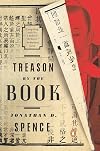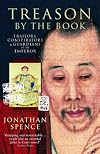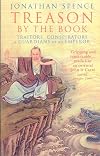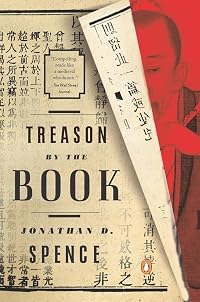
Treason by the Book
by Jonathan D. Spence
On This Page
Description
"Shortly before noon on October 28, 1728, as General Yue Zhongqi, governor-general of the provinces of Shaanxi and Sichuan, surrounded by his retainers, is being carried in his sedan chair back to his office in Xian, a strangely dressed man runs toward him and tries to present him with a letter. General Yue orders the man to be seized. The letter is addressed to "The Commander in chief deputed by Heaven." When he gets to his office, Yue tells his staff to leave him alone. He tears open the show more envelope and reads the first few lines. It is as he guessed and feared. The contents of the letter are undiluted treason." "Treason by the Book investigates the attempted rebellion that "Summer Calm," the writer of the letter, was trying to persuade Yue Zhongqi to lead. Jonathan Spence, now regarded as the leading historian of China writing in English, has recovered the evidence of the case and reconstructed its course in a book of complete originality that has the pace and twists of a thriller."--Jacket. show lessTags
Recommendations







Member Reviews
In 1728 a man hands a letter to General Yue Zhongqi inciting him to rebel against the Chinese emperor. This is the story of a (rather pathetic) treasonous plot against the Emperor Yongzhu and the emperor's response to it.
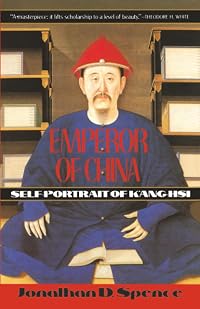
Last month I read "Emperor of China", written by the same author 27 years earlier, and the system of transliteration of the Chinese names in this book is completely different, with Emperors K'ang-Hsi and Yung-cheng of the Ch'ing dynasty becoming Kangxi and Yongzheng of the Qing dynasty, which is quite irritating. It looks as if this book uses the Pinyin spelling system, which is luckily described in the front of my copy of The Story of the Stone, so I have some idea how to pronounce the names.
But apart from that the show more book is fascinating, especially in showing the emperor's attention to detail. He directs the investigation, suggests lines of inquiry and interrogation methods, and involves his top officials in decisions about the verdicts and punishments, even though as an absolute ruler that isn't strictly necessary. show less
Last month I read "Emperor of China", written by the same author 27 years earlier, and the system of transliteration of the Chinese names in this book is completely different, with Emperors K'ang-Hsi and Yung-cheng of the Ch'ing dynasty becoming Kangxi and Yongzheng of the Qing dynasty, which is quite irritating. It looks as if this book uses the Pinyin spelling system, which is luckily described in the front of my copy of The Story of the Stone, so I have some idea how to pronounce the names.
But apart from that the show more book is fascinating, especially in showing the emperor's attention to detail. He directs the investigation, suggests lines of inquiry and interrogation methods, and involves his top officials in decisions about the verdicts and punishments, even though as an absolute ruler that isn't strictly necessary. show less
Interesting history based on a single episode in Qing China, well-written like a slice of life in history. A little tedious after a while, though. Better to read a summary article.
I think lawyers, prosecutors, investigators of all kinds, as well as writers, litterateurs, critics, and academics would like this book. It's about sedition in imperial China In the early 18th century. But It's also about the astonishingly literary investigative procedures of the day. It is not a thriller, more a documentary. It can be a little dry at times. Recommended.
This is really more about the control of information and rumors rather than treason. I found it a quick read and very understandable. It would be interesting to pair with books on information control in other regimes.
I enjoyed this insight to how the Chinese Empire worked.
Zeng, Jing, 1679-1736/Revolutionaries > China > Biography/Yongzheng, Emperor of China, 1677-1735
Nesta obra, o historiador Jonathan Spence narra a trajetória do conspirador Zeng Jing na China do século 18. O Imperador Yongzheng tenta desfazer uma rede de boatos e intrigas sobre o seu reinado e sua conduta moral e para isso utiliza práticas de controle ideológico que causariam inveja às ditaduras modernas. Depois de um debate epistolar, ele acaba perdoando o conspirador e reúne em um livro, que constitui o verdadeiro 'Manual da Traição', a confissão de arrependimento de Zeng.
Jun 23, 2021Portuguese (Portugal)
Members
- Recently Added By
Author Information

27+ Works 7,166 Members
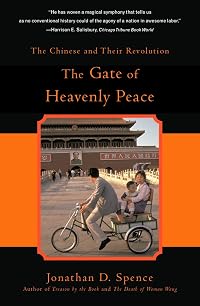
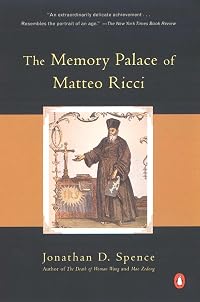
Jonathan D. Spence was born in Surrey, England on August 11, 1936. He received a B.A. in history from Clare College, Cambridge University and a M.A. and Ph.D. from Yale University. He was Sterling Professor of History at Yale University from 1993 to 2008. As a historian specializing in Chinese history, he wrote several books including The Search show more for Modern China, The Death of Woman Wang, and The Memory Palace of Matteo Ricci. The Gate of Heavenly Peace won the Los Angeles Times Book Award and the Henry D. Vursell Memorial Award of the American Academy-Institute of Arts and Letters. (Bowker Author Biography) show less
Series
Belongs to Publisher Series
Common Knowledge
- Original publication date
- 2001
- People/Characters
- Zeng Jing; Emperor Yongzheng of China
- Important places
- China
- Important events
- Qing Dynasty (Chinese history, 1644-1911)
- Epigraph
- ...putting the plain
Sense into travelling garb is a kind of
Singing.
--John Hollander, 'Reflections on Espionage' - First words
- General Yue Zhongqi has risen far and fast, which is what makes the present moment so dangerous for him.
- Quotations*
- La mattina del 30 ottobre, non scorgendo altre scelte possibili, Yue si ritira nel suo ufficio e comincia a scrivere un rapporto all'imperatore. Il suo rango l'autorizza a inviare un rapporto con la più alta classifica di se... (show all)gretezza, che sarà letto dal sovrano in persona prima che chiunque nella burocrazia possa vederlo. Siffatti rapporti segreti devono essere scritti di loro pugno dagli alti funzionari che li inviano, e non dai loro segretari, e devono conformarsi a uno schema preciso: un titolo di presentazione per dare conto del contenuto, seguito dai punti principali disposti in sequenza, e infine le conclusioni generali e i suggerimenti per l'azione. Anche la carta da impiegare è standard per tutti gli alti funzionari: bianca, ciascun foglio deve misurare venticinque centimetri in altezza e circa sessanta in larghezza, e deve essere piegato a fisarmonica, con i tagli stretti, in modo da facilitare l'esame veloce del testo. L'inchiostro utilizzato è nero, e tra le righe verticali vergate nella scrittura del funzionario dev'esserci uno spazio sufficiente ad accogliere le osservazioni interlineari dell'imperatore, in inchiostro rosso. Alla fine, dopo la data, occorre lasciare dell'altro spazio libero per un commento più ampio, se mai l'imperatore decidesse di farlo.
Come ci sono regole meticolose per il formato e la presentazione dei rapporti segreti, così esistono regole altrettanto minuziose per il loro inoltro. Il più delle volte il corriere è un fidato domestico personale dell'alt... (show all)o funzionario interessato, o un ufficiale del suo personale militare. Ci sono poi i corrieri governativi di stanza nelle varie sottostazioni del sistema di trasmissione dei messaggi, che copre l'intera Cina come il disegno fittamente intecciato di un ricamo, collegando le città più importanti e le rotte commerciali mediante un complesso sistema di stazioni di posta. La velocità con cui è possibile consegnare i messaggi è un indice dell'efficienza della dinastia, perché dipende dal buon funzionamento delle stalle e delle cavalcature messe a disposizione dei corrieri dietro presentazione di contrassegni che li identificano: cavalli veloci a nord, ma anche muli e asini per i terreni accidentati, e cammelli per gli aridi deserti dell'estremo Ovest. Nel Sudest, attraversato da una miriade di canali e di fiumi, le stalle sono soppiantate da un sistema di barche di varia specie, a seconda della natura dei corsi d'acqua. Del sistema fanno parte anche locande in cui i corrieri possono dormire e rifocillarsi.
[...] nel Nord della contea di Yongxing, vicino al confine con la contea di Anren, è tuttora possibile vedere le ampie, ariose dimore un tempo appartenute ai ricchi proprietari terrieri Qing, che spiccano nettamente sugli ... (show all)asfittici alloggi che le stringono tutt'intorno. I loro ricurvi timpani in pietra s'inarcano contro il cielo; le loro imponenti porte di legno e le loro massicce mura grigie sono chiaramente visibili attraverso le strette vallate. Di fronte a queste ricche case, al di là dello spazio aperto costituito dall'aia del villaggio, stretti sentieri si allungano nel paesaggio, alto al di sopra dei capi di riso allagati. Questi sentieri, che fin dall'antichità segnano i confini tra i diversi poderi, sono ricoperti da lastre di pietra saldamente conficcate nel terreno, il che rende possibile camminarci sopra senza bagnarsi i piedi per arrivare fino al pozzo o per ispezionare il proprio campo. Fu certamente questo lo spettacolo che si offrì allo sguardo del sedicente Wang Shu e del suo calligrafo mentre arrancavano su per le colline dopo aver lasciato il prete Mizeng con la sua lettera di credito senza valore ed essere partiti da Leiyang; e lo stesso dicasi del geomante Chen e del medico impegnati nei loro giri.
Chissà se adesso Zeng Jing se ne stava sulla soglia di una casa del genere, comprata col denaro dell'imperatore, gli alti cornicioni sopra la testa, l'aia sgombra e piatta davanti a lui? E se si allontanava dalle ondate di luce e, lasciandosi alle spalle i complicati graticci di legno con le loro minuscole, delicate incisioni, che rivestivano le finestre su entrambi i lati, s'inoltrava nel fresco rifugio della sala ancestrale che si allungava nelle buie viscere della grande casa, dove le bare sulle loro travi sono pronte ad accogliere coloro la cui ora è suonata? - Last words
- (Click to show. Warning: May contain spoilers.)So much to-do because a small-time teacher had a schoolhouse on the Anren road; and because a man he called his messenger ran across another road, far away, with a letter in his hand.
- Original language*
- English
- Disambiguation notice
- 2001 edition: Treason by the book / Jonathan D. Spence
*Some information comes from Common Knowledge in other languages. Click "Edit" for more information.
Classifications
Statistics
- Members
- 449
- Popularity
- 68,275
- Reviews
- 9
- Rating
- (3.79)
- Languages
- 6 — Dutch, English, German, Italian, Portuguese, Spanish
- Media
- Paper, Ebook
- ISBNs
- 11
- ASINs
- 2