On This Page
Description
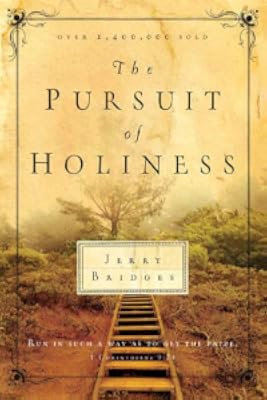
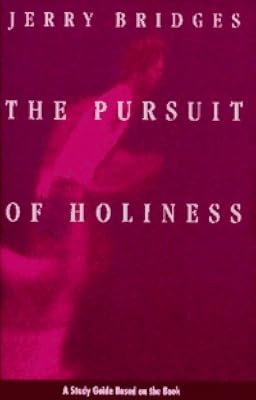
This new edition replaces both The Pursuit of Holiness and the separate study guide by combining both resources into one volume!"Be holy, for I am holy," commands God. But holiness is something that is often missed in the Christian's daily life. According to Navigator author Jerry Bridges, that's because we're not exactly sure what our part in holiness is. In The Pursuit of Holiness, he helps us see clearly just what we should rely on God to do-and what we should take responsibility for show more ourselves. As you deepen your relationship with God, learn more about His character, and understand the Holy Spirit's role in holiness, your spiritual growth will mature. The included study guide contains 12 lessons. show lessTags
Recommendations















Member Reviews
Jerry Bridges's slim little book is an eminently practical, biblical examination of the issue of holiness in the Christian life. The back cover calls holiness "the Christian's joint venture with God," and the tension between what God does and what the Christian is responsible for keeps this from being a legalistic recital of why we should be holy. Most Christians would agree that we should, but mental assent is not the same as obedience.
Bridges, a former U. S. Navy officer, is an engaging author who doesn't hesitate to talk about some of his own struggles, like his craving for ice cream, his temptations to "shade the truth" and cover up small offenses, his sweet tooth, his experiences in the service, etc. He writes well and clearly and show more his style is very readable. As I typed out the quotes below, I realized he, like me, has a great fondness for the m dash. (Long may it connect our thoughts and provide dramatic pauses—just where we want them!)
In the introduction, Bridges admits that the book is weighted more toward our responsibility to be holy than God's to make us so. But he states unequivocally that the Christian's holiness is not what saves him or makes him acceptable to God; rather, it is part of what comes with salvation. Christ's righteousness is imputed to us, as if we had lived His perfect life, and God accepts us on the basis of His Son. And yet it is undeniable that the New Testament places responsibility for personal holiness directly on the Christian; we are constantly exhorted to be holy, to control our sinful desires, to flee temptation, to throw off the sin that entangles us and run the race with perseverance... all active verbs. The book's title is fitting; it is all about our pursuit, our active work toward the goal set before us.
One chapter I really appreciated was the one titled "Holiness in Body." Bridges rightly points out that in Western Christianity, we have come to view excesses of gluttony and laziness as weakness of the will rather than sin (93). He talks about the importance of physical discipline, demonstrating that whatever gives our body and physical appetites ascendancy over our minds is "sin to you" (Susannah Wesley, 94).
I also appreciated how he highlights meditation as an essential part of Bible study. When we think of learning God's Word, we think of hearing it preached, reading it in our quiet time, and memorizing verses. What we often miss is the practice of meditating on—thinking about and turning over in our minds—God's Word. It isn't enough for me to study my daily passage, quote it, and then dismiss it from my mind. I need to think about it throughout my day, and that won't happen without discipline.
I liked, too, how Bridges emphasizes that holiness is not just abstaining from evil, but actively pursuing good. Christianity is not a vacuum, a list of do's and don'ts (mostly don'ts); it is a pursuit of God and the thoughts and actions that please Him.
One thing that made me a little uncomfortable was how Bridges often says God spoke to him. He never claims new revelation or anything crazy like that, but he will say "God spoke to my heart" or some similar phrase. Coming from a background in which God is often misquoted in subjective stories of personal spiritual revelations, I am extremely cautious of such claims. And yet at the same time, the Bible does say that the Holy Spirit will bring things to our remembrance (John 14:26), and that is basically what Bridges describes (usually it's an instance of him realizing that he needs to apply a biblical principle to a certain situation). So maybe it's just the way he phrases it that bothers me slightly.
There are so many excellent quotes in this book. Here are just a few:
Our first problem is that our attitude toward sin is more self-centered than God-centered. We are more concerned about our "victory" over sin than we are about the fact that our sins grieve the heart of God. (p. 17–18)
God wants us to walk in obedience—not victory. Obedience is oriented toward God; victory is oriented toward self... This is not to say that God doesn't want us to experience victory, but rather to emphasize that victory is a byproduct of obedience. (p. 18)
As we grow in holiness, we grow in hatred of sin; and God, being infinitely holy, has an infinite hatred of sin... We need to cultivate in our own hearts the same hatred of sin God has. Hatred of sin as sin, not just as something disquieting or defeating to ourselves, but as displeasing to God, lies at the root of all true holiness. (p. 29)
If there is not, then, at least a yearning in our hearts to live a holy life pleasing to God, we need to seriously question whether our faith in Christ in genuine. (p. 33)
To persist in disobedience is to increase our necessity for discipline. (p. 35)
The more we grow in holiness, the more we need assurance that the perfect righteousness of Christ is credited to us. (p. 41)
It is hypocritical to pray for victory over our sins yet be careless in our intake of the Word of God. (p. 66)
The Christian should never complain of want of ability or power. If we sin, it is because we choose to sin, not because we lack the ability to say no to sin. (p. 71–72)
Discipline toward holiness begins then with the Scriptures—with a disciplined plan for regular intake of the Scriptures and a disciplined plan for applying them to our daily lives. (p. 84)
We must avoid general commitments to holiness and instead aim for specific obedience in specific instances. (p. 88)
Any training—physical, mental, or spiritual—is characterized first by failure. We fail more often than we succeed. (p. 89)
[Paul] knew well that physical softness inevitably leads to spiritual softenss. (p. 96)
Every sin we commit reinforces the habit of sinning and makes it easier to sin. (p. 113)
The battle for holiness must be fought on two fronts—within and without. Only then will we see progress toward holiness. (p. 116)
Our reaction to the sinful world around us, however, must be more than just defensive. We must be concerned not only for our own purity of mind and heart, but also for the eternal destiny of those who would pollute us. (p. 128)
God intends the Christian life to be a life of joy—not drudgery... Only those who are obedient—who are pursuing holiness as a way of life—will know the joy that comes from God. (p. 131)
I will certainly revisit this book. Highly recommended. show less
Bridges, a former U. S. Navy officer, is an engaging author who doesn't hesitate to talk about some of his own struggles, like his craving for ice cream, his temptations to "shade the truth" and cover up small offenses, his sweet tooth, his experiences in the service, etc. He writes well and clearly and show more his style is very readable. As I typed out the quotes below, I realized he, like me, has a great fondness for the m dash. (Long may it connect our thoughts and provide dramatic pauses—just where we want them!)
In the introduction, Bridges admits that the book is weighted more toward our responsibility to be holy than God's to make us so. But he states unequivocally that the Christian's holiness is not what saves him or makes him acceptable to God; rather, it is part of what comes with salvation. Christ's righteousness is imputed to us, as if we had lived His perfect life, and God accepts us on the basis of His Son. And yet it is undeniable that the New Testament places responsibility for personal holiness directly on the Christian; we are constantly exhorted to be holy, to control our sinful desires, to flee temptation, to throw off the sin that entangles us and run the race with perseverance... all active verbs. The book's title is fitting; it is all about our pursuit, our active work toward the goal set before us.
One chapter I really appreciated was the one titled "Holiness in Body." Bridges rightly points out that in Western Christianity, we have come to view excesses of gluttony and laziness as weakness of the will rather than sin (93). He talks about the importance of physical discipline, demonstrating that whatever gives our body and physical appetites ascendancy over our minds is "sin to you" (Susannah Wesley, 94).
I also appreciated how he highlights meditation as an essential part of Bible study. When we think of learning God's Word, we think of hearing it preached, reading it in our quiet time, and memorizing verses. What we often miss is the practice of meditating on—thinking about and turning over in our minds—God's Word. It isn't enough for me to study my daily passage, quote it, and then dismiss it from my mind. I need to think about it throughout my day, and that won't happen without discipline.
I liked, too, how Bridges emphasizes that holiness is not just abstaining from evil, but actively pursuing good. Christianity is not a vacuum, a list of do's and don'ts (mostly don'ts); it is a pursuit of God and the thoughts and actions that please Him.
One thing that made me a little uncomfortable was how Bridges often says God spoke to him. He never claims new revelation or anything crazy like that, but he will say "God spoke to my heart" or some similar phrase. Coming from a background in which God is often misquoted in subjective stories of personal spiritual revelations, I am extremely cautious of such claims. And yet at the same time, the Bible does say that the Holy Spirit will bring things to our remembrance (John 14:26), and that is basically what Bridges describes (usually it's an instance of him realizing that he needs to apply a biblical principle to a certain situation). So maybe it's just the way he phrases it that bothers me slightly.
There are so many excellent quotes in this book. Here are just a few:
Our first problem is that our attitude toward sin is more self-centered than God-centered. We are more concerned about our "victory" over sin than we are about the fact that our sins grieve the heart of God. (p. 17–18)
God wants us to walk in obedience—not victory. Obedience is oriented toward God; victory is oriented toward self... This is not to say that God doesn't want us to experience victory, but rather to emphasize that victory is a byproduct of obedience. (p. 18)
As we grow in holiness, we grow in hatred of sin; and God, being infinitely holy, has an infinite hatred of sin... We need to cultivate in our own hearts the same hatred of sin God has. Hatred of sin as sin, not just as something disquieting or defeating to ourselves, but as displeasing to God, lies at the root of all true holiness. (p. 29)
If there is not, then, at least a yearning in our hearts to live a holy life pleasing to God, we need to seriously question whether our faith in Christ in genuine. (p. 33)
To persist in disobedience is to increase our necessity for discipline. (p. 35)
The more we grow in holiness, the more we need assurance that the perfect righteousness of Christ is credited to us. (p. 41)
It is hypocritical to pray for victory over our sins yet be careless in our intake of the Word of God. (p. 66)
The Christian should never complain of want of ability or power. If we sin, it is because we choose to sin, not because we lack the ability to say no to sin. (p. 71–72)
Discipline toward holiness begins then with the Scriptures—with a disciplined plan for regular intake of the Scriptures and a disciplined plan for applying them to our daily lives. (p. 84)
We must avoid general commitments to holiness and instead aim for specific obedience in specific instances. (p. 88)
Any training—physical, mental, or spiritual—is characterized first by failure. We fail more often than we succeed. (p. 89)
[Paul] knew well that physical softness inevitably leads to spiritual softenss. (p. 96)
Every sin we commit reinforces the habit of sinning and makes it easier to sin. (p. 113)
The battle for holiness must be fought on two fronts—within and without. Only then will we see progress toward holiness. (p. 116)
Our reaction to the sinful world around us, however, must be more than just defensive. We must be concerned not only for our own purity of mind and heart, but also for the eternal destiny of those who would pollute us. (p. 128)
God intends the Christian life to be a life of joy—not drudgery... Only those who are obedient—who are pursuing holiness as a way of life—will know the joy that comes from God. (p. 131)
I will certainly revisit this book. Highly recommended. show less
Holiness. The Christian's joint venture with God. "Be holy, for I am holy," commands God to His people. But holiness is something that is often missed in the Christian's daily life. According to Jerry Bridges, that's because we're not exactly sure what our part in holiness is. In The Pursuit of Holiness, he helps us see clearly just what we should rely on God to do-and what we should accept responsibility for ourselves. Whether you're continuing your pursuit of holiness or just beginning, the principles and guidelines in The Pursuit of Holiness will challenge you to obey God's command of holiness.
This was a good book on how to pursue holiness and the standard that God is calling us to. Definitely had moments of conviction while reading this book. The only issue I had with it was at times it felt like it was saying you had to be perfect, which I know is not the message they're trying to send but just the way some things are worded gives off the feeling that you have to be perfect. Definitely got better towards the end when they talk about how to pursue holiness in our everyday lives.
Be holy, for I am holy, commands God to His people. But holiness is something that is often missing in the Christian's daily life. In Pursuit of Holiness, Jerry Bridges explains how God has equipped us to lead holy lives, how reason and emotion influenc
I rarely give five stars to any book, but this one earned it. I read this book many years ago, and got even more out of it this year. This is one of the "classics" when it comes to practical Christian living and practice. Bridges covers all aspects of holiness from the Scriptures, including the important balance between God's role and the Christian's role and responsibility for his or her life. This would be one of the first books any Christian should read and apply to his or her life.
For such a small book, this one really packs a punch! Man! SO much good stuffs in here; really opened my eyes to how much I can directly pursue holiness and deepen my walk with God. Challenging and convicting, as well as encouraging.
This should be required reading for every Christian who believes their ‘doing it right’.
Jerry Bridges is a clear, concise and direct author. Great insight in this book.
Jerry Bridges is a clear, concise and direct author. Great insight in this book.
Members
- Recently Added By
Lists

Develop Your Personal Christian Library
101 works; 15 members
Sycamore Baptist Church Book Study Reading List
156 works; 5 members

Recommend the 20 best books you've read in the last five years
2,168 works; 609 members

Top Five Books of 2014
1,064 works; 398 members
Trinity Norman Recommended Christian Readings
170 works; 5 members

Xenos Christian Fellowship Book Suggestions
102 works; 2 members

Ambleside Books
459 works; 18 members

Ambleside Year 8
80 works; 1 member
Author Information

128+ Works 27,514 Members
Jerry Bridges was a well-known Christian writer and speaker. His numerous books have sold over 3.5 million copies. He served on the staff of The Navigators for more than sixty years before his death in 2016. Jerry leaves behind his wife, Jane; two children; and seven grandchildren.
Series


Work Relationships
Has as a student's study guide
Common Knowledge
- Alternate titles
- Lebensstil: Heiligung; 聖潔讓你想得不一樣. English
- Original publication date
- 1978
- People/Characters
- Jesus Christ
- Quotations
- Our first problem is that our attitude toward sin is more self-centered than God-centered. We are more concerned about our "victory" over sin than we are about the fact that our sins grieve the heart of God. (p. 17–18)
Classifications
Statistics
- Members
- 5,337
- Popularity
- 2,552
- Reviews
- 29
- Rating
- (4.21)
- Languages
- Dutch, English, French, German
- Media
- Paper, Audiobook, Ebook
- ISBNs
- 27
- ASINs
- 18