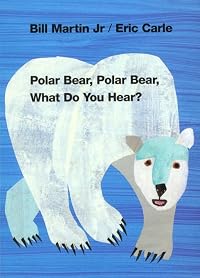
Polar Bear, Polar Bear, What Do You Hear?
by Bill Martin, Jr., Eric Carle (Illustrator)
Brown Bear and Friends (2)
On This Page
Description
Zoo animals from polar bear to walrus make their distinctive sounds for each other, while children imitate the sounds for the zookeeper.Tags
Recommendations
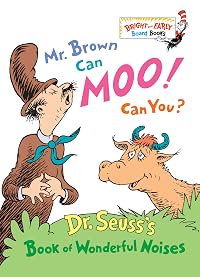
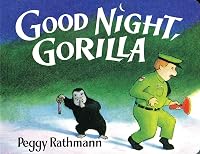
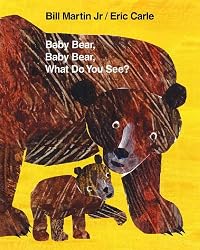
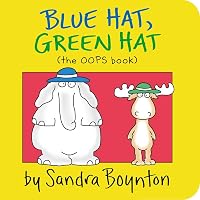
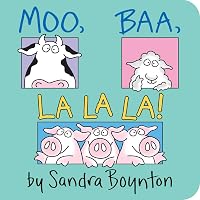
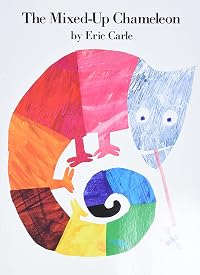
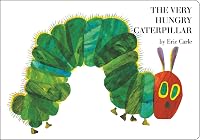
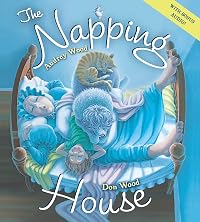
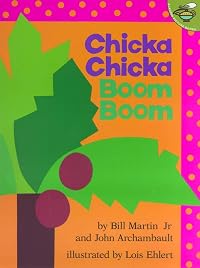
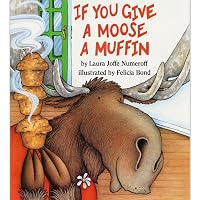

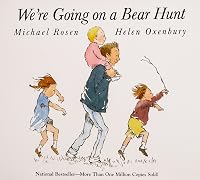
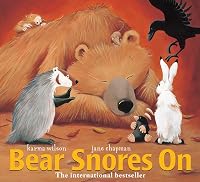
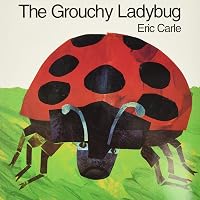
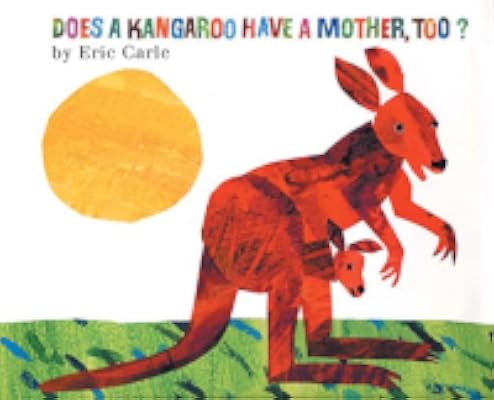
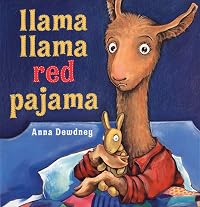
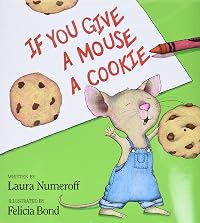
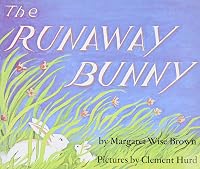
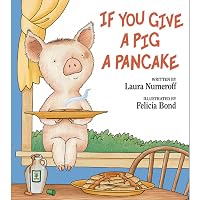
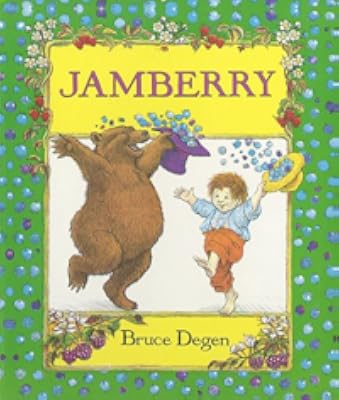
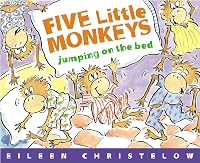
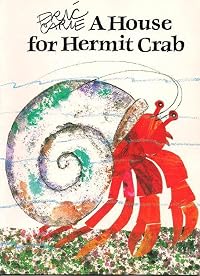
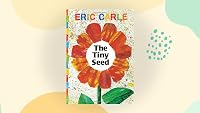
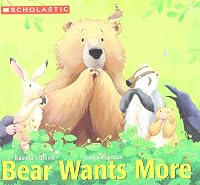
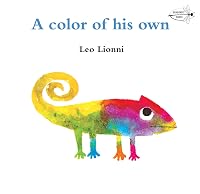
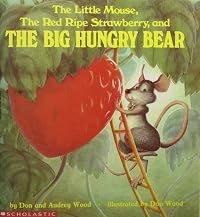
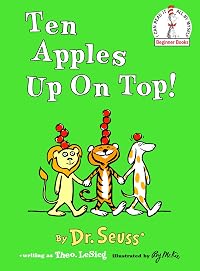
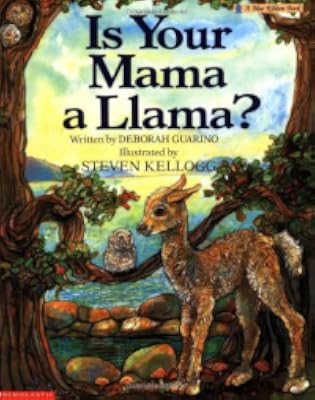
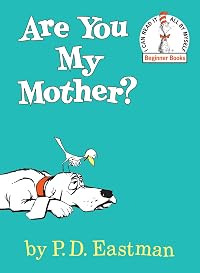
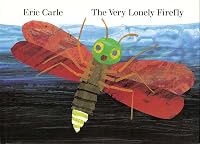
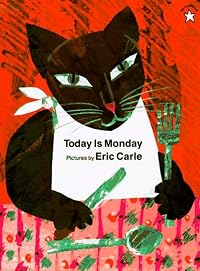
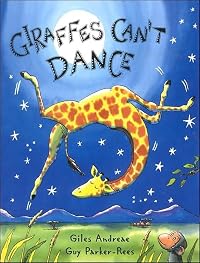
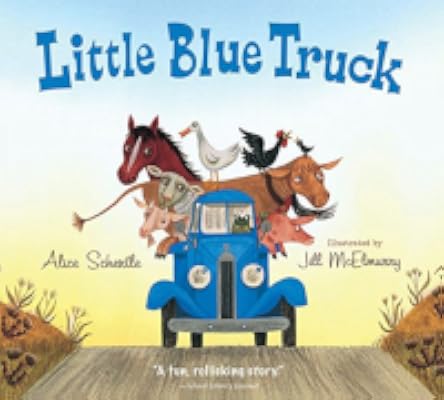
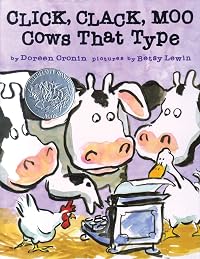
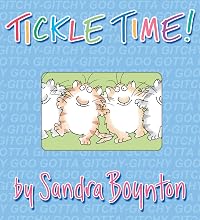
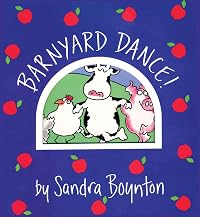
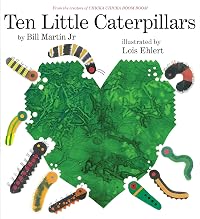


Member Recommendations
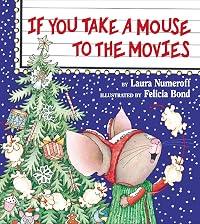
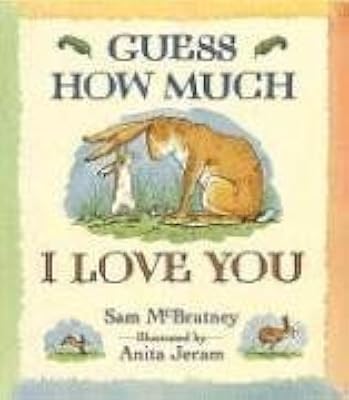
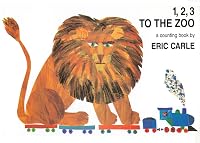
Sandydog1 Both are identical in terms of simplicity and rhythm.
Member Reviews
This has always been one of my favorite books for young children. I love the way the book flows; you can read it in the same rhythm the whole time from page to page. The repetition of each animal shows the importance of their sound, and what they hear. The repetition and rhythm make it an entertaining read for young children. I know as a child, I always really enjoyed the illustrations. Each animal is very big and takes up almost all of the 2 pages it spreads across. They animals are also interestingly shaded with color, which I really liked as well. This book is great for children who are learning animal sounds. My favorite part of the book is the last page. The last page shows a bunch of school age children dressed up as the animals show more in the book. All the children are of different race, which relates to the diversity of all of the different animals in the book. show less
This book follows a whole host of zoo animals and asks them what they hear as they hear one another. Finally we get to a zookeeper, who hears a whole pack of children pretending to be various animals. They're dressed in the animal costumes, and I almost wonder if there were never really any zoo animals, only children. This would easily translate into a preschool play.
Polar Bear, Polar Bear, What Do You Hear? By Bill Martin Jr/Eric Carle is a rhythmic picture book perfect for young children. The story is about several different animals, each making their own sound, which will show kids how to listen and learn. This is a great book for children to learn about different animals besides cats and dogs, and understand what sounds they make. The vibrant illustrations make the book come to life. I only give this book a four out of five star rating because of all of the repetition, it drove me nuts. But, it can help with children's language development.
My storytime kids LOVED this book! It was very interactive, but simple enough to allow enjoyable phrase repetition without losing their attention. A very good read (and a classic for a reason!)
This is a great follow up story to Brown Bear, Brown Bear. In this book, we get to not only see beautiful illustrations of animals in only the way Eric Carle can do them, but also we get to explore the sounds these animals make.
This has been a favorite in my house for a long time. Both of my kids learned these animal sounds very early in their lives. I can't help but smile when I hear the familiar words of this book.
In the classroom, this book would be a great way to teach kids animal sounds. Also, it would be easy for kids to create a book of their own favorite animals and the sounds they make.
This has been a favorite in my house for a long time. Both of my kids learned these animal sounds very early in their lives. I can't help but smile when I hear the familiar words of this book.
In the classroom, this book would be a great way to teach kids animal sounds. Also, it would be easy for kids to create a book of their own favorite animals and the sounds they make.
A big part of Brown Bear's charm is its surreal combining of animals and colors and the almost Remy Charlip conclusion. By changing colors for sounds the book loses one important visual element. Yes, the book still has Eric Carle's delightful style of illustrations but this time they are too grounded in reality.
A second problem with Polar Bear is the meter. Martin seems to be trying to keep the original sing-song meter of Brown Bear but his choice of animals and sounds gives him much longer words and often times too many syllables to fit into the simplistic meter of Brown Bear thus making Polar Bear hard to read out loud and frustrating to listen to (according to my children).
If you are a fan of Eric Carle's artwork or fans of Bill show more Martin Jr.'s books, then Polar Bear, Polar Bear What Do You Hear? will be a welcome to your personal library. For everyone else there are better board books. show less
A second problem with Polar Bear is the meter. Martin seems to be trying to keep the original sing-song meter of Brown Bear but his choice of animals and sounds gives him much longer words and often times too many syllables to fit into the simplistic meter of Brown Bear thus making Polar Bear hard to read out loud and frustrating to listen to (according to my children).
If you are a fan of Eric Carle's artwork or fans of Bill show more Martin Jr.'s books, then Polar Bear, Polar Bear What Do You Hear? will be a welcome to your personal library. For everyone else there are better board books. show less
Bill Martin's books are phenomenal. To say I use them a lot in storytime would be an understatement. Granted, I don't use them all the time.....but still.
"Polar Bear, Polar Bear, What Do You Hear" is all about the sounds animals make. "Snarl," "hiss," trumpeting", etc. They are harder words to introduce into a child's vocabulary....which is why we should!! And due to the repetition or general flow of the book, children can repeat a lot of the phrases.
The only thing that bugs me is not the accurate representation of the animals. I get bugged by a pink walrus....but that is just me.
"Polar Bear, Polar Bear, What Do You Hear" is all about the sounds animals make. "Snarl," "hiss," trumpeting", etc. They are harder words to introduce into a child's vocabulary....which is why we should!! And due to the repetition or general flow of the book, children can repeat a lot of the phrases.
The only thing that bugs me is not the accurate representation of the animals. I get bugged by a pink walrus....but that is just me.
Members
- Recently Added By
Lists

Brightly Beaming Curriculum Books
281 works; 8 members

Sense of Hearing (recc titles)
11 works; 1 member

Storytime
145 works; 2 members

Youth: Zoology
128 works; 1 member

Puffin Books 70th anniversary handbook recommendations
537 works; 10 members

Books available on Open Library
171 works; 4 members

Recommended Reading List
219 works; 1 member

Overdue Podcast
808 works; 9 members
Author Information

204+ Works 73,028 Members
Children's writer Bill Martin, Jr. was born and raised in Hiawatha, Kansas. Ironically, the future early childhood educator had difficulty reading until he taught himself, before graduating with a teaching certificate from Emporia State University. After graduation, he taught high school drama and journalism in Kansas. He served in the Army Air show more Force as a newspaper editor during World War II. He wrote his first book, The Little Squeegy Bug, for his brother, Bernard, an artist, to illustrate while recuperating from war wounds. It was published in 1945 and the brothers would go on to collaborate on 10 more books by 1955. He earned a master's degree and doctorate in early childhood education from Northwestern University and became principal of an elementary school in Evanston, Ill., where he developed innovative reading programs. In 1962 Martin moved to New York City to become editor of the school division of Holt, Rhinehart and Winston where he developed the literature-based reading programs Sounds of Language and The Instant Readers. Martin returned to full-time writing in 1972 and ended up writing over three hundred children's books during his career. His titles include; Brown Bear, Brown Bear, What do You See?, Polar Bear, Polar Bear, What do you Hear?, The Ghost-Eye Tree, Barn Dance, and Chicka, Chicka, Boom, Boom. He died on August 11, 2004 at the age of 88. (Bowker Author Biography) show less

Eric Carle is an award-winning, children's picture book author and illustrator whose most recognized work is The Very Hungry Caterpillar Board Book. Carle was born to German parents in 1929 in Syracuse, New York. The family returned to Germany in 1935, moving to a suburb of Stuttgart. Carle disliked high school, quitting at the age of 16 before show more graduation. He was admitted as the youngest student to the Akademie der bildenden Kunste, an art school. After finishing at the Akademie, he worked as a poster designer for the U.S. Information Center in Germany until 1952, when he moved back to New York City. He was a graphic designer at the New York Times and later worked as an art director at L.W. Frohlich & Co. In 1963, Bill Martin, Jr. saw a poster of a red lobster that Carle had designed and asked him to illustrate Brown Bear, Brown Bear, What Do You See?, thus launching his freelance career. Among his many children's books are Dream Snow, Hello, Red Fox, The Very Clumsy Click Beetle, and Pancakes, Pancakes! His title The Artist Who Painted a Blue Horse made Publisher's Weekly Best Seller List for 2011. His title Brown Bear Brown Bear What to You See? made The New York Times Best Seller List for 2012. In 2015 he made The New Zealand Best Seller List with Love from the Very Hungry Caterpillar. Eric Carle, beloved children's book author and illustrator, died on May 23, 2021. He was 91. (Bowker Author Biography) show less
Awards and Honors
Awards
Series

Work Relationships
Common Knowledge
- Canonical title
- Polar Bear, Polar Bear, What Do You Hear?
- Original publication date
- 1991; 1997 (board book) (board book)
- People/Characters
- Polar Bear
- First words
- Polar Bear, Polar Bear, what do you hear?
- Last words
- (Click to show. Warning: May contain spoilers.)that's what I hear.
Classifications
Statistics
- Members
- 7,442
- Popularity
- 1,554
- Reviews
- 134
- Rating
- (4.00)
- Languages
- 8 — Dutch, English, French, German, Japanese, Korean, Polish, Spanish
- Media
- Paper, Audiobook, Ebook
- ISBNs
- 64
- UPCs
- 4
- ASINs
- 35