On This Page
Description
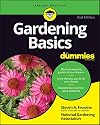
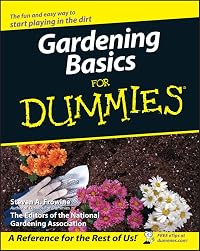
In a 1625 essay, Francis Bacon called gardens "the purest of human pleasures," and what was true then is even more so today-gardening can give you a serene refuge from the short-lived (and noisy!) distractions of modern life and a fertile basis for satisfaction that will bear fruit long into the future. To help you get started on your own leafy paradise, the new edition of Gardening Basics For Dummies grounds you thoroughly in the fundamentals of soil, flowers, trees, and lawns-and helps you show more get to know the names of what you're planting along the way! In a friendly, straightforward style, professional horticulturist Steven A. Frowine shows you how to start growing your expertise-from planning out your own mini-Eden and planting your first annuals, bulbs, and perennials through to laying the perfect lawn, raising tasty crops, and even introducing fish to your landscape! He also digs into the grubbier side of horticultural life, making sure you're as prepared as any seasoned farmer to deal with pests, weeds, and other challenges the earth will throw up at you. Whether you're beginning with a tiny garden in a box, or beautifying your property with tree-lined groves and flowery bowers, this is the ideal introduction to the intense pleasure of gardening and will make you happy to reap what you've sown!. show lessTags
Recommendations




















Member Reviews
Useful, though the chapters are in a strange order. I mostly wanted to know about perennials, soil, and watering, not tools or gear. Some good information that will be helpful in planning next year's planting.
Notes
Chapter 1: Getting ready for gardening
-Perennials usually last 2-10 years. They may start slowly the first year, developing a good root system, and grow and expand in subsequent years. You can divide them and replant well-rooted parts for a fresh start.
Chapter 2: Planning your own Eden
-Formal gardens, Asian gardens, tropical gardens (iris, phlox, delphinium, salvia), cottage gardens (roses, herbs), dry climate gardens, woodland gardens
-A garden has four major elements: floor (groundcover, soil, paving material, grass), walls show more (wall, fence, hedge, trellis, trees, shrubs), ceiling (sky, awning, umbrella, tree canopy, pergola), furniture (tables and chairs, garden ornaments, large pots). Tackle the four elements in this order.
Chapter 3: Getting into the zone
-USDA Plant Hardiness Zone map: http://planthardiness.ars.usda.gov/PHZMWeb/ (Zone 6b)
-Check out neighbors' yards, buy local, grow native plants
Chapter 5: Growing annuals and perennials
-Last spring frost date (May 1-15), first fall frost date (Oct 1-15) (est.)
-"Don't put plants in a bed you yourself wouldn't be willing to lie on!"
-Check before buying: labels, blooms, roots, healthy appearance
-Popular hardy perennials: aster, columbine, coneflower, day lily, delphinium, mums, penstemon, peony, phlox, Shasta daisy
-Favorite shade perennials: ajuga, astilbe, bergenia, bleeding heart, brunnera, coral bells, corydalis, ferns, goatsbeard, hellebore, hosta, lady's mantle, lily of the valley, lungwort, Solomon's seal, sweet woodruff
-Favorite dry-soil perennials: black-eyed Susan, blanket flower, baptista, butterflyweed, evening primrose, gaura, penstemon, yarrow.
Chatper 6: Growing your own veggies
-Most fruiting vegetables (tomatoes, peppers, squash, beans, corn) like a sunny, open environment; plant in a south-facing spot. Put taller plants in the north end so they don't shade shorter plants.
-When planting tomato seedlings, plant them deeper than they were growing in their pot, just keep a set or two of leaves above the ground (remove the lower ones and bury part of the stem). Better stability, more roots! Water, then mulch, leaving an inch of space around the base of the plant. Protect new plants by giving them shelter (boxes, boards, lawn chairs).
-When planting seeds: "three friends" rule (3 seeds per hole)
Chapter 7: Giving plants what they need
-soil pH should be close to neutral, slightly acidic
-Water in the morning; watering at night can make plants susceptible to diseases that cause them to rot. Infrequent deep soakings are better than frequent shallow watering.
-Build a basin or dirt or mulch around each plant so the water goes into the root system and doesn't run off. show less
Notes
Chapter 1: Getting ready for gardening
-Perennials usually last 2-10 years. They may start slowly the first year, developing a good root system, and grow and expand in subsequent years. You can divide them and replant well-rooted parts for a fresh start.
Chapter 2: Planning your own Eden
-Formal gardens, Asian gardens, tropical gardens (iris, phlox, delphinium, salvia), cottage gardens (roses, herbs), dry climate gardens, woodland gardens
-A garden has four major elements: floor (groundcover, soil, paving material, grass), walls show more (wall, fence, hedge, trellis, trees, shrubs), ceiling (sky, awning, umbrella, tree canopy, pergola), furniture (tables and chairs, garden ornaments, large pots). Tackle the four elements in this order.
Chapter 3: Getting into the zone
-USDA Plant Hardiness Zone map: http://planthardiness.ars.usda.gov/PHZMWeb/ (Zone 6b)
-Check out neighbors' yards, buy local, grow native plants
Chapter 5: Growing annuals and perennials
-Last spring frost date (May 1-15), first fall frost date (Oct 1-15) (est.)
-"Don't put plants in a bed you yourself wouldn't be willing to lie on!"
-Check before buying: labels, blooms, roots, healthy appearance
-Popular hardy perennials: aster, columbine, coneflower, day lily, delphinium, mums, penstemon, peony, phlox, Shasta daisy
-Favorite shade perennials: ajuga, astilbe, bergenia, bleeding heart, brunnera, coral bells, corydalis, ferns, goatsbeard, hellebore, hosta, lady's mantle, lily of the valley, lungwort, Solomon's seal, sweet woodruff
-Favorite dry-soil perennials: black-eyed Susan, blanket flower, baptista, butterflyweed, evening primrose, gaura, penstemon, yarrow.
Chatper 6: Growing your own veggies
-Most fruiting vegetables (tomatoes, peppers, squash, beans, corn) like a sunny, open environment; plant in a south-facing spot. Put taller plants in the north end so they don't shade shorter plants.
-When planting tomato seedlings, plant them deeper than they were growing in their pot, just keep a set or two of leaves above the ground (remove the lower ones and bury part of the stem). Better stability, more roots! Water, then mulch, leaving an inch of space around the base of the plant. Protect new plants by giving them shelter (boxes, boards, lawn chairs).
-When planting seeds: "three friends" rule (3 seeds per hole)
Chapter 7: Giving plants what they need
-soil pH should be close to neutral, slightly acidic
-Water in the morning; watering at night can make plants susceptible to diseases that cause them to rot. Infrequent deep soakings are better than frequent shallow watering.
-Build a basin or dirt or mulch around each plant so the water goes into the root system and doesn't run off. show less
Ratings
Members
- Recently Added By
Author Information
6+ Works 276 Members
Steven A. Frowine is a professional horticulturalist who grows more than 200 orchids in his Connecticut home
Series


Classifications
Statistics
- Members
- 120
- Popularity
- 266,352
- Reviews
- 1
- Rating
- (3.33)
- Languages
- English, Portuguese
- Media
- Paper, Audiobook, Ebook
- ISBNs
- 17
- ASINs
- 3